Hepatitis B
Chronic HBV infection is defined as the persistence of hepatitis B surface antigen and serum HBV–DNA levels detectable for at least 6 months. Globally, CH-B affects approximately 400 million people worldwide and contributes to more than one million deaths annually of liver disease (Lavanchy, 2004). CH-B has become one of the major causes of chronic hepatitis, cirrhosis, and hepatocellular carcinoma worldwide. For patients with active viral replication, cirrhosis will be observed in 15–20% of patients within 5 years. Among patients with cirrhosis, the disease may progress, and the incidence of hepatocellular carcinoma is significantly elevated. 70–90% of patients with hepatocellular carcinoma have cirrhosis (Karayiannis and Thomas, 2005). It has been found that hepatitis B has a markedly negative impact on health-related quality of life, both in terms of physical function and mental health.
The World Health Organization has estimated that some 257 million people are infected with the HBV globally, with the virus having been associated with nearly one million deaths in 2015 alone, mainly due to complications such as cirrhosis and liver cancer. In the absence of curative treatment, the most common treatments for the HBV include IFN-α and nucleotide analogues, which often lead to severe side effects and drug resistance issues, while having little effect in terms of treating liver fibrosis, cirrhosis, or liver cancer.
In China, over 90% of chronic hepatitis B (CHB) patients received the traditional Chinese medicine (TCM) therapy. Studies have shown various types of TCM to target the HBV, liver fibrosis , or hepatocellular carcinoma. Further, a meta-analysis of clinical trials found that TCM had an equivalent or better effect than interferon or lamivudine in the treatment of CHB . Moreover, randomized controlled clinical studies have reported the effects of different TCM formulae with regard to improving the clinical parameters of patients with liver fibrosis.
A large long-term population study identifiesS. barbata among the single herbs used in TCM that may reduce risk of hepatocellular carcinoma in hepatitis B patients.
Videos
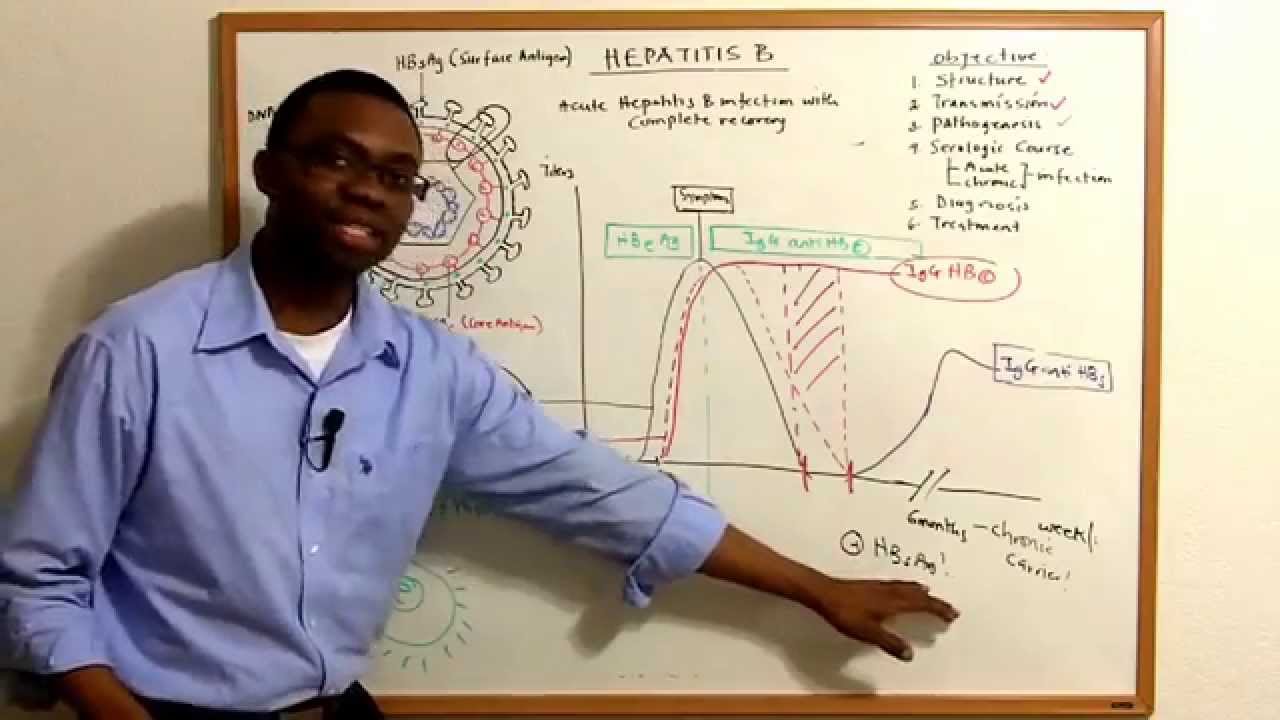
Animation Hepatitis B

Can Hepatitis B be cured 100% by Ayurveda?
Articles/Studies
- Can a new view of hepatitis B pave way for a cure?
- Potential antiviral activities of chrysin against hepatitis B virus.
RISK FACTORS
A Risk Factor for Hepatocellular carcinoma / Hepatoma
- Surgery is a major iatrogenic route of transmission for hepatitis B and C in Italy.
- Associations between prescribed Chinese herbal medicine and risk of hepatocellular carcinoma in patients with chronic hepatitis B: a nationwide population-based cohort study.
- The prevalence of celiac disease in hepatitis B patients is relatively high (9.1%) relative to the background population.
- Fatal exacerbation of peripheral neuropathy during lamivudine therapy has been reported.
- Aflatoxin is capable of generating liver cancer in combination with hepatitis B infection.
- Hepatitis A virus structural protein pX interacts with ALIX and promotes the secretion of virions and foreign proteins through exosome-like vesicles.
- Gut Microbial Dysbiosis Is Associated with Altered Hepatic Functions and Serum Metabolites in Chronic Hepatitis B Patients
Hepatitis B Vaccination
- Age-related response to the hepatitis B vaccine linked to inflammation (http://www.sciencedaily.com/releases/2016/01/160120120137.htm)
- Effect of a novel saponin adjuvant derived from Quillaja saponaria on the immune response to recombinant hepatitis B surface antigen.
- Neonate exposure to thimerosal mercury from hepatitis B vaccines may be a significant problem.
- When polled 5% of nonpediatricians would not use Haemophilus influenzae type b vaccine if they had a child born in 2004.
- Acute hepatitis B can occur in those who are vaccinated against it and who are exposured through unprotected sexual contact and iatrogenically.
- Hepatitis B vaccination significantly increases the risk of a wide range of autoimmune diseases.
- Hepatitis B vaccination with or without hepatitis B immunoglobulin at birth to babies born of HBsAg-positive mothers prevents overt HBV transmission but may not prevent occult HBV infection in babies: a randomized controlled trial.
- Hepatitis B vaccine is associated with an increased risk of multiple sclerosis.
- Newborn primates receiving mercury-containing hepatitis B vaccines exhibit neurodevelopmental delays.
- Hepatitis B vaccination has the potential to induce central demyelinating disorders such as multiple sclerosis.
- Hepatitis B vaccinations is associated wtih autoimmune hazards.
- The demyelinating effect of hepatitis B vaccination could be due to the contamination of the vaccine by partial hepatitis B virus polymerase.
- The hepatitis B vaccine may induce autoimmune demyelinating disease through the molecular mimicry that exists between the vaccine antigen, Epstein-Barr virus and human myelin.
- The Institute of Medicine determined that routine childhood vaccines are linked to a number of serious adverse reactions.
TREATMENT
- **Agaricus blazei** extract normalizes liver function in patients withi chronic hepatitis B.
- Active Ingredients and Action Mechanisms of **Yi Guan Jian Decoction** in Chronic Hepatitis B Patients with Liver Fibrosis
- **Curcumin** inhibits hepatitis B
- Curcumin inhibits hepatitis B virus.
- Effects of **curcumin** on NF-κB, AP-1, and Wnt/β-catenin signaling pathway in hepatitis B virus infection.
- **Naringenin** attenuates hepatitis B virus X protein-induced hepatic steatosis
- Protective Effects of **Moringa oleifera** on HBV Genotypes C and H Transiently Transfected Huh7 Cells
- **EGCG** treatment opposed HBV-induced incomplete autophagy via enhancing lysosomal acidification, which was unfavorable for HBV replication.
- **EGCG** treatment opposed HBV-induced incomplete autophagy via enhancing lysosomal acidification, which was unfavorable for HBV replication.
- **Epigallocatechin gallate** inhibits hepatitis B virus infection in human liver chimeric mice.
- **Green tea extract** and its major component epigallocatechin gallate inhibits hepatitis B virus in vitro.
- Inhibitory effects of crude extracts from some **edible Thai plants** against replication of hepatitis B virus and human liver cancer cells.
- Combined therapy of **Red sage (S. miltiorrhizae) and Zhu Ling (P. umbellatus) polysaccharide** has therapeutic value in the treatment of chronic hepatitis B.
- Anti-hepatitis B virus activity of lithospermic acid, a polyphenol from **Salvia miltiorrhiza.
- A randomized controlled trial of kurorinone versus interferon-alpha2a treatment in patients with chronic hepatitis B (Shrubby Sophora)
- **Cycling and Tai Chi Chuan** exercises suppress human hepatitis B virus surface antigen.
- **Korean Red Ginseng** could be used as a complementary therapy for chronic hepatitis B
- **Folic acid** may have a therapeutic effect in treating viral hepatitis.
- **Phyllanthus urinaria** consumption reduces detectable hepatitis B e-antigen from the serum of patients with chronic hepatitis B.
- **Phyllanthus** extract may be useful as an alternative therapeutic agent for the treatment of drug-resistant CHB patients.
- **Phyllanthus urinaria** inhibited the replication and expression of hepatitis B virus in HBV transfected cell lines in vitro.
- A flavonoid found within **Phyllanthus urinaria** blocks hepatitis B virus, in vitro.
- **Schisandra** may have therapeutic value in treating liver injury associated with Hepatitis B infection.
- **Thiamine** has therapeutic value in the treatment of chronic hepatitis B infection.
- A Herbal Medicine Inhibits Hepatitis B Surface Antigen Secretion in Transfected Human Hepatocarcinoma PLC/PRF/5 Cells. (Cyperus rotundus)
- The results demonstrate the potent antiviral effect of **T. mongolicum** against hepatitis B virus.
- **Astragalus** may promote recovery from viral hepatitis and inhibit hepatitis B virus replication.
- **Artemisinin**, a compound found within the herb wormwood, inhibits a broad range of viruses.
- **Clausena excavata** exhibits anti-Hepatitis B virus activity and cytotoxicity against multi-drug resistant cancer cells.
- **Coffee** contains a number of substances with anti-hepatitis B virus activity.
- **Glycyrrhizin**, a compound found within licorice may inhibit Hepatitis B virus.
- **Oleuropein** blocks hepatitis B virus replication.
- Polypeptides from **jelly fig** inhibits the expression of human HBsAg in host cells without toxic effects on normal primary hepatocytes.
- **Pomegranate and fulvic acid** may have therapeutic value in a wide range of viruses.
- The present review investigates the potential use of these triterpenes against human pathogens, including their mechanisms of action.
- **Turmeric** inhibits hepatitis B virus replication in liver cells.
- Various **Agrimony** species exhibits antiviral activity against Hepatitis B virus.
- **Vitamin D** may be acting as a panaceal antibiotic agent and thus may be useful as an adjuvant therapy in diverse infections.
- The anti-hepatitis B virus therapeutic potential of anthraquinones derived from **Aloe vera**.
- **Vitamin E** use may enhance the probability to induce HBeAg seroconversion in patients with hepatitis B.
- Effect of **echinacoside** on replication and antigen expression of hepatitis B virus
- The in vitro and in vivo anti-hepatotoxic, anti-hepatitis B virus and hepatic CYP450 modulating potential of **Cyperus rotundus.
- Clinical efficacy and safety of **Ganshuang granules** as an adjuvant treatment for chronic hepatitis B liver fibrosis
- Sulforaphane** effectively inhibits HBV by altering Treg/Th17 immune balance and the MIF-macrophages polarizing axis in vitro and in vivo.
- Notoginsenoside R1** inhibits hepatitis B virus replication by modulating SIRT1 activity.