Capulin Cherry
Constituents
Purification and identification of Capulin (Prunus serotina Ehrh) anthocyanins
The Capulin Cherry, scientifically known as Prunus salicifolia, is a fascinating fruit-bearing tree native to the highlands of Central America and Mexico. This tree is not only valued for its delicious fruit but also for its ornamental appeal and various uses in traditional medicine. In this note, we will explore the botanical characteristics, cultivation practices, nutritional benefits, and cultural significance of the Capulin Cherry.
Botanical Characteristics
The Capulin Cherry tree is a member of the Rosaceae family, which includes other well-known fruit trees such as apples, pears, and plums. Here are some key botanical features:
- Height and Structure: The tree typically grows to a height of 15-30 feet, with a rounded canopy that provides ample shade.
- Leaves: The leaves are lanceolate, resembling those of willow trees, which is reflected in its species name salicifolia (willow-leaved).
- Flowers: The tree produces small, white to pinkish flowers that are fragrant and attract pollinators such as bees and butterflies.
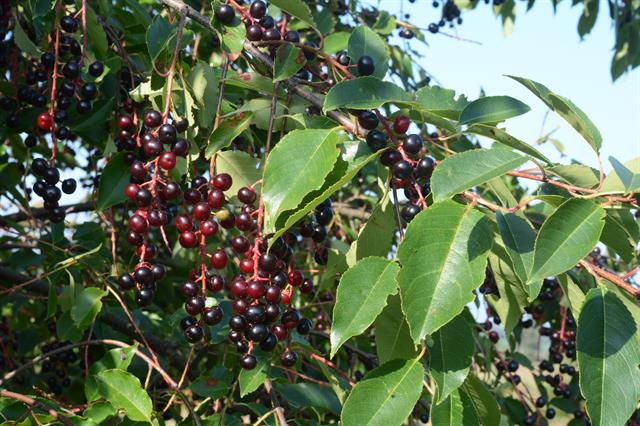
- Fruit: The fruit is a small, dark red to black drupe, about the size of a cherry, with a sweet and slightly tart flavor.
Cultivation Practices
Growing Capulin Cherry trees requires specific conditions to ensure healthy growth and fruit production. Here are some essential cultivation tips:
- Climate: The tree thrives in subtropical to temperate climates, preferring altitudes between 1,500 to 3,000 meters above sea level.
- Soil: Well-drained, loamy soils with a neutral to slightly acidic pH are ideal for Capulin Cherry trees.
- Watering: Regular watering is crucial, especially during the dry season. However, overwatering should be avoided to prevent root rot.
- Pruning: Pruning helps maintain the tree's shape and encourages the growth of new branches, which can lead to increased fruit production.
- Pest and Disease Management: Common pests include aphids and caterpillars, while diseases such as powdery mildew and root rot can affect the tree. Regular monitoring and organic treatments can help manage these issues.
Nutritional Benefits
The Capulin Cherry is not only delicious but also packed with nutrients. Here are some of the key nutritional benefits:
- Vitamins: The fruit is rich in vitamins A and C, which are essential for maintaining healthy skin, vision, and immune function.
- Antioxidants: Capulin Cherries contain high levels of antioxidants, which help protect the body against oxidative stress and reduce the risk of chronic diseases.
- Fiber: The fruit is a good source of dietary fiber, aiding in digestion and promoting a healthy gut.
- Minerals: It provides essential minerals such as potassium, calcium, and iron, which are important for various bodily functions.
Cultural Significance
The Capulin Cherry holds a special place in the cultures of the regions where it is native. Here are some aspects of its cultural significance:
- Traditional Medicine: Various parts of the tree, including the bark, leaves, and fruit, have been used in traditional medicine to treat ailments such as respiratory issues, digestive problems, and skin conditions.
- Culinary Uses: The fruit is consumed fresh or used in a variety of culinary preparations, including jams, jellies, and desserts. It is also fermented to produce alcoholic beverages.
- Ornamental Value: Due to its attractive flowers and foliage, the Capulin Cherry tree is often planted in gardens and parks for ornamental purposes.
- Symbolism: In some cultures, the tree is considered a symbol of fertility and prosperity, and its flowers are used in various rituals and celebrations.
Medicinal
Anti-inflammatory effect of Capuli cherry against LPS-induced cytotoxic damage in RAW 264.7 macrophages. Abstract: Capuli cherry (Prunus serotina Ehr. subsp. capuli (Cav.) McVaugh) fruits from the inter-Andean region of Ecuador were analysed to determine their bioactive compounds content, total antioxidant capacity, radical scavenging activity and their anti-inflammatory and protective effects against the cytotoxic damage mediated by lipopolysaccharide (LPS) in RAW 264.7 macrophages. Capuli fruits proved to be a natural source of bioactive compounds such as anthocyanins, vitamin C andβ-carotene as well as to present an important total antioxidant capacity and radical scavenging activities. RAW 264.7 macrophages were incubated with different concentration of Capuli crude extract and subsequently activated by LPS to determine the markers related to oxidative damage and the proinflammatory cytokine production. The markers of oxidative damage, nitrite levels, the interleukin 1β messenger RNA levels and the tumor necrosis factor α mRNA levels and secretion were significantly decreased after the pre-incubated with Capuli extract and subsequently stimulated with LPS. In summary, Capuli extract attenuated the LPS-induced damage in RAW 264.7 macrophages due to its antioxidant and anti-inflammatory properties, showing that Capuli fruits may represent a relevant source of bioactive compounds with promising benefits for human health.Source
Antioxidant and antimicrobial activity of capulin (Prunus serotina subsp capuli) extracts