Emotion
Return to Mental Emotional Health Menu
VIDEO
The Neuroscience of Emotions
Each Emotion Has Its Own Place in Your Body
Mind Body Connection
Healing is Voltage - The Physics of Emotions
How Your Emotions Change the Shape of Your Heart
Are Trapped Emotions Affecting Your Health?
Releasing Trapped Emotions to Revive Your Hormones
Why It's Not Enough To Just Allow & Feel Your Emotions
Healing is Voltage: The Physics of Emotions
Gaining Freedom Through Emotional Agility
Healing From Emotional Toxicity
Managing Your Emotions
B1 - the best vitamin for emotional instability
Permission to Feel: The Power of Emotional Intelligence to Change Lives
Dealing with Difficult Emotions
Evolution, Emotion, and Reason: Emotions, Part I
Evolution, Emotion, and Reason: Emotions, Part II
Take CONTROL of Your EMOTIONS and Understand the EVOLUTION of Your Brain w/ Psychologist Jamil Zaki
How To Spot Emotional Immaturity
Feeling vs Expressing Emotions - What's Required?
Unlocking emotional healing: The synergy of CBT and EMDR in my therapeutic approach
Kay Tye: The Future of Emotion - Schrödinger at 75: The Future of Biology
A lot of people carry grief and other stored emotions in their body without even knowing it. This simple pressure technique under your nose and chin can unlock trapped emotions instantly, even ones you’ve held since childhood. Here’s how to release it:
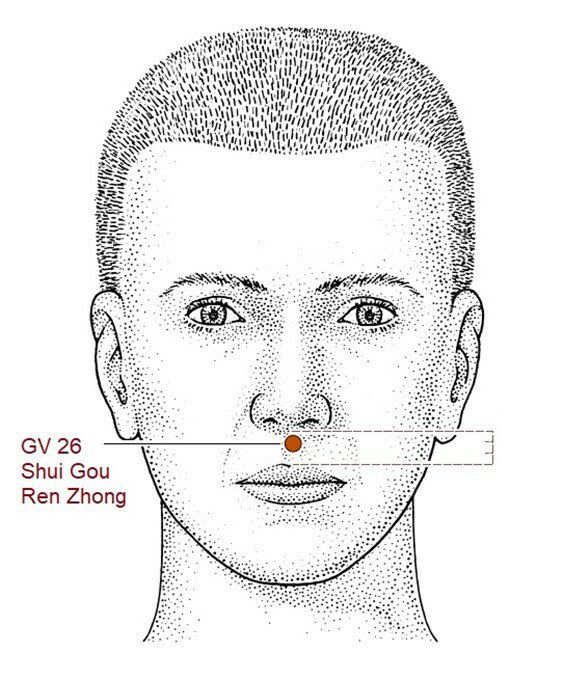
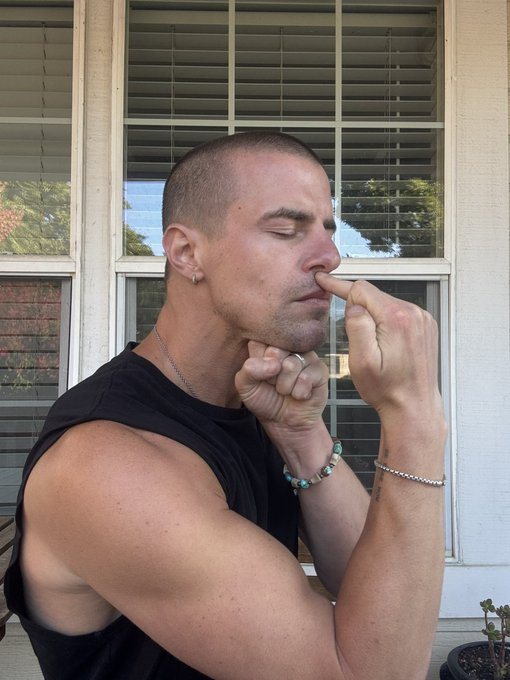
Grief doesn’t just “go away.” It’s stored in the body, in your lungs, jaw, diaphragm, even the space beneath your nose. That tightness in your throat? The sigh that never finishes? That’s grief, stuck.
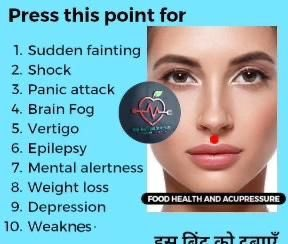
Place your right middle finger right beneath your nose (the philtrum). •At the same time, place your left fist gently under your chin, pressing upward. •Sit tall. •Close your eyes. •Start 6 slow breaths in through your nose, out through your nose or mouth. If it feels right, add some affirmation, whatever is on your heart. (video demonstration)
What’s actually happening here?
•The point beneath the nose (GV26) activates the vagus nerve, limbic system, and even the brainstem, resetting your nervous system.
•The chin pressure stimulates the hyoid region, where unspoken words and emotional tension live.
•Together, this taps into the grief centers of the body.
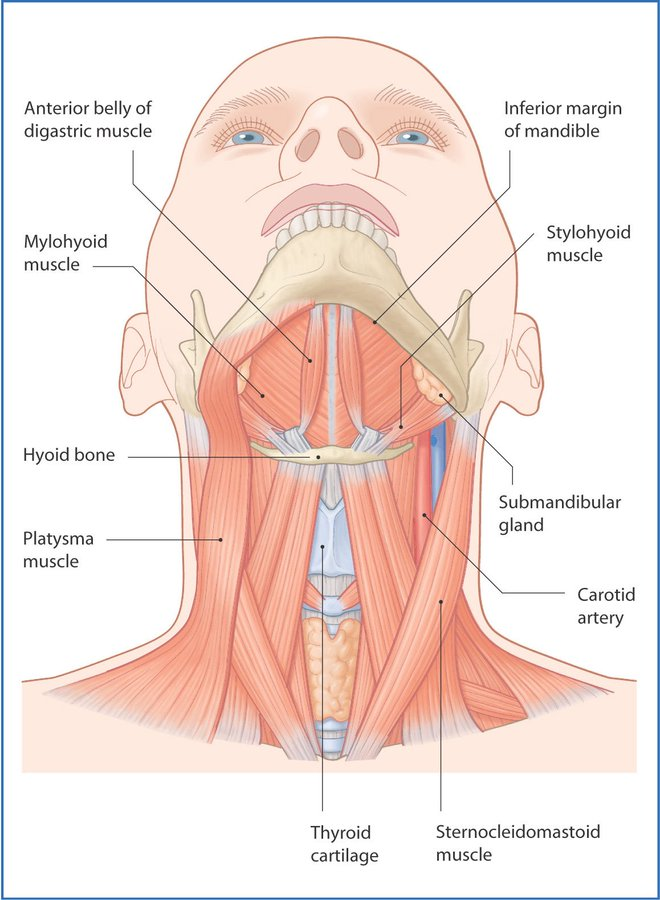
This isn’t wooo stuff, It’s somatic healing. When you combine:
✓ Physical pressure
✓ Breath
✓ Intention you give your body permission to finally let go. Tears may come. Yawns. Shivers. Peace. All normal.
The body remembers everything the mind tries to forget. You don’t need 10 years of therapy to feel whole again. Sometimes it’s as simple as touch + breath + presence.
Emotions are believed to have vibrational frequencies, though this concept bridges neuroscience, biophysics, and metaphysical models. While not directly measurable in Hertz like sound waves, emotional states correlate with measurable brain and heartwave frequencies.
🧠 Scientific Foundations
- Brainwave Frequencies (EEG): Emotions influence brainwave patterns, which are measurable in Hertz (Hz). For example:
- Delta (0.5–4 Hz): Deep sleep, unconscious states
- Theta (4–8 Hz): Deep relaxation, meditation, emotional processing
- Alpha (8–12 Hz): Calm, relaxed alertness
- Beta (12–30 Hz): Active thinking, anxiety, stress
- Gamma (30+ Hz): High-level cognition, compassion, peak focus
- Heart Rate Variability (HRV): Emotional states like gratitude and love increase HRV coherence, while fear or anger reduce it. These shifts reflect changes in autonomic nervous system tone and electromagnetic field patterns.
🌈 Emotional Vibration Models (Metaphysical/Spiritual)
- David R. Hawkins’ Scale of Consciousness: A widely cited model assigns emotions a logarithmic frequency scale (not Hz-based), e.g.:
- Shame: 20
- Fear: 100
- Courage: 200
- Love: 500
- Enlightenment: 700–1000
- Emotional Vibration Charts: These conceptual tools rank emotions from “low vibration” (e.g., guilt, grief) to “high vibration” (e.g., joy, peace). While not scientifically validated, they’re used in energy medicine and mindfulness practices to guide emotional awareness.
🔬 Can Emotions Be Measured in Hz?
- Not directly. Emotions themselves aren’t discrete waveforms, but they influence measurable physiological rhythms (brainwaves, heart rhythms, electromagnetic fields).
- EEG and HRV are the most common tools used to correlate emotional states with frequency patterns.
🧘♀️ Practical Implications
- Meditation and breathwork can shift your emotional “frequency” by increasing alpha/theta brainwaves and HRV coherence.
- Group emotions (e.g., joy at a concert or fear in a crowd) can synchronize collective physiological rhythms—a form of emotional resonance.
Articles/Studies
Smiling Alters Emotional Perceptions
Making Us Blush: Study Explores Blushing Mechanisms
Researchers investigated the neural basis of blushing using MRI scans and cheek temperature measurements. The study found that blushing activates the cerebellum and early visual areas, but not regions linked to understanding mental states. This suggests blushing may be an automatic emotional response rather than a cognitive one
Food-Induced Emotional Resonance Improves Emotion Recognition
Researchers Pinpoint 27 States of Emotion
Astrocytes, Not Neurons, Hold the Key to Emotional Memory
New research reveals that astrocytes — not neurons — are responsible for stabilizing emotional memories by re-engaging during recall. After an emotionally intense event, such as fear, specific astrocytes become biologically tagged with adrenoreceptors, making them responsive when the memory is later reactivated.
Wearable Tech Reads Human Emotions
From “Ouch” To “Wow”: The Universal Sounds of Human Emotion
AI Matches Humans in Vocal Emotion Detection
Attaining Freedom Through Emotional Agility
Sleep Deprivation’s Toll on Emotions Researchers examined over fifty years of research to highlight the profound impact of sleep loss on emotional well-being. Analyzing data from 154 studies with 5,715 participants, the research team found that sleep deprivation leads to a decrease in positive emotions and an increase in anxiety symptoms.
Fake It ‘Till You Make It? Study Finds It’s Better to Live In the Emotional Moment Smiling or hiding real emotions when feeling sad or anxious may not be as maladaptive as previously believed, study reports.
You Can Have Emotions You Don’t Feel
Emotional suppression reduces memory of negative events (https://www.sciencedaily.com/releases/2018/03/180313130632.htm)
Correct Posture – Emotional Health And Depression
Vitamin D supplementation can reduce negative emotions.
How an Emotional Hangover Changes Your Brain
Emotional breakthrough and psychedelics: Validation of the emotional breakthrough inventory.
Crying May be Good for your Health
The Best Way to Fix a Sad Mood: Whatever You Think Works Best
PSTEC free therapy to recover from emotional pain
Effect of 7, 8 - dihydroxyflavone, a small-molecule TrkB agonist, on emotional learning.
Alcohol Use Linked to Lower Connectivity in Brain Areas That Process Emotions Heavy drinkers and those at risk of alcohol use disorder show reduced communication between brain areas associated with social and emotional processing.
Children’s Ability to Manage Emotions Is Linked to That of Their Parents