Lovage
See also: Ligusticum (genus)
Videos
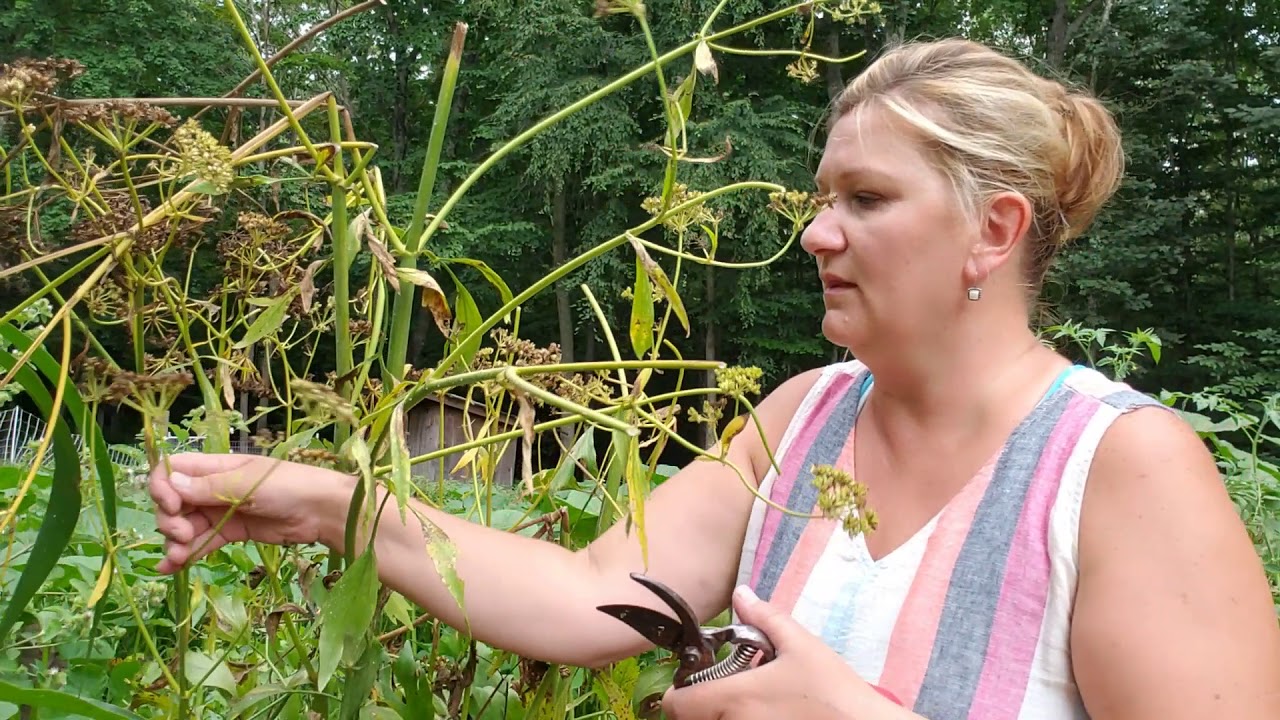
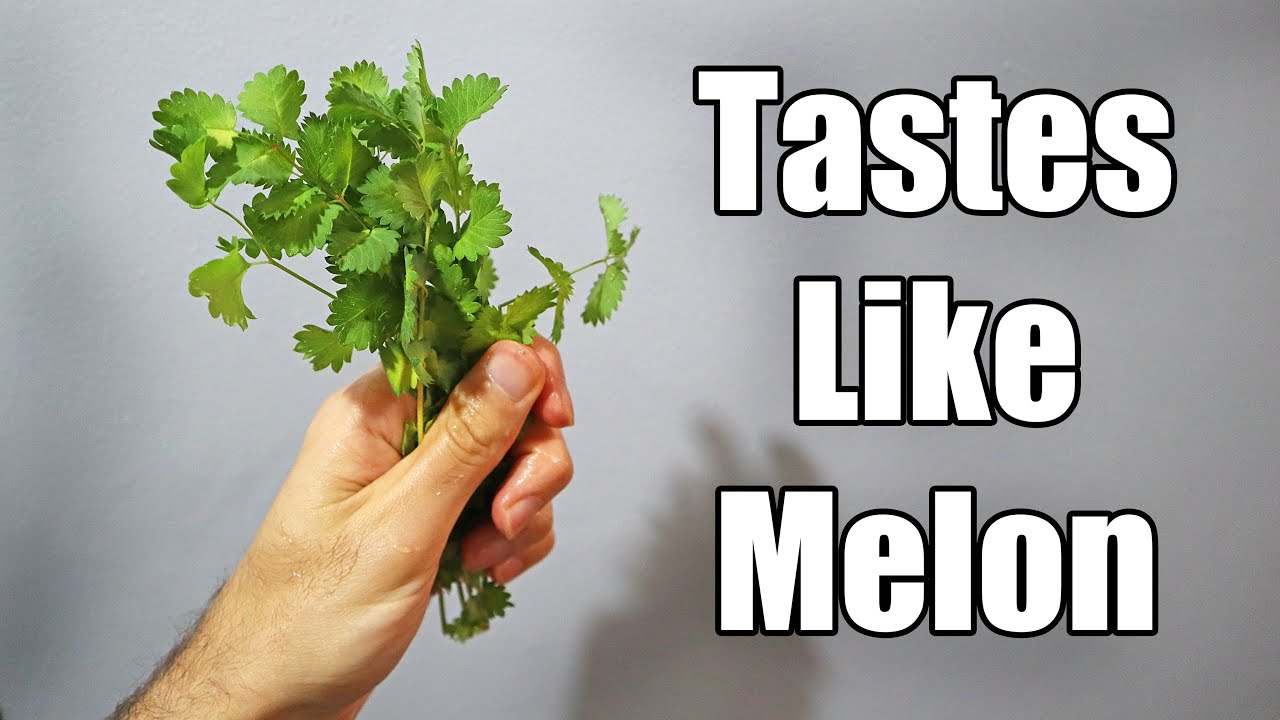
Overview
Medicinal Parts: the dried rhizome and roots, the cut, dried herb, and the dried fruit
Qualities: bitter, sweet, pungent,warm, dry, stimulating, decongesting, restoring, diluting,dissolving
Tropism: stomach, intestines, liver, uterus, kidneys, bladder
Ground: Phlegmatic krasis
Self-Reliant/Yang Ming Metal biotypes
Lymphatic/Carbonic/Blue Iris constitutions
Lovage was used by the Greeks and Romans as much for its therapeutic as for its culinary values. Galen, Dioscorides, Pliny and Apicius all mentioned it, and the Roman legions brought it to northern Europe and Britain. It is said to have grown in profusion in the Emperor Charlemagne’s gardens. St Hildegarde recommended it in the twelfth century for coughs, abdominal pains and heart problems. The School of Salerno praised its use in all liver complaints, echoed centuries later by Dr Leclerc who prescribed it for jaundice and all other liver disfunctions, as an infusion or tincture.
Constituents:
Essential oil up to 1.8%(incl. bergapten, umbelliferone,psoralen, coumarine), phthalides 50.53% (incl.butylphthalidin, sedaninolides, ligustilide),monoterpenes 12-25%,monoterpenols,volatile acids, resins, coumarins, sugars, gum, tannins, malic and angelic acid, minerals
Antimycobacterial polyacetylenes from Levisticum officinale.
Effects
Lovage has diuretic, sedative, antimicrobial, and cholinergic properties. The ligustilide-containing essential oil has an antispasmodic effect on smooth muscle. The folk use is for gastric complaints and is probably based on the specific odor caused by phthalide as well as on the bitter taste, which increases saliva and gastric secretions.
Tissue State Relevance
Lovage (Levisticum officinale, historically Ligusticum levisticum) maps cleanly onto two tissue states: Heat/Excitation and Damp/Stagnation.
Its chemistry and traditional use patterns line up with warming, moving, decongesting actions — similar to other Apiaceae aromatics — with a mild diuretic edge.
Heat / Excitation
Relevance: moderate → strong
Lovage contains volatile oils and furanocoumarins en.wikipedia.org, which correspond to warming, stimulating, circulation‑moving energetics.
Traditional use for gout, pains, depression, snake bite, and muscle pain relief gardenbeast.com suggests activation of peripheral circulation and dispersal of stuck inflammatory byproducts.
Signs it supports:
- Cold, stagnant tissues needing warmth
- Poor peripheral circulation
- Cold digestive sluggishness
- Cold pelvic congestion
Signs it aggravates:
- Existing heat, redness, irritation
- Photosensitivity (furanocoumarins) → a clear “heat‑risk” marker en.wikipedia.org
- Hot, inflamed gut or urinary tract
Damp / Stagnation
Relevance: strong
Lovage root is described as a mild aquaretic (water‑moving diuretic) en.wikipedia.org.
This places it squarely in Damp/Stagnation clearing: moving fluids, reducing boggy tissues, and relieving pelvic or urinary heaviness.
Signs it supports:
- Edema, water retention
- Boggy pelvic tissues
- Damp digestive heaviness
- Sluggish lymph
Signs it aggravates:
- Already dry constitutions (diuretic action can over‑dry)
- Atrophic tissues needing moisture rather than movement
Wind / Tension
Relevance: mild → moderate
Lovage’s aromatic Apiaceae profile (similar to celery, parsley, fennel) suggests smooth muscle relaxation and gas‑dispelling tendencies.
Traditional use for stomach complaints and exhaustion relief gardenbeast.com implies tension‑reducing, harmonizing actions.
Supports:
- GI spasm
- Tension‑related digestive discomfort
- Stress‑related shallow breathing patterns (aromatic relaxants)
Aggravates:
- Very lax tissues (could further relax tone)
Cold / Depression
Relevance: low → moderate (warming stimulant)
Lovage’s warming, aromatic nature counters cold/depressed tissue states.
Its historical use for digestive complaints and fatigue gardenbeast.com aligns with lifting cold stagnation.
Supports:
- Cold digestion
- Low appetite
- Sluggish circulation
Aggravates:
- Hot, irritated tissues
- Hyperexcitable constitutions
Dry / Atrophy
Relevance: low
As a diuretic and aromatic stimulant, lovage tends to increase dryness rather than restore moisture.
Supports:
- Damp atrophy (boggy + underfunctioning)
- Atrophy with stagnation
Aggravates:
- True dryness (dry mucosa, dry skin, dry bowels)
- Atrophic tissues needing lubrication
Summary Table
| Tissue State | Relevance | Actions | Risks |
|---|---|---|---|
| Heat / Excitation | Moderate–Strong | Warming, stimulating, circulatory | Photosensitivity, overheating |
| Damp / Stagnation | Strong | Diuretic, decongesting, moving fluids | Can over‑dry |
| Wind / Tension | Mild–Moderate | Aromatic relaxant, GI tension relief | May reduce tone |
| Cold / Depression | Moderate | Warms, activates digestion | Can aggravate heat |
| Dry / Atrophy | Low | Helps damp atrophy only | Increases dryness |
| Damp/Cold | Strong | Classic match: warming + aquaretic | None if tissues aren’t hot |
Lovage is best placed in Damp/Cold Stagnation → moving, warming, decongesting formulas.
It behaves similarly to parsley, celery seed, and mild angelica — but with stronger aromatic lift and a notable photosensitivity caution.
TCM & Western Herbal Uses
Approved by Commission E;
- Infections of the Urinary Tract
- Kidney and bladder stones
Lovage is used for irrigating therapy for inflammation of the lower urinary tract and irrigating therapy for prevention of kidney gravel.
Other folk uses include dyspepsic complaints, such as indigestion, heartburn, feelings of fullness, flatulence, and menstrual complaints.
Promote urination, drains fluid congestion and relieves edema; protects the liver, dissolves deposits and resolves toxicosis
liver & kidney fluid congestion: tiredness, nausea, water retention from waist down or in legs - EDEMA, CHRONIC NEPHROSIS, ANURIA in any condition
liver & Kidney Qi stagnation: headaches,skin rashes,constipation, fatigue METABOLIC & LIVER TOXICOSIS from diet, chemicals, drugs
PSORIASIS, rheumatism, arthritis
URINARY INFECTIONS chronic
DEPOSITORY DIATHESIS; incl. urinary stones, liver sclerosis, arteriosclerosis
Tonifies urogenital Qi, harmonizes urination and relieves incontinence; promotes menstruation and labor; increases estrogen
genitourinary damp cold (Kidney Qi deficiency with damp); frequent scanty urination, bedwetting, lumbar pain, white vaginal discharge
Physio-Medical Therapeutics, Materia Medica and Pharmacy BY T. J. LYLE, A.M.M. 1897
This plant grows on elevated grounds and its roots and seed yield a volatile oil, an aromatic, a gently stimulating, warming, antispasmodic. It is esteemed as a cough remedy and it influences the mucous membrane especially of the respiratory tract, and is useful in acute bronchitis, acute catarrh, and in that unpleasant hacking from a tickling in the throat,. It may be combined with other cough remedies as required. It leaves a warming sensation in the stomach and excites the salivary glands. In hot infusion it is a stimulating diaphoretic, antispasmodic to the nervous system, and an expectorant. It may be made into an elixir as an aromatic adjuvant for other medicines. It influences the mucous membrane and circulation generally in the relief of colds, suppressed menstruation and coughs, and as an aromatic adjuvant. Dr. F. G. Hoener reports it successful in flatus, jaundice and gravel.