Bedwetting
See also: Tone Urinary Qi, Harmonize Urination

Bedwetting, also known as nocturnal enuresis, is a common condition that affects many children and even some adults. It is characterized by involuntary urination during sleep, typically occurring at night. While it can be a source of embarrassment and concern for both children and their parents, it is important to understand that bedwetting is a normal part of development for many children and often resolves on its own.
Types of Bedwetting
There are two primary types of bedwetting:
- Primary Nocturnal Enuresis: This is when a child has never achieved consistent nighttime dryness. It is the most common form of bedwetting and is often linked to developmental factors.
- Secondary Nocturnal Enuresis: This occurs when a child or adult begins wetting the bed after having been dry for an extended period, typically six months or more. Secondary enuresis can be associated with stress, medical conditions, or other underlying issues.
Causes of Bedwetting
The exact cause of bedwetting is not always clear, but several factors may contribute to the condition:
- Genetics: Bedwetting tends to run in families. If one or both parents experienced bedwetting as children, their offspring are more likely to experience it as well.
- Bladder Development: Some children may have a smaller bladder capacity or may not yet have developed the ability to recognize a full bladder during sleep.
- Hormonal Factors: The body produces a hormone called antidiuretic hormone (ADH) that reduces urine production at night. Some children may not produce enough ADH, leading to increased urine production.
- Deep Sleep: Children who are deep sleepers may not wake up when their bladder is full.
- Stress and Anxiety: Emotional stress or anxiety can contribute to bedwetting, particularly in cases of secondary enuresis.
- Medical Conditions: Conditions such as urinary tract infections, diabetes, or sleep apnea can also lead to bedwetting.
Diagnosis and Evaluation
If bedwetting persists beyond the age of seven or if it begins suddenly after a period of dryness, it may be advisable to consult a healthcare professional. The evaluation may include:
- A thorough medical history and physical examination.
- Urinalysis to check for infections or other abnormalities.
- In some cases, additional tests such as ultrasounds or X-rays may be recommended.
Management and Treatment
While many children outgrow bedwetting without intervention, there are several strategies that can help manage and reduce the frequency of episodes:
- Behavioral Strategies: Encouraging regular bathroom visits before bedtime and limiting fluid intake in the evening can be helpful. Positive reinforcement and reward systems can also motivate children to stay dry.
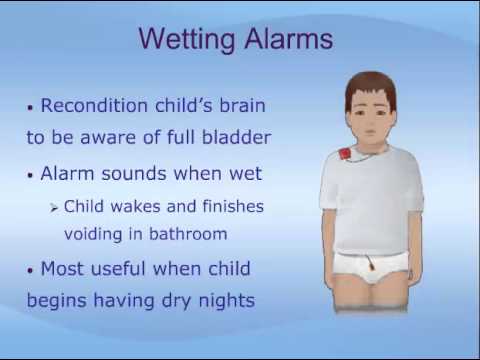
- Bedwetting Alarms: These devices detect moisture and sound an alarm to wake the child, helping them learn to respond to a full bladder.
- Medications: In some cases, medications such as desmopressin (which reduces urine production) or anticholinergics (which relax the bladder) may be prescribed.
- Counseling and Support: For children experiencing stress or anxiety, counseling can be beneficial. Support from family members is crucial in helping children cope with the emotional aspects of bedwetting.
Coping and Support
Bedwetting can be a sensitive issue, and it is important for parents and caregivers to approach the topic with understanding and support. Here are some tips for coping:
- Avoid Blame and Punishment: Bedwetting is not the child's fault, and punishment can exacerbate feelings of shame and anxiety.
- Provide Reassurance: Let the child know that bedwetting is common and that they are not alone. Reassure them that it is a temporary phase.
- Use Protective Bedding: Waterproof mattress covers and absorbent pads can help manage the practical aspects of bedwetting.
- Encourage Open Communication: Create an environment where the child feels comfortable discussing their feelings and concerns.
When to Seek Help
While bedwetting is often a normal part of childhood development, there are situations where professional help may be necessary:
- If bedwetting continues beyond the age of seven.
- If the child experiences pain or discomfort during urination.
- If there are signs of other medical conditions, such as frequent daytime urination or unusual thirst.
King recommends Broadleaf Plantain for nocturnal enuresis in children, with pale, abundant urine, irritation and relaxation of sphincter vesicae.
Drink 1 cup of cornsilk tea before bed.