IL-10 - Interleukin 10
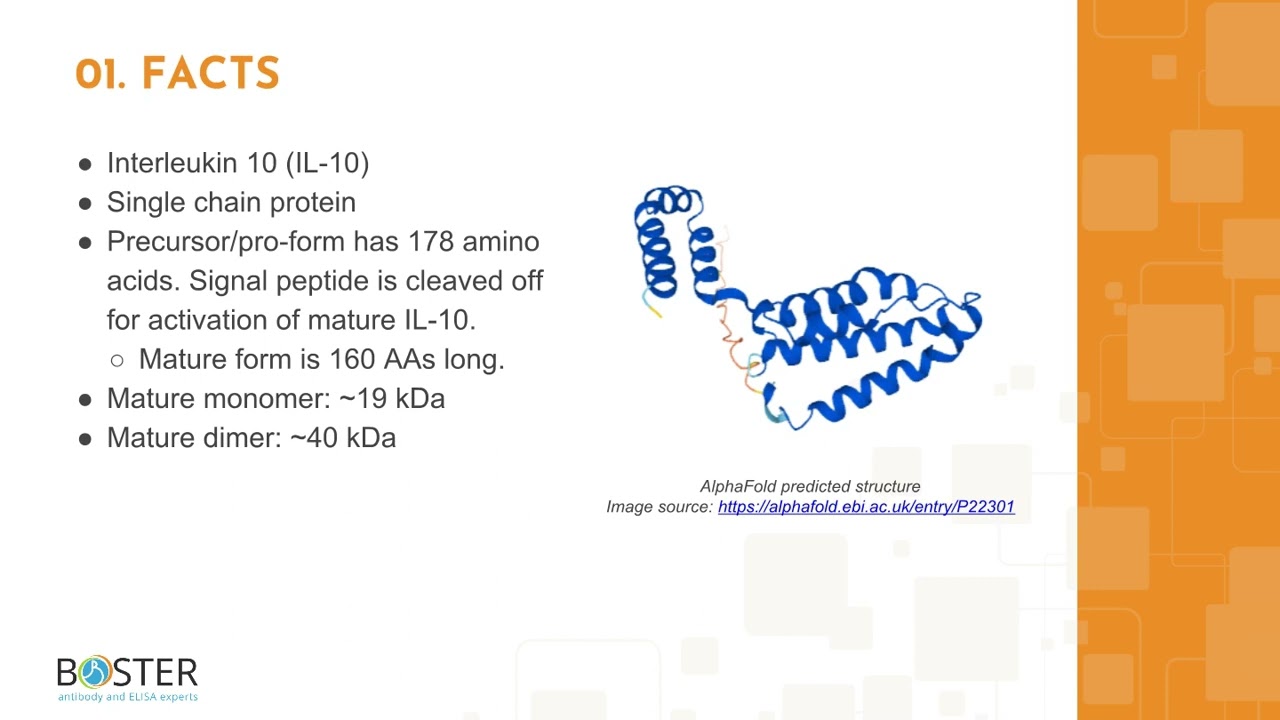

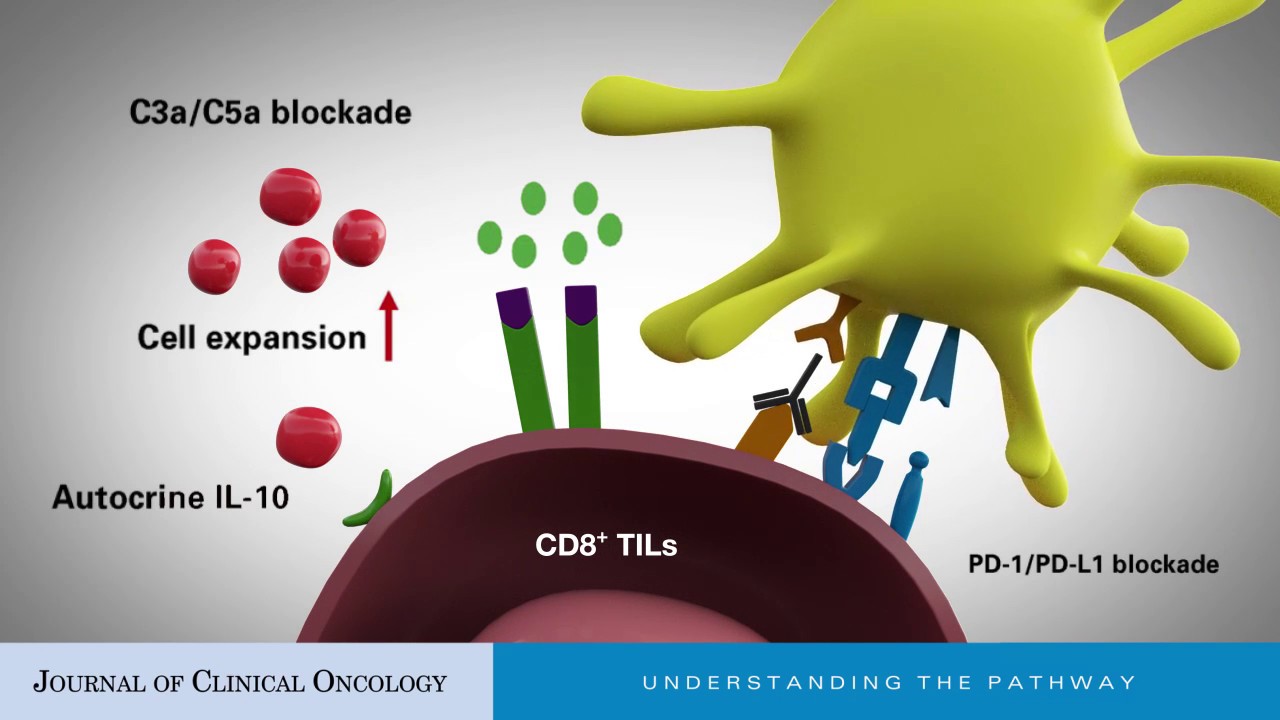
Interleukin 10 (IL-10) is a crucial cytokine with significant roles in the immune system. It is primarily known for its anti-inflammatory properties and its ability to regulate immune responses.
Structure and Production
IL-10 is a cytokine, a type of protein important in cell signaling. It is produced by a variety of cells, including T cells, B cells, macrophages, and dendritic cells. The IL-10 gene is located on chromosome 1 in humans and encodes a protein that is 178 amino acids long. The structure of IL-10 is characterized by a dimeric form, meaning it consists of two identical subunits that are linked together. This dimeric structure is essential for its biological activity.
Biological Functions
IL-10 is best known for its role in limiting immune responses and preventing damage to the host during infections. It achieves this by:
- Inhibiting Pro-inflammatory Cytokines: IL-10 suppresses the production of pro-inflammatory cytokines such as IL-1, IL-6, and TNF-alpha. This helps to reduce inflammation and tissue damage.
- Regulating Immune Cell Activity: It modulates the function of various immune cells, including macrophages and dendritic cells, to prevent excessive immune responses.
- Promoting Tolerance: IL-10 is involved in promoting immune tolerance, which is crucial for preventing autoimmune diseases where the immune system attacks the body's own tissues.
- Enhancing B Cell Survival: It supports the survival and proliferation of B cells, which are essential for antibody production.
- Promotes IgA production
Role in Disease
The balance of IL-10 production is critical for maintaining immune homeostasis. Dysregulation of IL-10 can lead to various diseases:
- Autoimmune Diseases: Insufficient IL-10 production can contribute to the development of autoimmune diseases such as rheumatoid arthritis and inflammatory bowel disease, where the immune system attacks healthy tissues.
- Infectious Diseases: While IL-10 helps control inflammation during infections, excessive IL-10 can suppress the immune response too much, leading to chronic infections.
- Cancer: IL-10 has a dual role in cancer. It can inhibit tumor growth by enhancing anti-tumor immunity, but it can also promote tumor progression by suppressing the immune response against cancer cells.
- Allergic Reactions: IL-10 can help reduce allergic responses by limiting the activity of cells involved in allergic inflammation.
Therapeutic Applications
Given its regulatory role in the immune system, IL-10 has potential therapeutic applications:
- Autoimmune Disorders: IL-10 therapy is being explored as a treatment for autoimmune diseases to help reduce inflammation and tissue damage.
- Cancer Immunotherapy: Modulating IL-10 levels could enhance the effectiveness of cancer immunotherapies by boosting the immune response against tumors.
- Chronic Infections: Adjusting IL-10 levels might help in managing chronic infections by balancing the immune response to clear the infection without causing excessive inflammation.
TH2 cells release IL-10. Inhibits Lymphotoxin-alpha.
IL-6 is the proinflammatory cytokine that stimulates IL-10, which acts to generate new cells.
In arthritis, if IL-10 increases there is less arthritis.
As far as we know, 100% of the patients who have a malfunctioning IL-10 receptor pathway will develop inflammatory bowel disease.
IL-10: The Master Regulator of Immunity to Infection
The role of IL-10 in immune regulation during M. tuberculosis infection
IL-10: Master Switch from Tumor-Promoting Inflammation to Antitumor Immunity
Acteoside promotes B cell-derived IL-10 production and ameliorates autoimmunity.
Agents to increase expression of IL-10
H1N1-infected mice have shown positive associations between anti-inflammatory cytokine IL-10 levels and vitamin E metabolism ^[R].
Agents to decrease expression of IL-10
Wogonin suppresses IL-10 production in B cells via STAT3 and ERK signaling pathway.
Gluten-Free Diet
Immunostimulatory properties of feces, which up to 50% can be represented by bacteria, were remarkably reduced as a consequence of the GFD, inducing a significantly lower production of pro-inflammatory cytokines and chemokines (TNFα, IFNγ and IL-8) and anti-inflammatory cytokines (IL-10) in PBMCs than those collected before the GFD. It seems that GFD led to a generalized reduction of bacterial-induced cytokine production as a result of the generalized reduction of the total large intestinal bacterial load, as detected in patients under a gluten-free diet. (R).The fact that the GFD led to reductions in total Bifidobacterium and B. longum numbers could also explain the reductions in the ability of fecal samples to stimulate IL-10 production, since strains of this genus and species might preferentially stimulate IL-10 secretion.