Alternate Complement Pathway
Return to Immune System Menu
The alternative pathway is activated by binding of spontaneously activated complement C3 protein (C3b fragment) to pathogen surfaces.

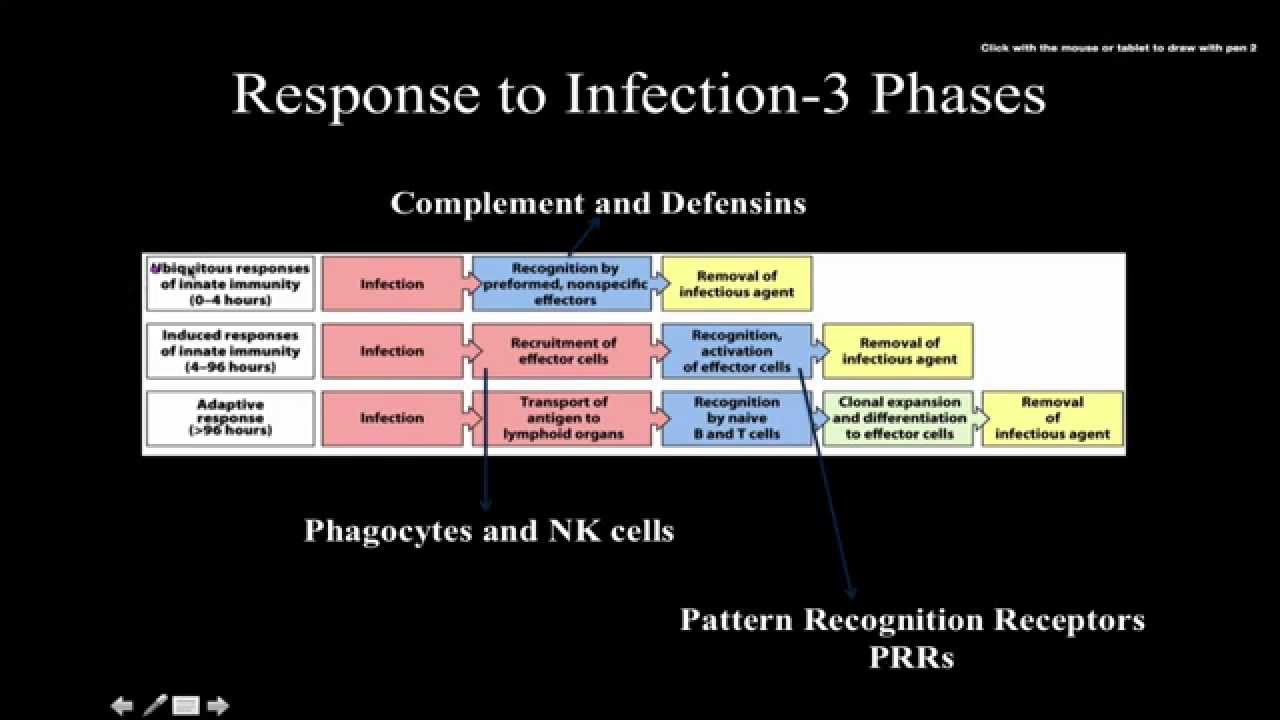
The alternate complement pathway is a crucial component of the innate immune system, providing a rapid response to pathogens without the need for antibodies. This pathway is one of the three complement pathways, alongside the classical and lectin pathways, and plays a vital role in the body's defense mechanisms.
Overview of the Complement System
The complement system is a complex network of proteins that work together to enhance the ability of antibodies and phagocytic cells to clear pathogens from an organism. It is part of the innate immune system and consists of over 30 proteins, including serum proteins, cell surface receptors, and regulatory proteins. The complement system can be activated through three distinct pathways:
- Classical Pathway: Triggered by antigen-antibody complexes.
- Lectin Pathway: Initiated by mannose-binding lectin binding to pathogen surfaces.
- Alternate Pathway: Activated spontaneously on pathogen surfaces.
Activation of the Alternate Complement Pathway
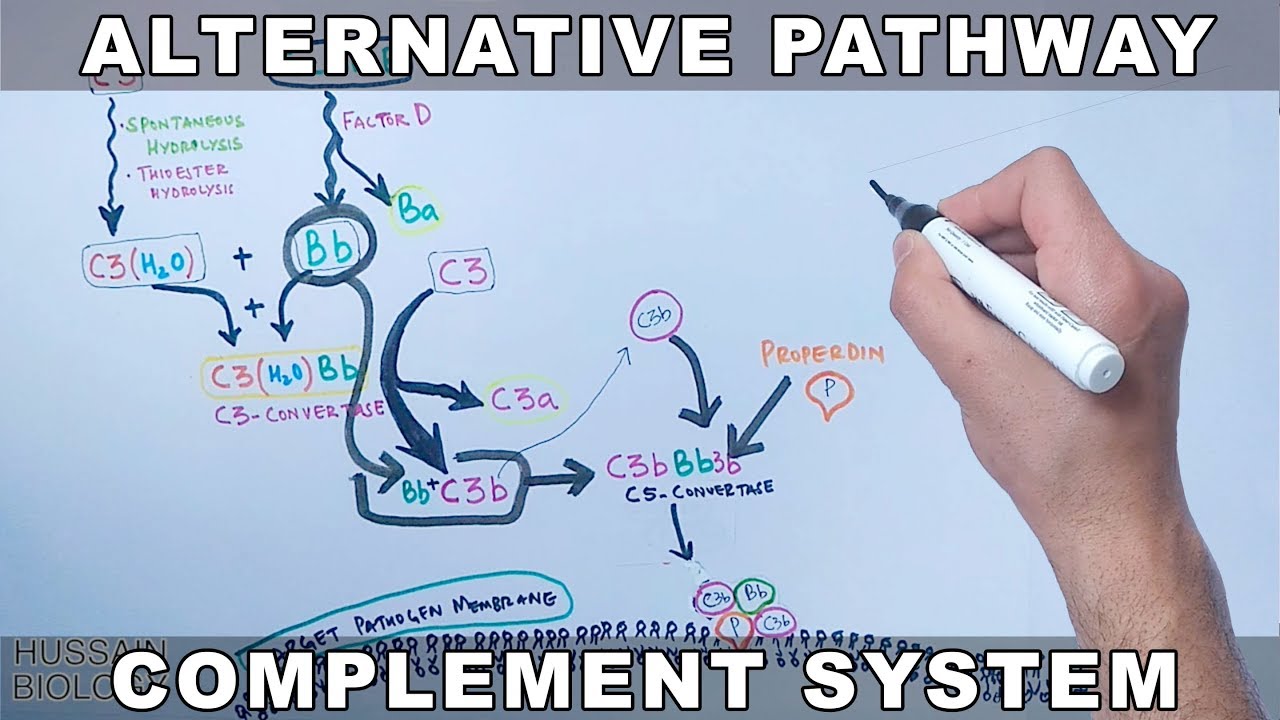
The alternate complement pathway is unique because it does not require antibodies for activation. Instead, it is continuously active at a low level, providing a rapid response to pathogens. The pathway is initiated by the spontaneous hydrolysis of the complement component C3, a process known as "tickover." This hydrolysis generates C3(H2O), which can bind to factor B, forming a complex that is cleaved by factor D to produce the C3 convertase, C3bBb.
Key Steps in the Alternate Pathway
- C3 Hydrolysis: The spontaneous hydrolysis of C3 to C3(H2O) is the initial step.
- Formation of C3 Convertase: C3(H2O) binds to factor B, which is then cleaved by factor D to form the C3 convertase, C3bBb.
- Amplification Loop: The C3 convertase cleaves additional C3 molecules, generating more C3b, which can bind to pathogen surfaces and form more C3 convertase, amplifying the response.
- Formation of C5 Convertase: C3bBb can bind another C3b to form C5 convertase, which cleaves C5 into C5a and C5b.
- Membrane Attack Complex (MAC) Formation: C5b initiates the assembly of the MAC, which creates pores in the pathogen's membrane, leading to cell lysis.
Regulation of the Alternate Pathway
The alternate complement pathway is tightly regulated to prevent damage to host tissues. Several regulatory proteins ensure that the pathway is activated only on pathogen surfaces:
- Factor H: Binds to C3b, preventing the formation of C3 convertase on host cells.
- Factor I: Cleaves C3b into inactive fragments in the presence of cofactors like factor H.
- Decay-Accelerating Factor (DAF): Disrupts the C3 convertase complex on host cells.
- Membrane Cofactor Protein (MCP): Acts as a cofactor for factor I-mediated cleavage of C3b.
Biological Functions
The alternate complement pathway serves several critical functions in the immune response:
- Opsonization: C3b binds to pathogen surfaces, marking them for phagocytosis by immune cells.
- Inflammation: C3a and C5a act as anaphylatoxins, promoting inflammation and recruiting immune cells to the site of infection.
- Pathogen Lysis: The MAC disrupts the membrane integrity of pathogens, leading to their destruction.
Clinical Relevance
Dysregulation of the alternate complement pathway can lead to various diseases. Overactivation can result in tissue damage and contribute to autoimmune diseases, while insufficient activation can increase susceptibility to infections. Some conditions associated with complement dysregulation include:
- Atypical Hemolytic Uremic Syndrome (aHUS): Caused by mutations in complement regulatory proteins, leading to excessive complement activation.
- Age-Related Macular Degeneration (AMD): Linked to genetic variations in complement factor H, affecting complement regulation in the eye.
- Paroxysmal Nocturnal Hemoglobinuria (PNH): A rare disorder where red blood cells are destroyed due to complement-mediated lysis.