Wheezing
See Asthma
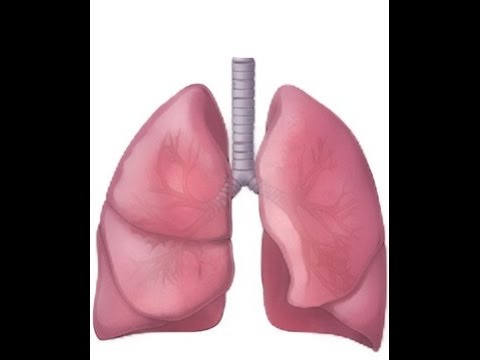
Wheezing is a high-pitched whistling sound made while breathing, often associated with difficulty in breathing. It is a common symptom that can occur in various respiratory conditions and is typically heard when exhaling, although it can also occur when inhaling. This note aims to provide a comprehensive overview of wheezing, its causes, diagnosis, and management.
Causes of Wheezing
Wheezing is caused by a narrowing or obstruction of the airways, which can result from several conditions:
- Asthma: A chronic inflammatory disease of the airways that causes wheezing, shortness of breath, chest tightness, and coughing.
- Chronic Obstructive Pulmonary Disease (COPD): A group of lung diseases, including emphysema and chronic bronchitis, that block airflow and make breathing difficult.
- Allergic Reactions: Exposure to allergens can cause the airways to swell and narrow, leading to wheezing.
- Respiratory Infections: Conditions like bronchitis or pneumonia can cause inflammation and narrowing of the airways.
- Gastroesophageal Reflux Disease (GERD): Acid reflux can irritate the airways and cause wheezing.
- Foreign Objects: Inhalation of foreign objects can block the airways and cause wheezing.
- Heart Failure: Fluid buildup in the lungs due to heart failure can lead to wheezing.
Diagnosis of Wheezing
Diagnosing the cause of wheezing involves a thorough medical history and physical examination. Healthcare providers may use several diagnostic tools:
- Pulmonary Function Tests: These tests measure how well the lungs are working and can help diagnose conditions like asthma and COPD.
- Chest X-ray or CT Scan: Imaging tests can help identify structural problems in the lungs or airways.
- Allergy Tests: Identifying specific allergens can help manage wheezing related to allergic reactions.
- Blood Tests: These can help identify infections or other underlying conditions.
- Spirometry: A common test to assess lung function by measuring the amount and speed of air a person can inhale and exhale.
Management and Treatment of Wheezing
The treatment of wheezing depends on its underlying cause. Here are some common management strategies:
- Medications:
* Bronchodilators: These medications help open the airways and make breathing easier. They are commonly used in asthma and COPD.
* Corticosteroids: These reduce inflammation in the airways and are used for conditions like asthma and severe allergic reactions.
* Antibiotics: If a bacterial infection is causing wheezing, antibiotics may be prescribed.
* Antihistamines: These can help manage wheezing related to allergies.
- Lifestyle Changes:
* Avoiding Triggers: Identifying and avoiding allergens or irritants can help prevent wheezing.
* Smoking Cessation: Quitting smoking can significantly improve respiratory health and reduce wheezing.
* Weight Management: Maintaining a healthy weight can reduce the risk of wheezing, especially in conditions like GERD.
- Breathing Exercises: Techniques such as pursed-lip breathing can help improve airflow and reduce wheezing.
- Emergency Treatment: In severe cases, such as an asthma attack, emergency treatment with oxygen therapy or intravenous medications may be necessary.
When to Seek Medical Attention
While occasional wheezing may not be a cause for concern, it is important to seek medical attention if:
- Wheezing is accompanied by difficulty breathing or shortness of breath.
- There is a sudden onset of wheezing.
- Wheezing is persistent or recurrent.
- There are additional symptoms such as chest pain, fever, or a bluish tint to the skin.