Konrad Lorenz
Konrad Lorenz was a renowned Austrian zoologist and ethologist who made significant contributions to the field of animal behavior. His pioneering work shed light on the complex behaviors exhibited by various animal species, providing valuable insights into their evolutionary origins and adaptive functions. Through his observations and experiments, Lorenz revolutionized our understanding of animal behavior and paved the way for future research in the field.
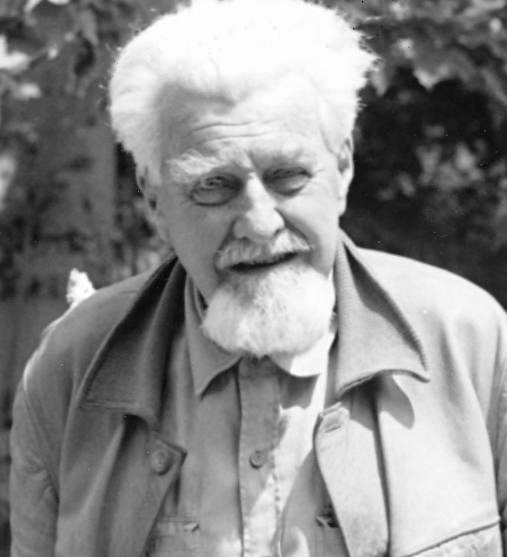
"Philosophen sind Menschen, die immer weniger über immer mehr wissen, bis sie nichts über alles wissen. Wissenschaftler sind Menschen, die immer mehr über immer weniger wissen, bis sie nichts über alles wissen."
One of the key concepts that Lorenz introduced was the idea of imprinting. Imprinting refers to the process by which young animals form strong attachments to their caregivers or other objects during a critical period early in their lives. Lorenz conducted experiments with various species, including geese and ducks, to investigate this phenomenon. His famous study involved goslings imprinted on him as their caregiver, following him around as if he were their mother. This groundbreaking research demonstrated the importance of early social interactions in shaping an animal's behavior and laid the groundwork for further exploration of attachment and bonding in animals.
Lorenz also made significant contributions to the study of aggression and territoriality in animals. He observed aggressive behaviors in a wide range of species, from birds to fish, and identified various factors that influence these behaviors. Lorenz's work emphasized the role of aggression in establishing and defending territories, as well as in competition for resources. He also explored the concept of ritualized aggression, where animals engage in symbolic displays rather than actual physical combat, reducing the risk of injury or death. These findings challenged the prevailing view that aggression was solely driven by instinct and highlighted the complex social dynamics involved in animal interactions.
In addition to his studies on imprinting and aggression, Lorenz conducted extensive research on the concept of innate releasing mechanisms (IRM). According to Lorenz, animals possess innate behavioral patterns that are triggered by specific stimuli in their environment. These stimuli, known as sign stimuli, elicit a fixed action pattern (FAP) that is characteristic of a particular behavior. Lorenz's work on IRMs and FAPs provided valuable insights into the genetic and evolutionary basis of behavior, highlighting how certain behaviors are hardwired into an animal's genetic makeup.
Lorenz's research extended beyond individual behaviors to encompass the study of social behavior in animals. He explored various aspects of social organization, including dominance hierarchies, mating systems, and parental care. His studies on greylag geese, for example, revealed the complex social structure within flocks and the role of dominant individuals in maintaining order. Lorenz's observations of animals in their natural habitats allowed him to uncover the intricate dynamics of social interactions and shed light on the evolutionary advantages of certain behaviors.
Furthermore, Lorenz's work had broader implications for understanding human behavior. He believed that many animal behaviors had parallels in human behavior, and his findings provided valuable insights into the origins of human social structures, aggression, and bonding. Lorenz's research on the innate aspects of behavior challenged the prevailing notion that all behavior is learned and emphasized the role of genetics in shaping both animal and human behavior.
In recognition of his groundbreaking contributions, Konrad Lorenz was awarded the Nobel Prize in Physiology or Medicine in 1973, jointly with Karl von Frisch and Nikolaas Tinbergen. Lorenz's work on animal behavior has had a lasting impact on the field of ethology and continues to influence our understanding of the complex behaviors exhibited by animals. His emphasis on the importance of observing animals in their natural habitats and his innovative experimental approaches have set the stage for future research in the field, inspiring generations of scientists to explore the fascinating world of animal behavior.