John Muir, Notable Events
John Muir: The Father of National Parks
John Muir, often referred to as the "Father of National Parks," and "John of the Mountains," was a pioneering naturalist, writer, and advocate for the preservation of wildlands in the United States. His profound impact on conservation efforts and his role in the establishment of national parks continue to be celebrated to this day. This note delves into the life, achievements, and legacy of John Muir.
Early Life
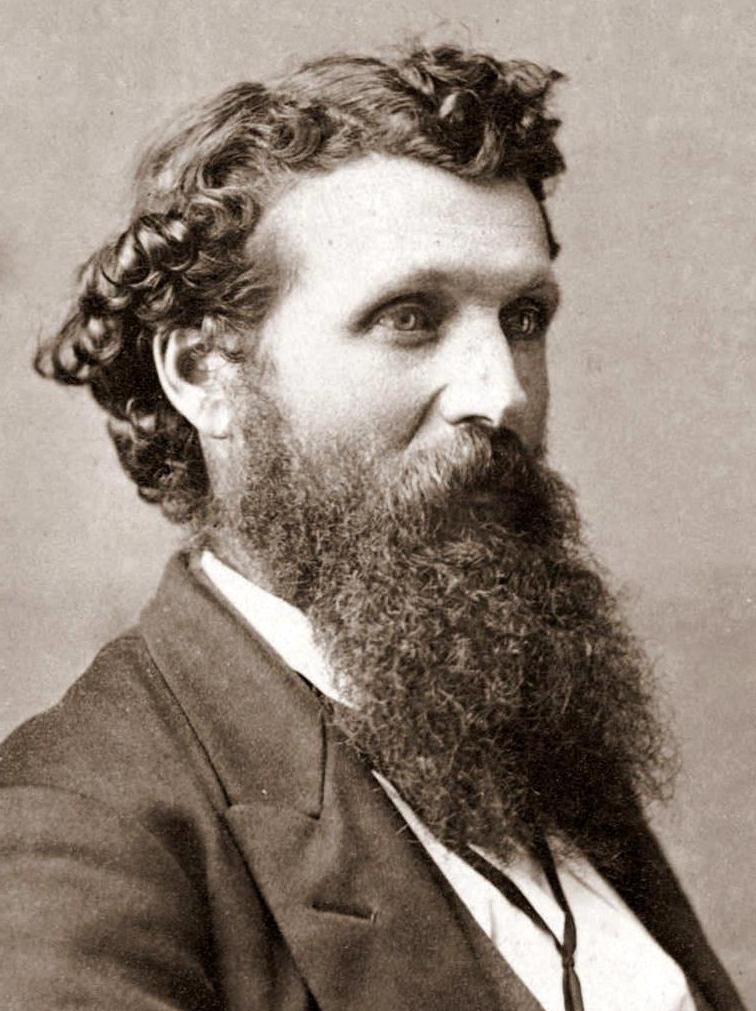
John Muir was born on April 21, 1838, in Dunbar, Scotland. His family immigrated to the United States in 1849, settling in Wisconsin. Muir's early years were marked by a deep curiosity about the natural world, which he explored through self-guided studies and hands-on experiments. He attended the University of Wisconsin-Madison but left before completing his degree, opting instead for a life of exploration and adventure.
Adventures and Discoveries
An early and influential family friend was Albert Kellogg.
In 1867, Muir embarked on a 1,000-mile walk from Indiana to the Gulf of Mexico, an experience that profoundly shaped his views on nature. His journey continued as he traveled to California in 1868, where he found his true calling in the Sierra Nevada mountains. Muir spent countless days exploring, documenting, and studying the region's flora, fauna, and geology. His writings from these experiences were published in various magazines and journals, bringing his love for the wilderness to a broader audience.
Advocacy and Conservation Efforts
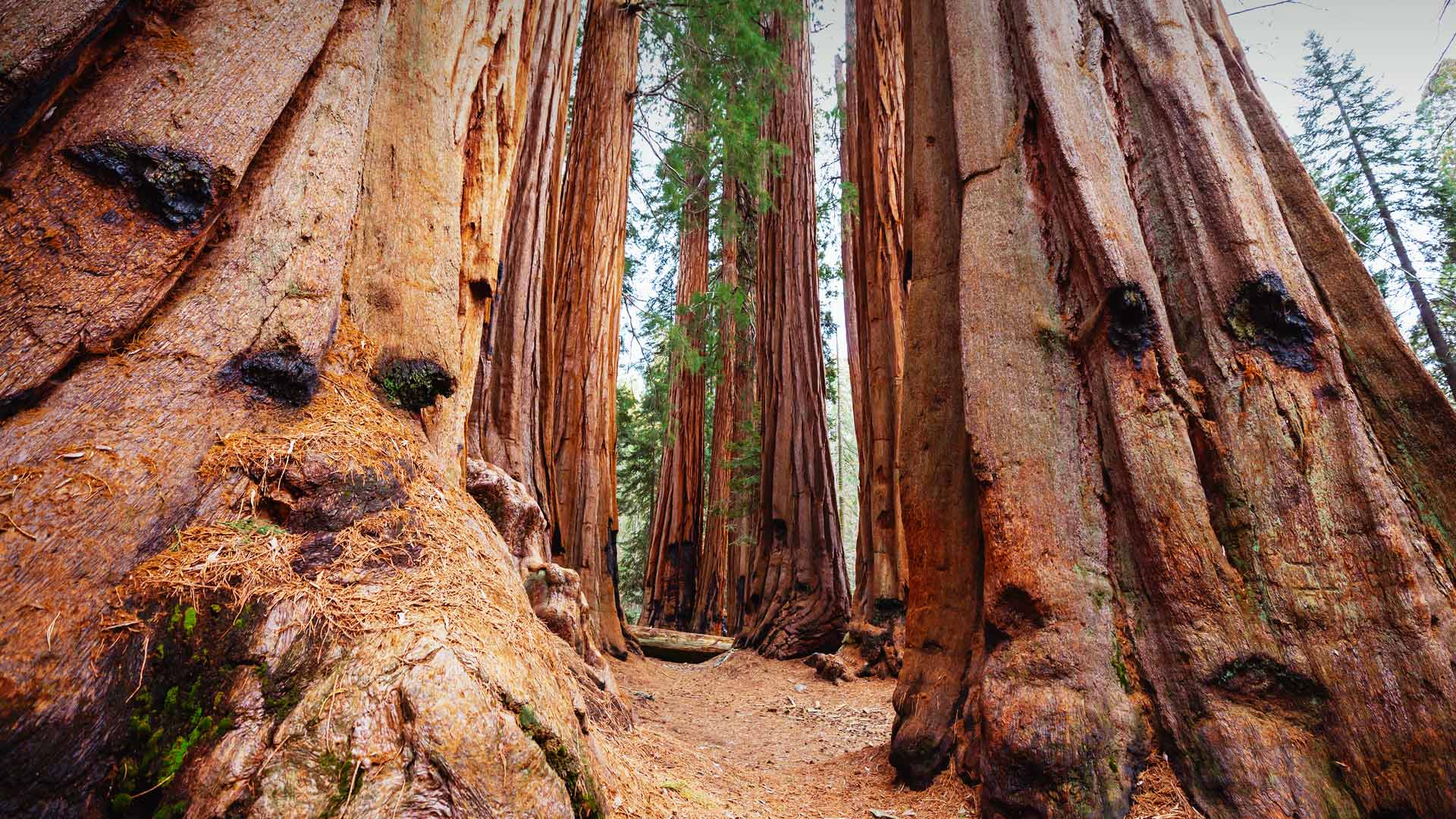
Muir's passion for nature led to his active involvement in conservation efforts. He was a key figure in the establishment of Yosemite National Park in 1890, using his influence to advocate for the protection of the area from commercial exploitation. Muir's efforts were instrumental in the preservation of Sequoia, Mount Rainier, Petrified Forest, and Grand Canyon National Parks as well.
In 1892, Muir co-founded the Sierra Club, an organization dedicated to the conservation of the environment. The Sierra Club played a crucial role in the protection of natural areas and continues to be a leading environmental organization today. Muir served as the club's first president and used his platform to further the cause of conservation.
Literary Contributions
John Muir was not only a naturalist but also a prolific writer. His books and essays are celebrated for their eloquent descriptions of nature and their persuasive arguments for conservation. Some of his most notable works include:
- The Mountains of California (1894)
- Our National Parks (1901)
- My First Summer in the Sierra (1911)
- The Yosemite (1912)
- Travels in Alaska (1915)
Muir’s writings continue to inspire readers with their vivid portrayals of the natural world and their impassioned calls to preserve it.
Legacy
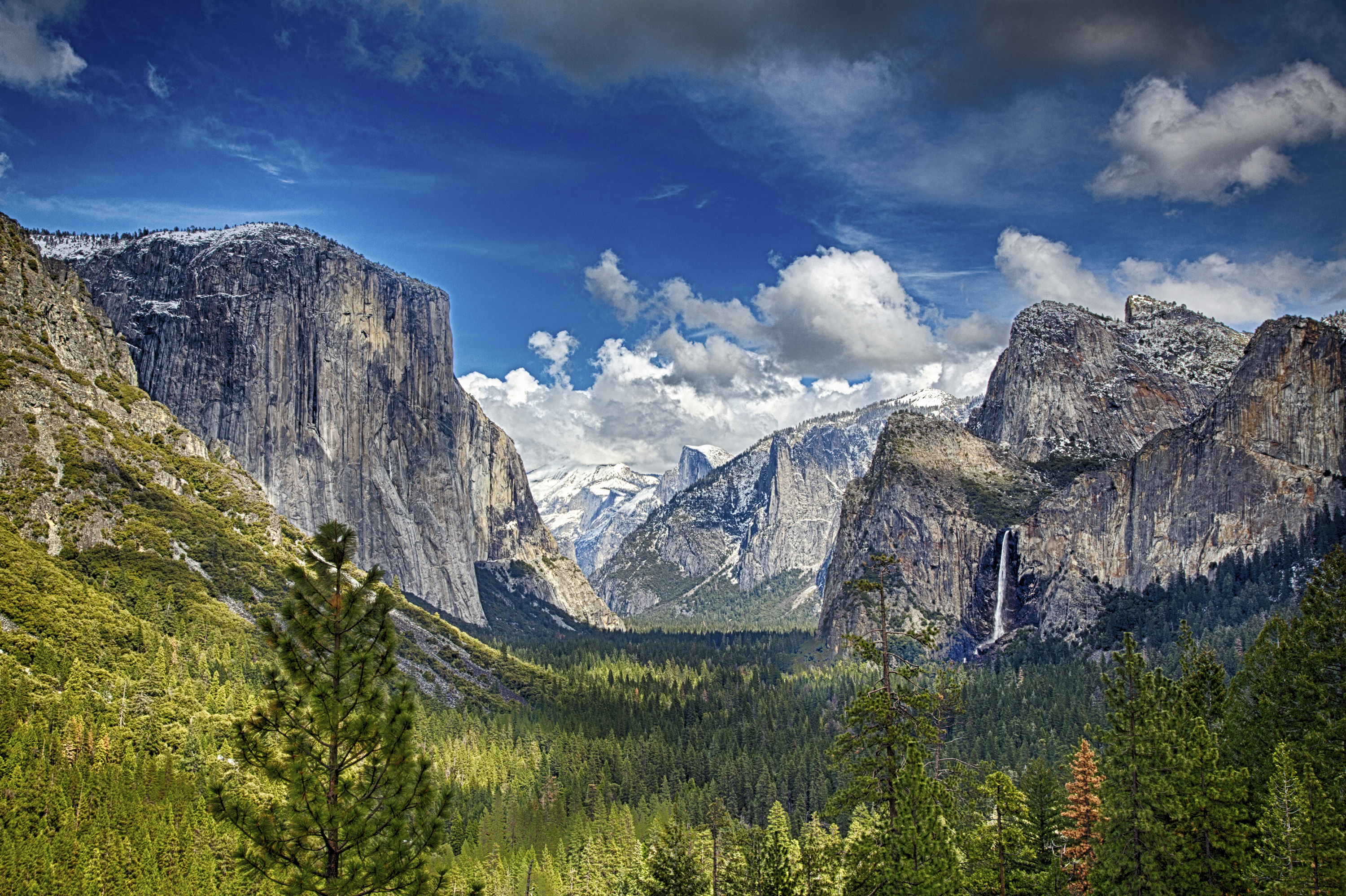
John Muir's legacy is vast and enduring. His efforts in conservation have left an indelible mark on the American landscape and the environmental movement. Several landmarks are named in his honor, including the Muir Woods National Monument, the John Muir Trail, and the John Muir Wilderness.
Muir's influence extends beyond the United States. His writings have inspired conservation efforts worldwide, and his philosophy of nature's intrinsic value continues to resonate with environmentalists globally. The principles he championed are foundational to the modern conservation movement and have been integral in shaping policies and attitudes toward environmental preservation.
Conclusion
John Muir's life was a testament to the power of passion and perseverance in the face of environmental challenges. His dedication to exploring, understanding, and protecting the natural world has left a legacy that continues to inspire and guide conservation efforts. As the "Father of National Parks," Muir's vision for preserving the beauty and sanctity of wildlands remains a guiding light for future generations committed to environmental stewardship.
"In every walk with nature, one receives far more than he seeks." - John Muir