DEKLEVA
---
SEE ZELDIN
SEE NANCY BECK
---
Pesticide use and cancer risk rise together across America’s heartland - Investigate Midwest
...
The Trump administration has employed several pesticide executives, researchers and lobbyists at the EPA and the U.S. Department of Agriculture.
Kyle Kunker, who was a registered lobbyist for the American Soybean Association, an organization that has advocated for the legal liability shield laws at the state level, was hired last year to oversee pesticide policy at the EPA.
Three weeks later, the EPA recommended expanded use of dicamba-based herbicides, which federal courts had previously restricted. The EPA proposal was closely aligned with the position of the American Soybean Association.
In 2025, the EPA also hired Nancy Beck and Lynn Ann Dekleva, both of whom worked with the American Chemistry Council.
Last month, a coalition of MAHA supporters called for the removal of Lee Zeldin, administrator of the EPA.
Lee Zeldin, administrator of the Environmental Protection Agency, testifies during his Senate Environment and Public Works confirmation hearing on Jan. 16, 2025. photo by Tom Williams, CQ Roll Call via AP Images
---
SWAMP THING REV DOOR 1ST TERM
no lnx
Trump Stocks E.P.A. With Oil, Gas and Chemical Lobbyists
Top political appointees are already at the E.P.A. preparing to erase the agency’s climate rules and pollution controls. Many of them have tried it before.
/The New York Times
By Lisa FriedmanHiroko Tabuchi and Coral Davenport
Jan. 25, 2025
President Trump is stocking the Environmental Protection Agency with officials who have served as lawyers and lobbyists for the oil and chemical industries, many of whom worked in his first administration to weaken climate and pollution protections.
Lee Zeldin, Mr. Trump’s choice to lead the E.P.A., has little experience with environmental policy. He will be expected to hit the ground running, though, to fulfill Mr. Trump’s fire hose of orders directing the agency to cut regulations.
Mr. Zeldin’s Senate confirmation vote has not yet been scheduled but he has already marshaled more than a dozen deputies and senior advisers. The quick appointments are in contrast to Mr. Trump’s first term, when many Republicans hesitated to join the administration and internal squabbling delayed the selection of the deputy administrator as well as the chief air pollution regulator for nearly a year. Some appointees have already moved into their offices.
Top appointees include David Fotouhi, Mr. Zeldin’s second-in-command, a lawyer who recently challenged a ban on asbestos; Alex Dominguez, a former oil lobbyist who will work on automobile emissions; and Aaron Szabo, a lobbyist for both the oil and chemical industries who is expected to be the top air pollution regulator.
The division of E.P.A. that evaluates the safety of new chemicals now includes Nancy Beck, a longtime chemical-industry lobbyist, and Lynn Ann Dekleva, who has been working for the American Chemistry Council, a trade group. Both are veterans of the first Trump term.
“It’s alarming to see former industry lobbyists and attorneys who, until recently, were paid by their clients to weaken pollution standards, nominated to high-ranking positions at E.P.A. where they will have the power to undermine regulations meant to protect the public from these same industries,” said Jen Duggan, executive director of the Environmental Integrity Project, a watchdog group.
Image
An aerial view of the E.P.A. building in downtown Washington, D.C.
E.P.A.’s headquarters in Washington. Mr. Trump’s first E.P.A. had a reputation for being sloppy, leading to cases being overturned or thrown out of court.Credit...Eric Lee/The New York Times
Molly Vaseliou, an E.P.A. spokeswoman, said the agency was “putting together a leadership team composed of some of the brightest experts and legal minds” and all would “uphold E.P.A.’s mission to protect human health and the environment.”
“President Trump advanced conservation and environmental stewardship in his first term and the E.P.A. will continue this legacy in his second term,” she said.
To be deputy administrator, Mr. Fotouhi must be confirmed by the Senate. Most of the other political appointees that have been named so far, including Ms. Beck, are entering E.P.A. as advisers or other positions that do not require confirmation.
The speed in assembling the E.P.A. team isn’t the only difference between the first and second Trump terms. Regulatory attorneys say the new team has more experience. Mr. Trump’s first E.P.A. had a reputation for being sloppy, leading to dozens of cases being overturned or thrown out by the courts.
“This group is arriving with more expertise in deploying the machinery of the agency, including to unravel regulations from the prior administration,” said Kyle Danish, a partner at Van Ness Feldman, a Washington law firm that advises energy clients. “They all look like they graduated one level from what they did in the first Trump administration.”
Mr. Zeldin’s deputy, the Harvard-educated lawyer David Fotouhi, left corporate practice in 2017 to join the E.P.A. during the first Trump administration. He rose to acting general counsel and became a central figure in Mr. Trump’s efforts to weaken or delete dozens of regulations that were designed to protect air and water from pollution.
:
David Fotouhi, shown speaking during a Federalist Society event from 2022 posted on YouTube, will be Mr. Zeldin’s second-in-command.Credit...via YouTube
Mr. Fotouhi has a long record of representing polluters against the E.P.A. and other regulatory agencies. Last year, he challenged the E.P.A.’s ban of asbestos, arguing on behalf of automakers that the E.P.A. had failed to demonstrate that asbestos presented an unreasonable risk of injury. Under Mr. Biden, the United States joined 55 other countries that have banned asbestos, which is known to cause lung cancer, mesothelioma, ovarian cancer and laryngeal cancer.
Mr. Fotouhi has defended industrial plants accused by the E.P.A. of violating the Clean Air Act and toxic-chemicals rules, and helped corporations repel proposed regulations. He represented a major operator of coal-burning power plants challenging rules to prevent toxic coal ash from contaminating groundwater.
And in 2021, he represented a paper-mill company in a lawsuit brought by Maine landowners whose land was contaminated with “forever chemicals,” also known as per- and polyfluoroalkyl substances or PFAS, linked to cancer and other diseases.
“It was the typical corporate defense,” said Elizabeth Bailey, an environmental attorney who represented the plaintiffs. “Which is: You can’t prove that it’s us.”
Mr. Dominguez, the former oil lobbyist, is now a deputy assistant administrator who will serve as a point person for one of Mr. Trump’s highest priorities, canceling the largest climate regulation in history, designed by the Biden administration to cut the automobile pollution that is heating the planet. Under that rule, more than half the new passenger vehicles sold in the United States would have to be zero emissions by 2032.
Attempts during by the first Trump administration to weaken tailpipe pollution limits were mired in legal and logistical errors and delays. Mr. Dominguez, a veteran of that effort, is expected to be better prepared this time.
Between Trump administrations, Mr. Dominguez worked for the American Petroleum Institute, which represents the oil and gas industry. The group delivered a detailed wish list to Mr. Trump, topped by the rollback of the tailpipe pollution rules. Oil companies oppose the rules because the transition to electric vehicles would hurt demand for gasoline.
Abigale Tardif is returning to the E.P.A. air pollution office after serving there in the first Trump administration. She has worked as a policy analyst for Americans for Prosperity, part of the conservative network of groups founded by the billionaire industrialist Koch brothers. She has also lobbied for Marathon Petroleum Corporation and the American Fuel and Petrochemical Manufacturers, a major industry lobbying group.
Last summer, that group launched what it described as a “seven figure” campaign of advertising, phone calls and text messages against the tailpipe rule, which it falsely called “Biden’s E.P.A. car ban.”
Image
A woman with dark hair and glasses, dressed in a black blazer and black and white polka dot top sits at a table in a hearing room.
:
Nancy Beck led an effort against chemical regulations in the first Trump administration.Credit...Justin T. Gellerson for The New York Times
Dr. Beck, a former senior director with the American Chemistry Council, is now a senior E.P.A. adviser on chemical safety and pollution. She led a wide-ranging pushback against chemical regulations during the first Trump administration, as well as what a subsequent investigation described as political interference in agency science and policymaking.
Dr. Beck rewrote rules that made it harder to track the health consequences of a “forever chemical” linked to cancer, and therefore to regulate it. She also helped soften limits on asbestos and methylene chloride, a harmful chemical found in paint thinners.
Dr. Dekleva, also a former senior figure at the chemical industry trade group and another veteran of the first Trump term, is returning to the E.P.A. to regulate new chemicals. She worked for more than three decades at DuPont, the chemicals giant. Recent reports by the E.P.A.’s Office of Inspector General said that, under Dr. Dekleva, employees were pushed to approve new chemicals and were retaliated against if they raised concerns.
Dr. Beck and Dr. Dekleva did not respond to requests for comment.
Mr. AARON Szabo was named as a senior adviser to the administrator but he is expected to become the agency’s top air pollution regulator, according to three people with knowledge of the decision who spoke on the condition of anonymity because they were not authorized to discuss it publicly. He has lobbied on behalf of the American Chemistry Council, the American Fuel & Petrochemical Manufacturers association and the American Petroleum Institute, records show.
Mr. Szabo also is a government veteran, having worked in the White House Office of Management and Budget and as a senior counsel for the White House Council on Environmental Quality during Mr. Trump’s first term.
“They understand the policies well, they understand the agency well, which puts them far ahead of where they were eight years ago,” said Dimitri Karakitsos, a Republican energy and chemicals lobbyist.
Lisa Friedman is a Times reporter who writes about how governments are addressing climate change and the effects of those policies on communities.
Hiroko Tabuchi covers pollution and the environment for The Times. She has been a journalist for more than 20 years in Tokyo and New York.
Coral Davenport covers energy and environment policy, with a focus on climate change, for The Times.
A version of this article appears in print on Jan. 26, 2025, Section A, Page 22 of the New York edition with the headline: Trump Fills E.P.A. Posts With Energy Lobbyists. Order Reprints |
---
LI
Lynn Ann Dekleva, Ph.D. - American Chemistry Council | LinkedIn
Experienced Regulatory Expert and Technical Program Manager

Drexel University
Hockessin, Delaware, United States Contact info
- 294 connections
About
Experienced Regulatory Professional and Technical Program Manager with demonstrated ability to lead business, technical and regulatory programs. Results oriented leader that works effectively with multidisciplinary and diverse teams to drive successful outcomes. Demonstrated ability to define and implement processes and procedures to increase productivity and reduce organization energy. Recognized expert of the U.S. regulatory process with the ability to interpret complex regulations and design a strategic compliance plan to promote innovation while protecting human health and the environment.Experienced Regulatory Professional and Technical Program Manager with demonstrated ability to lead business, technical and regulatory programs. Results oriented leader that works effectively with multidisciplinary and diverse teams to drive successful outcomes. Demonstrated ability to define and implement processes and procedures to increase productivity and reduce organization energy. Recognized expert of the U.S. regulatory process with the ability to interpret complex regulations and design a strategic compliance plan to promote innovation while protecting human health and the environment.…see more
Activity}:
315 followers315 followers
Loaded 3 Comments posts
- Lynn Ann Dekleva, Ph.D.** commented on a post • 2mo2moWow that is so great
- Lynn Ann Dekleva, Ph.D.** commented on a post • 2mo2moCongratulations Kaisha!
- Lynn Ann Dekleva, Ph.D.** commented on a post • 3mo3moCongratulations Kathy!
ExperienceExperience

- Responsible for developing and implementing overall goals and objectives for chemical panels and consortium including identification of priority issues, defining policy positions, executing advocacy strategy and establishment and management of annual budgets. Accountable for technical oversight and execution of testing programs to successfully fulfill the requirements of TSCA test orders. Developed and implemented a strategic technical approach that challenged the testing requirements for TSCA test orders, an approach which resulted in EPA extinguishing or revoking multiple Test Orders. Monitored and assessed TSCA Section 4, Section 5 and Section 6 rulemakings and EPA policies to assess and minimize the impacts for members including those associated with the ban, restriction or regulation of new and existing chemicals. Launched a joint workgroup with an external trade associate to address the upcoming release of an Integrated Risk Information System (IRIS) assessment and potential prioritization for a TSCA risk evaluation. Created a tool that tracks the EPA’s progress in the new chemicals program that included interactive visualizations and analysis highlighting the overall number of new chemicals under TSCA review within the 90 day review period, the submissions under review for greater than 90-days, and the number of premanufacture notices (PMNs) and TSCA Section 5 exemptions submissions and completions on a monthly basis.Responsible for developing and implementing overall goals and objectives for chemical panels and consortium including identification of priority issues, defining policy positions, executing advocacy strategy and establishment and management of annual budgets. Accountable for technical oversight and execution of testing programs to successfully fulfill the requirements of TSCA test orders. Developed and implemented a strategic technical approach that challenged the testing requirements for TSCA test orders, an approach which resulted in EPA extinguishing or revoking multiple Test Orders. Monitored and assessed TSCA Section 4, Section 5 and Section 6 rulemakings and EPA policies to assess and minimize the impacts for members including those associated with the ban, restriction or regulation of new and existing chemicals. Launched a joint workgroup with an external trade associate to address the upcoming release of an Integrated Risk Information System (IRIS) assessment and potential prioritization for a TSCA risk evaluation. Created a tool that tracks the EPA’s progress in the new chemicals program that included interactive visualizations and analysis highlighting the overall number of new chemicals under TSCA review within the 90 day review period, the submissions under review for greater than 90-days, and the number of premanufacture notices (PMNs) and TSCA Section 5 exemptions submissions and completions on a monthly basis.…see more
- United States Environmental Protection Agency
- Established strategies for effective implementation of the pollution prevention, pesticides and toxics substances programs, developed policies for assessment and control of pesticides and chemical substances, and established overall program goals, objectives, and approaches to drive improvements in performance, productivity and transparency. Engaged external stakeholders, including Non-Government Organizations, Private Industry, Academia and the General Public, on issues regarding the implementation of the Lautenberg Chemical Safety Act. Provided program management and support for rule development for the Office of Pollution Prevention and Toxics New and Existing Chemicals Programs. Monitored the performance of the new chemical review process and drive to a 90-day review period for at least 80% of the submissions. Analyzed performance metrics and implemented new programs, procedures and processes to improve tracking, reporting and automation. Briefed the Administrator, Congressional Leadership, and Private Industry Stakeholders on agency restructuring, pesticide registrations, COVID relief and program innovations.Established strategies for effective implementation of the pollution prevention, pesticides and toxics substances programs, developed policies for assessment and control of pesticides and chemical substances, and established overall program goals, objectives, and approaches to drive improvements in performance, productivity and transparency. Engaged external stakeholders, including Non-Government Organizations, Private Industry, Academia and the General Public, on issues regarding the implementation of the Lautenberg Chemical Safety Act. Provided program management and support for rule development for the Office of Pollution Prevention and Toxics New and Existing Chemicals Programs. Monitored the performance of the new chemical review process and drive to a 90-day review period for at least 80% of the submissions. Analyzed performance metrics and implemented new programs, procedures and processes to improve tracking, reporting and automation. Briefed the Administrator, Congressional Leadership, and Private Industry Stakeholders on agency restructuring, pesticide registrations, COVID relief and program innovations.…see more
- Science AdvisorScience Advisor Oct 2018 - Aug 2019 · 11 mosOct 2018 to Aug 2019 · 11 mos
- Provided oversight of the New Chemicals Review Program, development and implementation of improvements in procedures and processes, and refinement of tools to facilitate tracking of submission. Accountable for employment of lean techniques to decrease cycle time, eliminate rework, and improve quality; determining base-line performance metrics; establishing project goals, key milestones and timelines; training of team members; implementing tracking protocols and monthly reporting of metrics. Provided oversight of the New Chemicals Review Program, development and implementation of improvements in procedures and processes, and refinement of tools to facilitate tracking of submission. Accountable for employment of lean techniques to decrease cycle time, eliminate rework, and improve quality; determining base-line performance metrics; establishing project goals, key milestones and timelines; training of team members; implementing tracking protocols and monthly reporting of metrics. …see more

DuPontDuPont 8 yrs 1 mo8 yrs 1 moWilmington, DelawareWilmington, Delaware
- :{Developed and implemented the Corporate Lautenberg Chemical Safety Act (LCSA) Program to evaluate the new statutory requirements, develop compliance processes and procedures, identify key risk areas, and establish mitigation plans for the corporation. Responsible for leading the Pre-Manufacturing Notices, management of TSCA professionals, and engagements with the agency to negotiate regulatory actions, and pre-commercialization testing requirements. Standardized Section 5 exemption evaluation and documentation, refined Corporate reporting procedures for CDR and Inventory Reset, developed and delivered TSCA training to leveraged and business employees, and drove improvements to increase productivity in the organization. Acting Corporate representative for industry associations and consortiums, EPA engagements and negotiations, and technical resource for government affairs division.Developed and implemented the Corporate Lautenberg Chemical Safety Act (LCSA) Program to evaluate the new statutory requirements, develop compliance processes and procedures, identify key risk areas, and establish mitigation plans for the corporation.
- Responsible for leading the Pre-Manufacturing Notices, management of TSCA professionals, and engagements with the agency to negotiate regulatory actions, and pre-commercialization testing requirements. Standardized Section 5 exemption evaluation and documentation, refined Corporate reporting procedures for CDR and Inventory Reset, developed and delivered TSCA training to leveraged and business employees, and drove improvements to increase productivity in the organization. Acting Corporate representative for industry associations and consortiums, EPA engagements and negotiations, and technical resource for government affairs division.…see more}:
- Program Manager (Product Stewardship & Regulatory Senior Consultant)Program Manager (Product Stewardship & Regulatory Senior Consultant) Sep 2015 - Oct 2016 · 1 yr 2 mosSep 2015 to Oct 2016 · 1 yr 2 mos
- As program lead of the Corporate Chemical Data Reporting (CDR), identified and implemented process and productivity improvements to simplify volume and processing and use data collection and validation, review of manufacturing processes to identify chemical intermediates and ensure 100% compliance with reporting requirements.
As program lead of the Corporate Chemical Data Reporting (CDR), identified and implemented process and productivity improvements to simplify volume and processing and use data collection and validation, review of manufacturing processes to identify chemical intermediates and ensure 100% compliance with reporting requirements. …see more
- Established procedures and implemented process improvements to the Corporate Program to ensure compliance with the EPA's Chemical Data Reporting (CDR) requirements. Facilitated improvements in data collection and reporting protocols for US based manufacturing facilities and business units and upgraded electronic reporting tool.Established procedures and implemented process improvements to the Corporate Program to ensure compliance with the EPA's Chemical Data Reporting (CDR) requirements. Facilitated improvements in data collection and reporting protocols for US based manufacturing facilities and business units and upgraded electronic reporting tool.…see more

DuPontDuPont 24 yrs 1 mo24 yrs 1 mo
- :{Responsible for Top Line Growth Programs which identified and implemented processes to improve cash flow and evaluate new business opportunities producing a combined benefit in excess of $6 MM. Programs reduced past due invoices resulting in a cash flow improvement, increased revenue in targeted price adjustments and pricing adjustments to capture transportation costs, eliminated an underperforming business, upgraded a financial model using transactional data to calculate reliable variable margins, established baseline technical information required for plant design for a commercial proposal (FEL1), and outlined critical design requirements, market segment information, key market drivers and competitors, and developed project timeline and revenue projections for a new commercial application.
- Responsible for Top Line Growth Programs which identified and implemented processes to improve cash flow and evaluate new business opportunities producing a combined benefit in excess of $6 MM. Programs reduced past due invoices resulting in a cash flow improvement, increased revenue in targeted price adjustments and pricing adjustments to capture transportation costs, eliminated an underperforming business, upgraded a financial model using transactional data to calculate reliable variable margins, established baseline technical information required for plant design for a commercial proposal (FEL1), and outlined critical design requirements, market segment information, key market drivers and competitors, and developed project timeline and revenue projections for a new commercial application.…see more}:
- :{Technical assignments included leadership and technical roles supporting evaluation, development and validation of novel technologies targeting new product offerings for the Clean Technologies organization. Responsibilities included development and validation of a novel phosphonate removal technology resulting in a commercially funded engineering study and treatment proposal, interactions with the regulatory agencies (EPA, CDC, DNREC and NJDEP) and Engineering contractors (Carmegan) for the US Army, technical and market evaluations of growth opportunities, and development of business propositions for in‐house and co‐development of point source treatment and enhanced biocatalyst offerings.
- Technical assignments included leadership and technical roles supporting evaluation, development and validation of novel technologies targeting new product offerings for the Clean Technologies organization. Responsibilities included development and validation of a novel phosphonate removal technology resulting in a commercially funded engineering study and treatment proposal, interactions with the regulatory agencies (EPA, CDC, DNREC and NJDEP) and Engineering contractors (Carmegan) for the US Army, technical and market evaluations of growth opportunities, and development of business propositions for in‐house and co‐development of point source treatment and enhanced biocatalyst offerings.…see more}:
- EngineerEngineer 1986 - 2005 · 19 yrs1986 to 2005 · 19 yrsWilmington, DelwareWilmington, Delware
- Positions included a variety of technical assignments in Engineering and Central Research &Development supporting DuPont’s Biomedical, Bioengineering and Environmental programs. Focus areas included developmment and technical support for: biodegradable polymers, clinical instruments, artificial ligaments, cellular therapies, Persistence & Bioaccumulation screening tool, biodegradability assessments and bioprocessing programs.Positions included a variety of technical assignments in Engineering and Central Research &Development supporting DuPont’s Biomedical, Bioengineering and Environmental programs. Focus areas included developmment and technical support for: biodegradable polymers, clinical instruments, artificial ligaments, cellular therapies, Persistence & Bioaccumulation screening tool, biodegradability assessments and bioprocessing programs.…see more
EducationEducation

- Thesis: 1-hydroxyanthraquinone: Activity in Paracoccus Denitrificans and Potential Application for Biomass Reduction in Wastewater Treatment FacilitiesThesis: 1-hydroxyanthraquinone: Activity in Paracoccus Denitrificans and Potential Application for Biomass Reduction in Wastewater Treatment Facilities

---
INTERCEPT SERIES
---
11 25
MAHA Slams “Corporate Capture” While Trump Strips Regulations
between frenzied claims about Tylenol and disparaging remarks about autism, the voices of the “Make America Healthy Again” movement empowered by President Donald Trump have directed criticism at the country’s massive food, pharmaceutical, and chemical industries — still-too-rare targets for the leaders of either political party in the U.S.
When the White House unveiled its comprehensive report on how to “Make Our Children Healthy Again” in May, it slammed “corporate capture” of regulatory bodies and argued that companies responsible for making children less healthy wield undue influence in Washington. A subsequent strategy report, released last month, called to “protect public health from corporate influence.”
“It was one of the first times I saw the federal government actually call out corporate capture and how chemical companies influence regulation,” said Darya Minovi, a senior analyst for the Center for Science and Democracy.
But the Trump administration’s political marriage of unbridled crony capitalism and fringe health conspiracism is not without its contradictions.
While the “Make America Healthy Again,” or MAHA, movement preaches a healthy utopia for the nation’s children free of real and imagined toxins, public health experts say the Trump administration has pursued an aggressive deregulation campaign that has opened the floodgates for toxic chemicals in our food, water, and air — while also defunding vital medical research and spreading dangerous medical misinformation.
“There’s a lot of rhetoric about problems that they’re solving,” Minovi said. “But when I’m looking at the actual actions that the administration is taking, largely, these actions are not making any kids or families healthier.”
A glaring tension between the MAHA movement’s purported goals and the Trump administration’s aggressive deregulatory strategy is the issue of environmental toxins, particularly PFAS, also known as forever chemicals, found in many household items.
These chemicals, which can disrupt liver, kidney, and thyroid functioning, are especially harmful to children.
[
Related
Trump EPA’s Next Move: Making It Harder to Sue for Getting Cancer from Roundup
https://theintercept.com/2025/03/21/trump-epa-monsanto-roundup-bayer-cancer-chemicals/)
The strategy report, drafted by the Make America Healthy commission led by Health and Human Services Secretary Robert F. Kennedy Jr., laid out a series of recommendations to “end chronic childhood disease,” which included studying the cumulative effect of chemicals in the environment. But in May, the Environmental Protection Agency announced that it was rolling back restrictions on the acceptable levels of these forever chemicals within drinking water, which were put in place during the Biden administration. And in the spring, the agency ended a grant to research children’s exposure to chemicals from soil and dust, accordingto the KFF Health News.
“When it comes to actually taking action, we’re not really seeing policies that are getting ahead of corporate capture and holding the chemical industry responsible,” Minovi said.
Over the coming months, the EPA has announced it will take 31 separate deregulatory actions, including loosening restrictions on power plants that emit air pollution and eliminating safeguards put in place during the Biden administration for petrochemical accidents.
Most Read
[
YouTube Quietly Erased More Than 700 Videos Documenting Israeli Human Rights Violations
Nikita Mazurov, Jonah Valdez](https://theintercept.com/2025/11/04/youtube-google-israel-palestine-human-rights-censorship/)
[
A Journalist Asked Why Israel Isn’t Paying to Rebuild Gaza. It Cost Him His Job.
Arthur Neslen](https://theintercept.com/2025/11/04/journalist-israel-gaza-nova-gabriele-nunziati/)
[
Man Jailed for Facebook Meme Is Freed in Tennessee
Liliana Segura](https://theintercept.com/2025/10/30/larry-bushart-tennessee-free-speech-charlie-kirk-meme/)
Alongside pursuing a deregulatory strategy that experts predict will introduce more chemicals into the air, water, and food supply, the administration has also moved aggressively to cut research, including on childhood diseases.
For example,in August, the Trump administration announced it was cutting federal funding to a network researching pediatric brain cancer.
White House spokesperson Kush Desai denied cutting cancer research funding, saying HHS canceled grants supporting “DEI and other ideological pet projects,” and that the money was reallocated.
“President Trump made a pledge to Make America Healthy Again by restoring accountability, transparency, and Gold Standard Science in public health decision-making,” wrote Desai. “The President and White House maintain complete confidence in Secretary Kennedy and the rest of the HHS team to deliver on this pledge.”
The Department of Health and Human Services and the EPA did not respond to The Intercept’s request for comment.
Food assistance and educational programs have also come under fire during the Trump administration. Earlier this year, Republicans enacted the most significant cut to the Supplemental Nutrition Assistance Programin history. The program provided food assistance to roughly 1 in every 5 children in the United States, as well as nutrition education.
“A lot of this movement is designed to benefit privileged people who have the resources to access certain healthier foods or a community with clean air,” said Minovi, as opposed to “everyday people who might actually depend on public policies to ensure they have healthy food, clean air, clean water in their community.”
“A lot of this movement is designed to benefit privileged people who have the resources to access certain healthier foods or a community with clean air.”
The recommendations emerging from HHS and the MAHA movement about vaccines and autism are particularly troubling, said Jill Rosenthal, director of public health policy at the Center for American Progress. “It’s a matter of promoting a personal agenda that RFK has rather than following decades of good science,” she said.
Riddled throughout the MAHA strategy and separate report are concerns over vaccines and the vaccine schedule, which is used to determine the timing for childhood vaccinations.
Both RFK Jr. and Trump have peddled pseudoscientific conclusions connecting autism to vaccination, suggesting that the vaccine schedule needs to change. During the press conference last week, Trump advised against vaccinating children for Hepatitis B until they’re 12 years old, which runs at odds with medical guidelines.
“They’re making it more difficult for children to get routine childhood vaccinations. We know that vaccination has saved millions of lives, and so any efforts that make it harder for children to access vaccines are really, really jeopardizing kids’ health,” said Rosenthal. “Instead of following the science and believing what evidence we already have, we’re just creating a lot of distrust and making it harder for people to keep their kids healthy.”
The recent recommendations that pregnant women avoid Tylenol also carry risk for pregnant people and their future children.
“In the near term, I think that pregnant patients are going to be worried enough that they seek alternate forms of medication to treat their pain,” said Dr. Mariana Montes, a former pediatrician and obstetric anesthesiologist. “That’s extremely concerning, because there is nothing that’s been proven safe for pregnancy except for acetaminophen.”
Ibuprofen, the active ingredient in Advil, has been known to lower amniotic fluid — the liquid in utero that surrounds and protects the fetus — and can have negative effects on kidney and heart development, said Montes.
“Patients might choose to take ibuprofen without knowing the effects, and then unknowingly actually harm a healthy pregnancy because they’re so worried about taking Tylenol,” she said.
[
Related
RFK Jr. Talks About Public Health, but He’s Joining an Administration That’ll Make Us Sicker Than Ever
https://theintercept.com/2024/11/14/rfk-jr-health-human-services-water-air-project-2025/)
Left with fewer options they believe are safe, Rosenthal warns that pregnant people might forgo medication altogether, even when they have a fever. “If women avoid taking Tylenol, for instance, when they have a fever, it can increase the risk of birth defects,” she said. “So by scaring women away from taking needed medication, it can actually impact their health and the health of their developing babies.”
The stigma these types of pronouncements cause for people with autism is also a serious concern.
“It’s necessary to point out the ableist language in this whole autism debacle,” said Minovi. “Of course, it’s a condition that needs to be understood and studied, and obviously impacts families significantly, but the way in which the administration, particularly RFK, talks about it is dismissive and negative about people’s lived experiences.”
Republicans, who once denounced former First Lady Michelle Obama for attempting to make school lunches moderately healthier, now inhabit a coalition whose purported goals would have instantly launched “nanny state” accusations just a few years prior.
But the MAHA movement has been so successful despite its inherent contradictions, Rosenthal said, because there’s a “kernel of truth” to what it’s preaching.
“For instance, ultra-processed food is not the first choice for how we want to take care of our bodies,” Rosenthal said, “but at the same time, is that the best way to use limited resources and protect or promote child health? Not when we have kids who don’t have enough to eat, right?”
Minovi said it’s understandable that people are drawn to this movement — which only heightens culpability for people like RFK Jr. and Trump.
“These are families that are just trying to do right by their kids, and the concerns that folks are raising are valid,” said Minovi. “The behavior of the leaders in this movement is nothing short of predatory.”
ref 2 11 15 25
Kennedy Jr. made health policy the cornerstone of his failed presidential campaign, critiquing America’s health care and public health systems with bold, often controversial proposals.
From vaccine “safety” to food and environmental health, Kennedy’s platform challenged the status quo, calling for sweeping reforms to improve transparency, accountability, and personal freedom in medical decision-making.
He’s raised concerns about the chronic disease epidemic that many are fighting in silence and has been a vocal critic of the industrial food system, pointing to the objective dangers it poses to public health.
He’s coined the slogan #MAHA — Make America Healthy Again — a phrase that has gained more traction in the health-conscious corners of the country than the original MAGA. You can often find it boldly displayed in juice bars, wellness shops, and fitness centers, where it has become emblematic of a movement that purports to prioritize health over the politics of the moment.
And honestly, I get it.
I’m hyperfocused on health. After a grueling battle with long Covid following my infection in 2022 and the many, many years I’ve spent uncovering the grave realities of water contamination, air pollution, and disease outbreaks as a reporter and filmmaker, I’ve fully embraced the mantle of an overprotective, fiercely vigilant mom.
Kennedy aligned himself with an administration committed to weakening the protections that have the most direct impacts on our health.
For the most part, my kid eats whole, organic foods, his water filtered to pristine purity eight times over. His clothing is 100 percent organic cotton, and when there’s pollution or we enter crowded spaces indoors, he wears an N95 mask. By our society’s standards, I might seem extreme. But to me, it’s not madness — it’s what happens when you live in a country that’s dangerously out of step with reality.
So, to Kennedy’s supporters, I understand your fervor. But here’s where I’m lost.
Kennedy has aligned himself with an administration — and been announced as Donald Trump’s pick to lead the Department of Health and Human Services as a reward — that is committed to weakening the very protections that have the most direct, proven impacts on our health, particularly the health of our children.
He has paradoxically placed his support behind a president committed to dismantling the regulatory frameworks that ensure clean air, safe water, toxic-free work environments, and uncontaminated food. These are not just abstract concepts — they are the very protections that shield us and our children from the invisible, insidious dangers that lurk in our environment everyday.
By aligning himself with leaders associated with Project 2025’s radical overhaul of environmental regulations, he is effectively endorsing a future in which corporate interests are prioritized over the health of all Americans, especially children.
Clean Air and Water
Project 2025, an ambitious policy agenda crafted by conservative think tanks for the next Republican president, aims to diminish the Environmental Protection Agency’s role in regulating the environment. At the core of this initiative is the plan to remove the EPA’s authority under the Clean Air Act, the foundation of the nation’s air quality standards. If enacted, this would severely weaken federal oversight of pollution, undermining decades of progress in protecting public health and the environment.
Without the Clean Air Act’s regulatory framework, fossil fuel companies — along with other industrial sectors — would face far fewer restrictions on emissions, particularly those related to particulate matter, nitrogen oxides, sulfur dioxide, and carbon emissions. They would operate with less oversight and fewer penalties for pollution, allowing them to prioritize cost-saving measures over environmental protection.
The consequences would be disastrous for everyone who breathes. Air pollution is linked directly to respiratory illnesses, cardiovascular disease, and cancer.
Their assault doesn’t end with our air.
Project 2025 also threatens the Clean Water Act, which regulates pollutants in our waterways and drinking water. The Clean Water Act has been instrumental in ensuring that public health is protected from harmful contaminants like lead, arsenic, bacteria, pesticides, industrial chemicals, and substances like PCBs (polychlorinated biphenyls) and dioxins, which are known carcinogens.
Without the law’s protections, municipalities and industries would be emboldened to delay or avoid the necessary actions to replace lead pipes, fix aging infrastructure, or prevent contamination of public water systems.
As a reporter who spent two years in Flint, Michigan, I witnessed firsthand the devastating impact water contamination has on a community. It’s an ongoing public health crisis of epic proportions. Even a decade later, the community grapples with new life-threatening health complications.
Weakening the Clean Water Act would not only exacerbate existing water crises, but also cripple our ability to address emerging and persistent threats like PFAS — chemicals that have already contaminated drinking water systems nationwide, exposing millions of Americans to serious health risks, including liver damage, thyroid issues, infertility, and cancer. Without federal oversight, PFAS and similar pollutants would spread unchecked.
The consequences would be severe for everyone who drinks water.
And without regulations, there’s no objective measure to define what levels of pollution or contamination are dangerous, leaving individuals to navigate complex and often conflicting information on their own.
This creates particular challenges for the 35 percent of Americans who rent, as they are at the mercy of landlords when it comes to addressing issues like lead in water or radon in the air. If a landlord dismisses these hazards as subjective opinions, tenants have little recourse without enforceable legal standards, leaving families vulnerable to significant health risks caused by negligence or greed.
The fight for health begins with the most fundamental right: clean air and water.
The fight for health begins with the most fundamental right: clean air and water. Without them, all else falls away.
Yet, in a striking irony, the very man championing the cause of public health, which inspired so many to support him and consequently Trump, seems poised to support policies that dismantle the protections vital to preserving that health. So I call on the latest Kennedy to gain power in Washington to address the stark contradictions between the values he claims to champion — our society’s health and well-being — and the policy framework laid out in Project 2025, which threatens to undermine those very ideals.
Kennedy speaks of prioritizing the health of the American people, but Project 2025’s proposals promote deregulation and weaken critical environmental protections, putting our air, water, food, and future at risk.
Now that his chosen candidate empowered him to lead the Department of Health and Human Services, it’s time for Kennedy to confront this glaring dissonance head-on and make clear where his true priorities lie.
---
ref 1
trump-epa-monsanto-roundup-bayer-cancer-chemicals
Every spring, summer, and fall, Jimmy Draeger would walk the length of his 11-acre property with a hand sprayer and a tub of Roundup. He’d mist around the flower beds, the patio, the fence line, diluting the concentrated herbicide with water as the label directed.
Nestled deep in the woods of the Missouri Ozarks, Draeger was used to seeing an explosion of weeds and shrubs in the warm months at the home he’s shared with his wife, Brenda, for more than 30 years. He didn’t think much of using Roundup to keep them at bay.
Then he was diagnosed with stage four non-Hodgkin lymphoma. According to a lawsuit filed by the Draegers in 2022, Jimmy had a chemotherapy port installed in his chest, developed neuropathy in his hands and feet, and lost control of his bowels, coordination, and sexual function. He became clinically depressed, vision-impaired, and unable to bathe without Brenda’s help.
[
Related
The Playbook for Poisoning the Earth
https://theintercept.com/2020/01/18/bees-insecticides-pesticides-neonicotinoids-bayer-monsanto-syngenta/)
Monsanto, the agrochemical company behind Roundup, was to blame for Jimmy’s lymphoma, the Draegers contended. In November 2023, a jury agreed. Bayer, which acquired Monsanto in 2018, was ordered to pay the Draegers and two other plaintiffs a combined $1.56 billion in damages. (A judge later cut the payout for punitive damages, reducing the total awards to $611 million.)
The Draegers’ case is one of more than 160,000 Roundup lawsuits filed against Monsanto or Bayer since 2015, when the World Health Organization’s International Agency for Research on Cancer classified glyphosate, a key ingredient in Roundup, as “probably carcinogenic to humans.”
Most of the lawsuits hinged on failure-to-warn claims: the allegation that Monsanto, and later Bayer, failed to adequately notify customers of glyphosate’s potential cancer risk. Bayer has paid roughly $11 billion to settle these claims while denying any wrongdoing.
Now, the Environmental Protection Agency is considering a Bayer-backed rule that could significantly curtail the lawsuits.
Enter the EPA
Unlike the WHO, the EPA — which, headed by Trump appointee Lee Zeldin, has already announced massive regulatory rollbacks — does not consider glyphosate to be a likely human carcinogen.
“EPA’s cancer classification is consistent with most other international expert panels and regulatory authorities,” EPA Associate Administrator for Public Affairs Molly Vaseliou said in a statement to The Intercept. “EPA does not agree with IARC’s conclusion that glyphosate is ‘probably carcinogenic to humans.’”
Last August, 11 industry-friendly red states, led by Nebraska and Iowa, submitted a 436-page petition asking the agency to amend its labeling rules under the Federal Insecticide, Rodenticide, and Fungicide Act, or FIFRA. The proposed rule change would explicitly prohibit states from labeling pesticides and herbicides with warnings about cancer, birth defects, and reproductive harm if those notices contradict the EPA’s risk assessment.
The states made clear that their ultimate goal is to thwart future lawsuits against pesticide manufacturers. Their petition argued that recent court rulings have created a “gap in FIFRA’s regulatory framework” that the proposed rule change would plug.
“It’s telling of the lengths that pesticide manufacturers will go to make sure that nothing interferes with their profit margins.”
In January, in a move initiated by the Biden administration, the EPA took a first step of accepting public comment on the rule-making petition, with a deadline of March 24 — though this step is exploratory and does not mean a new rule will be issued. Still, the EPA’s decision could have disastrous consequences if Donald Trump’s second administration is as friendly to the chemical industryas it was in his first.
“It’s telling of the lengths that pesticide manufacturers will go to make sure that nothing interferes with their profit margins,” said Brett Hartl, government affairs director at the Center for Biological Diversity. “There’s a reality that the industry itself generates much of the data, and they say it’s safe, and then EPA approves that determination.”
“If we’re not limited to the industry-created data set,” he said, “they see it as a larger threat to their ability to control the universe of science and data that go into the pesticide regulatory review process.”
Warning Labels
The EPA petition follows in the path of other efforts at both the state and federal level to shield Bayer from civil liability.
Last year, state legislatures in Florida, Idaho, Iowa, and Missouri introduced bills that would make pesticide manufacturers immune to failure-to-warn lawsuits if their product labels match EPA assessments. And House Republicans introduced similar language in the discussion draft of the 2024 Farm Bill.
Though all the bills failed, allies of the chemical industry are expected to redouble their efforts this year. Advocates expect at least 21 states to introduce pesticide immunity legislation in 2025. The Florida Senate already has.
Bayer itself bankrolled the push, spending nearly $8.5 million to lobby the federal government in 2024, including to advocate for the “uniformity of pesticide labeling” under FIFRA.
FIFRA already prohibits the sale of “misbranded” pesticides, which includes requiring state health warnings to conform with EPA-approved labels.
“We are very pleased to see the EPA and several state Attorneys General take this step to reinforce that any state labeling requirements inconsistent with EPA’s own findings and conclusions regarding human health, such as a pesticide’s likelihood to cause cancer, constitute misbranding,” Bayer said in a statement to The Intercept. “It reinforces the urgent need for a solution to this issue created by the litigation industry.”
The raft of litigation over Roundup, however, has not always ended badly for Bayer. Federal appeals courts disagree on whether the FIFRA misbranding statute trumps state laws that may require manufacturers to go farther in adequately warning consumers about their products.
The 9th and 11th U.S. Circuit Court of Appeals have ruled in plaintiffs’ favor in recent years, finding that failure-to-warn claims against Bayer in state courts are consistent with FIFRA’s intent; the 3rd Circuit, meanwhile, found the opposite. The split could set the stage for a Supreme Court battle.
The EPA rule change proposed in the states’ petition aims to remedy the circuit split by explicitly classifying labels as “misbranded” if they include health warnings that exceed the EPA’s risk assessment.
The agency’s position on glyphosate has been mired in controversy for decades. In 1991, the EPA mysteriously changed its classification from “suggestive evidence” of glyphosate’s carcinogenic potential to “no evidence.”
Related
Emails Show Monsanto Orchestrated GOP Effort to Intimidate Cancer Researchers
https://theintercept.com/2019/08/23/monsanto-republicans-cancer-research/)
Since then, documents released in Roundup litigation have shown Monsanto cozying up to EPA regulators, ghostwriting scientific papers on glyphosate’s safety, and actively working to discredit journalists and WHO.
In 2015 — the same year the international body’s cancer bureau classified glyphosate as a probable human carcinogen — The Intercept reported that the EPA had overwhelmingly used Monsanto’s own research to conclude that glyphosate was not an endocrine disruptor.
In 2016, an internal EPA analysis noted an association between glyphosate exposure and an increased risk of non-Hodgkin lymphoma in four epidemiological studies, The Intercept reported. The EPA analysis was never made public. Instead, the agency drew from industry-backed studies in 2016 to conclude that glyphosate was “not likely to be carcinogenic to humans.”
“The industry itself generates and pays for much of this data, so that is very different of course than peer-reviewed, hypothesis-based, independent science,” said Hartl, of the Center for Biological Diversity. “That creates an inherent tension and conflict of interest.”
“EPA’s long-standing practice is to seek input from a variety of stakeholders and use the best available science,” said Vaseliou, the EPA public affairs official. “EPA evaluates information from all kinds of sources — pesticide companies, other governments, academia, and the published scientific literature.”
[
Related
How Pesticide Companies Corrupted the EPA and Poisoned America
https://theintercept.com/2021/06/30/epa-pesticides-exposure-opp/)
In 2020, during the periodic pesticide review process mandated by FIFRA, the EPA issued an interim decision to reregister glyphosate with a risk assessment that did not identify “any human health risks of concern.” But in June 2022, in a separate case from the FIFRA ruling, the 9th U.S. Circuit Court of Appeals vacated the EPA’s assessment, noting the decision had been made without following the agency’s own cancer guidelines, and ordered the EPA to reevaluate its findings.
The new analysis is still forthcoming.
“In accordance with the court’s decision related to human health, EPA is currently updating its evaluation of the carcinogenic potential of glyphosate to better explain its findings and include the current relevant scientific information,” said Vaseliou. “EPA’s underlying scientific findings regarding glyphosate, including its finding that glyphosate is not likely to be carcinogenic to humans, remain the same.”
Trump’s MAHA Promise
How the EPA decides to proceed with the glyphosate petition will in many ways be a canary in the coal mine for this administration’s approach to chemical regulation.
While Trump’s first term was marked by severe deference to industry, his recent rhetoric has promoted Secretary of Health and Human Services Robert F. Kennedy Jr.’s “Make America Healthy Again,” or MAHA, agenda.
In a February executive order, the president pledged to eliminate “undue industry influence” and “establish a framework for transparency and ethics review in industry-funded projects” — the same reforms that advocates have long said would strengthen the EPA’s glyphosate review.
Kennedy is a longtime critic of the pesticide industry; in an October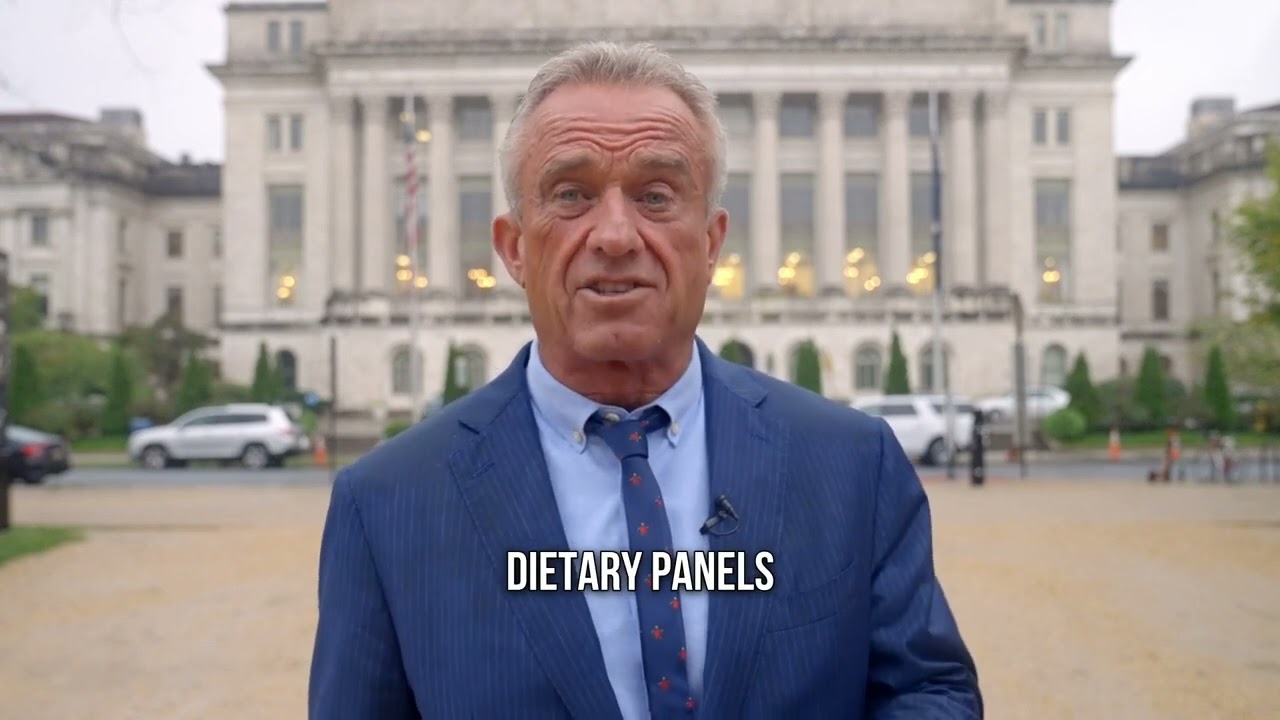 , he railed against the country’s agriculture policy for “tilting the playing field in favor of more chemicals, more herbicides, more insecticides” and promised to “ban the worst agricultural chemicals that are already prohibited in other countries.” As a lawyer with the Natural Resources Defense Council, a leading nonprofit environmental law group, he took Monsanto to task, helping secure a multimillion-dollar settlement in a Roundup cancer lawsuit in 2018.
There are indications, of course, that the MAHA promise is a smokescreen.
In 2017, Trump’s EPA rejected a proposed ban on chlorpyrifos, a pesticide linked to increased cancer risk. He appointed former American Chemistry Council executive Nancy Beck to oversee toxic chemical regulation. Beck is once again slated to take a senior EPA position; Lynn Dekleva, another ACC lobbyist who fought the EPA’s efforts to regulate formaldehyde, will now run the agency’s Office of Chemical Safety and Pollution Prevention.
Vaseliou said, “Your questions regarding Dr. Beck and Dr. Dekleva are insulting and unfounded. This is yet another question based on false accusations that left propaganda also known as media take as gospel. President Trump made a fantastic choice in selecting Dr. Beck and Dr. Dekleva to work at EPA.”
On March 12, Zeldin, Trump’s EPA chief, announced the agency would begin rolling back 31 environmental regulations — “the greatest day of deregulation our nation has seen,” he said — including rules aimed at preventing disasters at hazardous chemical facilities and restricting the industrial pollution of mercury.
“It strikes me that there’s a very significant tension between what the president has promised relating to the overuse of pesticides in this country versus the other elements of his own administration that reflexively do what industry wants no matter what,” said Hartl. “He’s going to have to decide who he’s going to let down: whether it’s his own supporters that believe in his MAHA agenda or his industry benefactors.”
---
---
- About the Office of Chemical Safety and Pollution Prevention
Oct 21, 2025 — Organization * Nancy Beck, Principal Deputy Assistant Administrator. * Lynn Dekleva, Deputy Assistant Administrator. *
U.S. Environmental Protection Agency (.gov)
- She Lobbied for Formaldehyde. Now She's at E.P.A. ...
Mar 17, 2025 — Now She's at the E.P.A., Approving New Chemicals. Lynn Dekleva, who recently took a senior role at the agency, once le...
The New York Times
:{:{}:
- MAHA report targets chemical industry revolving door
May 23, 2025 — Take Lynn Ann Dekleva, who in 2023 was a senior director at the American Chemistry Council. She has not ever been a re...
E&E News by POLITICO
- The EPA's Lee Zeldin Is Unleashing a Chemical Nightmare
Jul 11, 2025 — Out in the open, Zeldin's EPA has been dismantling protections against precisely the sorts of dangers that right-winge...

The New Republic
- She Lobbied for a Carcinogen.
---
GGL 10 25
[### Chemical Lobby Tightens Its Grip on EPA, Undermining ...

Environmental Protection Network
https://www.environmentalprotectionnetwork.org › che...](https://www.environmentalprotectionnetwork.org/chemical-lobby-tightens-its-grip-on-epa-undermining-asbestos-ban-and-putting-lives-at-risk/)
Jun 17, 2025 — In a court filing yesterday, Lynn Ann Dekleva, EPA's Deputy Assistant Administrator for the Office of Chemical Safety and Pollution ...
[### The Former Lobbyists Making Key Decisions at the E.P.A.

The New York Times
https://www.nytimes.com › 2025/10/21 › climate › epa-...](https://www.nytimes.com/2025/10/21/climate/epa-former-lobbyists.html)
10 hours ago — Lynn Dekleva, also a former lobbyist with the American Chemistry Council and who fought formaldehyde regulations, now helps lead that E.P.A. ...
[### Chemical industry lobbyists will run chemical safety ...

The Lancet
https://www.thelancet.com › lanonc › article › fulltext](https://www.thelancet.com/journals/lanonc/article/PIIS1470-2045%2825%2900135-4/fulltext)
by B Furlow · 2025 — Dekleva and Beck serving in senior EPA positions is “a gross conflict of interest”, according to Philip Landrigan, director of the Global Public ...
[### EPA moves to ease chemical safety reviews, citing red tape

The New Lede
https://www.thenewlede.org › epa-tsca-rollbacks](https://www.thenewlede.org/2025/09/epa-tsca-rollbacks/)
Sep 24, 2025 — EPA administrator Lee Zeldin touted the changes as “a clear, predictable, commonsense approach that's grounded in the law and the science ...
[### EPA Will Revisit Biden-Era Ban on the Last Type of ...

Texas Chemistry Council
https://texaschemistry.org › page_template › show_detail](https://texaschemistry.org/aws/TCC/page_template/show_detail/596522?model_name=news_article)
Jul 1, 2025 — ... Dekleva, a senior official in EPA's Office of Chemical Safety and Pollution Prevention. Chrysotile asbestos is found in products like brake ...
[### About the Office of Chemical Safety and Pollution Prevention

U.S. Environmental Protection Agency (.gov)
https://www.epa.gov › aboutepa › about-office-chemica...](https://www.epa.gov/aboutepa/about-office-chemical-safety-and-pollution-prevention)
Email: beck.nancy@epa.gov. Lynn Dekleva, Deputy Assistant Administrator. Email: dekleva.lynn@epa.gov. Kyle Kunkler, Deputy Assistant Administrator. Email ...
Missing: ZELDIN | Show results with: ZELDIN
[### MAHA report targets chemical industry revolving door

E&E News by POLITICO
https://www.eenews.net › Articles](https://www.eenews.net/articles/maha-report-targets-chemical-industry-revolving-door-without-mentioning-epa/)
May 23, 2025 — Dekleva is now back at EPA, this time as the deputy assistant administrator at EPA's Office of Chemical Safety and Pollution Prevention.
[### PFAS Lobbying: Mid-2025 Update

Food & Water Watch
https://www.foodandwaterwatch.org › 2025/09](https://www.foodandwaterwatch.org/wp-content/uploads/2025/09/PFAS_Lobbying.pdf)
Circumstances have changed as Trump's EPA administrator, Lee Zeldin ... current senior EPA adviser on chemical safety and pollution regulation, used to be a ...
[### Under EPA head Lee Zeldin, the agency is rethinking asbestos ...

https://www.facebook.com › labornotes › posts › under-...](https://www.facebook.com/labornotes/posts/under-epa-head-lee-zeldin-the-agency-is-rethinking-asbestos-bans-weakening-mercu/1211958380975965/)
Under EPA head Lee Zeldin, the agency is rethinking asbestos bans, weakening mercury rules, and allowing delays in removing carcinogens from drinking water. EPA ...
[### EPA kicks chemical regulations down the road - C&EN

American Chemical Society
https://cen.acs.org › policy › chemical-regulation › EPA-...](https://cen.acs.org/policy/chemical-regulation/EPA-kicks-chemical-regulations-down/103/i9)
Apr 2, 2025 — The US Environmental Protection Agency has been quietly delaying restrictions on many hazardous substances, from asbestos to air pollutants.
---
[### Chemical industry lobbyists will run chemical safety ...

The Lancet
https://www.thelancet.com › lanonc › article › fulltext](https://www.thelancet.com/journals/lanonc/article/PIIS1470-2045%2825%2900135-4/fulltext)
by B Furlow · 2025 — Another ACC lobbyist, Nancy Beck, is now a senior adviser to the EPA Office of Chemical Safety and Pollution Protection. Dekleva and Beck ...
[### Two Industry Executives Join E.P.A. to Help Oversee ...

The New York Times
https://www.nytimes.com › 2025/01/22 › climate › epa-...](https://www.nytimes.com/2025/01/22/climate/epa-chemical-industry-beck-dekleva.html)
Jan 22, 2025 — Nancy Beck and Lynn Ann Dekleva worked in the first Trump administration, where they fought chemical restrictions.
[### EPA moves to ease chemical safety reviews, citing red tape

The New Lede
https://www.thenewlede.org › epa-tsca-rollbacks](https://www.thenewlede.org/2025/09/epa-tsca-rollbacks/)
Sep 24, 2025 — The findings were based on the calendars of Nancy Beck, the EPA's principal deputy assistant administrator in the Office of Chemical Safety ...
[### The Former Lobbyists Making Key Decisions at the E.P.A.

The New York Times
https://www.nytimes.com › 2025/10/21 › climate › epa-...](https://www.nytimes.com/2025/10/21/climate/epa-former-lobbyists.html)
10 hours ago — Nancy Beck, a former executive for the American Chemistry Council, is now in a senior role within an E.P.A. division that evaluates chemical ...
Missing: ACC | Show results with: ACC
[### EPA to reassess most chemical regs, Trump appointee says

E&E News by POLITICO
https://www.eenews.net › Articles](https://www.eenews.net/articles/epa-to-reassess-most-chemical-regs-trump-appointee-says/)
Aug 21, 2025 — Top chemical safety officer Nancy Beck said restrictions on dangerous existing chemicals should “mitigate unreasonable risk, not all risk.”
[### The EPA Will Likely Gut Team That Studies Health Risks ...

WIRED
https://www.wired.com › Science › science](https://www.wired.com/story/epa-iris-health-risks-chemicals-nancy-beck/)
May 12, 2025 — While significantly slashing the agency's budget, Zeldin has said he intends to put EPA staff to work clearing the backlog of new industrial ...
[### Trump Puts Industry Insiders in Charge of EPA's Chemical ...

Holland & Knight
https://www.hklaw.com › news › intheheadlines › 2025/01](https://www.hklaw.com/en/news/intheheadlines/2025/01/trump-puts-industry-insiders-in-charge-of-epas-chemical-safety)
Jan 23, 2025 — The appointment of Nancy Beck and Lynn Dekleva to oversee chemical regulation at the US Environmental Protection Agency (EPA).
[### Nancy Beck, PhD, DABT, Principal Deputy Assistant ...

Investment Reports
https://www.investmentreports.co › interview › nancy-be...](https://www.investmentreports.co/interview/nancy-beck-1746)
Nancy Beck. PhD, DABT, Principal Deputy Assistant Administrator. EPA Office of Chemical Safety and Pollution Prevention. 17 April 2025. Share Interview.
[### EPA walks back Nancy Beck's chemical office powers

E&E News by POLITICO
https://www.eenews.net › Articles](https://www.eenews.net/articles/epa-walks-back-nancy-becks-chemical-office-powers/)
Mar 7, 2025 — Nancy Beck has returned to EPA's Office of Chemical Safety and Pollution Prevention. Francis Chung/POLITICO. Unlike other major ...
[### Trump administration actions contradict MAHA rhetoric on ...

NPR
https://www.npr.org › 2025/06/18 › nx-s1-5436960](https://www.npr.org/sections/shots-health-news/2025/06/18/nx-s1-5436960/maha-rfk-toxic-chemicals-trump-hhs-epa)
Jun 18, 2025 — The administration appointed a scientist who spent years working for the American Chemistry Council, Nancy Beck, to a prominent role at the EPA, ...
---