Shiva, V
attacked on farmer suicide by miller
---
https://kpfa.org/episode/democracy-now-february-11-2019-2/
new bk india origin:
ORIGIN ( The Corporate War on Nature and Culture
:{
}:
https://www.amazon.com/ORIGIN-Corporate-War-Nature-Culture/dp/8181583108
syngenta merge china chem, troika of toxins
==
diff?
Vandana Shiva and Vijaya Nagarajan: Women, Ritual and Ecology in India
hosted by Mitch Jeserich.
https://kpfa.org/episode/letters-and-politics-february-11-2019/
==
NOTE KLOOR ETC BS
https://en.wikipedia.org/wiki/Vandana_Shiva
Vandana Shiva (born 5 November 1952) is an Indian scholar, environmental activist, food sovereignty advocate, and alter-globalization author.[2] Shiva, currently based in Delhi, has authored more than twenty books.[3]
She is one of the leaders and board members of the International Forum on Globalization (along with Jerry Mander, Edward Goldsmith, Ralph Nader, Jeremy Rifkin, et al.), and a figure of the global solidarity movement known as the alter-globalization movement.[4] She has argued for the wisdom of many traditional practices, as is evident from her interview in the book Vedic Ecology (by Ranchor Prime) that draws upon India's Vedic heritage. She is a member of the scientific committee of the Fundacion IDEAS, Spain's Socialist Party's think tank.[5] She is also a member of the International Organization for a Participatory Society.[6] She received the Right Livelihood Award in 1993, an honor known as an "Alternative Nobel Prize".
- :{1:(style="display:table-cell;padding-left:0px;padding-right:0.5em;color:#222222;"):}::{Early life and education:(style="display:table-cell"):}:
- :{2:(style="display:table-cell;padding-left:0px;padding-right:0.5em;color:#222222;"):}::{Career:(style="display:table-cell"):}:
- :{3:(style="display:table-cell;padding-left:0px;padding-right:0.5em;color:#222222;"):}::{Activism:(style="display:table-cell"):}:
- :{3.1:(style="display:table-cell;padding-left:0px;padding-right:0.5em;color:#222222;"):}::{Seed freedom:(style="display:table-cell"):}:
- :{3.2:(style="display:table-cell;padding-left:0px;padding-right:0.5em;color:#222222;"):}::{Golden rice:(style="display:table-cell"):}:
- :{3.3:(style="display:table-cell;padding-left:0px;padding-right:0.5em;color:#222222;"):}::{GM, India, and suicides:(style="display:table-cell"):}:
- :{4:(style="display:table-cell;padding-left:0px;padding-right:0.5em;color:#222222;"):}::{Ecofeminism:(style="display:table-cell"):}:
- :{5:(style="display:table-cell;padding-left:0px;padding-right:0.5em;color:#222222;"):}::{Indian Intelligence Bureau Investigation:(style="display:table-cell"):}:
- :{6:(style="display:table-cell;padding-left:0px;padding-right:0.5em;color:#222222;"):}::{Criticism:(style="display:table-cell"):}:
- :{7:(style="display:table-cell;padding-left:0px;padding-right:0.5em;color:#222222;"):}::{Film:(style="display:table-cell"):}:
- :{8:(style="display:table-cell;padding-left:0px;padding-right:0.5em;color:#222222;"):}::{Publications:(style="display:table-cell"):}:
- :{9:(style="display:table-cell;padding-left:0px;padding-right:0.5em;color:#222222;"):}::{See also:(style="display:table-cell"):}:
- :{10:(style="display:table-cell;padding-left:0px;padding-right:0.5em;color:#222222;"):}::{References:(style="display:table-cell"):}:
- :{11:(style="display:table-cell;padding-left:0px;padding-right:0.5em;color:#222222;"):}::{External links:(style="display:table-cell"):}:
Early life and education
Vandana Shiva inCologne, Germany in 2007
Vandana Shiva was born in Dehradun. Her father was a conservator of forests, and her mother was a farmer with a love for nature. She was educated at [St Mary's School in [[Nainital]]](http://st._mary%27s_convent_high_school%2C_nainital/)], and at the Convent of Jesus and Mary, Dehradun.[7]
Shiva studied physics at Panjab University in Chandigarh, graduating as a bachelor of science in 1972 and a master of science in 1974.[8] After that she worked, briefly, at the Bhabha Atomic Research Centre before moving to Canada to pursue an M.A. in the philosophy of science at the University of Guelph (Ontario) in 1977, with a thesis entitled "Changes in the concept of periodicity of light".[8][9] In 1978, she completed and received her PhD in philosophy at the University of Western Ontario,[10] focusing on philosophy of physics. Her dissertation was titled "Hidden variables and locality in quantum theory," in which she discussed the mathematical and philosophical implications of hidden variable theories that fall outside of the purview of Bell's theorem.[11] She later went on to interdisciplinary research in science, technology, and environmental policy at the Indian Institute of Science and the Indian Institute of Management in Bangalore.[7]
Career
Vandana Shiva has written and spoken extensively about advances in the fields of agriculture and food. Intellectual property rights, biodiversity, biotechnology, bioethics, and genetic engineering are among the fields where Shiva has fought through activist campaigns. She has assisted grassroots organizations of the Green movement in Africa, Asia, Latin America, Ireland, Switzerland, and Austria with campaigns against advances in agricultural development via genetic engineering.
In 1982, she founded the Research Foundation for Science, Technology and Ecology.[12] This led to the creation of Navdanya in 1991, a national movement to protect the diversity and integrity of living resources, especially native seed, the promotion of organic farming and fair trade.[13] Navdanya, which translates to “Nine Seeds” or “New Gift”, is an initiative of the RFSTE to educate farmers of the benefits of maintaining diverse and individualized crops rather than accepting offers from monoculture food producers. The initiative established over 40 seed banks across India to provide regional opportunity for diverse agriculture. In 2004 Shiva started Bija Vidyapeeth, an international college for sustainable living in Doon Valley, in collaboration with Schumacher College, U.K.[14]
In the area of intellectual property rights and biodiversity, Shiva and her team at the Research Foundation for Science, Technology and Ecology challenged the biopiracy of neem, basmati and wheat. She has served on expert groups of[where?] government on Biodiversity and IPR legislation.[citation needed]
Shiva initiated Navdanya, which translates to “Nine Seeds” or “New Gift”, an initiative of the RFSTE to educate farmers of the benefits of maintaining diverse and individualized crops rather than accepting offers from monoculture food producers. The initiative established over 40 seed banks across India to provide regional opportunity for diverse agriculture.[15]
Her first book, Staying Alive (1988), helped redefine perceptions of third world women. In 1990, she wrote a report for the FAO on Women and Agriculture entitled, "Most Farmers in India are Women". She founded the gender unit at the International Centre for Mountain Development (ICIMOD) in Kathmandu and was a founding board member of the Women's Environment & Development Organization (WEDO)[citation needed].
Shiva also published a book, “Making Peace With the Earth” to an Australian publisher called Spinifex said to be based on her Sydney Peace Prize Lecture made in 2010 regarding Indian social-ecological concerns and insights. This book delves into biodiversity and the relationship between communities and nature. “Accordingly, she aligns the destruction of natural biodiversity with the dismantling of traditional communities - those who ‘understand the language of nature'".[16] Although this is a book based on Shiva's homeland, India, the book shows relevance spanning to many other regions where the “Village becomes a symbol, almost a metaphor for ‘the local’ in all nations".[17][16]
Shiva has also served as an adviser to governments in India and abroad as well as non-governmental organizations, including the International Forum on Globalization, the Women's Environment & Development Organization and the Third World Network. Shiva chairs the Commission on the Future of Food set up by the Region of Tuscany in Italy and is a member of the Scientific Committee which advised former prime minister Zapatero of Spain. Shiva is a member of the Steering Committee of the Indian People's Campaign Against WTO. She is a councilor of the World Future Council. Shiva serves on Government of India Committees on Organic Farming. Vandana Shiva participated in the Stock Exchange of Visions project in 2007.[18]
Activism
Vandana Shiva has spent much of her life in the defence and celebration of biodiversity and indigenous knowledge. She has worked to promote biodiversity in agriculture to increase productivity, nutrition, farmer's incomes and It is for this work she was recognised as an 'Environmental Hero' by Time magazine in 2003. Her work on agriculture started in 1984 after the violence in Punjab and the gas leak in Bhopal from Union Carbide's pesticide manufacturing plant. Her studies for the UN University led to the publication of her book The Violence of the Green Revolution.[19][20][21]
In an interview with David Barsamian, Shiva argues that the seed-chemical package promoted by Green Revolution agriculture has depleted fertile soil, destroyed living ecosystems, and negatively impacted people's health.[22] In her work Shiva cites data allegedly demonstrating that today there are over 1400 pesticides that may enter the food system across the world,[23] because only 1% of pesticides sprayed act on the target pest.[24] Vandana Shiva, alongside her sister Dr. Mira Shiva, argues that the health costs of increasing pesticide and fertiliser use range from cancer to kidney failure to heart disease.[25]
Seed freedom
Central to Shiva's work is the idea of seed freedom, or the rejection of corporate patents on seeds. She has campaigned against the implementation of the WTO 1994 Trade Related Intellectual Property Rights (TRIPS) agreement, which broadens the scope of patents to include life forms. Shiva has criticised the agreement as having close ties with the corporate sector and opening the door to further patents on life.[26] Shiva calls the patenting of life ‘biopiracy’, and has fought against attempted patents of several indigenous plants, such as basmati.[27] In 2005, Shiva's was one of the three organisations that won a 10-year battle in the European Patent Office against the biopiracy of Neem by the US Department of Agriculture and the corporation WR Grace.[28] In 1998, Shiva's organisation Navdanya began a campaign against the biopiracy of basmati rice by US corporation RiceTec Inc. In 2001, following intensive campaigning, RiceTec lost most of its claims to the patent.
Golden rice
Shiva strongly opposes golden rice, a breed of rice that has been genetically engineered to biosynthesize beta-carotene, a precursor of Vitamin A. It has the potential to assist in alleviating the vitamin A deficiency suffered by a third of preschool-aged children worldwide.[29] Doctor Adrian Dubock says that golden rice is as cheap as other rice and vitamin A deficiency is the greatest reason for blindness and causes 28% of global preschool child mortality.[30] Shiva has claimed that the women of Bengal grow and eat 150 greens which can do the same,[31] though Patrick Moore suggests that most of these 250 million children don't eat much else than a bowl of rice a day.[32]
Shiva claims that Golden Rice is more harmful than beneficial in her explanation of what she calls the "Golden Rice hoax": "Unfortunately, Vitamin A rice is a hoax, and will bring further dispute to plant genetic engineering where public relations exercises seem to have replaced science in promotion of untested, unproven and unnecessary technology... This is a recipe for creating hunger and malnutrition, not solving it."[33]
In the 2013 report "The economic power of the Golden Rice opposition", two economists, Wesseler and Zilberman from Munich University and the University of California at Berkeley respectively calculated that the absence of Golden Rice in India had caused the loss of over 1.4 million life man years in the previous ten years.[34]
GM, India, and suicides
According to Shiva, "Soaring seed prices in India have resulted in many farmers being mired in debt and turning to suicide". The creation of seed monopolies, the destruction of alternatives, the collection of superprofits in the form of royalties, and the increasing vulnerability of monocultures has created a context for debt, suicides, and agrarian distress. According to data from the Indian government, nearly 75 percent rural debt is due to purchased inputs. Shiva claims that farmers' debt grows as GMO corporation's profits grow. According to Shiva, it is in this systemic sense that GM seeds are those of suicide.
However, farmer suicides had begun to grow before the introduction of the GM seeds, and the growth decreased when GM seeds were introduced. International Food Policy Research Institute (IFPRI) twice analyzed academic articles and government data and concluded the decrease and that there was no evidence on "resurgence" of farmer suicides, GM cotton technology has been very effective in India and there have been many other reasons for the suicides.[35][36][37]
Shiva replied to these assertions, that her critics had reduced the issue to GM cottons and ignored the issue of seed monopolies, and that the suicide figures were from the government statistics of the National Bureau of Crime records.[38]
By challenging the neo-liberalization of Indian agriculture, Shiva has come up against some of the most powerful multinational companies of the food industry; such as Monsanto and Cargill. In her book, Cargill and the Corporate Hijack of India’s Food Agriculture, Shiva examines the manipulations of both the U.S. and Indian governments whom enabled policy shifts which have driven India to become the largest wheat importer in the world, when it already stood as the second largest wheat producer, which would have satiated most of the nation's needs. She also explicates methodologies of food-policy decentralization, from government to industry, and expresses how centralization has disproportionately benefited large multinationals without achieving the promised food security and nutritional requirements where Indian farmers adopted bio-technologies en masse. Under globalization, portions of arable land cultivation turn to non-food and/or non-staple agricultural production; with increasing access to food export to markets where profit margins can rise. This can lead to the aforementioned restructuring of national import economies.[39]
Ecofeminism
Ecofeminism opposes the dominant reductionist paradigm in green theorizing and rejects its reformist environmentalism—in which environmental problems are solved by the externalization of their costs (onto developing countries), thereby presenting the Western model of development and knowledge as the only acceptable model for mankind in modernity. Ecofeminism, part and parcel of radical ecology, addresses possibilities for changing the hegemonic patriarchal paradigm whereby nature and women are conflated and delegitimated as inferior, passive, and non-productive categories, by means of domination and exploitation. Focus is on the work of Vandana Shiva, here, as ecofeminist activist.[40]
Vandana Shiva plays a major role in the global Ecofeminist movement. According to her 2004 article Empowering Women,[41] Shiva suggests that a more sustainable and productive approach to agriculture can be achieved through reinstating the system of farming in India that is more centered on engaging women. She advocates against the prevalent "patriarchal logic of exclusion," claiming that a woman-focused system would change the current system in an extremely positive manner.[42] She believes that ecological destruction and industrial catastrophes threaten daily life, and the maintenance of these problems have become the responsibility of women.[43]
Some of the viewpoints held by Vandana Shiva have been criticised as being essentialist by Cecile Jackson.[44]
Shiva co-wrote the book “Ecofeminism” in 1993 with “German anarchist and radical feminist sociologist”[45] Maria Mies. This combined alike and contrasting Western and Southern feminism, with “environmental, technological and feminist issues, all incorporated under the term ecofeminism”.[45] These theories are combined throughout the book through essays - both new and old - from Shiva and Mies.
Although many thought-provoking works can be found in this approximately 300 page book, some also found it lacking new ecofeminist theories and contemporary analysis as well as “overall failure to acknowledge the work of others”.[46]
Indian Intelligence Bureau Investigation
In June 2014, Indian and international media reported that Navdanya and Vandana Shiva were named in a leaked, classified report by India's Intelligence Bureau (IB), which was prepared for the Indian Prime Minister's Office.[47]
The leaked IB report raises concerns over the foreign-funding of Indian NGOs whose campaigning activities, the report claims, are hampering India's growth and development. In its report, the IB said that Indian NGOs, including Navdanya, receive money from foreign donors under the 'charitable garb' of campaigning for human rights or women's equality, but instead use the money for nefarious purposes. "These foreign donors lead local NGOs to provide field reports which are used to build a record against India and serve as tools for the strategic foreign policy interests of the Western governments," the IB report states.[48]
Criticism
Investigative journalist Michael Specter, in an article in The New Yorker on 25 August 2014 entitled "Seeds of Doubt",[10] raised concerns over a number of Shiva's claims regarding GMOs and some of her campaigning methods. He wrote: "Shiva's absolutism about G.M.O.s can lead her in strange directions. In 1999, ten thousand people were killed and millions were left homeless when a cyclone hit India’s eastern coastal state of Orissa. When the U.S. government dispatched grain and soy to help feed the desperate victims, Shiva held a news conference in New Delhi and said that the donation was proof that “the United States has been using the Orissa victims as guinea pigs” for genetically-engineered products, although she made no mention about the fact that those same products are approved and consumed in the United States. She also wrote to the international relief agency Oxfam to say that she hoped it wasn't planning to send genetically modified foods to feed the starving survivors."[10] Shiva responded to Michael Specter's article by stating on her web page that Specter was "ill informed" in regard to the shipment after Orissa.[49] She also claimed that "for the record, ever since I sued Monsanto in 1999 for its illegal Bt cotton trials in India, I have received death threats" "concerted PR assault on me for the last two years from Lynas, Specter and an equally vocal Twitter group is a sign that the global outrage against the control over our seed and food, by Monsanto through GMOs, is making the biotech industry panic."[49] David Remnick, the editor of the New Yorker, responded by publishing a letter in the New Yorker.[50]
Cases of plagiarism have been pointed out against Vandana Shiva. Birendra Nayak has published on her plagiarism involving copying verbatim from a 1996 article in Voice Gopalpur in her 1998 book Stronger than Steel.[51] Several paragraphs of an article by S Faizi on the Plachimada/Coca-Cola issue published in The Statesman in 2015 were plagiarized by Vandana Shiva in an article she published a year later.[52]
Journalist Keith Kloor, in an article published in Discover on 23 October 2014 entitled "The Rich Allure of a Peasant Champion", revealed that Shiva charges US$40,000 per speaking lecture, plus a business-class air ticket from New Delhi. Kloor writes: "She is often heralded as a tireless 'defender of the poor,' someone who has courageously taken her stand among the peasant farmers of India. Let it be noted, however, that this champion of the downtrodden doesn’t exactly live a peasant’s lifestyle."[53]
Film
Vandana Shiva has been interviewed for a number of documentary films including Freedom Ahead, Roshni;[54] One Water,[citation needed] Deconstructing Supper: Is Your Food Safe?, The Corporation, Thrive, Dirt! The Movie, and This is What Democracy Looks Like (a documentary about the Seattle WTO protests of 1999).[55]
Shiva's focus on water has caused her to appear in a number of films on this topic. These films include "Ganga From the Ground Up," a documentary on water issues in the river Ganges;[56] Blue Gold: World Water Warsby Sam Bozzo; Irena Salina's documentary Flow: For Love of Water (in competition at the 2008 Sundance Film Festival), and the PBS NOW documentary On Thin Ice.[57]
On the topic of genetically modified crops, she was featured in the documentary Fed Up! (2002), on genetic engineering, industrial agriculture and sustainable alternatives; and the documentary The World According to Monsanto, a film made by the French independent journalist Marie-Monique Robin.
Shiva appeared in a documentary film about the Dalai Lama, entitled Dalai Lama Renaissance.[58]
In 2010, Shiva was interviewed in a documentary about honeybees and colony collapse disorder, entitled Queen of the Sun.[59]
She appears in the French movie Demain.[60]
Selected listing
- Seeds of Death: Unveiling the Lies of GMOs, 2012[61]
- Another Story of Progress, 2012[62]
- The Farmer and His Prince, 2013[63]
- Creating Freedom: The Lottery of Birth, 2013[64]
- Poverty Inc., 2014[65]
- The True Cost, 2015, a documentary about fast fashion and the garment industry
Publications
Library resources about Vandana Shiva |
|---|
| By Vandana Shiva |
- 1981, Social Economic and Ecological Impact of Social Forestry in Kolar, Vandana Shiva, H.C. Sharatchandra, J. Banyopadhyay, Indian Institute of Management Bangalore
- 1986, Chipko: India's Civilisational Response to the Forest Crisis, J. Bandopadhyay and Vandana Shiva, Indian National Trust for Art and Cultural Heritage. Pub. by INTACH
- 1987, The Chipko Movement Against Limestone Quarrying in Doon Valley, J. Bandopadhyay and Vandana Shiva, Lokayan Bulletin, 5: 3, 1987, pp. 19–25 online
- 1988, Staying Alive: Women, Ecology and Survival in India, Zed Press, New Delhi, ISBN 0-86232-823-3
- 1989, The Violence of the Green Revolution: Ecological degradation and political conflict in Punjab, Natraj Publishers, New Delhi, ISBN 0-86232-964-7 hb, ISBN 0-86232-965-5 pb
- 1991, Ecology and the Politics of Survival: Conflicts Over Natural Resources in India, Sage Publications, Thousand Oaks, California, ISBN 0-8039-9672-1
- 1992, Biodiversity: Social and Ecological Perspectives (editor); Zed Press, United Kingdom
- 1993, *Women, Ecology and Health: Rebuilding Connections* (editor), Dag Hammarskjöld Foundation and Kali for Women, New Delhi
- 1993, Monocultures of the Mind: Biodiversity, Biotechnology and Agriculture, Zed Press, New Delhi
- 1993, Ecofeminism, Maria Mies and Vandana Shiva, Fernwood Publications, Halifax, Nova Scotia, Canada, ISBN 1-895686-28-8
- 1994, Close to Home: Women Reconnect Ecology, Health and Development Worldwide, Earthscan, London, ISBN 0-86571-264-6
- 1995, Biopolitics (with Ingunn Moser), Zed Books, United Kingdom
- 1997, Biopiracy: the Plunder of Nature and Knowledge, South End Press, Cambridge Massachusetts, I ISBN 1-896357-11-3
- 2000, Stolen Harvest: The Hijacking of the Global Food Supply, South End Press, Cambridge Massachusetts, ISBN 0-89608-608-9
- 2000, Tomorrow's Biodiversity, Thames and Hudson, London, ISBN 0-500-28239-0
- 2001, Patents, Myths and Reality, Penguin India
- 2002, Water Wars; Privatization, Pollution, and Profit, South End Press, Cambridge Massachusetts
- 2005, India Divided, Seven Stories Press,
- 2005, Globalization's New Wars: Seed, Water and Life Forms Women Unlimited, New Delhi, ISBN 81-88965-17-0
- 2005, Earth Democracy; Justice, Sustainability, and Peace, South End Press, ISBN 0-89608-745-X
- 2007, Manifestos on the Future of Food and Seed, editor, South End Press ISBN 978-0-89608-777-4
- 2007, Democratizing Biology: Reinventing Biology from a Feminist, Ecological and Third World Perspective, author, Paradigm Publishers ISBN 978-1-59451-204-9
- 2007, Cargill and the Corporate Hijack of India's Food and Agriculture, Navdanya/RFSTE, New Delhi
- 2008, Soil Not Oil, South End Press ISBN 978-0-89608-782-8
- 2010, Staying Alive, South End Press ISBN 978-0-89608-793-4
- 2011, Biopiracy: The Plunder of Nature & Knowledge, Natraj Publishers, ISBN 978-8-18158-160-0
- 2011, Monocultures of the Mind: Perspectives on Biodiversity, Natraj Publishers, ISBN 978-8-18158-151-8
- 2013, Making Peace With The EarthPluto Press ISBN 978-0-7453-33762
See also
==
Myth 1: Seeds from GMOs are sterile.
No, they'll germinate and grow just like any other plant. This idea presumably has its roots in a real genetic modification (dubbed the Terminator Gene by anti-biotech activists) that can make a plant produce sterile seeds. Monsanto owns the patent on this technique, but has promised not to use it.
==
sugar, cotton, tobacco
http://www.thehindu.com/news/national/karnataka/farmer-suicides-in-karnataka/article7438449.ece
The suicides point to two things: first, a serious agrarian crisis shaped by an increase in cultivation costs and a decline in agricultural income, which is pushing farmers into a debt trap; and second, the sociological pressures that farmers face because of the disparity between their income and those in urban areas.
http://ecowatch.com/2015/08/26/antidote-farmer-suicide-india/
--kloor, longhttp://blogs.discovermagazine.com/collideascape/files/2014/01/GMOsuicidemyth.pdf
Still, this much is known: More than 270,000 Indian farmers have taken their own lives since the mid-1990s, according to India’s National Crime Records Bureau. And that number is believed to be higher, although firm data is hard to come by. These deaths are real and they are tragic for the surviving families...herring has done extensice field res in india? at end says 7 farmer suicide b/c of flood
==
Spurring thousands of farmer suicides.
In India, more than 250,000 farmers have taken their own lives after Monsanto’s Bt cotton seeds didn’t perform as promised. Monsanto has established a seed monopoly when it comes to Indian cotton. Seeds used to be the property of the farmer, but Monsanto patents the seeds it has genetically modified—even second-, third- and fourth-generation seeds are considered to be “Monsanto-owned.” Monsanto has created a monopoly in the country and its GMO seeds the only ones available, so farmers are forced to purchase the seeds from Monsanto, often on credit. When those seeds don’t perform as promised, or sometimes even if they do, the farmers are left trapped in severe poverty and debt. Some farmers have turned to drinking Monsanto’s poisonous pesticides in an attempt to free their families from that debt.
In a 2013 Al Jazeeraarticle titled “Seeds of Suicide and Slavery Versus Seeds of Life and Freedom,” Vandana Shiva wrote that Monsanto’s PR is in stark contrast to reality. Of Monsanto India’s website, she wrote, “All the pictures are of smiling prosperous farmers from the state of Maharashtra. However, we see that the reality on the ground is completely different. Farmers are in debt and in deep distress, and have become dependent on Monsanto's seed monopoly.”
She wrote that what was once the cotton belt in India is now the suicide belt: “The highest suicides are in Maharashtra. Monsanto's talk of 'technology' tries to hide its real objectives of ownership, where genetic engineering is just a means to control seeds and the food system through patents and intellectual property rights.”
omg;
Anti-GMO activist @Vandanashiva earns $40,000/speech advocating policies hurting poor :{http://:(style="text-rendering:auto;display:inline-block"):}:bit.ly/1stltBi:{:{ :(style="text-rendering:auto;display:inline-block"):}::(style="text-rendering:auto;display:inline-block"):}: @GeneticLiteracy @NONGMOProject
- :{ Reply :(style="display:inline-block;vertical-align:baseline;margin-right:4px;position:relative;top:1px;width:auto;background:transparent"):}:
- :{ Retweet :(style="display:inline-block;vertical-align:baseline;margin-right:4px;position:relative;top:1px;width:auto;background:transparent"):}:
- :{ Favorite :(style="display:inline-block;vertical-align:baseline;margin-right:4px;position:relative;top:1px;width:auto;background:transparent"):}:
- More
- RETWEETS3


8:49 AM - 17 Jul 2014
 **Voice of tReason** :{@V_of_tReason:(style="direction:ltr;unicode-bidi:embed"):}:

@JonEntine @vandanashiva @GeneticLiteracy @NonGMOProject Ironic that she should be such a voice for #firstworldproblems
bitly
Anti-GMO activist Vandana Shiva earns $40,000 per speech advocating policies harming poor
Henry Miller | July 17, 2014 | Forbes
Vandana Shiva, the Indian activist who opposes modern agriculture and modern science — and well, modernity in general — is a popular guest lecturer on American campuses. Last spring, she held the Weissberg Chair in International Studies (2013-2014) at Beloit College and this fall is scheduled to lecture at Arizona State and Wake Forest universities.
Although she gets good press from left-wing and environmental publications, Shiva is widely considered by the scientific community to be unbalanced (in both senses of the word) for advocating unsound, anti-social policies and promulgating disproven theories about agriculture.One hopes her remarks to university students are placed in perspective by someone who knows better.
Shiva claims that the cultivation of genetically engineered, pest-resistant cotton is not only ineffective but has been the cause of hundreds of thousands of farmer suicides in India. But Shiva’s statistics are cherry-picked, largely irrelevant and often wrong, and her argument relies on a fallacy of logic known as post hoc, ergo propter hoc–after the fact, therefore because of the fact. In other words, she confuses correlation with causation, the kind of “logic” that leads one to believe that autism is caused by organic food because of graphs like this one.
Eminent Berkeley agricultural economist David Zilberman sums up India’s experience with genetic engineering this way: “India [has] gained from adopting [genetic engineering applied to] cotton but has lost from not adopting it with other crops. The US, Brazil and Argentina adopted [genetic engineering] in corn and soybean, which led to increases in output and gains from exporting these extra crops. India and the rest of the world have also indirectly enjoyed benefits from the increased global supply of corn because of [genetic engineering].
While this upper-caste Indian gets little right about science, she is clearly adept at extracting money from sponsors on the lecture circuit. According to her speakers’ agency, the Evil Twin Booking Agency (we are not making this up), Shiva’s usual fee for an American university appearance is $40,000 plus a business class round-trip ticket from New Delhi. Thus, we infer that Beloit, Wake Forest and Arizona State have probably paid Dr. Shiva close to $50,000 each for exposing their students to her mendacious, baseless attacks on modern agriculture and science.
ref'd
http://www.forbes.com/sites/jonentine/2014/01/29/vandana-shiva-anti-gmo-celebrity-eco-goddess-or-dangerous-fabulist/
same as cami below
Read the full, original article: Wealthy activist Vandana Shiva is a poor advocate for the poor
http://www.forbes.com/sites/**henrymiller**/2014/07/16/a-wealthy-activist-is-a-poor-advocate-for-the-poor/
no links
Vandana Shiva advocates policies that will inflict widespread poverty, malnutrition, and death on the very people she claims to champion. And she’s no friend of the environment, either.
Henry I. Miller and Drew L. Kershen
Vandana Shiva, the Indian activist who opposes modern agriculture and modern science–and well, modernity in general–is a popular guest lecturer on American campuses. Last spring, she held the Weissberg Chair in International Studies (2013-2014) at Beloit College and this fall is scheduled to lecture at Arizona State and Wake Forest universities. Although she gets good press from left-wing and environmental publications, Shiva is widely considered by the scientific community to be unbalanced (in both senses of the word) for advocating unsound, anti-social policies and promulgating disproven theories about agriculture. One hopes her remarks to university students are placed in perspective by someone who knows better.
English: Golden Rice grain compared to white rice grain in screenhouse of Golden Rice plants. (Photo credit: Wikipedia)
As science writer Jon Entine and Dr. Cami Ryan of the University of Saskatchewan discussed in a Forbes.com article earlier this year, many of Shiva’s hobby horses have proven to be exceedingly lame. Some prominent examples
– The “Green Revolution.” The new varieties and practices of the Green Revolution introduced in the second half of the 20th century provided greater food security to hundreds of millions of people in developing countries on much of the planet;they made available high-yielding varieties of wheat and also new agronomic and management practices that transformed the ability of Mexico, India, Pakistan, China, and parts of South America to feed their populations. From 1950 to 1992, the world’s grain output rose from 692 million tons produced on 1.70 billion acres of cropland to 1.9 billion tons on 1.73 billion acres of cropland—an extraordinary increase in yield per acre of more than 150 percent.
India is an excellent case in point. In 1963 wheat grew there in sparse, irregular strands, was harvested by hand, and was highly susceptible to rust disease. The maximum yield was 800 lb per acre. By 1968 the wheat grew densely packed, was resistant to rust, and the maximum yield had risen to 6000 lb per acre. Without high-yield agriculture, either millions would have starved or increases in food output would have been realized only through drastic expansion of land under cultivation—with losses of pristine wilderness far greater than all the losses to urban, suburban and commercial expansion.
And yet, from her perch in a parallel universe, Shiva contends that the Green Revolution actually caused hunger.[note no evidence] Here, as elsewhere, she employs the propaganda technique known as the Big Lie, a phrase coined by Adolf Hitler in his 1925 book Mein Kampf. Shiva promulgates lies so “colossal” (as Hitler put it) that it would be inconceivable for someone to “have the impudence to distort the truth so infamously.” Read on.
– Golden Rice. These are genetically engineered varieties that are biofortified, or enriched, by genes that produce beta-carotene, the precursor of vitamin A. They could be a monumental public health breakthrough, because vitamin A deficiency is epidemic among poor people whose diet is composed largely of rice, which contains no beta-carotene or vitamin A. In developing countries, 200 million-300 million children of preschool age are at risk of vitamin A deficiency, which increases their susceptibility to illnesses including measles and diarrheal diseases. Every year, about half a million children become blind as a result of vitamin A deficiency and 70% of those die within a year.
Inexplicably, Shiva is opposed to it: “By focusing on only one crop, rice, which by itself does not provide all the nutrients, including higher quantities of Vitamin A than Golden Rice, the Golden Rice pushers are in fact worsening the crisis of hunger and malnutrition.” “Promoters of Golden Rice are blind to diversity, and hence are promoters of blindness, both metaphorically and nutritionally,” she adds. Shiva has dismissed Golden Rice as a hoax and a myth–which are the vilest sort of lies, not unlike those of the pernicious charlatans who condemn childhood vaccination to prevent infectious diseases.
As Entine and Ryan wrote: “Shiva’s alternate proposed solution for promoting a ‘diversity of diet’ has not worked for the very poor who cannot afford to buy vegetables or fruits, or cannot devote the land on their subsistence farm to grow more of them.” [ie problems w/ holy mkt]The hoax is Shiva’s unworkable alternative, not the proven capabilities of genetic engineering.
– Genetically engineered, pest-resistant cotton (Bt-cotton, so-called because it contains a protein from the bacterium Bacillus thuringiensis that kills certain insects). Shiva claims that the cultivation of these seeds is not only ineffective but has been the cause of hundreds of thousands of farmer suicides in India.[note no cite] But Shiva’s statistics are cherry-picked, largely irrelevant and often wrong, and her argument relies on a fallacy of logic known as post hoc, ergo propter hoc–after the fact, therefore because of the fact. In other words, she confuses correlation with causation, the kind of “logic” that leads one to believe that autism is caused by organic food because of graphs like this one.
In an article last year in thejournal Nature, agricultural socio-economist Dominic Glover observed, “It is nonsense to attribute farmer suicides solely to Bt cotton,” and moreover, “Although financial hardship is a driving factor in suicide among Indian farmers, there has been essentially no change in the suicide rate for farmers since the introduction of Bt cotton.”
Reinforcing Glover’s observations, a definitive, comprehensive study of Bt-cotton in India published in 2011 concluded: “Bt cotton is accused of being responsible for an increase of farmer suicides in India. . . Available data show no evidence of a ‘resurgence’ of farmer suicides. Moreover, Bt cotton technology has been very effective overall in India.Nevertheless, in specific districts and years, Bt cotton may have indirectly contributed to farmer indebtedness, leading to suicides, but its failure was mainly the result of the context or environment in which it was planted.”
In addition, a 2006 study of four of India’s major cotton-producing states found that Bt-cotton gave rise to yield gains of approximately 31% and a 39% decrease in number of insecticide sprays, which led to an 88% increase in profitability, equivalent to about $250 per hectare.
Eminent Berkeley agricultural economist David Zilberman sums up India’s experience with genetic engineering this way: “India [has] gained from adopting [genetic engineering applied to] cotton but has lost from not adopting it with other crops. The US, Brazil and Argentina adopted [genetic engineering] in corn and soybean, which led to increases in output and gains from exporting these extra crops. India and the rest of the world have also indirectly enjoyed benefits from the increased global supply of corn because of [genetic engineering]
We endorse shopping in the marketplace of ideas, but not when is is polluted by toxic goods. Recall Daniel Patrick Moynihan’s observation that everyone is entitled to his own opinion but not his own facts. Shiva is a seemingly endless font of bogus, made-up facts–that is to say, lies–and bizarre reasoning.
Even the way Shiva represents herself to the public at large and to potential sponsors for her lectures–variously as a “scientist,” “nuclear physicist,” or “quantum physicist”–is dishonest. She earned her doctorate not in physics, but in philosophy. Ironically, Shiva’s connection with physics illustrates not her expertise in the discipline, but her wrong-headedness. Her dissertation in the philosophy of science (not in physics) at the University of Western Ontario focused on the debate over a central notion in physics known as Bell’s Theorem, which is concerned with “testing whether or not particles connected through quantum entanglement communicate information faster than the speed of light,” and which has been called the “most profound theory in science.” The abstract of Shiva’s dissertation states, in part: “It has been taken for granted that Bell’s [theorem] is based on a locality condition which is physically motivated, and thus his proof therefore falls into a class by itself. We show that both the above claims are mistaken” [emphasis added].[[this proves?]]
Contrary to Shiva’s conclusion, however, Bell’s theorem has been proven scientifically correct. As Entine [another philos, but BA] and Ryan wrote, “The main thesis of quantum mechanics that she challenged has since been confirmed by experimental physics, meaning that her thesis stands at odds with factual reality.” But factual reality has never been Shiva’s forte.
While thisupper-caste Indian gets little right about science, she is clearly adept at extracting money from sponsors on the lecture circuit. According to her speakers’ agency, the Evil Twin Booking Agency (we are not making this up), Shiva’s usual fee for an American university appearance is $40,000 plus a business class round-trip ticket from New Delhi. Thus, we infer that Beloit, Wake Forest and Arizona State have probably paid Dr. Shiva close to $50,000 each for exposing their students to her mendacious, baseless attacks on modern agriculture and science.
As for the substance of Shiva’s presentations at universities, we can only imagine. . . After all, she is the author of “In Praise of Cowdung”–a paean to peasant agriculture and an attack on improved seeds and modern fertilizers in Indian agriculture. That essay and her other writings remind us of an old Peanuts cartoon in which the character Lucy van Pelt is about to embark on a writing assignment. “Write about something you know well,” the teacher instructs. Lucy begins typing, “The air hung heavy with stupidity…”
Henry I. Miller, a physician, is the Robert Wesson Fellow in Scientific Philosophy and Public Policy at Stanford University’s Hoover Institution. He was the founding director of the Office of Biotechnology at the FDA. Drew L. Kershen is the Earl Sneed Centennial Professor of Law (Emeritus), University of Oklahoma Collegeof Law, in Norman, Okla.
Who is Vandana Shiva and why is she saying such awful things about GMOs?
Cami Ryan | January 28, 2014 | Genetic Literacy Project
Vandana Shiva is a prominent Indian-born environmentalist who, for the past decade, has emerged as an international icon in the movement criticizing conventional agriculture and biotechnology. In the most recent sign of her celebritystatus, earlier this month, Beloit College in Wisconsin conferred on her a prestigious honor as the Weissberg Chair in International Studies, calling her a “one-woman movement for peace, sustainability and social justice.”
Whether that accurately describes Shiva is debatable—there appears to be a sizable gap between her self-representations and the subjects she claims to be an expert on. However her status as a celebrity activist is not in question. Shiva’s unbridled opposition to GMOs has made her a favorite in liberal and environmental circles. She hopscotches the globe, making frequent appearances and on lecture tours, most recently last week in Costa Rica.
Shiva has been referred to as a an “eco warrior goddess” by the e-Zine Punk Rock Permaculture, a “rock starin the global battle over genetically modified seeds” by journalist Bill Moyers and a “global sustainability expert” by the University of Kentucky. Time Magazine called her an “environmental hero” in 2003 and Forbes identified her as one of the Seven Most PowerfulFeministson the Globe in 2010. She has more than 23,000 followers on Twitter and 43,000 on Facebook.[note dog whistles]
Shiva is perhaps best known for claiming that the introduction of genetically modified cotton seeds in India has led to mass genocide by poor farmers seduced by the ‘false promise’ of GMOs.
“270,000 Indian farmers have committed suicide since Monsanto entered the Indian seed market,” she has said. “It’s genocide.”[no cite]
That’s a remarkable claim, and if true it is a tragedy of staggering proportions.
Shiva’s celebrity and her claims
Vandana Shiva was born in the valley of Dehradun in India in 1952. Educated in her homeland, she eventually pursued graduate studies in Canada, receiving an MA at Guelph and a PhD at the University of Western Ontario. A dedicated activist, she founded Navdanya – meaning “Nine Seeds” – more than two decades ago. According to its website, its organizational mandate is “to protect the diversity and integrity of living resources, especially native seed, and to promote organic farming and fair trade.” Under her guidance Navdanya has evolved into a national movement.
Shiva is an energetic campaigner against globalization and a vocal critic of agricultural genetic engineering—GMOs. She has written more than 20 books. In Biopiracy,Stolen Harvest and Water Wars, she examined the social, economic and ecological costs of corporate-led globalization. The Violence of Green Revolution and Monocultures of the Mind challenged what she referred to as the dominant paradigm of non-sustainable, reductionist Green Revolution agriculture.
Many prominent intellectuals herald her as a forward-thinking scientist and expert in genetic engineering. When Beloit conferred its honorarium upon her, and in accompanying news releases and the website announcement touting her selection, it prominently noted her “PhD in nuclear physics,” calling her “a recognized expert on agriculture and biotechnology.”

Are those claims accurate?
Shiva believes so. “ I am also a scientist… a Quantum Physicist”, she writes on her Navdanya website. The speakers bureau that represents her identifies her as “a trained physicist.” Hundreds of organizations and prominent journalists, from universities to Bill Moyers to *National Geographic* (which referred to her as a “nuclear physicist turned agro-ecologist”), have represented her that way.
But those representations are incorrect. According to the University of Western Ontario, where she received her PhD, her doctorate is not in the discipline of physics, as she claims, but in philosophy. It focused on the highly technical and often politicized debate over a central notion in physics known as Bells’ Theorem, which has been called the “most profound” theory in science.
Perhaps foreshadowing her current contentious views about modern agriculture, Shiva concluded that quantum mechanics in physics was philosophically invalid and factually doubtful. The main thesis of quantum mechanics that she challenged has since been confirmed by experimental physics, meaning that her thesis stands at odds with factual reality. Independent of the quality of her philosophical research, it is a substantive leap to go from earning a PhD in the Philosophy of Science to self-identifying as a “scientist,” “nuclear physicist” or “quantum physicist”—the various ways she refers to herself.
Shiva also claims to have written more than 300 papers—a factoid echoed in almost every article or news release about her, including on Beloit’s site. A query of Thomson Reuter’s Web of Science (research platform for information in the sciences, social sciences, arts and humanities) returns only 42 records of peer reviewed papers or publications authored by Shiva since 1980.
Shiva subsequently abandoned her formal pursuit of philosophy, switching her focus to agriculture, plant breeding, genetics, biology, toxicology, microbiology, nutrition, social sciences and economics—subject areas about which she has no academic training and has not done any formal research.
Some argue that advances often come from those outside the mainstream of science and therefore she deserves to be heard regardless of her credentials or how they may be represented by her or others. Fair enough, let us consider a few of Shiva’s most prominent arguments.
Failed ‘Green Revolution’?
Golden Rice is rice genetically engineered with higher levels of provitamin A. It was developed by Ingo Potrykus of the Swiss Federal Institute of Technology and Peter Beyer of the University of Freiburg. Shiva calls Golden Rice a hoax, a myth and a false solution referring to it as “a blind approach to blindness prevention…..”
“By focusing on only one crop, rice, which by itself does not provide all the nutrients, including higher quantities of Vitamin A than Golden Rice, the Golden Rice pushers are in fact worsening the crisis of hunger and malnutrition,” she writes on Navdanya. “Promoters of Golden Rice are blind to diversity, and hence are promoters of blindness, both metaphorically and nutritionally.”
Is Golden Rice a “hoax,” as Shiva claims?
Almost 700,000 children under the age of 5 die every year from Vitamin A deficiency disease. Golden Rice has been genetically engineered with enhanced production and accumulation of β-carotene in the grains. The American Journal of Clinical Nutritionreports that Golden rice contains up to 35 micrograms of β-carotene per gram of rice. A bowl of ~100-150 grams of cooked Golden Rice can provide as much as 60% of the recommended nutrient intake of vitamin A for 6-8 year old children.[looks legit http://ajcn.nutrition.org/content/early/2012/07/31/ajcn.111.030775.abstract ] As little as 20% of the recommended daily allowance can mitigate or eliminate clinical symptoms such as blindness. Golden Rice also has a better conversion ratio for Provitamin A [ok] (which is turned into Vitamin A in our bodies) than leafy vegetables, carrots and other crops.
Shiva’s alternate proposed solution for promoting a ‘diversity of diet’ has not worked for the very poor who cannot afford to buy vegetables or fruits, or cannot devote the land on their subsistence farm to grow more of them.
Golden Rice is a product of the public sector with the realistic hope of saving the lives and sight of millions of children in the developing world. Despite its promise to help alleviate hunger, blindness and malnutrition, the vitamin enhanced rice has been met with significant opposition from environmental and anti-globalization activists, including Shiva. In August of 2013, activists converged on an experimental field trial of Golden Rice in the Philippines and violently ripped up the plants.
Shiva is equally dismissive of the Green Revolution. That’s the term given to a series of initiatives pioneered by Norman Borlaug beginning in the late 1940s and blossoming in the 1960s that increased agriculture production worldwide, particularly in the developing world, by promoting high-yielding varieties of cereal grains, expansion of irrigation infrastructure, modernization of management techniques, distribution of hybridized seeds and making available advanced synthetic fertilizersand pesticides to farmers.
By 1991, Shiva was publicly calling the Green Revolution “a failure.” More recently, she suggested that it has caused hunger. Industrially produced crops, she writes, are “…nutritionally empty but loaded with chemicals and toxins ….” She claims that “The Green Revolution is chemical-intensive, capital-intensive and fossil fuel-intensive. It must, by its very structure, push farmers into debt and indebted farmers off the land.”
The disjunction between the success of the Green Revolution and Shiva’s disparaging characterization of it is startling, turning reality on its head. Focusing on her native country of India, she has gone so far as to assert that it has caused problems rather than solved them, repeatedly claiming that it has brought nothing to India except “indebted and discontented farmers.”
Yet, in the 1950s, India was a global agricultural basket case. Prior to the introduction of Borlaug’s technological innovations and new seed varieties, it had suffered more than 60 million famine related deaths. After the Green Revolution took hold, between 1965 and 1970 alone, wheat yields nearly doubled in the countries of India and Pakistan as a result of the embrace of modern agricultural techniques.
The agricultural turnaround in India may have saved hundreds of millions of lives. In 2012-2013, the country produced almost 250 million tons (mt) of food grain, and productivity is still growing. Famine has all but been eradicated and farmers can now cope with predictable periods of drought.
Most controversially, Shiva is also a vocal promoter of the much disputed claimthat the introduction of GMOs in India has prompted the suicides of hundreds of thousands of impoverished Indian farmers.
“Suicides have intensified after the introduction of GMO Bt cotton [in India],” she has written. “…[S]eed monopolies… the collection of super-profits …has created a context for debt, suicides and agrarian distress which is driving the farmers’ suicide epidemic in India.”
As Discover blogger and New York University journalism professor Keith Kloor recently noted, Shiva’s claims have resonated with anti-GMO activists around the world. She is credited with inspiring a 2011 movie called Bitter Seeds which claimed to document the genocide supposedly perpetrated by Monsanto, who developed the Bt cotton seeds. The green online magazine *Grist* extolled the documentary for revealing the “tragic toll of GMOs in India.” Foodie favorite Michael Pollan, who often recklessly recommends anti-GMO propaganda to his legion of followers, called it “a powerful documentary on farmer suicides and biotech seeds in India.”
But Shiva is flat out wrong. She alleges a link between farmer suicides and the adoption of Bt cotton in India where no causal link actually exists. The International Food Policy Research Institute (IFPRI) reviewed the government data, academic articles and media reports about Bt cotton and suicide in Indiain 2008 [
Bt Cotton and farmer suicides in India
Reviewing the evidence ]
and2010, concluding that farmer suicides predated the introduction of GMOs, reflect the broader trend in suicides in the general population and have in fact leveled off in the agricultural sector in recent years. CGIAR syngenta, gates world bank
http://www.sourcewatch.org/index.php?title=International_Food_Policy_Research_Institute]
“[I]t is nonsense to attribute farmer suicides solely to Bt cotton,” wrote Dominic Glover, an agricultural socio-economist at Wageningen University and Research Center in the Netherlands in an article in *Nature* last year. “Although financial hardship is a driving factor in suicide among Indian farmers, there has been essentially no change in the suicide rate for farmers since the introduction of Bt cotton.”
[img]
Source: Nature, May 2013
Kloor provides a contextualized deconstruction of the ‘suicide myth’ and an analysis of what really has been going on in India’s farm belt in a superb article in the current Issues in Science and Technology, a publication of the National Academy of Sciences.
Is Shiva a demagogue?
Mark Lynas, the British journalist who campaigned for years arm in arm with Greenpeace against crop biotechnology, but more recently abandoned his views refers to Shiva as part of the “lunatic fringe” of the anti-GMO movement. A year ago last January, after Lynas renounced what he now calls his ‘anti-science” past, Shiva rebuked him for saying that farmers should be free to use GMO crops, saying it was like giving rapists the freedom to rape.
img
“That is obscene and offensive,” Lynas responded, noting a string of bizarre comments by Shiva—many of them eagerly embraced by her followers and disseminated by credulous journalists from Bill Moyers to Bill Maher. In her public statements, he notes, Shiva often oscillates between exaggeration and deliberate falsehoods. Consider her comments on the so-called terminator, the name given to describe seeds that could be designed to be sterile, so they can only be used once. Shiva constantly invokes the specter of “suicide genes” as part of her stump speech criticism of GMOs.
“The danger that the terminator may spread to surrounding food crops or the natural environment is a serious one,” Shiva has said. “The gradual spread of sterility in seeding plants would result in a global catastrophe that could eventually wipe out higher life forms, including humans, from the planet”.
One problem with Shiva’s argument: terminator genes have never been developed; they are a fiction of the anti-GMO movement, perpetuated by Shiva and her followers and the journalists that enable her. [non sequitur] As Lynas has written, “You don’t need the intelligence of a Richard Dawkins or indeed a Charles Darwin to understand that sterility is not a great selective advantage when it comes to reproduction, hence the regular observed failure of sterile couples to breed large numbers of children. As Shiva’s case so clearly shows, if we reject data-driven empiricism and evidence as the basis for identifying and solving problems, we have nothing left but vacuous ideology and self-referential myth-making.”
Vandana Shiva’s influence in the world of agriculture, technology and development shows no signs of waning. She continues to receive accolades in the media, collects humanitarian awards and is regularly bestowed with honorary degrees from universities across North America (most recently an Honorary Doctorate of Laws from the University of Victoria in Canada).
Shiva says Golden Rice can’t work but published studies show that it does work. She claims Indian farmers commit suicide because of Bt cotton while careful academic studies show that Indian farmers who plant Bt cotton earn more money per hectare and are no more likely to commit suicide than organic farmers. She claims that seed companies are distributing ‘terminator genes’ that will will bankrupt them when no such seeds exist. She claims that no famine existed in India before the Green Revolution when the Indian government itself has published the data on lives lost to starvation.
In overstating her credentials and in spreading her political agenda, Vandana Shiva asks the public to believe she is an expert in agriculture, crop production and genetic engineering. She influences the public debate. She is called upon as an expert witness as legislators, oh so sensitive to public opinion, debate how to best regulate agricultural technology. That’s concerning. At best, Vandana Shiva is a provocative lay observer. She deserves to be judged and listened to based upon the quality of her arguments and the evidence.
Cami Ryan, aProfessional Affiliatewith the**College of Agriculture and Bioresources**at the University of Saskatchewan and advocate for science, farming and consumers, is a contributing columnist for the Genetic Literacy Project. Her**blog**is a platform for dialogue around current food and agriculture issues. You can follow her on Twitter at @DocCamiRyan and on**Facebook**. cited by KLOOR on RCSci, echo chamber; miller plagiarizes her?
==
n October, Dan Charles, NPR’s food and agriculture correspondent, wrote an excellent piece headlined:
Top Five Myths of Genetically Modified Seeds, Busted
There is one myth, however, that should have been included because of its widespread dissemination and emotive power. It is the one GMO myth that exploits real human tragedy and for that reason, I find it so offensive. It is a myth that, in 2008, Prince Charles fueled and the UK’s Daily Mail blew up, tabloid style. It is a myth that has since become part of the GMO discourse, largely unchallenged in the media. It is a myth that Vandana Shiva, a celebrated environmentalist, feminist hero, and globe-trotting icon, repeats every chance she gets, as she did on Friday, in an interview with Democracy Now:
Two hundred and seventy thousand Indian farmers have committed suicide since Monsanto entered the Indian seed market. That’s more than a quarter-million. It’s a genocide.
That seems pretty clearcut. Monsanto–the poster child for GMO evil–is responsible for farmers in India killing themselves. Lots of people, from thenutty fringes to respectable green media, have parroted this myth. A recent highly praised documentary gave it currency. I’ll get to that film in a minute, but first let’s check out one of the few articles that actually unspools this madness. Here’s some helpful context it provides:
The issue of farmer suicides first gained media attention in 1995 as the southern state of Maharashtra began reporting a significant rise in farmers killing themselves.
Other states across the country began noticing an increase in farmer suicides as well.
But it wasn’t until seven years later — in 2002 — that the U.S.-based agribusiness Monsanto began selling genetically modified cotton seeds, known as Bt cotton, to Indian farmers. The seeds produce insecticides and led to higher yields, but can be up to 10 times more expensive than regular cotton seeds.
Within years, a narrative began to take shape that farmers were getting into debt to pay for the seed and when they couldn’t repay the money were killing themselves. Another version was that the GM crop failed, leading to debt, leading to suicide.
It is a narrative that is hard to break.
Finally, a reporter figured out the real story. What I love most about this article is that it’s written by a journalism student–Rubab Abid–interning at the National Post. She took the time to investigate a claim taken at face value by many other journalists, including the esteemed Bill Moyers. In doing so, Abid also provided essential context to the larger (and very real) tragic story of suicide in India, a story with complex and heartbreaking cultural and socio/political dynamics.
Ironically, the documentary (Bitter Seeds)that perpetuates the GMO/Indian farmer suicide myth also indirectly captures those complex factors. I was actually quite moved by the film, which showed a side of the story that indicts Indian cultural mores and predatory lending practices way more than it indicts Monsanto. This is a side of the story that the Vandana Shiva’s of the world choose to ignore. But don’t take my word for it; watch the movie for yourself.
The truth is that the real causes of farmer suicides in India cannot be pinned on Monsanto, however venal you may regard the company. To discuss those causes you have to wade into a very complex equation that includes institutional, social, and governmental factors in India. Doing this requires a cold objective eye and cultural sensitivity. I’m fairly certain that Vandana Shiva, in her heart, knows well why so many Indian farmers have taken their lives over the last several decades. Just as I’m sure that she knows all about India’shigh rate of suicide and the reasons for it. After all, she is a student of inequality and social justice. That Shiva prefers to keep the conversation squarely and inaccurately focused on GMOs and Monsanto reveals to me that she cares more about advancing an ideological agenda than addressing the root causes of suicide in India. That she has succeeded in exploiting real tragedy and distracting conversation away from those true causes is something I find utterly offensive.
Over the weekend, Shiva visited New York City to give a talk at the Brooklyn Botanical Gardens, which is close to my home. My wife and I love to stroll through this oasis with our two boys. It’s also a venerable institution that regularly hosts terrific educational programs, which we have attended. So what would my fellow Brooklynites learn from Shiva, I wondered? I had to find out.
To start, they would first learn a few things from Robin Simmen, the director of a community horticulture program at the Brooklyn Botanical Gardens, who introduced Shiva before her talk. Simmen said that when she and her colleagues were considering last year who could give the lecture, they decided to think big and reach out Shiva. “We are so, so grateful that the universe responded by blessing us with a true ecological visionary,” she told a capacity crowd seated in an indoor auditorium. After listing some of Shiva’s career highlights, Simmens foreshadowed one of the topics that would be discussed, when she said “over a quarter million Indian farmers have committed suicide because of GMO seed.” The crowd gasped.
The myth had been successfully reseeded once again.
Shiva dutifully repeated and elaborated on this myth during her speech, the substance of which I will discuss in a follow-up post tomorrow. For now, let me jump ahead to the brief exchange I had with Shiva after her talk, outside the auditorium, where she was signing copies of one of her books. When it was my turn to approach the table where she sat, I introduced myself and mentioned to her that my NYU journalism class had done an exercise this semester, in which they looked into the facts of the GMO-Indian farmer suicide story.
As a point of reference, I had them read the infamous 2008 Daily Mail story. I also explained to my students that the central claim in the story–that 250,000 farmers had committed suicide because GMOs–has become popular lore. I then gave the students 20 minutes to root out legitimate sources of information that either supported or contradicted this narrative. To a person, they found that the main claim didn’t hold up and that the true story was much more complicated than people have been led to believe.
“My students found the Indian farmer-GMO link to be way overstated,” I said to Shiva.
“Not overstated,” she shot back. “Look at government data.”
I said they did. The students also found several comprehensive reports (such as this one) casting doubt on the link, I said. “Those are the Monsanto studies,” she replied. I realized this would not be a fruitful exchange, and didn’t want to hold up the line, so I said my thanks and moved on.
I have previously attempted to untangle this story, and I intend to keep doing so. Meanwhile, if you want some larger insight into it, read this by Cornell University’s Ronald Herring, and watch his talk.
http://blogs.discovermagazine.com/collideascape/2013/03/11/the-real-seeds-of-deception/#.VfoPqhFVikp
http://www.ifpri.org/sites/default/files/pubs/pubs/dp/ifpridp00808.pdf 404
https://web.archive.org/web/20130310165405/http://www.ifpri.org/sites/default/files/pubs/pubs/dp/ifpridp00808.pdf
Bt Cotton and Farmer Suicides in India Reviewing the Evidence Guillaume P. Gruère Purvi Mehta-Bhatt Debdatta Sengupta
In this paper, we provide a comprehensive review of evidence on Bt cotton and farmer suicides, taking into account information from published official and unofficial reports, peer-reviewed journal articles, published studies, media news clips, magazine articles, and radio broadcasts from India, Asia, and international sources from 2002 to 2007. The review is used to evaluate a set of hypotheses on whether or not there has been a resurgence of farmer suicides, and the potential relationship suicide may have with the use of Bt cotton. We first show that there is no evidence in available data of a “resurgence” of farmer suicides in India in the last five years. Second, we find that Bt cotton technology has been very effective overall in India. However, the context in which Bt cotton was introduced has generated disappointing results in some particular districts and seasons. Third, our analysis clearly shows that Bt cotton is neither a necessary nor a sufficient condition for the occurrence of farmer suicides. In contrast, many other factors have likely played a prominent role. Nevertheless, in specific regions and years, where Bt cotton may have indirectly contributed to farmer indebtedness, leading to suicides, its failure was mainly the result of the context or environment in which it was planted. We close the paper by proposing a conceptual framework for empirical applications linking the different agricultural and institutional factors that could have contributed to farmer suicides in recent years in certain districts of Central and Southern India.
...
ged resurgence of suicides by farmers in certain Indian states stemming from the use of Bt cotton. In recent years, a large number of suicides have been reported, mostly resulting from the consumption of toxic pesticides by farmers in some cotton-growing districts of central and southern India. According to some official statistics, between 2001 and the summer of 2007, more than 4,500 cases of farmer suicides were reported in the four states of Andhra Pradesh, Karnataka, Kerala, and Maharashtra (Mukherjee 2007). Other sources have reported much higher figures: in particular, the National Social Watch, a coalition of civil society organizations, reports 11,387 farmer suicides in the same period in India, almost all in those four states (The Statesman 2007), while the National Crime Records Bureau reports more than 16,000 farmer suicides every year. In most cases, male farmers committed suicide after experiencing failed crops and increased indebtedness. The largest number of reported cases was concentrated in districts of northeast Maharashtra (Vidharba District), northwest Andhra Pradesh, and northern Karnataka, where cotton was increasingly planted in the 1990s in response to demand generated by the large textile industry in Mumbai (Saunders 2007). Reports initially limited to local newspapers and rad...
==
Over the past decade, the story of hundreds of thousands of Indian farmers being driven to suicide because of the failureof their genetically modified cotton crops has circulated widely in the media and of course, in anti-GMO circles. An acclaimed 2011 documentary called Bitter Seedschronicled the phenomenon. The film’s tagline is from a 2011 New York University think tank report.
Others have also documented this story with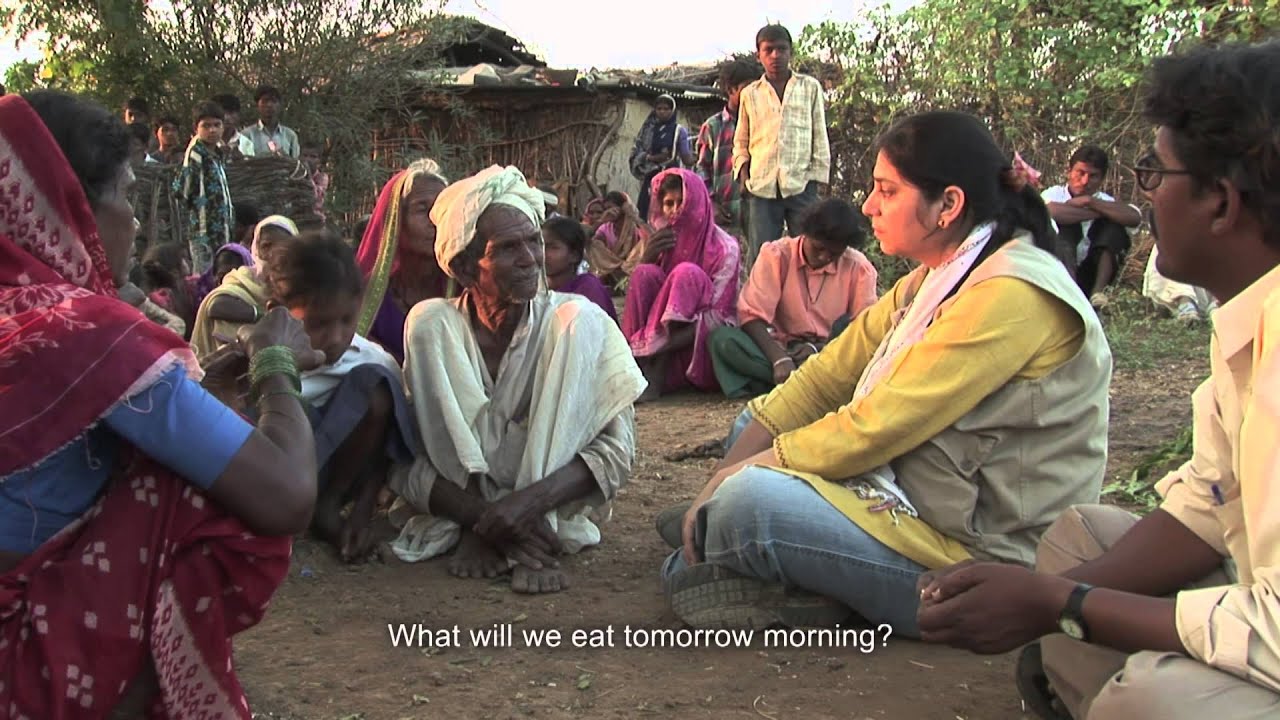 . The tragedies of the suicides shown in the films and reported in all of the media accounts are real. The reasons often given, however, are false, as I have previously discussed. But the GMO/suicide narrative has persisted because leading environmentalists and influential writers and journalists continue to repeat it. They do this despite evidence to the contrary that has been reported in the Guardian, BBC, Canada’s National Post, and elsewhere.
Several years ago, Cornell political scientist Ron Herring gave an illuminatin on this issue, in which he said:
Information flows through what I call authoritative brokers. Where do we get information we trust, especially with the Internet, and with the explosion of sources of information? None of us can incorporate all the possible sources of information and adjudicate them. Even if we could, we don’t have time. Most people don’t have the kind of expertise that’s required to understand what’s involved with genetic engineering of a crop. So we are dependent on brokers– all of us are.
Here’s a paper by Herring that elaborates on how “epistemic brokers” have sown global opposition to agricultural biotechnology. The successful propagation of the GMO/Indian farmer suicide narrative is a case study that is as fascinating as it is abhorrent. Nobody has unpacked it better than Herring. Here’s another paper of his from 2006 that reveals how the “suicide seeds” myth originated and why it failed to convince Indian farmers.
Still, as Herring and N Chandrasekhara Rao write in this 2012 article for the journal Economic and Political Weekly:
Much of the world believes that Prince Charles was correct in his 2008 pronouncement in New Delhi: “I blame GM crops for farmer suicides.” India has been a major source of the global narrative of catastrophe. Transgenic cotton seeds in India have been characterized not only as “suicidal,” but even “homicidal,” and finally, “genocidal” in prominent commentaries about rural India emerging from India and subsequently diffusing through global networks and media.
The catastrophe narrative is widely distributed but devoid of evidence.
Building on the work of Herring and other scholars, I have a long piece just published in Issues in Science and Technologythat tells how this “suicide seeds” narrative was constructed, why it’s wrong, and why it endures.
UPDATE: In response to this thisNature article, Vandana Shiva, the prominent environmentalist who is a relentless promoter of the GMO/Indian farmer suicide narrative (which I show in my piece), recently said this:
Shutting out evidence from reality is a completely unscientific approach. Reality cannot be cooked up in papers, no matter how prestigious the journals in which these concoctions are published.
Additional information:
Read this from UK journalist Leigh Phillips (section halfway down piece called “Those Infamous Suicides in India”); this post by Siddhartha Shome, who drills down into what he rightly calls a “highly complex and multidimensional phenomenon”; this piece from India Forbes; and finally, this post from anthropologist Glenn Stone, who too notes: “Most of what is said on the issue spreads through highly polarized agenda-driven information networks.” (Interestingly, Stone is dubious about the success of Bt cotton in India. Herring argues persuasively that he is in denial.)
http://blogs.discovermagazine.com/collideascape/2014/01/07/selling-suicide-seeds-narrative/#.VfoM9xFVikq
kloor
Over the past decade, the story of hundreds of thousands of Indian farmers being driven to suicide because of the failure of their genetically modified cotton crops has circulated widely in the media and of course, in antiGMO circles. An acclaimed 2011 documentary called Bitter Seeds chronicled the phenomenon. The film’s tagline is from a 2011 New York University think tank report. Others have also documented this story with heartrending imagery. The tragedies of the suicides shown in the films and reported in all of the media accounts are real. The reasons often given, however, are false, as I have previously discussed. But the GMO/suicide narrative has persisted because leading environmentalists and influential writers and journalists continue to repeat it. They do this despite evidence to the contrary that has been reported in the Guardian, BBC, Canada’s National Post, and elsewhere.
Several years ago, Cornell political scientist Ron Herringgave an illuminating talk on this issue, in which he said: Information flows through what I call authoritative brokers. Where do we get information we trust, especially with the Internet, and with the explosion of sources of information? None of us can incorporate all the possible sources of information and adjudicate them. Even if we could, we don’t have time. Most people don’t have the kind of expertise that’s required to understand what’s involved with genetic engineering of a crop. So we are dependent on brokers– all of us are. Here’s a paper by Herring that elaborates on how “epistemic brokers” have sown global opposition to agricultural biotechnology. The successful propagation of the GMO/Indian farmer suicide narrative is a case study that is as fascinating as it is abhorrent. Nobody has unpacked it better than Herring. Here’s another paper of his from 2006 that reveals how the “suicide seeds” myth originated and why it failed to convince Indian farmers.
CollideaScape 9/16/2015 The Selling of the Suicide Seeds Narrative CollideaScape http://blogs.discovermagazine.com/collideascape/2014/01/07/sellingsuicideseedsnarrative/#.VfoM9xFVikq 2/2
[Ron Herring
 USA
Cornell based political scientist and advisor, along with CS Prakash, to the industry-linked Foundation for Biotechnology Awareness and Education (FBAE) based in Bangalore.
Article: China, Rice and GMOs, Response to Herring from DDS
See also: Shanthu Shantharam]
Still, as Herring and N Chandrasekhara Rao write in this 2012 article for the journal Economic and Political Weekly: Much of the world believes that Prince Charles was correct in his 2008 pronouncement in New Delhi: “I blame GM crops for farmer suicides.” India has been a major source of the global narrative of catastrophe. Transgenic cotton seeds in India have been characterized not only as “suicidal,” but even “homicidal,” and finally, “genocidal” in prominent commentaries about rural India emerging from India and subsequently diffusing through global networks and media. The catastrophe narrative is widely distributed but devoid of evidence. Building on the work of Herring and other scholars, I have a long piece just published in Issues in Science and Technology that tells how this “suicide seeds” narrative was constructed, why it’s wrong, and why it endures. UPDATE: In response to this this Nature article, Vandana Shiva, the prominent environmentalist who is a relentless promoter of the GMO/Indian farmer suicide narrative (which I show in my piece), recently said this: Shutting out evidence from reality is a completely unscientific approach. Reality cannot be cooked up in papers, no matter how prestigious the journals in which these concoctions are published.
Additional information: Read this from UK journalist Leigh Phillips (section halfway down piece called “Those Infamous Suicides in India”); this post by Siddhartha Shome, who drills down into what he rightly calls a “highly complex and multidimensional phenomenon”; this piece from India Forbes; and finally, this post from anthropologist Glenn Stone, who too notes: “Most of what is said on the issue spreads through highly polarized agendadriven information networks.” (Interestingly, Stone is dubious about the success of Bt cotton in India. Herring argues persuasively that he is in denial.) CATEGORIZED UNDER: BIOTECHNOLOGY, GMOS, SELE
==
GM cotton has driven farmers to suicide: False
During an interview in March, Vandana Shiva, an environmental and feminist activist from India, repeated an alarming statistic: “270,000 Indian farmers have committed suicide since Monsanto entered the Indian seed market,” she said. “It’s a genocide.”
The claim, based on an increase in total suicide rates across the country in the late 1990s, has become an oft-repeated story of corporate exploitation since Monsanto began selling GM seed in India in 2002.

Source: Ref. 5
Expand
Bt cotton, which contains a gene from the bacterium Bacillus thuringiensis to ward off certain insects, had a rough start. Seeds initially cost five times more than local hybrid varieties, spurring local traders to sell packets containing a mix of Btand conventional cotton at lower prices. The sham seeds and misinformation about how to use the product resulted in crop and financial losses. This no doubt added strain to rural farmers, who had long been under the pressures of a tight credit system that forced them to borrow from local lenders.
But, says Glover, “it is nonsense to attribute farmer suicides solely to Bt cotton”. Although financial hardship is a driving factor in suicide among Indian farmers, there has been essentially no change in the suicide rate for farmers since the introduction of Bt cotton.
That was shown by researchers at the International Food Policy Research Institute in Washington DC, who scoured government data, academic articles and media reports about Bt cotton and suicide in India. Their findings, published in 2008 (ref. 4) and updated in 2011 (ref. 5), show that the total number of suicides per year in the Indian population rose from just under 100,000 in 1997 to more than 120,000 in 2007. But the number of suicides among farmers hovered at around 20,000 per year over the same period.
And since its rocky beginnings, Bt cotton has benefited farmers, says Matin Qaim, an agricultural economist at Georg August University in Göttingen, Germany, who has been studying the social and financial impacts of Btcotton in India for the past 10 years. In a study of 533 cotton-farming households in central and southern India, Qaim found that yields grew by 24% per acre between 2002 and 2008, owing to reduced losses from pest attacks6. Farmers’ profits rose by an average of 50% over the same period, owing mainly to yield gains (see ‘A steady rate of tragedy’). Given the profits, Qaim says, it is not surprising that more than 90% of the cotton now grown in India is transgenic.
Glenn Stone, an environmental anthropologist at Washington University in St Louis, says that the empirical evidence for yield increases with Bt cotton is lacking. He has conducted original field studies7 and analysed the research literature8 on Bt cotton yields in India, and says that most peer-reviewed studies reporting yield increases with Bt cotton have focused on short time periods, often in the early years after the technology came online. This, he says, introduced biases: farmers who adopted the technology first tended to be wealthier and more educated, and their farms were already producing higher-than-average yields of conventional cotton. They achieved high yields ofBt cotton partly because they lavished the expensive GM seeds with care and attention. The problem now is that there are hardly any conventional cotton farms left in India to compare GM yields and profits against, says Stone. Qaim agrees that many studies showing financial gains focus on short-term impacts, but his study, published in 2012, controlled for these biases and still found continued benefits.
Bt cotton did not cause suicide rates to spike, says Glover, but neither is it the sole reason for the yield improvements. “Blanket conclusions that the technology is a success or failure lack the right level of nuance,” he says. “It’s an evolving story in India, and we have not yet reached a definitive conclusion.”
Transgenes spr
==
The Scientfic American Blog Network (@SciAmBlogs) is a forum for a diverse and independent set of voices discussing issues around science. With exception of staff blogs such as @ScientificAmerican, Observations, Guest Blog and Expeditions, posts are unedited before publication and do not necessarily represent the views of Scientific American.
--
A Response to Recent Criticism
By Curtis Brainard | July 2, 2014 |  4
The views expressed are those of the author and are not necessarily those of Scientific American.
Scientific American has recently been criticized for two posts that appeared on our blog network. The first was a guest post in April about Larry Summers’ statement regarding women in science. The second was a post in May, which favorably reviewed a controversial book by Nicholas Wade, A Troublesome Inheritance: Genes, Race and Human History.
The posts provoked accusations on social media that Scientific American was promoting sexism, racism and genetic determinism. While we believe that such charges are excessive, we share readers’ concerns. Although we expect our bloggers to cover controversial topics from time to time, we also recognize that sensitive issues require extra care, and that did not happen here. The author and I have discussed the shortcomings of the two posts in detail, including the lack of attention given to countervailing arguments and evidence, and he understood the deficiencies.
As stated at the top of every post, Scientific American does not always share the views and opinions expressed by our bloggers,just as our writers do not always share our editorial positions. At the same time, we realize our network’s bloggers carry theScientific American imprimatur and that we have a responsibility to ensure that—differences of opinion notwithstanding—their work meets our standards for accuracy, integrity, transparency, sensitivity and other attributes.
We are currently revising guidelines with our blogging community with the aim of preventing missteps. We will not un-publish the posts, however, because they are now part of a digital record of this incident that others may learn from. Toward that end, we have added an editor’s note to each with a link to this post. As always, we rely on the community for feedback and support for guidance.
About the Author: Curtis Brainard is the Blogs Editor at Scientific American. Follow on Twitter @cbrainard.
==
GLP:
Cami Ryan
Consumers and GMOs: Adrift in a sea of misinformation
Cami Ryan | March 18, 2014 |
Who is Vandana Shiva and why is she saying such awful things about GMOs?
Cami Ryan | January 28, 2014 | Genetic Literacy Project
Ted Talks and videos on the science of GMOs
Cami Ryan | January 17, 2014 |
Podcast: Agricultural researcher Cami Ryan discusses Séralini controversy
Cami Ryan | December 6, 2013 | Rob Breakenridge Show
Labeling GM foods, and other “Krafty” stuff
guest blog w/ caveat/disclaimer: http://blogs.scientificamerican.com/guest-blog/2013/09/05/labels-and-other-krafty-stuff/
Cami Ryan | September 6, 2013 | Scientific American
What’s in a GMO label?
Cami Ryan | September 3, 2013 | Independent Women's Forum
10 reasoned responses to “10 reasons we don’t need GMOs”
Cami Ryan | July 19, 2013 | RealAgriculture.com
From ‘I smell a rat’ to ‘when pigs fly’, bad science makes its rounds
Cami Ryan | June 14, 2013 | doccamiryan
Why genetic modification myths are so appealing and powerful
Cami Ryan | May 31, 2013 | Discover
Ten responses to “Ten reasons we don’t need GMOs”
Cami Ryan | May 10, 2013 | doccamiryan
Bowman v. Monsanto is not about the save-the-seeds myth
Cami Ryan | February 25, 2013 | Winnipeg Free Press===:{
}::{
http://members.tripod.com/~ngin/11.htm
THE "GOLDEN RICE" HOAX -
When Public Relations replaces Science
by Dr. Vandana Shiva
"Golden Rice": A technology for creating Vitamin A deficiency.
Golden rice has been heralded as the miracle cure for malnutrition and hunger of which 800m members of
the human community suffer.
Herbicide resistant and toxin producing genetically engineered plants can be objectionable because of their
ecological and social costs. But who could possibly object to rice engineered to produce vitamin A, a
deficiency found in nearly 3 million children, largely in the Third World?
As remarked by Mary Lou Guerinot, the author of the Commentary on Vitamin A rice in Science, one
can only hope that this application of plant genetic engineering to ameliorate human misery without regard
to short term profit will restore this technology to political acceptability.
Unfortunately, Vitamin A rice is a hoax, and will bring further dispute to plant genetic engineering where
public relations exercises seem to have replaced science in promotion of untested, unproven and
unnecessary technology.
The problem is that vitamin A rice will not remove vitamin A deficiency (VAD). It will seriously
aggravate it. It is a technology that fails in its promise.
Currently, it is not even known how much vitamin JA the genetically engineered rice will produce. The
goal is 33.3% micrograms/100g of rice. Even if this goal is reached after a few years, it will be totally
ineffective in removing VAD.
Since the daily average requirement of vitamin A is 750 micrograms of vitamin A and 1 serving contains
30g of rice according to dry weight basis, vitamin A rice would only provide 9.9 micrograms which is
1.32% of the required allowance. Even taking the 100g figure of daily consumption of rice used in the
technology transfer paper would only provide 4.4% of the RDA.
In order to meet the full needs of 750 micrograms of vitamin A from rice, an adult would have to
consume 2 kg 272g of rice per day. This implies that one family member would consume the entire
family ration of 10 kg. from the PDS in 4 days to meet vitaminA needs through "Golden rice".
This is a recipe for creating hunger and malnutrition, not solving it.
Besides creating vitamin A deficiency, vitamin A rice will also create deficiency in other micronutrients
and nutrients. Raw milled rice has a low content of Fat (0.5g/100g). Since fat is necessary for vitamin A
uptake, this will aggravate vitamin A deficiency. It also has only 6.8g/100g of protein, which means less
carrier molecules. It has only 0.7g/100g of iron, which plays a vital role in the conversion of Betacarotene
(precursor of vitamin A found in plant sources) to vitamin A.
Superior Alternatives exist and are effective.
A far more efficient route to removing vitamin A deficiency is biodiversity conservation and propagation
of naturally vitamin A rich plants in agriculture and diets.
Table 1 gives sources rich in vitamin A used commonly in Indian foods.
Source Hindi name/ Content (microgram/100g)
(Amaranth leaves) Chauli saag=266-1,166 -
(Coriander leaves) - Dhania=1,166-1,333
(Cabbage) Bandh gobi=217
(Curry leaves)-Curry patta=1,333
(Drumstick leaves)-Saijan patta1=283
(Fenugreek leaves)-Methi-ka-saag=450
(Radish leaves)-Mooli-ka-saag=750
(Mint)-Pudhina=300
(Spinach)-Palak saag=600
(Carrot)-Gajar=217-434
(Pumpkin (yellow))-Kaddu=100-120
(Mango (ripe))-Aam=500
(Jackfruit)-Kathal=54
(Orange)-Santra=35
(Tomato (ripe))-Tamatar=32
(Milk (cow, buffalo))-Doodh=50-60
(Butter)-Makkhan=720-1,200
(Egg (hen))-Anda=300-400
(Liver (Goat, sheep))-Kalegi=6,600 - 10,000
Cod liver oil=10,000 - 100,000
In spite of the diversity of plants evolved and bred for their rich vitamin A content, a report of the Major
Science Academies of the World - Royal Society, U.K., National Academy of Sciences of the USA, The
Third World Academy of Science, Indian National Science Academy, Mexican Academy of Sciences,
Chinese Academy of Sciences, Brazilian Academy of Sciences - on Transgenic Plants and World
Agriculture has stated, Vitamin A deficiency causes half a million children to become partially or totally
blind each year.
Traditional breeding methods have been unsuccessful in producing crops containing a high vitamin A
concentration and most national authorities rely on expensive and complicated supplementation programs
to address the problem. Researchers have introduced three new genes into rice, two from daffodils and
one from a microorganism. The transgenic rice exhibits an increased production of betacarotene as a
precursor to vitamin A and the seed in yellow in colour. Such yellow, or golden rice, may be a useful tool
to help treat the problem of vitamin A deficiency in young children living in the tropics.
It appears as if the world’s top scientists suffer a more severe form of blindness than children in poor
countries. The statement that "traditional breeding has been unsuccessful in producing crops high in
vitamin A" is not true given the diversity of plants and crops that Third World farmers, especially women
have bred and used which are rich sources of vitamin A such as coriander, amaranth, carrot, pumpkin,
mango, jackfruit.
It is also untrue that vitamin A rice will lead to increased production of betacarotene. Even if the target
of 33.3 microgram of vitamin A in 100g of rice is achieved, it will be only 2.8% of betacarotene we can
obtain from amaranth leaves 2.4% of betacarotene obtained from coriander leaves, curry leaves and
drumstick leaves.
Even the World Bank has admitted that rediscovering and use of local plants and conservation of vitamin
A rich green leafy vegetables and fruits have dramatically reduced VAD threatened children over the past
20 years in very cheap and efficient ways. Women in Bengal use more than 200 varieties of field greens.
Over a 3 million people have benefited greatly from a food based project for removing VAD by increasing
vitamin A availability through home gardens. The higher the diversity crops the better the uptake of
pro-vitamin A.
The reason there is vitamin A deficiency in India in spite of the rich biodiversity a base and indigenous
knowledge base in India is because the Green Revolution technologies wiped out biodiversity by
converting mixed cropping systems to monocultures of wheat and rice and by spreading the use of
herbicides which destroy field greens.
In spite of effective and proven alternatives, a technology transfer agreement has been signed between the
Swiss Government and the Government of India for the transfer of genetically engineered vitamin A rice
to India.
The ICAR, ICMR, ICDS, USAIUD, UNICEF, WHO have been identified as potential partners. The
breeding and transformation is to be carried out at Tamil Nadu Agricultural University, Coimbatore,
Central Rice Research Institute, Cuttack and Punjab Agricultural University, Ludhiana and University of
Delhi, South Campus.
The Indian varieties in which the vitamin A traits are expected to be engineered have been identified as IR
64, Pusa Basmati, PR 114 and ASD 16.
Dr. M.S. Swaminathan has been identified as "God father" to ensuring public acceptance of genetically
engineered rice. DBT & ICAR are also potential partners for guaranteeing public acceptance and steady
progress of the project.
Genetically engineered vitamin A rice will aggravate this destruction since it is part of an industrial
agriculture, intensive input package. It will also lead to major water scarcity since it is a water intensive
crop and displaces water prudent sources of vitamin A.
Transferring an Illusion to India.
The first step in the technology transfer of vitamin A rice requires a need assessment and an assessment
of technology availability. One assessment shows that vitamin A rice fails to pass the need test.
The technology availability issue is related to whether the various elements and methods used for the
construction of transgenic crop plants are covered by intellectual property rights. Licenses for these rights
need to be obtained before a product can be commercialised. The Cornell based ISAAA (International
Service for the Acquisition of Agri-biotech Application) has been identified as the partner for ensuring
technology availability by ensuring technology availability by having material transfer agreements signed
between the representative authority of the ICAR and the "owners" of the technology, Prof. I. Potrykus
and Prof. P. Beyer.
In addition, Novartis and Kerin Breweries have patents on the genes used as constructs for the vitamin A
rice.
At a public hearing on Biotechnology at U.S. Congress on 29th June 2000, Astra-Zeneca stated they
would be giving away royalty free licenses for the development of "Golden rice".
At a workshop organised by the M. S. Swaminathan Research Foundation, Dr. Barry of Monsanto’s Rice
Genome initiative announced that it will provide royalty-free licenses for all its technologies that can help
the further development of "golden rice".
Hence these gene giants Novartis, Astra-Zeneca and Monsanto are claiming exclusive ownership to the
basic patents related to rice research. Further, neither Monsanto nor Astra - Zeneca said they will give up
their patents on rice - they are merely giving royalty free licenses to public sector scientists for
development of "golden rice". This is an arrangement for a public subsidy to corporate giants for R&D
since they do not have the expertise or experience with rice breeding which public institutions have.
Not giving up the patents, but merely giving royalty free licenses implies that the corporations like
Monsanto would ultimately like to collect royalties from farmers for rice varieties developed by public
sector research systems. Monsanto has stated that it expects long term gains from these IPR
arrangements, which implies markets in rice as "intellectual property" which cannot be saved or
exchanged for seed. The real test for Monsanto would be its declaration of giving up any patent claims to
rice now and in the future and joining the call to remove plants and biodiversity out of TRIPS. Failing
such an undertaking by Monsanto the announcement that Monsanto giving royalty free licenses for
development of vitamin A rice like the rice itself can only be taken as a hoax to establish monopoly over
rice production, and reduce rice farmers of India into bio-serfs.
While the complicated technology transfer package of "Golden Rice" will not solve vitamin A problems in
India, it is a very effective strategy for corporate take over of rice production, using the public sector as a
Trojan horse.
}: