Underactive Bladder
Novel device to improve performance of underactive bladders
Videos
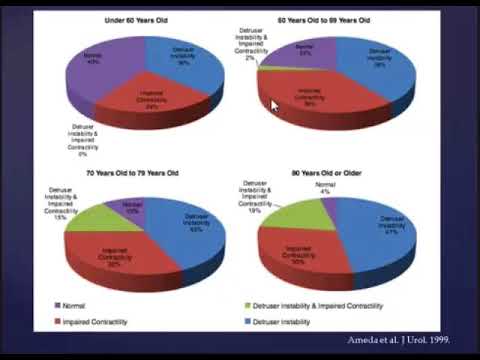
Underactive Bladder:
How to Empty Your Bladder and Overcome Incomplete Bladder Emptying | Complete PHYSIOTHERAPY GUIDE

Intradetrusor Injection of Adult Muscle-Derived Cells for the Treatment of Underactive Bladder
PROXIMAL URETHRAL ELECTRICAL STIMULATION DRAMATICALLY IMPROVES UNDERACTIVE BLADDER FUNCTION...
UAB is a syndrome that includes the urinary symptoms of hesitancy, straining and incomplete bladder emptying in the absence of any blockage of the bladder or the urethra. The current definition of underactive bladder (UAB) states, “UAB is characterized by a slow urinary stream, hesitancy, and straining to void with or without a feeling of incomplete bladder emptying, sometimes with storage symptoms.”
What Is Underactive Bladder?
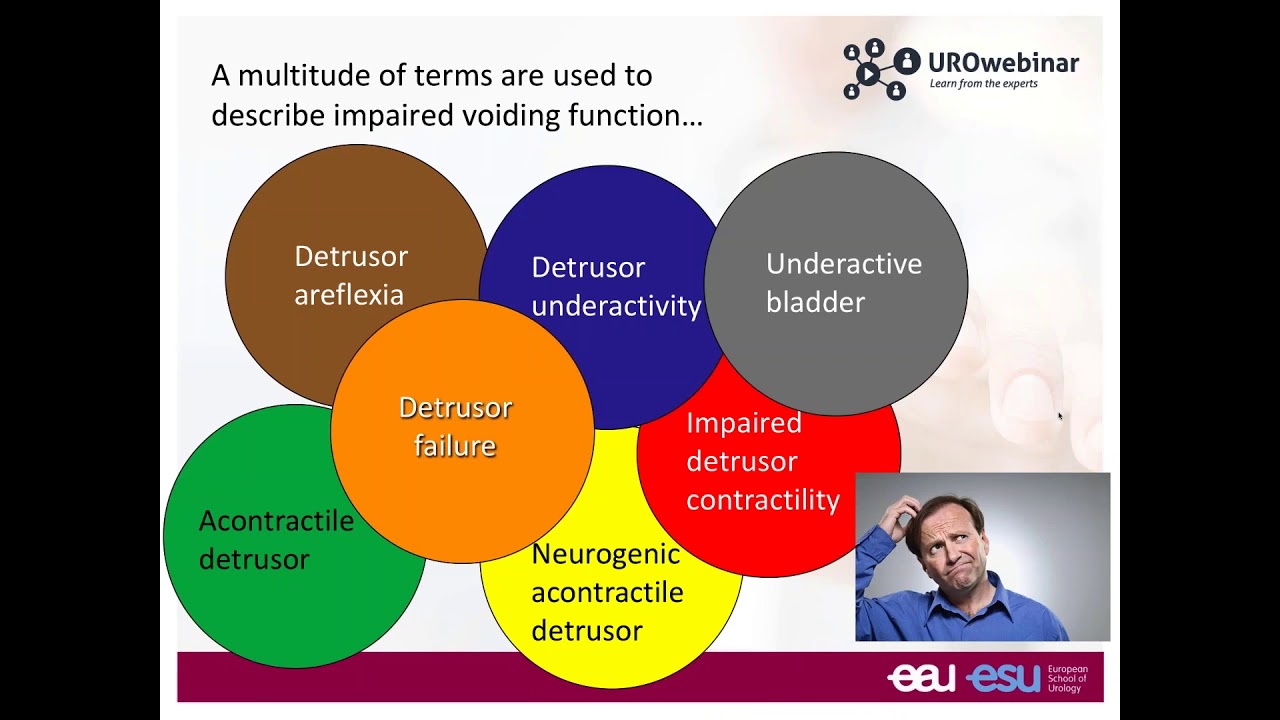
UAB is a serious, ongoing, and difficult disease and it has serious consequences if not treated. Your healthcare professional may refer to underactive bladder as detrusor underactivity, hypotonic bladder, flaccid bladder, lazy bladder, and detrusor hypoactivity. A diagnosis of UAB is usually confirmed with pressure flow urodynamic tests and patient history. How many people have UAB is not known, and studies are needed to determine its prevalence.
People with UAB can usually hold large amounts of urine in their bladders but are not able to sense that their bladders are full and need emptying. A person can have both UAB and OAB. Persons with UAB are not able to contract their muscles with enough strength or force to empty their bladders completely when they go to the bathroom. Like many diseases, UAB varies from person to person as far as the symptoms and the severity level, and it can affect people from a young age to those over 60 years. All ethnic groups are affected, also.
Prevention and Treatment of Underactive Bladder
We do not know how to prevent UAB at this time, but there are some treatment options available, although none is an absolute cure for this problem. A large amount of research on UAB is under way, however, which could bring new treatments and the potential for cures in the future.
Current treatments are the use of prescription medications (Bethanechol, Doxazosin and Finasteride), double or triggered-reflex voiding, and the use of intermittent self-catheterizations to drain the bladder. These treatments may not represent a cure, but instead they slow down the disease and helps limit the damage done by UAB on the bladder and kidneys. Read more...