Hydrangea Growing

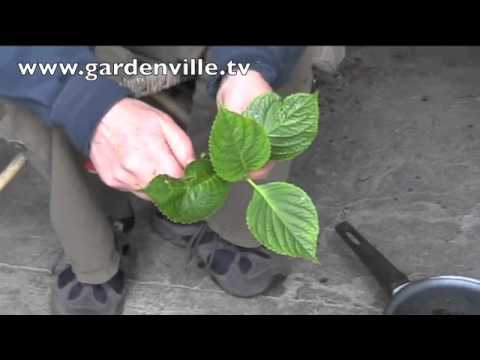
Pruning

Teaching a Hydrangea shrub to become a beautiful flowering tree

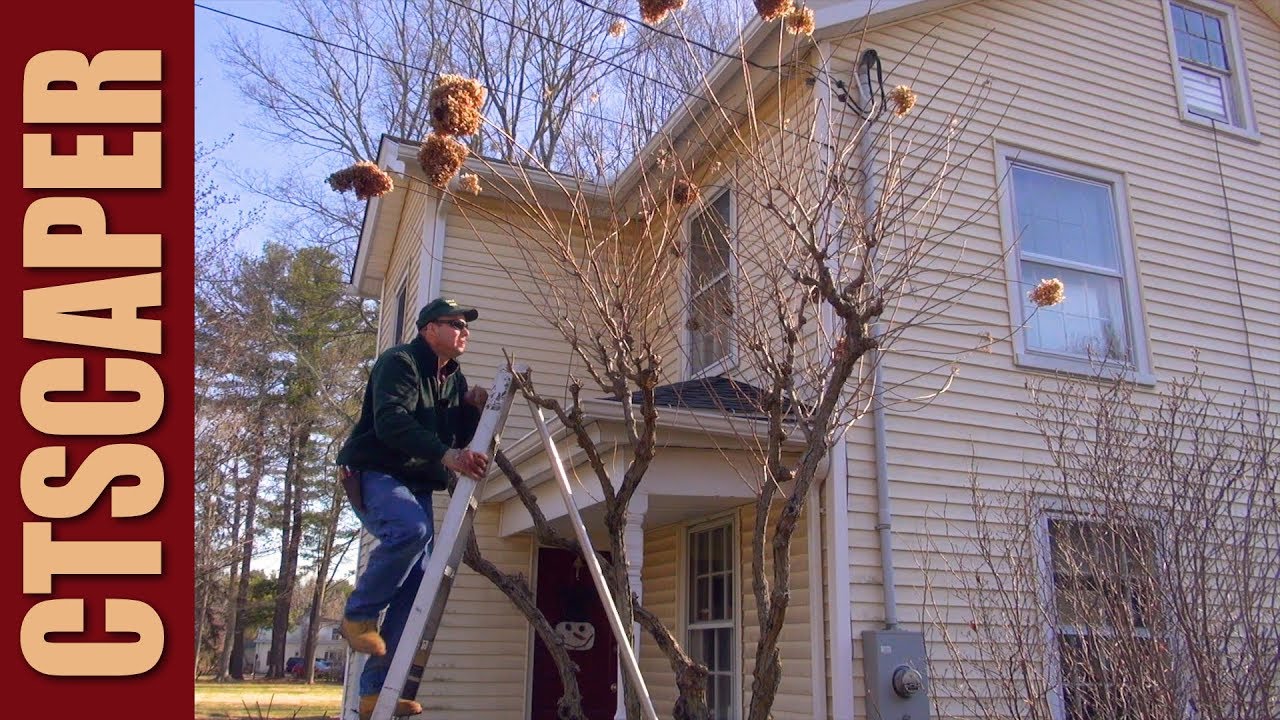
Hydrangeas are beloved for their lush blooms and vibrant colors, making them a popular choice for gardeners looking to add a touch of elegance to their landscapes. Whether you're a seasoned gardener or a beginner, growing hydrangeas can be a rewarding experience.
Understanding Hydrangea Varieties
Hydrangeas come in several varieties, each with unique characteristics. The most common types include:
- Hydrangea macrophylla (Bigleaf Hydrangea): Known for its large, round flower heads, this variety is often seen in shades of blue, pink, or purple. The color can change based on soil pH.
- Hydrangea paniculata (Panicle Hydrangea): These have cone-shaped flower clusters and are typically white, turning pink as they age.
- Hydrangea arborescens (Smooth Hydrangea): Known for their large, white blooms, these are hardy and adaptable.
- Hydrangea quercifolia (Oakleaf Hydrangea): Recognizable by their oak-shaped leaves and white flowers that turn pinkish-brown in the fall.
Choosing the Right Location
Selecting the appropriate location is crucial for hydrangea growth. Consider the following factors:
- Sunlight: Most hydrangeas prefer morning sun and afternoon shade. Too much direct sunlight can scorch the leaves, while too little can hinder blooming.
- Soil: Hydrangeas thrive in well-drained, fertile soil. Amend the soil with organic matter like compost to improve drainage and nutrient content.
- Space: Ensure adequate space for air circulation to prevent diseases. Hydrangeas can grow quite large, so plan for their mature size.
Planting Hydrangeas
When planting hydrangeas, timing and technique are key:
- Timing: The best time to plant hydrangeas is in the spring or fall when temperatures are mild.
- Digging the Hole: Dig a hole twice as wide and as deep as the root ball. This allows the roots to spread easily.
- Planting: Place the hydrangea in the hole, ensuring the top of the root ball is level with the soil surface. Backfill with soil and water thoroughly.
Watering and Fertilizing
Proper watering and fertilization are essential for healthy hydrangeas:
- Watering: Hydrangeas need consistent moisture, especially during dry spells. Water deeply once a week, ensuring the soil is moist but not waterlogged.
- Fertilizing: Use a balanced, slow-release fertilizer in the spring. Avoid over-fertilizing, as this can lead to lush foliage but fewer blooms.
Pruning Hydrangeas
Pruning helps maintain the shape and encourages blooming. The timing and method depend on the variety:
- Bigleaf and Oakleaf Hydrangeas: Prune after flowering in the summer. Remove dead or weak stems and shape the plant as needed.
- Panicle and Smooth Hydrangeas: Prune in late winter or early spring before new growth begins. Cut back to a pair of healthy buds.
Managing Pests and Diseases
Hydrangeas are relatively pest-resistant, but they can still face issues:
- Pests: Watch for aphids, spider mites, and slugs. Use insecticidal soap or neem oil for control.
- Diseases: Powdery mildew and leaf spot are common. Ensure good air circulation and avoid overhead watering to prevent these diseases.
Adjusting Bloom Color
For Bigleaf Hydrangeas, you can alter the bloom color by adjusting soil pH:
- Blue Blooms: Achieve blue flowers by lowering the soil pH with aluminum sulfate.
- Pink Blooms: Raise the soil pH with lime to encourage pink blooms.
Winter Care
In colder climates, hydrangeas may need protection during winter:
- Mulching: Apply a thick layer of mulch around the base to insulate the roots.
- Covering: Use burlap or frost cloth to cover the plant if severe frost is expected.