Common Hackberry
Videos
Why cavemen ate these strange berries (and you should too)
Overview
How to Process Common Hackberry Fruits
Celtis occidentalis, commonly known as the common hackberry, is a deciduous tree native to North America. It belongs to the family Cannabaceae and is widely recognized for its adaptability to various environmental conditions. This tree is often found in woodlands, along riverbanks, and in urban landscapes due to its resilience and low maintenance requirements.
Botanical Characteristics
Appearance
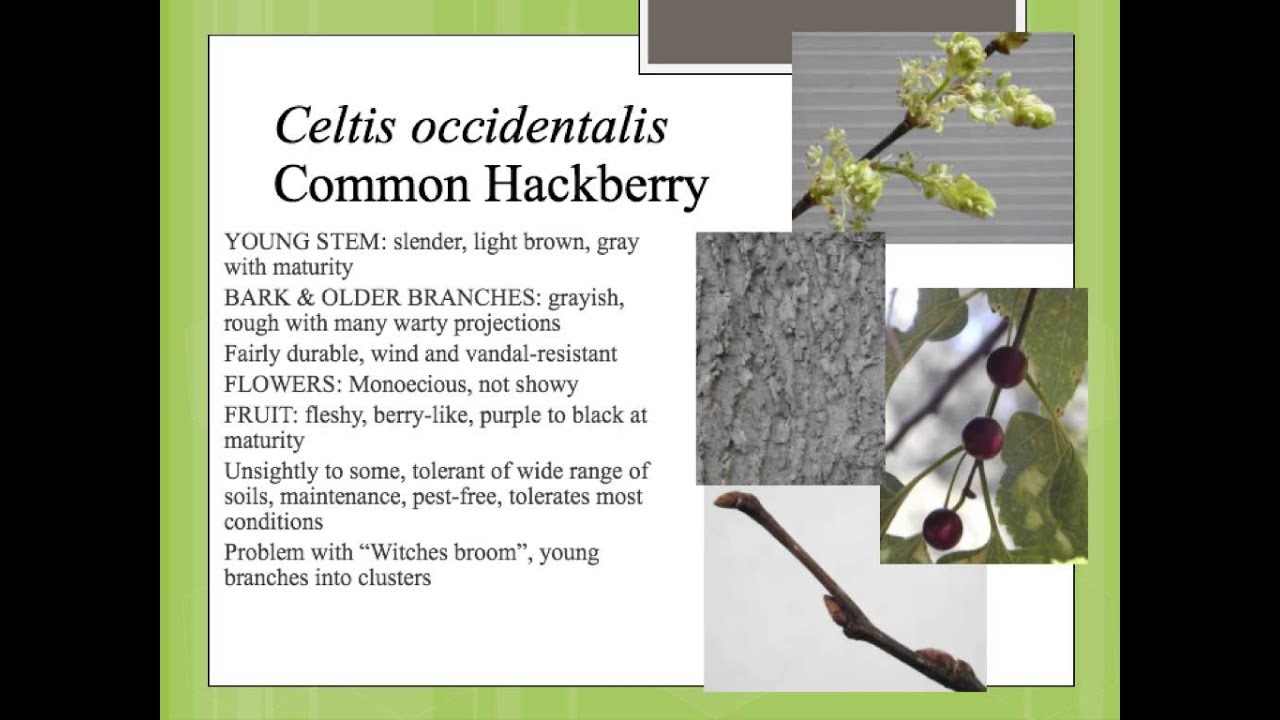
Celtis occidentalis typically grows to a height of 40 to 60 feet, although it can occasionally reach up to 100 feet under optimal conditions. The tree has a broad, rounded crown with spreading branches. The bark is distinctive, featuring a corky, warty texture that becomes more pronounced with age.
Leaves
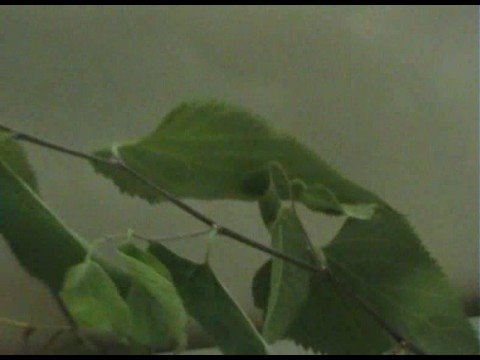
The leaves of the common hackberry are simple, alternate, and ovate to lanceolate in shape. They measure between 2 to 4 inches in length and have serrated edges. The upper surface of the leaves is rough to the touch, while the underside is smoother and lighter in color. In the fall, the leaves turn a yellowish hue before dropping.
Flowers and Fruit
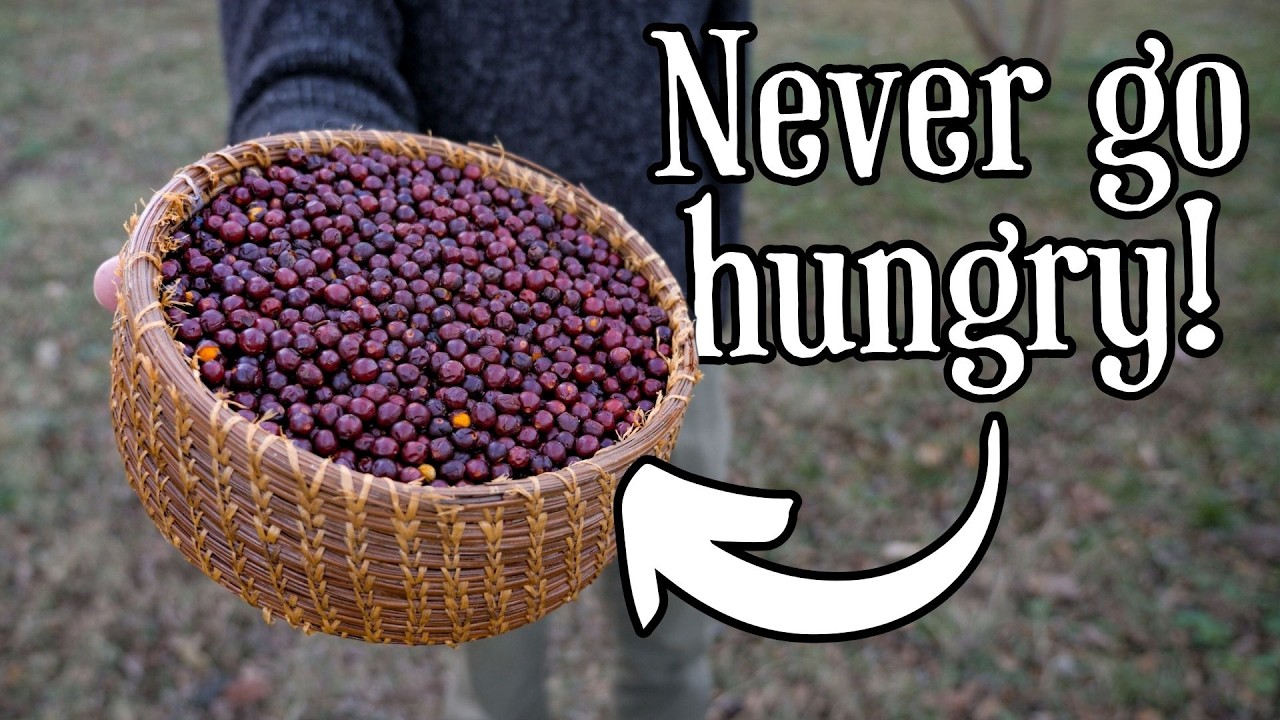
Celtis occidentalis produces small, inconspicuous greenish flowers in the spring. These flowers are monoecious, meaning that both male and female flowers are found on the same tree. The fruit is a small, dark purple drupe that matures in late summer to early fall. These drupes are edible and are often consumed by birds and other wildlife.
Ecological Importance
Wildlife Habitat
The common hackberry plays a crucial role in supporting local ecosystems. Its fruits are a vital food source for various bird species, including cedar waxwings, robins, and mockingbirds. Additionally, the tree provides shelter and nesting sites for birds and small mammals.
Soil Stabilization
Celtis occidentalis is often planted for its ability to stabilize soil, particularly in riparian zones. Its extensive root system helps prevent soil erosion and improves water quality by filtering runoff.
Cultivation and Uses
Edibility:
Abundance: plentiful
What: berries
How: raw, dried, preserves
Where: moist, sunny areas
When: fall when berries are red, orange, or purple
Nutritional Value: calories, protein
Growing Conditions
The common hackberry is highly adaptable and can thrive in a range of soil types, including clay, loam, and sandy soils. It prefers full sun but can tolerate partial shade. The tree is also drought-resistant once established, making it suitable for xeriscaping.
Landscaping
Due to its hardiness and low maintenance needs, Celtis occidentalis is a popular choice for urban landscaping. It is often planted in parks, along streets, and in residential areas. The tree's unique bark and attractive form add aesthetic value to landscapes.
Wood and Other Uses
The wood of the common hackberry is light and soft, making it suitable for furniture, crates, and plywood. Historically, the bark and leaves have been used in traditional medicine for their purported health benefits.
Challenges and Pests
Disease Susceptibility
While Celtis occidentalis is generally hardy, it is susceptible to certain diseases, such as witches' broom, caused by a combination of a mite and a powdery mildew fungus. This condition results in dense clusters of twig growth, which can affect the tree's overall health.
Insect Pests
The tree can also be affected by various insect pests, including hackberry nipple gall makers and hackberry psyllids. These pests cause galls and other deformities on the leaves, but they rarely cause significant damage to the tree.
Conservation and Management
Urban Forestry
In urban settings, the common hackberry is valued for its ability to withstand pollution and compacted soils. It is often included in urban forestry programs aimed at increasing green cover and improving air quality.
Restoration Projects
Celtis occidentalis is also used in ecological restoration projects, particularly in areas where soil erosion is a concern. Its ability to establish quickly and improve soil structure makes it an ideal candidate for such initiatives.
Recipes
Wikipedia:
Celtis occidentalis, commonly known as the common hackberry, is a large deciduous tree native to North America. It is also known as the nettletree, sugarberry, beaverwood, northern hackberry, and American hackberry. It is a moderately long-lived hardwood with a light-colored wood, yellowish gray to light brown with yellow streaks.
The common hackberry is easily distinguished from elms and some other hackberries by its cork-like bark with wart-like protuberances. The remarkable bark pattern is even more pronounced in younger trees, with the irregularly-spaced ridges resembling long geologic palisades of sedimentary [layered] rock formations when viewed edge-wise [cross-section]. Coins as large as USA quarters can easily be laid flat against the valleys, which may be as deep as an adult human finger.
The leaves are distinctly asymmetrical and coarse-textured. It produces small berries that turn orange-red to dark purple in the autumn, often staying on the trees for several months. The common hackberry is easily confused with the sugarberry(Celtis laevigata) and is most easily distinguished by range and habitat. The common hackberry also has wider leaves that are coarser above than the sugarberry.