Syphilis
See also: Psoriasiform Tissue Reaction
Videos
2025 - Syphilis Is Changing Like We've Never Seen... In Seattle
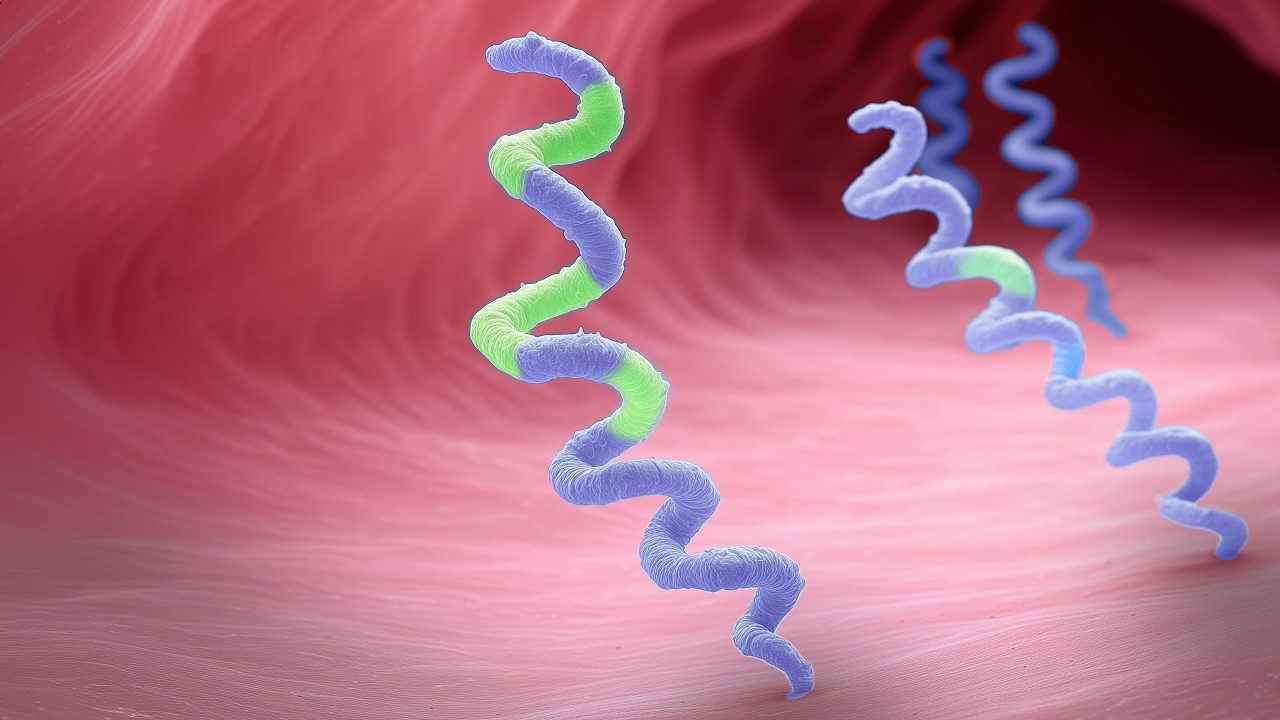

Animation

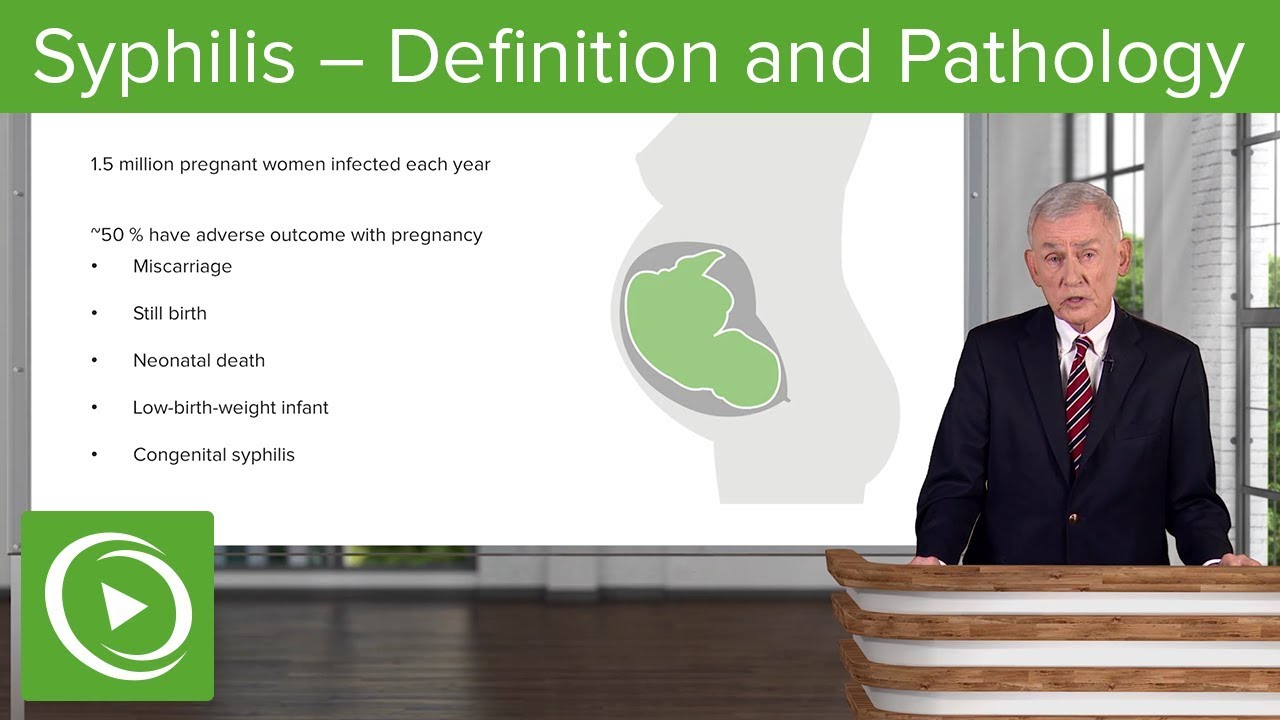
Mechanism:
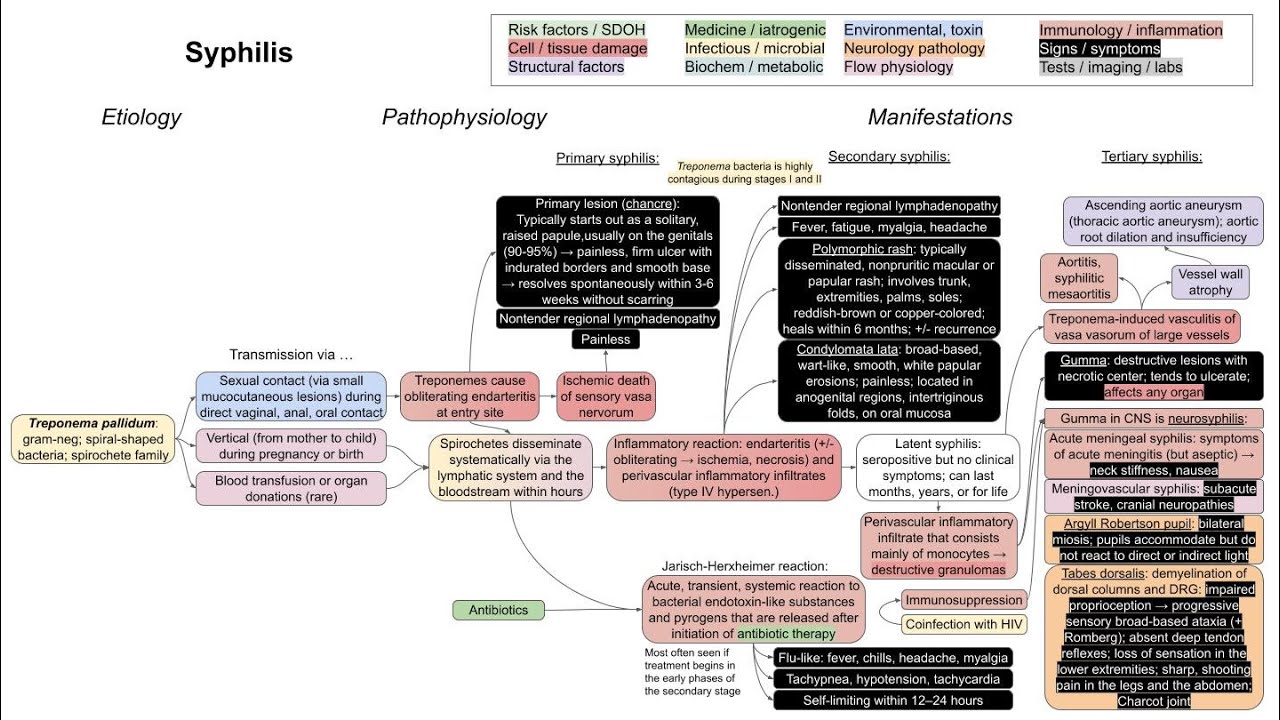
Signs and Symptoms
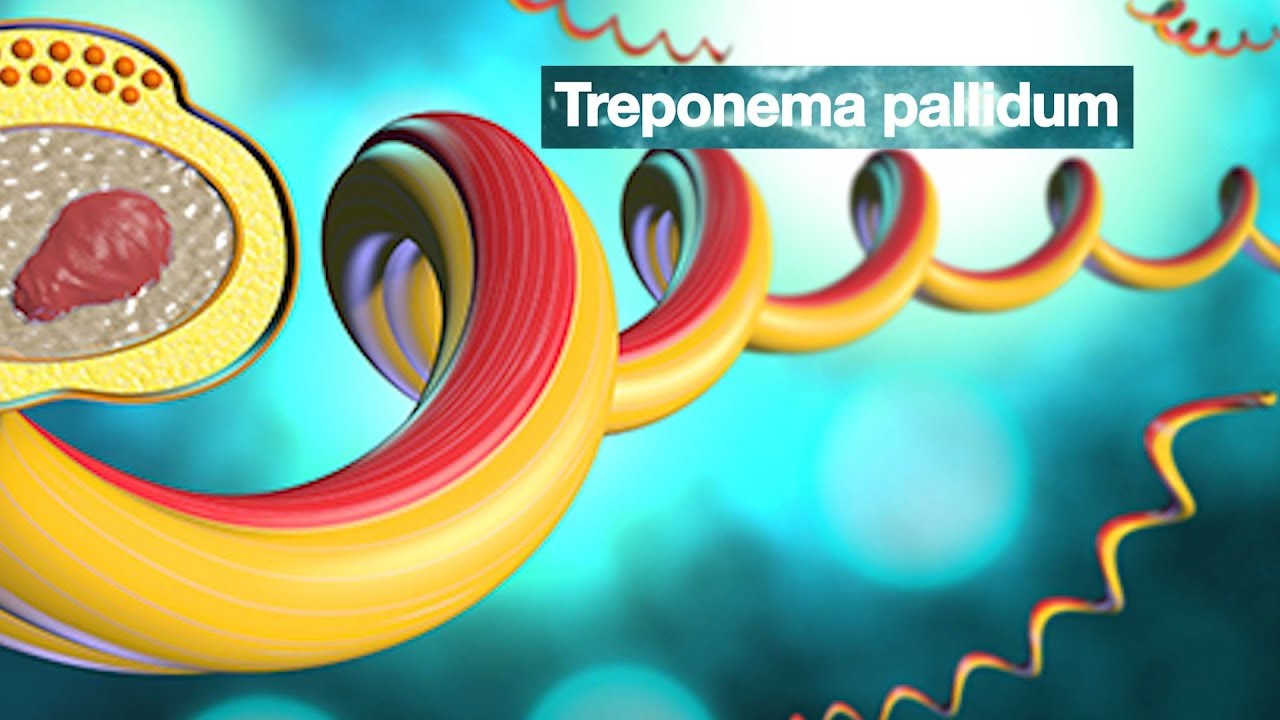
Feb 2024 US: Syphilis rates soar to historic highs
Syphilis is a bacterial persistor . Persistors are a small fraction of quiescent bacterial cells that survive lethal antibiotics or stresses but can regrow under appropriate conditions leading to post-treatment relapse.
3,500-year-old skeletons challenge what scientists thought they knew about syphilis. Ancient remains from Vietnam suggest diseases like yaws may have been passed from mother to child thousands of years ago, a form of transmission often assumed to indicate syphilis. The discovery could overturn how scientists interpret ancient infections and complicate the long-running mystery of syphilis’s origins.
Syphilis cases in US newborns skyrocketed in 2022. Health officials suggest more testing
Researchers use search engines, social media to predict syphilis trends
Syphilis eludes immune attack by altering a single gene
Acneiform Eruptions appear in the secondary stage
The third stage of syphilis manifests as aneurysm of the aorta, which is due to loss of the vasa vasorum in the tunica adventitia.
Feb. 2023 Mississippi sees 900% rise in number of infants born with congenital syphilis
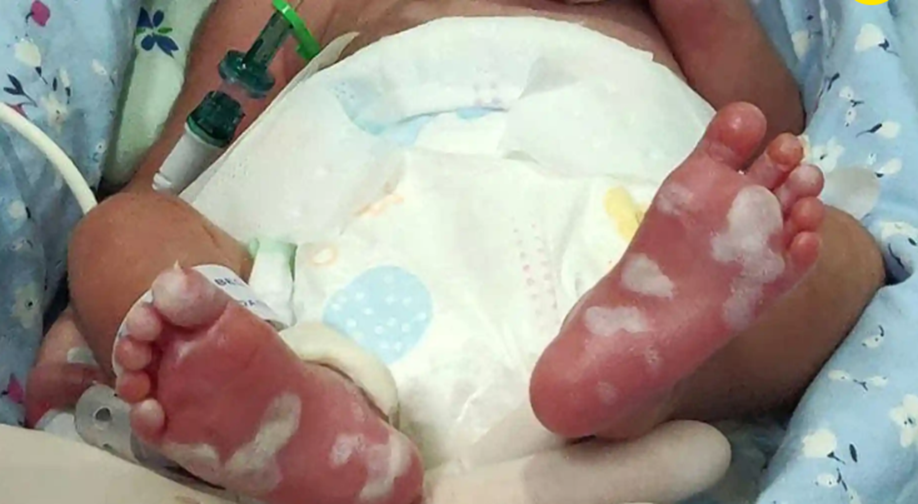
March 15, 2022 Syphilis cases surging in Arkansas, especially among women
Understanding Syphilis
Syphilis is a sexually transmitted infection (STI) caused by the bacterium Treponema pallidum. It has been a significant public health issue for centuries, with its first recorded outbreak in Europe occurring in the late 15th century. Despite advances in medical science, syphilis remains a concern due to its potential to cause severe health complications if left untreated.
Transmission
Syphilis is primarily transmitted through direct contact with a syphilitic sore, known as a chancre, during vaginal, anal, or oral sex. These sores can appear on the external genitals, vagina, anus, rectum, lips, or mouth. It can also be transmitted from an infected mother to her baby during pregnancy or childbirth, leading to congenital syphilis, which can cause severe, life-threatening health issues for the newborn.
Stages of Syphilis
Syphilis progresses through several stages, each with distinct symptoms:
1. Primary Syphilis
The first stage is characterized by the appearance of one or more chancres at the site of infection. These sores are usually firm, round, and painless, making them easy to overlook. They typically appear within three weeks of exposure and can heal on their own within three to six weeks, even without treatment.
2. Secondary Syphilis
If untreated, the infection progresses to the secondary stage, which can occur several weeks after the initial sores heal. Symptoms include skin rashes, mucous membrane lesions, fever, swollen lymph nodes, sore throat, patchy hair loss, headaches, weight loss, muscle aches, and fatigue. The rash often appears on the palms of the hands and soles of the feet but can occur elsewhere on the body. These symptoms may also resolve without treatment, but the infection remains in the body.
3. Latent Syphilis
The latent stage is a period when the infection is not active, and no symptoms are present. This stage can last for years. Early latent syphilis occurs within the first year after infection, while late latent syphilis occurs after the first year. During this stage, the infection can still be detected through blood tests and can be transmitted to others.
4. Tertiary Syphilis
Without treatment, syphilis can progress to the tertiary stage, which can occur 10-30 years after the initial infection. This stage can cause severe health problems, including damage to the heart, blood vessels, brain, nerves, eyes, liver, bones, and joints. Symptoms may include difficulty coordinating muscle movements, paralysis, numbness, gradual blindness, and dementia. Tertiary syphilis can be fatal.
Diagnosis
Syphilis is diagnosed through a combination of physical examination, medical history, and laboratory tests. Blood tests are the most common method, detecting antibodies produced in response to the infection. Direct detection methods, such as examining fluid from a chancre under a microscope, can also be used.
VDRL, which detects antibodies against syphilis, may have a false positive result in aPL-positive Hughes Syndrome patients (aPL bind to the lipids in the test and make it come out positive), although the more specific test for syphilis, FTA-Abs, that use recombinant antigens will not have a false-positive result.
PREVENTION
Preventing syphilis involves several strategies:
- Practicing safe sex by using condoms and dental dams.
- Limiting the number of sexual partners.
- Regular STI screenings, especially for those at higher risk.
- Avoiding sexual contact with individuals who have visible sores or rashes.
- Pregnant women should be tested for syphilis to prevent congenital syphilis.
Public Health Impact
Syphilis remains a significant public health challenge. The World Health Organization (WHO) estimates that millions of new cases occur each year globally. Efforts to control syphilis include public education, routine screening, and prompt treatment of infected individuals and their partners.
TREATMENT
Syphilis is treatable with antibiotics, typically penicillin. The type and duration of treatment depend on the stage of the infection. Early-stage syphilis can often be cured with a single injection of penicillin, while later stages may require a longer course of antibiotics. It is crucial to complete the entire course of treatment to ensure the infection is fully eradicated.
A Jarisch-Herxheimer reaction may occur after initial treatment of a spirochetal infection such as syphilis with a β-lactam antibiotic.
Physiomedicalism wrote that Blue Flag It is a most desirable agent in secondary syphilis.
Southern Catalpa - Combined with other agents especially alterative in character it is valuable in syphilis.
Blue snakeweed A latex obtained from the plant is used for treating syphilis.
A tea made from roots of Cardinal Flower has been used in the treatment of syphilis.
Eryngo - It makes a good addition to some alterative medicines for the elimination of impurities from the circulation as in syphilis.
Goldenseal is one of the best remedies, in powder, for dressing irritable chancres and buboes; and may be used in all forms of local syphilis by adding to it a modicum of lobelia, sanguinaria, or capsicum, according to the needs of particular cases.
Sarsaparilla - Clinical observations in China demonstrated that sarsaparilla was effective (according to blood tests) in about 90% of acute and 50% of chronic cases of syphilis.
Prickly Ash Berries Secondary syphilis and chronic rheumatism are the maladies for which they are best suited, as a pungent and prompt stimulant to combine with relaxant alterants.
Guaiacum Guaiac has also been long used as a traditional medicine, most famously in the sixteenth century as a supposed cure for syphilis that was brought back to Europe by the Spanish.
Tag Alder - Acting as it does on the circulation it is valuable in syphilis.
Physiomedical Yellow Dock forumula: Compound Sirup. Root of rumex, two pounds; celastrus scandens, scrophularia marilandica, each, one pound; guaiacum chips, gentiana ochroleuca, each, four ounces. Macerate in a close vessel with a pint of alcohol and two quarts of water, for two days; transfer to a percolator, and add water, setting aside the first quart that passes; continue the percolation with water till the drugs are exhausted, add fourteen pounds of sugar, and evaporate to seven quarts. When cold add the quart of tincture first obtained; and then triturate and add ten drops of oils of anise and sassafras, and an ounce of rose water. Dose, two to four fluid drachms three times a day.
Physiomedical Queen’s Root Formula: Compound Syrup. Root of stillingia and root of dicentra, (turkey-corn,) each, one pound; blue flag root, elder flowers, and pipsissewa leaves, each, half a pound; coriander seeds and prickly-ash berries, each, four ounces. Crush, macerate with seventy-five (or, better for a clear sirup, fifty) percent alcohol for two days. Transfer to a percolator, and treat with hot water, reserving the first quart that passes, till exhausted. Evaporate the watery solution to six quarts, dissolve in this sixteen pounds of sugar, evaporate till seven quarts remain, and when cold add the reserved quart of tincture. This also is a powerful preparation, highly stimulating, and of much efficacy in secondary syphilis and low cutaneous affections. Sensitive persons can not well use it. Dose, half a fluid ounce in water.
From the The Physiomedical Dispensatory by William Cook, M.D., 1869:
- Sassafras is much used as an addition to alterants in syrups for syphilis.
- Western Bleeding Heart is suitable for languid and insensitive conditions; and is among the most valuable agents of its class for secondary syphilis, where it is most generally prized.
- Wild Sarsaparilla - is mainly valued for its influence upon the first-named secernents, for which it enjoys a just repute as an alterant. It is principally used in mild secondary syphilis.
- Twinleaf in syrup for mild secondary syphilis
- Swamp Milkweed Prof. Tully speaks favorably of it in dry asthma and syphilis
- Seneca Snakeroot it enjoys some repute as a systemic stimulant in the treatment of secondary syphilis
- Roughbark lignum-vitae (Guaiac / Tree of Life) It is most applicable for arousing the secernents in secondary syphilis.
- Prickly Ash Bark - it may be associated with suitable tonics and alterants in the treatment of syphilis.
- Pasque Flower It is a valuable agent in the treatment of skin diseases, in some stages of syphilis.
- Cayenne - The secernents all feel the beneficial effects of the article; and alterative preparations designed for secondary syphilis , where the tone of the system is much impaired, should receive a small portion of it.
- Button Snakeroot - It is also useful in compounds for scrofula; and especially so in secondary syphilis, where the depression of the system is not excessive. The case for which it is to be used, will determine the articles of its association–the eryngium itself being stimulating enough to give promptness and pungency to more relaxing articles, and at the same time to leave behind a slightly toned condition. By such usage, it will be found a good remedy. Used both externally and internally.
- Bayberry Bark - In cachectic conditions of all kinds, and especially in the low forms of secondary syphilis.
- Plantain - light cases of secondary syphilis
From Physio-Medical Therapeutics, Materia Medica and Pharmacy BY T. J. LYLE, A.M.M. 1897
- Southern Bayberry In connection with Lobelia it is frequently used in producing emesis, which will be very valuable in the treatment of secondary syphilis.
- Arborvitae / White Cedar It may also be used for syphilis and applied to venereal warts and sorts just before dressing them. It cleanses and considerably deodorizes.