Cannabidiol (CBD)
Also see CBD Oil
From Cannabis; anti-emetic, bronchoilator, decrease intra-ocular pressure, psychoactive
CBD is produced by the body through our endocannabinoid system and can be found in high concentrations in breast milk. When we consume CBD it’s referred to as a phytocannabinoid.
Research is suggesting that low levels of omega 3 can inhibit our body from producing CBD and the other cannabinoids that interact through our endocannabinoid system.# CBD and Cannabinoids: Beneficial Plant compounds or all hype?
Cannabinoids have neuroprotective properties that may limit neurological damage. These properties may also help delay or stop disease progression and repair damaged structures.
Cannabidiol (CBD) has neuroprotective effects due to its:
- Anti-inflammatory properties: CBD acts on CB2 receptors in the brain to create anti-inflammatory responses in immune cells. This reduces the extent to which inflammation damages the brain.
- Antioxidant properties: CBD may treat different neurodegenerative diseases.
- Antiepileptic properties: CBD may have therapeutic potential against the secondary injury cascade from traumatic brain injury (TBI).
CBD also modulates: Excitotoxicity, Oxidative stress, Inflammation.
CBD normalizes the release of glutamate and cytokines as well as the induction of iNOS and COX-2.
Videos
The Magic Molecule of the Century
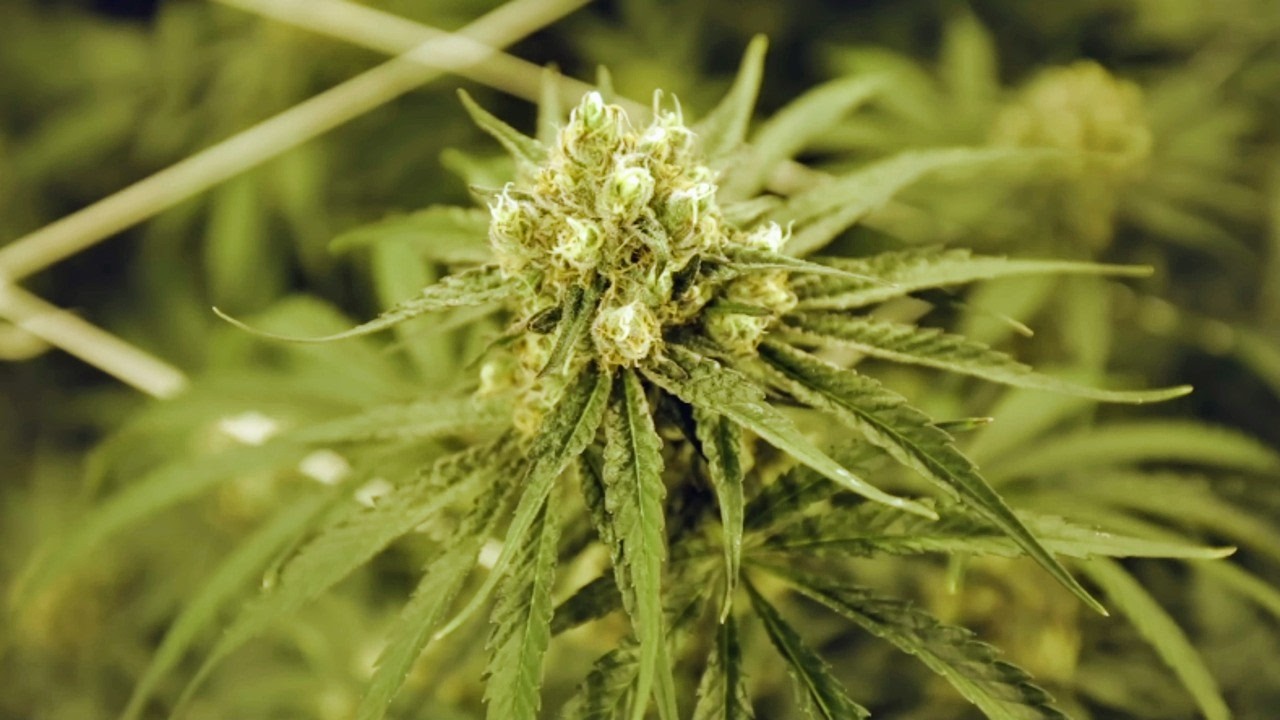
CBD and Cannabinoids: Beneficial Plant compounds or all hype?
Podcast
Gummies as a CBD Dosage Format with Dr Kevin Spelman
Articles/Studies
Cannabidiol and beta-caryophyllene in combination: A therapeutic functional interaction.
The chemistry behind cannabinoids explains how CBDs are saving lives
Cannabis sativa CBD extract exhibits synergy with broad-spectrum antibiotics.
ALS
Alzheimer’s
Alzheimer's disease, aging, and cannabidiol treatment.
CBD Calms the Inflamed Alzheimer’s Brain
A new study reveals that cannabidiol (CBD) can significantly reduce neuroinflammation associated with Alzheimer’s disease. In experiments using an Alzheimer’s mouse model, researchers found that inhaled CBD lowered the activity of key genes driving inflammation and decreased harmful proinflammatory molecules in the brain.
Animals (dogs, cats)
Scientific validation of cannabidiol for management of dog and cat diseases.
Anti-inflammatory
- Cannabidiol-transdermal delivery has an anti-inflammatory effect in a murine model.
- Oral cannabidiol has a beneficial action on two symptoms of established inflammation: edema and hyperalgesia.
- CBD suppresses pro-inflammatory signalling and may be a potential new candidate for Alzheimer's disease therapy.
- CBD inhibitory effects on the NLRP3 inflammasome may contribute to the overall anti-inflammatory effects reported for this phytocannabinoid.
- Antinociceptive and anti-inflammatory properties of cannabidiol alone and in combination with standardized bioflavonoid composition.
- Effects of orally administered cannabidiol on neuroinflammation and intestinal inflammation.
Antioxidant
Antipsychotic
- Medical use of cannabis. Cannabidiol: a new light for schizophrenia?
- A Critical Review of the Antipsychotic Effects of Cannabidiol: 30 Years of a Translational Investigation
- Increasing endocannabinoid levels in the ventral pallidum restore aberrant dopamine neuron activity in the subchronic PCP rodent model of schizophrenia.
- Cannabidiol: Recent advances and new insights for neuropsychiatric disorders treatment.
- CBD might be an improvement over other available drugs used for treating the fear-related symptoms of phobias.
- The pro-neurogenic effects of cannabidiol and its potential therapeutic implications in psychiatric disorders.
- Cannabidiol exhibits anxiolytic-like effects and antipsychotic-like effects.
Anxiety
- Cannabidiol reduces anxiety-related behavior in mice.
- Preliminary clinical trials also support the efficacy of CBD as an anxiolytic, antipsychotic, and antidepressant.
- The anxiolytic effects of cannabidiol in chronically stressed mice are mediated by the endocannabinoid system: Role of neurogenesis and dendritic remodeling.
- This reviews the literature demonstrating the anxiolytic effects of Cannabidiol.
- These results suggest that CBD has anxiolytic properties.
Autism Spectrum Disorder
Cannabidiol in treatment of autism spectrum disorder: A case study.
Back Pain
The use of cannabidiol in patients with low back pain caused by lumbar spinal stenosis.
Cancer
- Cannabidiol regulates apoptosis and autophagy in inflammation and cancer.
- CBD reverts the mesenchymal invasive phenotype of breast cancer cells induced by the inflammatory cytokine IL-1β.
- CBD induced oxidative stress in HT-29 colorectal carcinoma cells.
- Cannabidiol induces melanogenesis through increasing MITF gene expression.
- The combination of TRAIL and cannabidiol decreased tumor growth in xenograft models.
- This review will center on mechanisms by which CBD, and other plant-derived cannabinoids inefficient at activating cannabinoid receptors, inhibit tumor cell viability, invasion, metastasis, angiogenesis.
- CBD seems to exert an anti-inflammatory and antioxidant activity favoring a faster resolution of oral mucositis.
- Synergistic cytotoxic activity of cannabinoids from cannabis sativa against cutaneous T-cell lymphoma.
- Cannabidiol induces cell death in human lung cancer cells and cancer stem cells.
- Cannabidiol suppresses angiogenesis and stemness of breast cancer cells.
- The cytotoxic effects of cannabidiol and cannabigerol on glioblastoma stem cells.
- Inhalant cannabidiol impedes tumor growth through decreased tumor stemness.
- A novel mechanism of cannabidiol in suppressing ovarian cancer .
- Cannabidiol inhibits epithelial ovarian cancer: role of gut microbiome.
- Cannabidiol and Cannabis Sativa as a potential treatment in vitro prostate cancer cells.
- Cannabidiol as a promising adjuvant therapy for estrogen receptor-positive breast tumors.
- CBD holds a great potential for treating NSCLC with CIK cell immunotherapy.
- Synergistic effect of cannabidiol with dasatinib on lung cancer.
- Platinum (IV) drugs with cannabidiol inducing mitochondrial dysfunction and synergistically enhancing anti-tumor effects.
Cardiovascular
- CBD treatment has vasoprotective effects in hypertension.
- Treatment with cannabidiol results in an antioxidant and cardioprotective effect in several pathophysiologies.
- Effects of CBD supplementation on ambulatory blood pressure and serum urotensin-II concentrations in Caucasian patients with essential hypertension.
- The influence of oral cannabidiol on 24-h ambulatory blood pressure and arterial stiffness in untreated hypertension.
- Therapeutic potential of cannabidiol (CBD) in the treatment of cardiovascular diseases.
- Cannabidiol may prevent the development of congestive hepatopathy secondary to right ventricular hypertrophy associated with pulmonary hypertension.
- Cannabidiol represses miR-143 to promote cardiomyocyte proliferation and heart regeneration after myocardial infarction.
- Cannabidiol alleviates right ventricular fibrosis by inhibiting the transforming growth factor β pathway.
Cerebrovascular Disorders
Cognitive
Covid-19
- CBD Helps Reduce COVID-19 Lung Damage by Increasing Levels of Protective Peptide
- Oral inhalation of cannabidiol delivered from a metered dose inhaler to alleviate cytokine production induced by SARS-CoV-2 and pollutants.
- Terpenes and cannabidiol against human corona and influenza viruses-Anti-inflammatory and antiviral in vitro evaluation.
Diabetes
- Cannabidiol attenuates mechanical allodynia in streptozotocin-induced diabetes.
- Two-weeks treatment with cannabidiol improves biophysical and behavioral deficits associated with experimental type-1 diabetes.
- Experimental cannabidiol treatment reduces early pancreatic inflammation in type 1 diabetes.
- Cannabidiol treatment improves endothelium-dependent vasorelaxation in mesenteric arteries of zucker diabetic fatty rats.
Epilepsy
- Effect of cannabidiol on interictal epileptiform activity and sleep architecture in children with intractable epilepsy.
- CBD restores excitability and morphological impairment in epileptic models to pre-epilepsy control levels.:(style="font-size:large"):}:
- These cases support pre-clinical and preliminary clinical evidence suggesting that CBD may be effective for some patients with epilepsy.
- Cannabidiol exerts anticonvulsant effects alone and in combination with Δ9-THC.
- Cannabidiol in children with treatment-resistant epilepsy with myoclonic-atonic seizures.
- Cannabidiol as an adjuvant treatment in adults with drug-resistant focal epilepsy.
Gastroprotective
- A cannabis extract with high content in cannabidiol attenuated chemically-induced intestinal inflammation
- Cannabidiol and other non-psychoactive cannabinoids for prevention and treatment of gastrointestinal disorders.
- Cannabidiol attenuates inflammatory impairment of intestinal cells expanding biomaterial-based therapeutic approaches.
- Dietary cannabidiol attenuates chronic inflammation and leaky gut in DSS-induced colitis.
Hepatoprotective
Cannabidiol alleviates carbon tetrachloride-induced liver fibrosis.
Immune System
Effects of cannabidiol on innate immunity: experimental evidence and clinical relevance.
Insomnia
Cannabidiol for moderate-severe insomnia
Joint Diseases
Muscles
Neuroprotective
- The neuroprotective effect of cannabidiol in an in vitro model of newborn hypoxic-ischemic brain damage in mice is mediated by CB(2) and adenosine receptors.
- Neuroprotective effects of the nonpsychoactive cannabinoid cannabidiol in hypoxic-ischemic newborn piglets has been observed.
- Cannabidiol as adjunctive treatment of seizures associated with Lennox-Gastaut syndrome and Dravet syndrome.
- Novel insights into mitochondrial molecular targets of iron-induced neurodegeneration: Reversal by cannabidiol.
- The results achieved in this study support the idea that CBD has a cerebroprotective effect.
- THC:CBD oromucosal spray provided symptomatic relief of MSS and related troublesome symptoms.
- From Cannabis sativa to cannabidiol: promising therapeutic candidate for the treatment of neurodegenerative diseases.
- CBD coated by nano-chitosan has good potential for reducing Aβ plaques, increasing brain CB1 and levels CB2, and improving learning and memory.
- The gut microbiota in neurodegenerative diseases: revisiting possible therapeutic targets for cannabidiol.
- Cannabidiol's neuroprotective properties and potential treatment of traumatic brain injuries.
- Cannabidiol alleviates neurological deficits after traumatic brain injury.
- Cannabidiol effect on long-term brain alterations in septic rats.
- Cannabidiol protects dopaminergic-like neurons against paraquat- and maneb-induced cell death.
Pain
- Cannabidiol induces systemic analgesia through activation of the PI3Kγ/nNOS/NO/KATP signaling pathway in neuropathic pain.
- Cannabidiol and tetrahydrocannabinol antinociceptive activity is mediated by distinct receptors.
- Cannabidiol alleviates neuroinflammation and attenuates neuropathic pain.
- Antinociceptive action of cannabidiol on thermal sensitivity and post-operative pain.
- Scientists Finally Figure Out How to Get CBD to the Brain for Pain Relief
Cannabis extract shows pain relief potential
A new study reveals a breakthrough method for getting CBD into the brain, easing nerve pain in mice without side effects. Using CBD-infused oils or lotions might seem like a simple, low-risk way to ease pain, yet scientists still have much to learn about how CBD affects the nervous system. In the past ten years, [...]
Oral Health
Cannabidiol reduced inflammation and the growth of selected periodontal pathogenic bacteria.
Postmenopause
Cannabidiol decreases intestinal inflammation in the ovariectomized murine model of postmenopause.
PTSD
- Cannabidiol oil could be used as a safe treatment for reducing anxiety and improving sleep in posttraumatic stress disorders
- Cannabidiol ameliorates PTSD-like symptoms by inhibiting neuroinflammation.
Seizures
- CBD was effective against brainstem and limbic seizures.
- Cannabidiol attenuates seizure susceptibility and behavioural deficits.
Sepsis
Other Effects
- Oxidized cannabidiol acts as an inhibitor of human topoisomerase IIα and β.
- Cannabidiol does not display drug abuse potential in mice behavior.
- Cannabidiol prevents infarction via the non-CB1 cannabinoid receptor mechanism
- Cannabidiol is able to attenuate motor and cognitive impairments induced by reserpine.
- This meta-analysis and systematic review has highlighted the haemodynamic effects of CBD.
- Pre-clinical evidence largely shows that CBD can produce beneficial effects in AD, PD and MS patients
- Cannabidiol may exert beneficial effects on brain effector systems
- Cannabidiol is a potential therapeutic for the affective-motivational dimension of incision pain in rats.
- Cannabidiol improves maternal obesity-induced behavioral, neuroinflammatory and neurochemical dysfunctions in the juvenile offspring.
- Cannabidiol alleviates chronic prostatitis and chronic pelvic pain syndrome.
- Cannabidiol mediates in vitro attenuation of proinflammatory cytokine responses in psoriatic disease.