Long-term Memory
Long-term memory, unlike its fleeting counterpart, short-term memory, refers to the storage and retrieval of information over extended periods, ranging from years to decades. It's the memory bank housing everything from childhood experiences to acquired knowledge and skills.
A Diverse Landscape:
Long-term memory isn't a monolithic entity; it's a vibrant ecosystem of interconnected systems:
- Episodic memory: This personal vault stores vivid recollections of specific events and experiences, allowing you to relive your grandmother's birthday party or your first bike ride.
- Semantic memory: This robust encyclopedia houses general knowledge about the world, encompassing facts, concepts, and skills like understanding gravity, speaking your language, or playing the piano.
- Procedural memory: This implicit master teaches you practical skills through repetition, letting you ride a bike, tie your shoes, or play a sport without consciously recalling the steps.
The Journey from Transient to Eternal:
Information doesn't magically leap into long-term memory. It undergoes a transformation:
- Consolidation: This process strengthens the neural connections associated with new experiences, solidifying them in long-term storage. Sleep plays a crucial role in this consolidation phase.
- Encoding: The way we encode information influences its longevity. Engaging experiences, spaced repetition, and emotional connections deepen encoding, enhancing recall later.
The Fragile Treasure:
Unfortunately, long-term memory isn't infallible. Certain factors can affect its fidelity and accessibility:
- Time: Memories, like photographs, can fade over time, becoming less crisp and detailed.
- Interference: New information can sometimes disrupt the retrieval of older memories, creating confusion or distortions.
- Diseases: Aging, trauma, and certain neurological conditions can impair memory function, leading to difficulties in forming new memories or accessing existing ones.
Harnessing the Power of Memory:
Understanding long-term memory offers exciting possibilities:
- Improving memory function: Techniques like spaced repetition, mnemonic devices, and maintaining an active lifestyle can bolster memory skills.
- Treating memory disorders: Research on memory consolidation and neurodegenerative diseases aims to develop therapies to protect and restore memory function.
- Understanding the human mind: Unraveling the mysteries of long-term memory sheds light on how we learn, retain information, and construct our unique narratives of life.
Videos
Where does long-term memory come from?

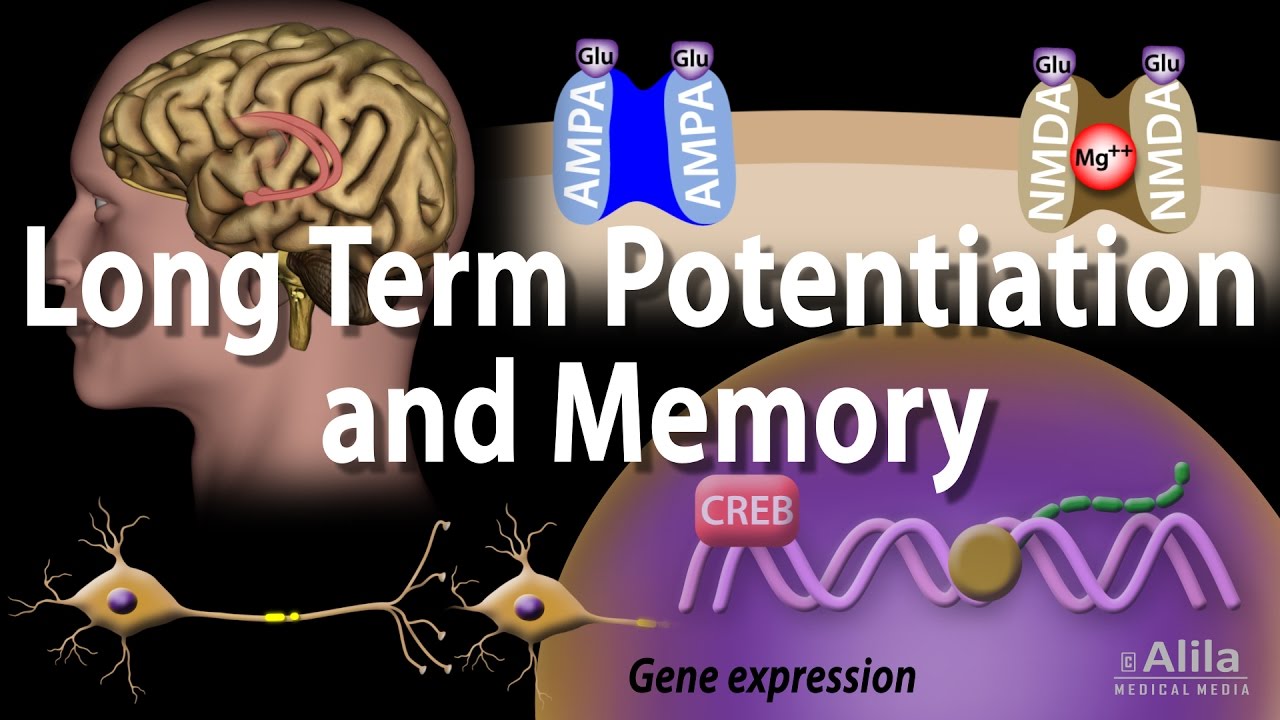
How to keep things in long-term memory

How to Improve it
Memories can be transferred between organisms by extracting ribonucleic acid (RNA) from a trained animal and injecting it into an untrained animal, as demonstrated in a study of sea snails published in eNeuro. The research provides new clues in the search for the physical Long-term memory is thought to be housed within modified connections between brain cells. Recent evidence, however, suggests an alternative explanation: Memory storage may involve changes in gene expression induced by non-coding RNAs.Study
Memory in Sync: How Rhythmic Brain Activity Supports Short-Term Recall
Mechanism for Long-Term Memory Storage Identified A novel protein folding mechanism in the endoplasmic reticulum is essential for long-term memory storage. This mechanism is impaired in tau-models of Alzheimer's disease, but restoring the protein folding mechanism reverses memory impairment associated with dementia.
Unraveling the Genetic Mechanisms Behind Long-Lasting Memories in the Brain