Mindfulness Practice
Mind body interventions such as 3RP have the potential to substantially reduce healthcare utilization at relatively low cost and thus can serve as key components in any population health and health care delivery system.
Videos
What is Mindrulness?
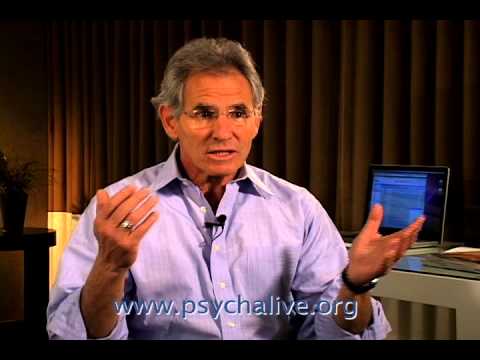
The Healing Power of Mindfulness
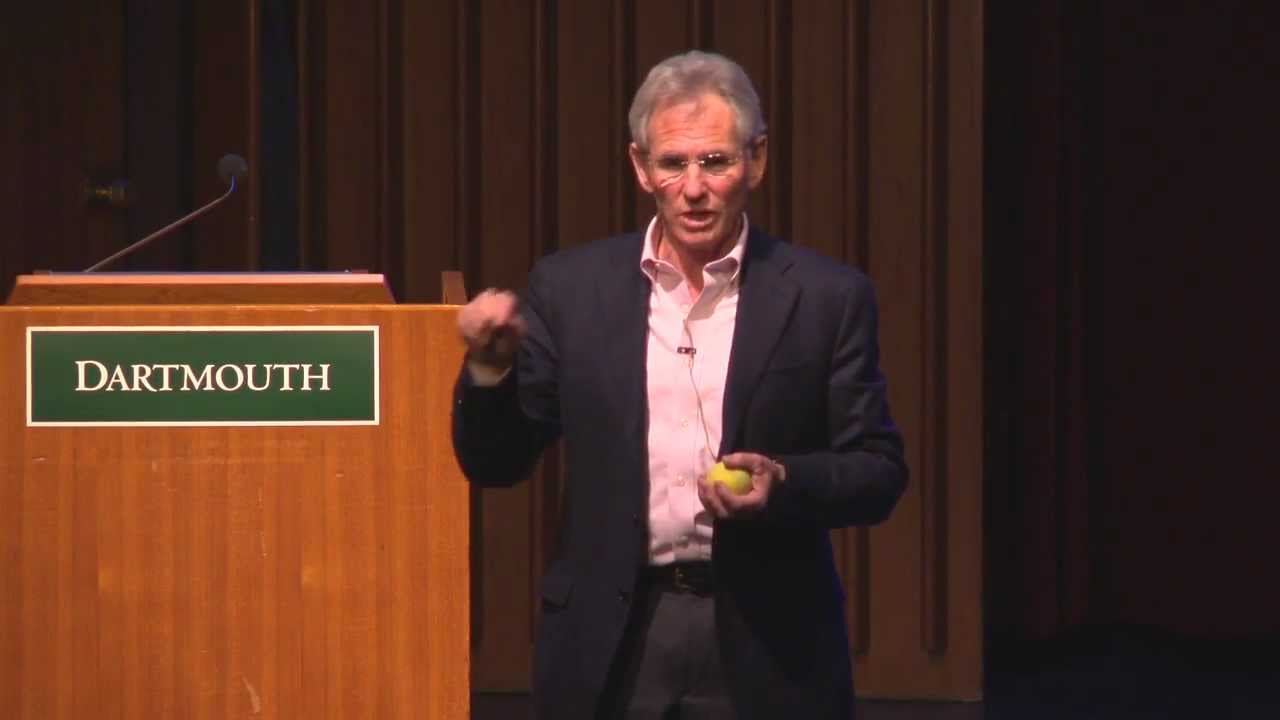
Guided Body Scan:

Mindfulness: Your Attention Please!
You should not be your own afterthought
5 Minute Guided Meditation
Befriending the Silence a 30-Minute Meditation with Jon Kabat-Zinn
Mindfulness, Fear, and Love Without the Cringe w/ Dan Harris
Think Healthier! The Science and Practice of Mindfulness
Train Your Brain: Mindfulness Meditation for Anxiety, Depression, ADD and PTSD
The extraordinary effect of mindfulness on depression and anxiety | Daniel Goleman
Mindfulness practice is a mental training technique that involves focusing your mind on your experiences in the present moment. It is a form of meditation that has gained popularity in recent years due to its numerous benefits for mental and physical health. Mindfulness can be practiced in various ways, including meditation, breathing exercises, and mindful movement, such as yoga or tai chi.
The Essence of Mindfulness
At its core, mindfulness is about being fully present and engaged with the current moment without judgment. It involves paying attention to your thoughts, feelings, bodily sensations, and the surrounding environment. This practice encourages an attitude of openness and curiosity, allowing individuals to observe their experiences without being overwhelmed by them.
Benefits of Mindfulness Practice
Mindfulness practice offers a wide range of benefits that can enhance overall well-being:
- Stress Reduction: Mindfulness helps reduce stress by promoting relaxation and decreasing the production of stress hormones. It encourages a calm and centered state of mind, which can help manage stress more effectively.
- Improved Focus and Concentration: Regular mindfulness practice can enhance attention span and concentration. By training the mind to focus on the present moment, individuals can improve their ability to concentrate on tasks and reduce distractions.
- Emotional Regulation: Mindfulness helps individuals become more aware of their emotions and develop healthier ways to respond to them. It can lead to improved emotional regulation and a greater sense of emotional balance.
- Enhanced Self-Awareness: Practicing mindfulness increases self-awareness by encouraging individuals to observe their thoughts and feelings without judgment. This heightened awareness can lead to a deeper understanding of oneself and one's behaviors.
- Better Sleep: Mindfulness can improve sleep quality by promoting relaxation and reducing the mental chatter that often interferes with sleep. It can help individuals develop a more restful and rejuvenating sleep routine.
- Pain Management: Mindfulness has been shown to be effective in managing chronic pain. By focusing on the present moment and accepting pain without judgment, individuals can reduce their perception of pain and improve their quality of life.
How to Practice Mindfulness
There are several ways to incorporate mindfulness into your daily routine. Here are some simple techniques to get started:
- Mindful Breathing: Take a few minutes each day to focus on your breath. Pay attention to the sensation of the air entering and leaving your body. If your mind wanders, gently bring your focus back to your breath.
- Body Scan Meditation: Lie down comfortably and bring your attention to different parts of your body, starting from your toes and moving up to your head. Notice any sensations, tension, or discomfort without judgment.
- Mindful Eating: During meals, focus on the taste, texture, and aroma of your food. Eat slowly and savor each bite, paying attention to the experience of eating.
- Walking Meditation: Take a slow, deliberate walk, paying attention to the sensation of your feet touching the ground and the movement of your body. Notice the sights, sounds, and smells around you.
- Mindful Journaling: Spend a few minutes each day writing about your thoughts and feelings. Reflect on your experiences and observe them without judgment.
Tips for a Successful Mindfulness Practice
- Start small: Begin with just a few minutes of mindfulness practice each day and gradually increase the duration as you become more comfortable.
- Be patient: Mindfulness is a skill that takes time to develop. Be patient with yourself and allow your practice to evolve naturally.
- Create a routine: Establish a regular time and place for your mindfulness practice to help make it a habit.
- Stay open-minded: Approach mindfulness with an open and curious attitude. Be willing to explore different techniques and find what works best for you.
- Practice self-compassion: Be kind to yourself and avoid self-criticism if your mind wanders during practice. Gently bring your focus back to the present moment.
Articles/Studies
Ultrasound technology can be used to boost mindfulness, a new study finds. One of the intriguing abilities of the human mind is daydreaming, where the mind wanders off into spontaneous thoughts, fantasies, and scenarios, often without conscious effort, allowing creativity and reflection to flow freely.
- Mindfulness: A Proposed Operational Definition
- Mindfulness Can Induce Altered States of Consciousness
Mindfulness training can lead to altered states of consciousness, such as disembodiment and unity. Researchers found that participants were twice as likely to experience these states compared to a control group. While these experiences can be positive, they may also be startling or unpleasant. Mindfulness teachers and students should discuss these potential side effects.
- Mindfulness: What Is It? Where Did It Come From?
- The basics of mindfulness meditation
- Mindfulness Meditation
- The Benefits Of Being Present: Mindfulness And Its Role In Psychological Well-being
- From A State To A Trait: Trajectories Of State Mindfulness In Meditation During Intervention Predict Changes In Trait Mindfulness
- Mechanisms Of Mindfulness
- The Incredible Alternative to Mindfulness Meditation that anyone can do
- Mindfulness meditation activates altruism.
- A Mindfulness Expert Reveals 10 Essential Keys to Mindful Living without any BS
- Mindfulness Training Alters Emotional Memory Recall Compared To Active Controls: Support For An Emotional Information Processing Model Of Mindfulness
- RAND-Kaiser team finds cost-effectiveness and savings via mindfulness
- Mindfulness Training As A Clinical Intervention: A Conceptual And Empirical Review
- Mindfulness Training Modifies Subsystems Of Attention
- 7 Mindfulness Shifts to Make Positive Habits Permanent
- “Mindfulness hype” challenged by integrative health researchers
- Relaxation Response and Resiliency Training and Its Effect on Healthcare Resource Utilization
- Researchers 'dismantle' mindfulness intervention to see how each component works
- What Are the Benefits of Mindfulness? A Practice Review of Psychotherapy-Related Research
- On the Brink of Giving Up? Mindfulness Meditation Can Help in Internal Conflicts
- Moving Beyond Mindfulness: Defining Equanimity As An Outcome Measure In Meditation And Contemplative Research
- The Sisters Of Mindfulness
- Wherever You Go, There You Are: Mindfulness Meditation In Everyday Life
- Impact of a mindfulness-based intervention on well-being and mental health of elementary school children.
ADHD & ODD
Anti-Inflammatory
- Mindfulness meditation training is associated with improvements in a marker of inflammatory disease risk.
- Mindfulness-based Interventions showed low but significant effects on health status related to biomarkers of** low-grade inflammation**.
Blood Pressure
- Mindfulness with paced breathing reduces blood pressure.
- Mindfulness based interventions can provide effective alternative therapies to assist in **blood pressure reduction** for patients with non-communicable diseases.
- Mindfulness effects on lifestyle behavior and blood pressure.
Cancer
Cardiovascular
- Ancient roots - Modern applications: Mindfulness as a novel intervention for cardiovascular disease.
- A single mindfulness-based meditation session can produce reductions in cardiovascular risk in hypertensive patients.
Depression, Anxiety, PTSD
- The Mindfulness-integrated cognitive behaviour therapy affects depression, anxiety and hope of multiple sclerosis patients.
- Mindfulness versus physical exercise: effects of two recovery strategies on mental health, stress and immunoglobulin A during lunch breaks.
- **Military-related posttraumatic stress** disorder and mindfulness meditation.
- Brief training in mindfulness meditation reduces symptoms in patients with a chronic or recurrent lifetime history of depression: A randomized controlled study.
- Brief mindfulness training reduces salivary IL-6 and TNF-α in young women with depressive symptomatology
- Mindfulness meditation can offset the worry of waiting (https://www.sciencedaily.com/releases/2017/12/171204095011.htm)
- Mindfulness meditation is recommended over physical exercise in the management of depression among undergraduate nursing students.
- Mindfulness-based stress reduction may enhance resilience to stress.
- Even a single mindfulness meditation session can reduce anxiety (https://www.sciencedaily.com/releases/2018/04/180423135048.htm)
- Effect of mindfulness yoga on depression severity, self-esteem, and quality of life in middle-aged men.
Diabetes
Fibromyalgia
Glaucoma
IBS
Immune System Effects
Insomnia
Mindfulness meditation could be useful in treating insomnia in multiple sclerosis.
Mood Disorders
Multiple Sclerosis
- Mindfulness training for emotion dysregulation in **multiple sclerosis.**
- Mindfulness training shows promise for people with MS (https://www.sciencedaily.com/releases/2020/05/200518144912.htm)
Pain
- Mindfulness meditation reduces pain by separating it from the self
- Does mindfulness meditation improve chronic pain? A systematic review.
Stress
Effects of yoga and mindfulness meditation on stress-related variables.