Scleroderma (systemic sclerosis)
Video

How to cure
Association Between SSSCA1 Antibodies & Cancer in Systemic Sclerosis |
Anti-Vinculin Antibodies in Systemic Sclerosis
Scleroderma the Teresa Nadeau Story Part 1
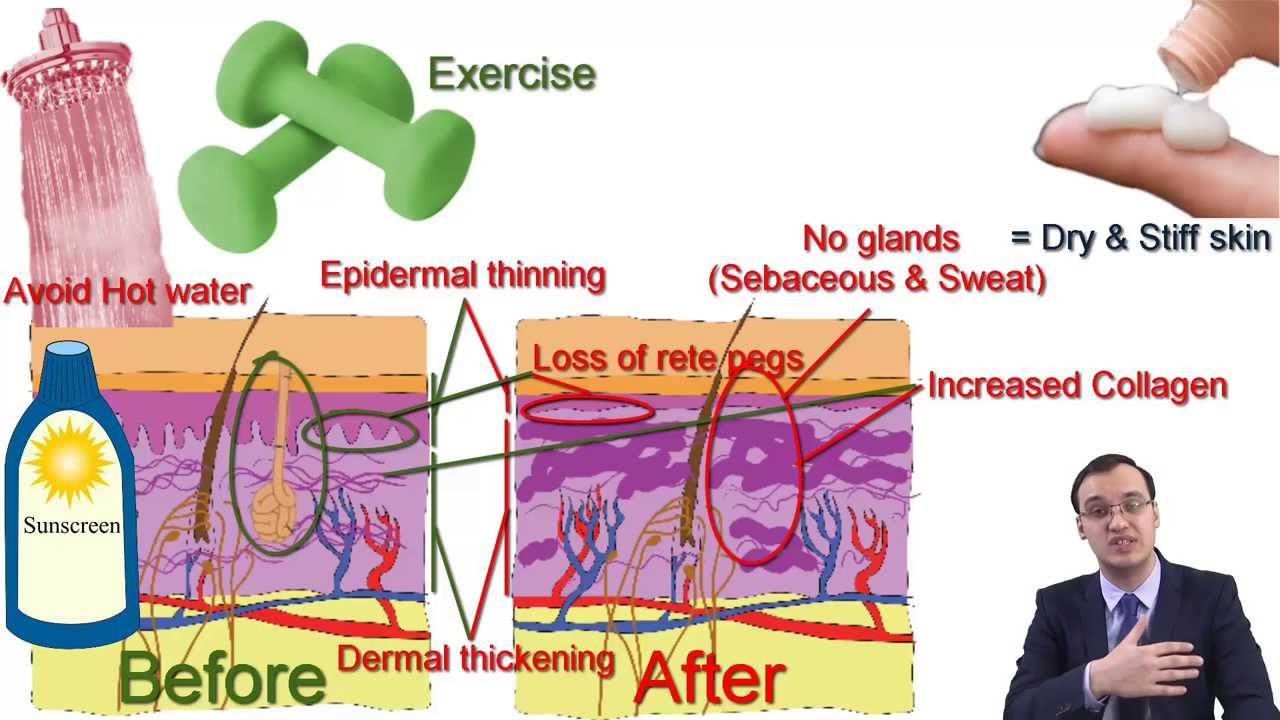
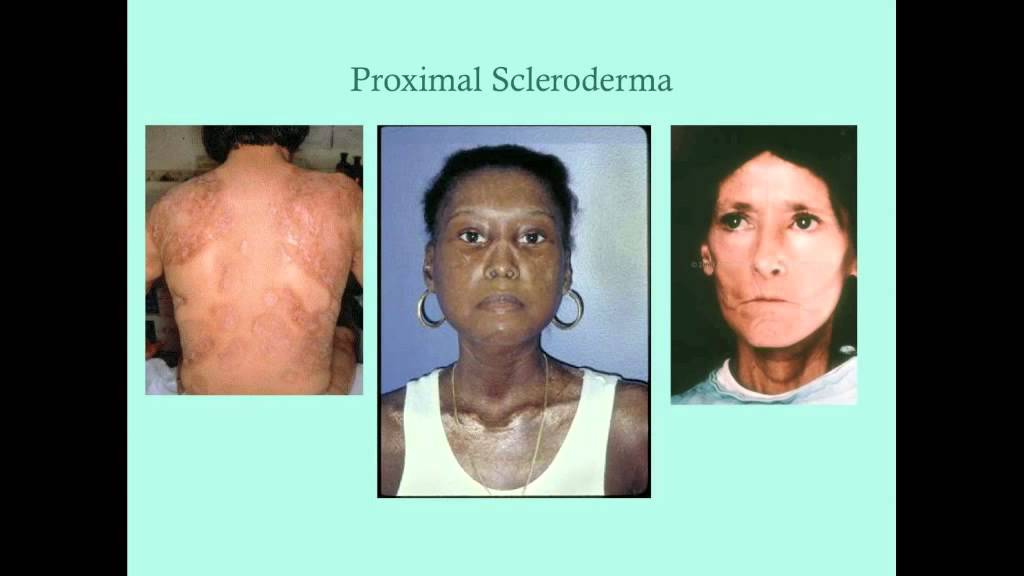
A connective tissue disease of excess collagen production in the skin and other organs. There’s a lot of hardening of the skin, the joints, joint pain, hair loss, shortness of breath, digestive issues.
Light therapy is recommended. It can up-regulate cell energy production because there’s an enzyme in mitochondria that’s dependent not only on copper, but also red light, to produce energy.
According to Ray Peat, a weakened ability to produce energy can lead to the maladaptive over-production of collagen. At the same time, a decreased blood supply was often used to predispose an organ to calcification.
One way to look at this is as a disease of altered tissue respiration and energy production. Altered tissue respiration can be a result of estrogen, PUFA, iron. According to Ray Peat, estrogens and PUFAs have very similar actions in the body. Iron along with those two, produces lipofuscin or H-pigment, which can cause hypoxia, production of heme, production of carbon dioxide at the cell level. This leads to poisoning and altered use of oxygen.
Estrogen can exacerbate the symptoms. Estrogen and iron work together in the body to create the environment for carbon monoxide to be present, a cellular poison, so we produce lactic acid instead of producing energy. When cells are producing lactic acid instead of energy, the liver tries to convert glycogen to glucose for more energy, creating a burden on the liver and the body’s entire metabolic system.
Hans Selye found that by injecting rats with iron, he was able to cause scleroderma. By giving them high doses of vitamin E he was able to prevent it. In a simplistic sense, vitamin E brings oxygen and nutrients to the cell. He found that iron can overload the liver and damage the hepatic cells (PUFAs do the same thing, in addition to overstimulating the beta cells of the pancreas). Phase II of liver detoxification detoxifies estrogen. When the liver is damaged and can’t do this, we become estrogen dominant.
Estrogen, iron, PUFAs all cause an increase in red blood cells, due to a lack of oxygen through the body, which increases heme production, which increases oxidative stress, which is increasing carbon monoxide.
All of the above can lead to cellular respiration problems, altered respiration, leading to overproduction of collagen. Its also been shown that estrogen itself can produce excess production of collagen. Progesterone opposes this.
Estrogen lowers body temperature which can push the body towards hyper-adrenaline, hyper-cortisol, hypothyroid. It decreases oxygen consumption at the cell level. It reduces oxygen to the lung and many people with scleroderma have impaired lung function. A lot of the lung problems has to do with calcification but also what estrogen does at the cell level. It creates a barrier to oxygen use at the cell level and the blood.
Any time we get a lack of oxygen at a cellular level, we get a stimulation for collagen formation. Anytime tissues are stressed, the cells swell, they take up water, calcium, iron, and estrogen. This causes cells to swell and become very alkalinic.
People with scleroderma have proximal vasospasms (Raynaud’s phenomenon), cold hands and feet. Estrogen and adrenaline are known to produce this vasospasm. (See hypothyroid)
PUFAs and estrogen are known to stimulate protein kinase C, which excites cells, alters energy production, causes vascular spasms.
The best treatment is proper diet, increasing magnesium (magnesium works with the thyroid to increase mitochondrial energy production and prevent calcification), Epsom salt baths, increasing salt intake to down-regulate parathyroid hormone and prolactin (preventing calcification), topical application of the right type of progesterone such as Progest E (stimulates the brain’s respiratory control center), dietary vitamin E or a topical vitamin E (it antagonizes estrogen), calcium from eggshells also downregulates PTH (parathyroid hormone).
Articles/Studies
- Symptoms of Autonomic Dysfunction in Systemic Sclerosis Assessed by the COMPASS-31 Questionnaire
- SARS-CoV-2 spike protein accelerates systemic sclerosis by increasing inflammatory cytokines, Th17 cells, and fibrosis.
- Endothelial expression of nitric oxide synthases and nitrotyrosine in systemic sclerosis skin
- The emerging problem of oxidative stress and the role of antioxidants in systemic sclerosis
- Small intestinal bacterial overgrowth** in systemic sclerosis.
- Fecal microbiome differs between patients with systemic sclerosis with and without **small intestinal bacterial overgrowth**.
- Capillary regeneration is possible in Scleroderma through immunosuppressive therapy.
- Curcumin may have therapeutic value in treating scleroderma.
- A wide variety of natural substances may have therapeutic value in the treatment of scleroderma.
- Red sage contains compounds with antifibrotic activity that may prove useful in the treatment of systemic sclerosis.
- Topical application of curcumin (from Turmeric) may have therapeutic value in the treatment of scleroderma, psoriasis and skin cancer.
- Vitamin E many inhibit initiation of the autoimmune diseases such as scleroderma, discoid lupus erythematosus, porphyria cutanea tarda, several types of vasculitis, and polymyositis.
- Baicalein alleviates fibrosis and inflammation in systemic sclerosis.