Urine
Return to Urinary System Menu
Videos
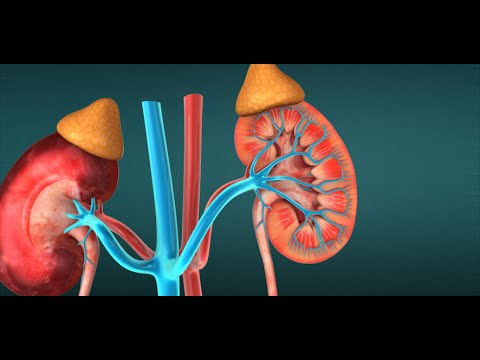
Urine Formation:
Urine Osmolality (Osmolarity) & Urine Osmolar Gap | ADH | Labs 🧪 | Clinical Pathology & Pathophys.
Urine casts (WBCs, RBCs, Waxy, Hyaline, Granular, Epithelial, Fatty)
What Your Urine Color Says About Your Health
What Your Pee Should Look Like
Urine odors, why does my pee smell?
What Can Urine Smell Tell You About Your Body
The Surprisingly Useful Medicines Hiding in Pee
Urine is a liquid by-product of metabolism in humans and many animals. It is a crucial component of the body's waste management system, playing a vital role in maintaining homeostasis by regulating the balance of water, salts, and other substances.
Composition of Urine
Urine is primarily composed of water, accounting for about 95% of its total volume. The remaining 5% consists of various dissolved substances, including:
- Urea: A nitrogenous compound that is the primary end product of protein metabolism. It is formed in the liver and excreted by the kidneys.
- Creatinine: A waste product generated from muscle metabolism, which is filtered out of the blood by the kidneys.
- Electrolytes: These include sodium, potassium, chloride, and bicarbonate, which are crucial for maintaining fluid balance and nerve function.
- Uric Acid: A product of purine metabolism, which is excreted in urine.
- Other Substances: These can include hormones, vitamins, and metabolites of drugs or other compounds ingested by the body.
Function of Urine
Urine serves several essential functions in the body:
- Excretion of Waste Products: Urine is the primary means by which the body eliminates waste products of metabolism, such as urea and creatinine.
- Regulation of Water and Electrolyte Balance: By adjusting the volume and concentration of urine, the kidneys help maintain the body's fluid and electrolyte balance.
- Acid-Base Balance: The kidneys excrete hydrogen ions and reabsorb bicarbonate from urine, helping to maintain the body's pH within a narrow range.
- Detoxification: Urine helps remove toxins and foreign substances, including drugs and their metabolites, from the body.
Urine as a Health Indicator
Urine analysis, or urinalysis, is a common diagnostic tool used to assess health and diagnose diseases. Several aspects of urine can provide valuable information about a person's health:
Color and Clarity
- Normal: Pale yellow to amber, clear.
- Abnormal: Cloudy or discolored urine can indicate infections, dehydration, or the presence of blood.
Odor
- Normal: Mild odor.
- Abnormal: A strong or unusual odor may suggest infection, metabolic disorders, or dietary influences.
pH Level
- Normal: Typically ranges from 4.5 to 8.0.
- Abnormal: Persistent changes in pH can indicate kidney stones, urinary tract infections, or metabolic conditions.
Specific Gravity
- Normal: Ranges from 1.005 to 1.030.
- Abnormal: High specific gravity may indicate dehydration, while low values can suggest overhydration or kidney issues.
Presence of Substances
- Proteins: Normally absent; their presence can indicate kidney damage or disease.
- Glucose: Normally absent; its presence may suggest diabetes.
- Ketones: Normally absent; their presence can indicate uncontrolled diabetes or starvation.
- Blood: Normally absent; its presence can suggest infection, injury, or other medical conditions.
Factors Affecting Urine Composition
Several factors can influence the composition and characteristics of urine:
- Diet: High protein intake can increase urea levels, while certain foods can alter urine color and odor.
- Hydration: Fluid intake directly affects urine volume and concentration.
- Medications: Some drugs and supplements can change urine color, odor, or composition.
- Health Conditions: Diseases such as diabetes, kidney disease, and infections can significantly alter urine characteristics.
Articles/Studies
Beyond waste: understanding urine's potential in precision medicine.