Raspberry leaf
Overview
Identification cues (leaf for tea use):
- Use clean, healthy leaves (no spots, mold, or insect damage)
- Prefer young, fully expanded leaves from flowering canes
- Dry in thin layers out of direct sun until crisp, then store airtight
A gentle nutritive tonic. Astringing and sweet. Uterine restorative.
In addition to tannins, active constituents of extracts of raspberry leaves include a smooth-muscle stimulant, an anticholinesterase, and a spasmolytic.
Constituents
Raspberry can easily adapt to different environmental conditions such as climate and soil, but their chemical composition may vary with a series of factors that include cultivation, region, weather conditions, ripeness, the time of harvest, and storage conditions.
These leaves are abundant in tannins and flavonoids, phenolic acids, triterpenes, mineral salts, and vitamin C, as reported in previous research [R]. The second most abundant category in raspberry leaves is flavonoids. The quantity of flavonoids in raspberry leaves is notably greater than in the fruit itself, where flavonoids represent only a small portion of the bioactive compounds [R].
Berry leaves, in addition to being a valuable antioxidant source, contained substantially higher levels of polyphenols compared to the fruit.
Leaves have an increased content of phenolics and enhanced antioxidant properties compared with berries. Raspberry leaves are recommended as an alternative source of plant polyphenols.
The quercetin in raspberry leaves is mainly conjugated with glycosides to form quercetin-3-O-glucuronide (Q3G), and quercetin 3-O-rutinoside (rutin). The Q3G content is higher in raspberry leaf extract than in black currant, honeysuckle, bilberry, and strawberry leaf extracts and constitutes 7.5% by weight of powder (Oszmiański et al., 2011). Further comparative studies of quercetin and Q3G showed that they are equally effective in ameliorating endothelial insulin resistance through inhibition of reactive oxygen species-associated inflammation in vitro (Guo et al., 2013).
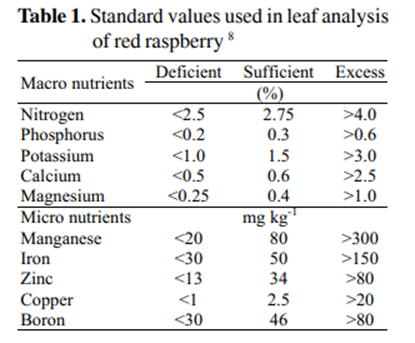
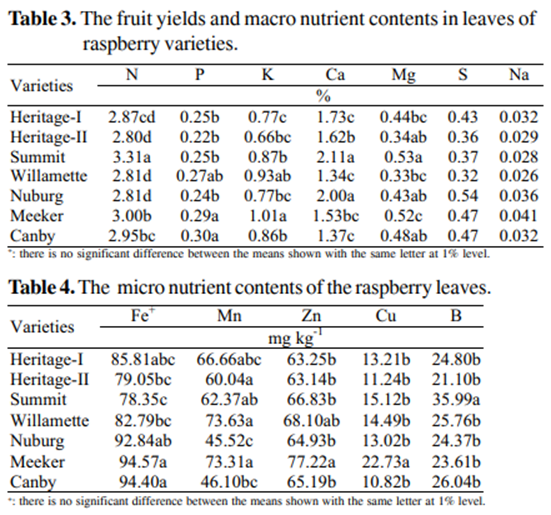
Comparison between blackberry leaves and raspberry leaves:
Fatty acids: Blackberry leaves had the highest level (p < 0.001) of α linolenic acid (C18:3n3), whereas raspberry leaves registered a higher content of octadecatetraenoic acid (C18:4n3) and eicosapentaenoic acid (C20:5n3) compared to blackberry leaves. The content of MUFA in raspberry leaves was almost double that in the blackberry leaves. Among the saturated fatty acids, the palmitic acid content was three times greater than that of stearic acid for both types of the analyzed leaves.
Blackberry leaves contain a significantly greater number of total tocopherols (p = 0.007) than raspberry leaves, among which α-tocopherol is the major compound (p < 0.0001). In raspberry leaves, the major compound was γ-tocopherol, which was significantly higher (p < 0.0001) than in blackberry leaves. Moreover, the levels of xantophylls were significantly higher (p < 0.0001) in blackberry leaves than in raspberry leaves, with zeaxanthin appearing three times higher in blackberry leaves compared to raspberry leaves. The total polyphenols and total flavonoids registered significantly higher concentrations (p< 0.05) in raspberry leaves compared to blackberry leaves.
During Digestion: Ferulic acid was the most abundant phenolic acid in both types of leaves, and its amount was also the highest in the intestinal phase. Among the flavonoids, epigallocatechin was the predominant one and followed the same behavior during the digestion of blackberry and raspberry leaves. Only gallic acid presented an increase throughout digestion in the blackberry leaves from 0.104 mg/g in the plant before digestion to 0.144 mg/g in the intestinal phase. In raspberry leaves, the amount of gallic acid in the intestinal phase was very close to the one in leaves before digestion, the intestinal bioaccessibility being 97.24%.
Crude protein & fiber: 14.8% crude protein in raspberry leaves and 15.14% in blackberry leaves. The functional characteristics of food are linked to their fiber content [R], consisting of non-digestible carbohydrates that serve as a source of nutrition for symbiotic bacteria in the large intestine [R]. Dietary fiber plays a significant role in human health by contributing to the prevention and management of conditions such as diabetes, obesity, coronary heart disease, and colorectal cancers [R]. In our study, the levels of crude fiber found in raspberry and blackberry leaves were in accordance with the results noted by [R], who reported a fiber content of 18.28% for blackberry and 16.48% for raspberry plants.
The result of this study shows that the proportion of unsaturated fatty acids in raspberry leaves (66.53%) is higher than the result found by Chwil and Kostryco [R], where a content of 46.64% was reported.
In Asia and Europe, raspberry leaves are a popular anti-inflammatory and antimicrobial remedy used in traditional medicine (Chinese Pharmacopoeia Commission, 2010; Patel et al., 2004).
Extracts of raspberry leaves have been used for their anticancer, antioxidant, antimicrobial, and relaxant properties [R], for treating fever, influenza, diabetes, diarrhea, and colic pain [R], and for the relaxation of the uterus during childbirth [R].
Dermatologic:
Raspberry leaf's tannin content (between 13% and 15%) is responsible for its astringent properties. Applied topically to mucous membranes or abraded skin, tannins have a local anti-inflammatory effect, produce capillary vasoconstriction, and decrease vascular permeability. Astringency of the leaves accounts for its effectiveness in extracts and as a poultice applied to skin wounds. This astringency also contributes to decreasing mucous discharge from the eyes.
Uteroactivity:
Active constituents in aqueous extracts of raspberry leaves include a smooth muscle stimulant, an anticholinesterase, and an antispasmodic that antagonizes the stimulant action of the two former fractions. The smooth muscle stimulant fraction has greater effect in uterine muscle. Results of animal studies indicate that raspberry can reduce and initiate uterine contractions. As in coordination of uterine action is a major problem in obstetrics, it may be that extract of raspberry leaf produces more coordinated labor contractions.
Tissue State Relevance
Red raspberry leaf (Rubus idaeus) has one of the clearest energetic profiles of any Western astringent herb, and the search results confirm this directly:
- It is cooling + astringent (Ayurveda: shita virya, kashaya rasa) naturemakeswell.com
- It corrects tissue laxity and tones mucous membranes and uterine smooth muscle naturemakeswell.com
- Its tannins produce cross‑linking of structural proteins, reducing fluid loss and congestion (classic astringent action) naturemakeswell.com
- It has anti‑inflammatory, antipyretic, immunostimulatory, and digestive‑supportive actions edgccjournal.org
1. Cold / Depression — Mildly Indicated (only when laxity is present)
Raspberry leaf is cooling, not warming, so it does not treat cold by itself.
But:
- If cold is paired with tissue laxity (cold, boggy pelvic tissues; cold diarrhea), raspberry leaf’s astringency can help tighten and restore tone.
Use only when cold + laxity coexist.
Otherwise, raspberry leaf may worsen cold.
2. Heat / Excitation — Strongly Indicated (cooling + anti‑inflammatory)
Search results confirm raspberry leaf is cooling, anti‑inflammatory, and antipyretic.
- Tannins reduce inflammatory exudate and soothe hot mucosa.
- Anti‑inflammatory activity is well‑documented in pharmacological reviews. edgccjournal.org
Pattern fit:
- Hot, irritated mucosa
- Hot diarrhea
- Hot menstrual patterns with irritation
- Feverish states (traditional diaphoretic/antipyretic use)
3. Damp / Stagnation — Indicated (astringent + toning)
Raspberry leaf is one of Western herbalism’s premier mucous‑membrane astringents.
- Tannins tighten lax, boggy tissues
- Reduces excessive secretions
- Helps restore tone in damp, congested pelvic tissues
Pattern fit:
- Damp pelvic congestion
- Boggy digestion
- Lax mucosa with excessive moisture
4. Dry / Atrophy — Contraindicated unless paired with moistening herbs
Because raspberry leaf is astringent + cooling, it can increase dryness.
Search results show:
- High tannin content (fragarine, ellagitannins, gallic acid) → drying, toning action. naturemakeswell.com
Use only when:
- Dryness coexists with laxity (rare)
Otherwise:
- Avoid or pair with moistening herbs (marshmallow, licorice).
5. Wind / Tension — Mildly Indicated (when tension coexists with laxity)
Raspberry leaf’s fragarine has a biphasic effect on smooth muscle:
- Relaxes spasm
- Tones lax tissue
This makes it useful for spasm + laxity patterns (e.g., dysmenorrhea with boggy pelvic tissues).
But it is not a primary Wind herb.
6. Stagnation (Non‑Heat) — Indicated when stagnation is due to laxity
Raspberry leaf does not “move” stagnation.
Instead, it corrects the underlying laxity that causes stagnation in pelvic tissues.
Pattern fit:
- Pelvic stagnation from lax tone
- Heavy menstrual flow from lax uterine tissue
- Postpartum pelvic congestion
Ultra‑Condensed Tissue‑State Map
| Tissue State | Relevance | Why |
|---|---|---|
| Cold/Depression | ⚠️ Conditional | Cooling; only useful if cold + laxity |
| Heat/Excitation | ✔ Strong | Cooling, anti‑inflammatory, antipyretic |
| Damp/Stagnation | ✔ Strong | Astringent; corrects laxity + excess moisture |
| Dry/Atrophy | ✘ | Astringent + cooling → increases dryness |
| Wind/Tension | ⚠️ Conditional | Smooth‑muscle regulation only if spasm + laxity |
| Stagnation (non‑heat) | ✔ | Tones lax tissues causing stagnation |
RED RASPBERRY LEAF — PAIRING‑LOGIC CARD
Cooling • Astringent • Toning • Anti‑inflammatory • Uterine‑supportive
Raspberry leaf pairs best with herbs that support toning of lax tissues, cool hot irritation, or balance its drying/astringent nature.
1. Heat / Excitation — Cooling + Anti‑inflammatory Synergy (Primary Domain)
Raspberry leaf is cooling and anti‑inflammatory, ideal for hot, irritated tissues.
Best partners:
- Chamomile — cooling anti‑inflammatory; soothes hot mucosa.
- Calendula — tissue repair + gentle cooling.
- Lemon balm — cools emotional heat; harmonizes raspberry’s greenness.
Why these work:
Raspberry leaf’s cooling virya and anti‑inflammatory tannins complement other cooling, soothing herbs.
2. Damp / Stagnation — Astringent + Toning (Primary Domain)
Raspberry leaf’s tannins tighten lax, boggy tissues and reduce excess moisture.
Best partners:
- Yarrow — drying, astringent, moves damp stagnation.
- Sage — drying + toning synergy.
- Plantain — mucosal repair + gentle drying.
Why these work:
They reinforce raspberry leaf’s ability to correct damp laxity in pelvic and digestive tissues.
3. Cold / Depression — Conditional (Only if Cold + Laxity)
Raspberry leaf is cooling, so it does not treat cold by itself.
But if cold is paired with lax, boggy tissues, raspberry leaf’s astringency helps restore tone.
Best partners:
- Ginger — adds warmth to counter raspberry’s cooling nature.
- Cinnamon — warming circulatory lift.
- Nettle — nutritive support (confirmed pairing) yarrowapp.com.
Why these work:
They warm the system while raspberry leaf tightens lax tissues.
4. Dry / Atrophy — Use Only with Moistening Herbs
Raspberry leaf is drying + astringent.
Use only when dryness coexists with laxity.
Moistening partners:
- Marshmallow root
- Licorice
- Oatstraw (confirmed pairing) yarrowapp.com
Why these work:
They buffer raspberry leaf’s drying action and protect mucosa.
5. Wind / Tension — Helpful Only When Spasm + Laxity Coexist
Raspberry leaf’s fragarine has a biphasic smooth‑muscle effect (tones + relaxes), making it useful for spasm + laxity patterns.
Best partners:
- Cramp bark — antispasmodic + uterine calming.
- Lemon balm — calms wind while raspberry leaf tones tissue.
- Vitex — hormonal regulation (confirmed pairing) yarrowapp.com.
Why these work:
They address both the spasm (wind) and the underlying laxity.
6. Stagnation (Non‑Heat) — Indicated When Stagnation Is Due to Laxity
Raspberry leaf does not “move” stagnation; it corrects the lax tone causing stagnation.
Best partners:
- Yarrow — moves stagnation + dries damp.
- Rose — cooling repair + pelvic tone synergy.
- Hawthorn — circulatory support for pelvic stagnation.
Why these work:
They add movement while raspberry leaf restores tone.
Ultra‑Condensed Pairing Map
| Tissue State | Raspberry Leaf? | Strategy | Best Partners |
|---|---|---|---|
| Heat/Excitation | ✔ Strong | Cool + soothe | Chamomile, Calendula, Lemon balm |
| Damp/Stagnation | ✔ Strong | Dry + tone | Yarrow, Sage, Plantain |
| Cold/Depression | ⚠️ Conditional | Warm + tone | Ginger, Cinnamon, Nettle |
| Dry/Atrophy | ⚠️ With moistening herbs | Buffer dryness | Marshmallow, Licorice, Oatstraw |
| Wind/Tension | ⚠️ Conditional | Calm spasm + tone | Cramp bark, Lemon balm, Vitex |
| Stagnation (non‑heat) | ✔ | Tone + move | Yarrow, Rose, Hawthorn |
RED RASPBERRY LEAF — DECISION TREE
Cooling • Astringent • Toning • Anti‑inflammatory • Smooth‑muscle regulating
Students begin at the top and follow the sensory‑pattern cues downward.
STEP 1 — Identify the Dominant Tissue State
A. Heat / Excitation
→ Go to Step 2
B. Damp / Stagnation
→ Go to Step 3
C. Cold / Depression
→ Go to Step 4
D. Dry / Atrophy
→ Go to Step 5
E. Wind / Tension
→ Go to Step 6
F. Stagnation (non‑heat)
→ Go to Step 7
STEP 2 — Heat / Excitation (Strong Indication)
Raspberry leaf is cooling + anti‑inflammatory (tannins, ellagic acid) teatrade.co.uk.
2A — Hot, irritated mucosa?
Choose raspberry leaf.
- Cooling virya
- Anti‑inflammatory tannins
- Soothes hot diarrhea, hot menstrual irritation
2B — Heat with excessive bleeding?
Choose raspberry leaf.
- Tannins have hemostatic action (postpartum + heavy menses) teatrade.co.uk
2C — Heat with dryness?
Avoid raspberry leaf unless paired with moistening herbs (marshmallow, licorice).
STEP 3 — Damp / Stagnation (Strong Indication)
Raspberry leaf’s astringent rasa tightens lax, boggy tissues and reduces excess moisture satyori.com.
3A — Boggy pelvic tissues?
Choose raspberry leaf.
3B — Damp diarrhea or lax digestion?
Choose raspberry leaf.
3C — Damp + heat?
Choose raspberry leaf (cooling + drying synergy).
STEP 4 — Cold / Depression (Conditional)
Raspberry leaf is cooling, so it does not treat cold unless cold + laxity coexist.
4A — Cold + lax, boggy tissues?
Choose raspberry leaf + warming partner (ginger, cinnamon).
4B — Cold without laxity?
Avoid raspberry leaf.
STEP 5 — Dry / Atrophy (Contraindicated unless laxity is present)
Raspberry leaf is drying + astringent due to high tannin content teatrade.co.uk.
5A — Dry + lax tissues?
Use raspberry leaf with moistening herbs (marshmallow, licorice, oatstraw).
5B — Dry + tight tissues?
Avoid raspberry leaf.
STEP 6 — Wind / Tension (Conditional)
Fragarine has a biphasic smooth‑muscle effect — relaxes spasm while toning lax tissue teatrade.co.uk.
6A — Spasm + laxity (e.g., dysmenorrhea with boggy pelvic tissues)?
Choose raspberry leaf.
6B — Pure spasm without laxity?
Avoid raspberry leaf; use antispasmodics (cramp bark, kava).
STEP 7 — Stagnation (Non‑Heat)
Raspberry leaf does not move stagnation — it corrects the laxity causing stagnation.
7A — Stagnation due to lax tone (pelvic heaviness, slow uterine recovery)?
Choose raspberry leaf.
7B — Stagnation due to cold or dryness?
Avoid raspberry leaf unless paired appropriately.
Ultra‑Condensed ersion
| Tissue State | Raspberry Leaf? | Why |
|---|---|---|
| Heat/Excitation | ✔ Strong | Cooling + anti‑inflammatory |
| Damp/Stagnation | ✔ Strong | Astringent; tightens lax tissues |
| Cold/Depression | ⚠️ Conditional | Only if cold + laxity |
| Dry/Atrophy | ⚠️ Conditional | Drying; use only with moistening herbs |
| Wind/Tension | ⚠️ Conditional | Helps spasm + laxity |
| Stagnation (non‑heat) | ✔ | Corrects lax tone causing stagnation |
Uses
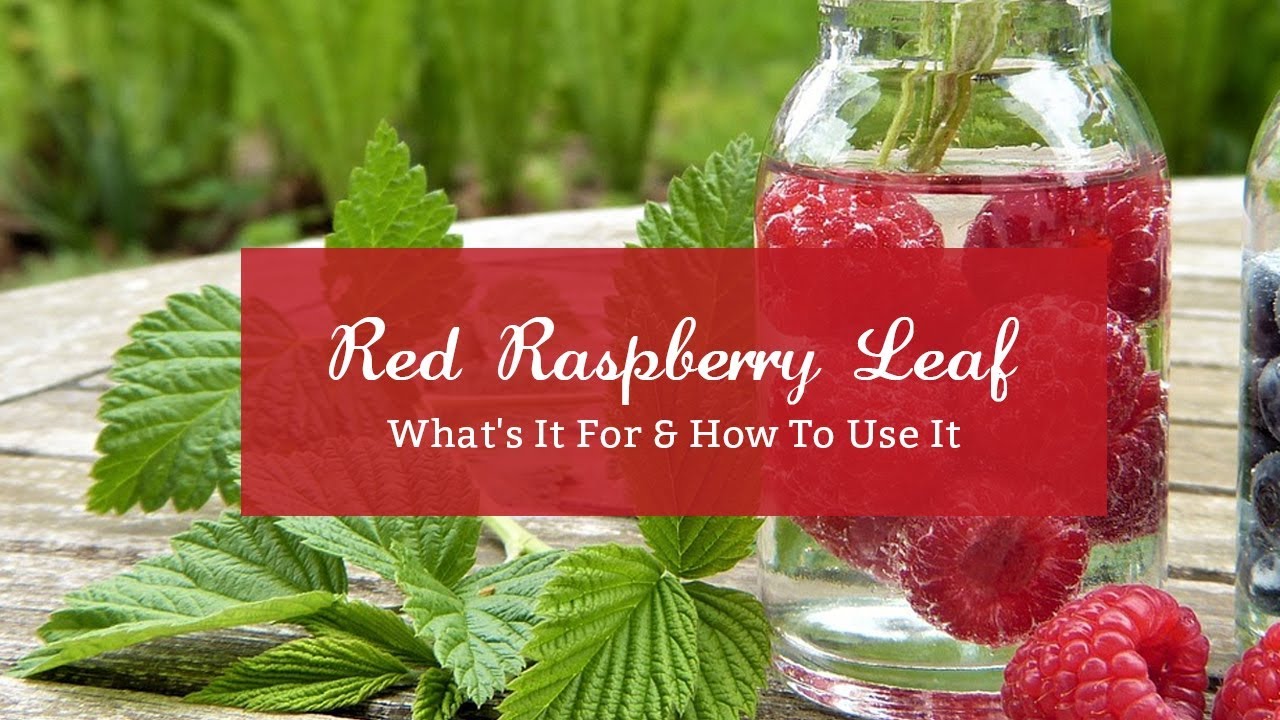
How it Helps Women
Used for disorders of the gastrointestinal tract, the respiratory tract, the cardiovascular system, the mouth and throat. In folk medicine, Raspberry preparations were used to facilitate childbirth.
•Highly nutritive
•May specifically concentrate manganese – manganese deficiency may cause infertility
•Used traditionally to produce “Rubus babies” in mothers who had been infertile.
•Very drying in nature, will dry up diarrhea
•Combine with other nutritive herbs plus demulcents to counter the dryness
Nutrition for Animals
Leaves may be considered an unconventional and inexpensive source of antioxidants for animal nutrition, with potential effects of increasing the antioxidant level in obtained animal products and a positive impact in controlling the lipid oxidative processes that occur in foods during storage time.
Prep/Dose
To help the mother prepare for birth,raspberry leaf and can be taken continuously after the first trimester. It's not known how they act, but raspberry probably builds up the strength of the myometrium (uterine muscle), which leads to an easy birth. The value of raspberry leaf in pregnancy has been proven in many cases and there is no evidence for any deleterious effect. During labor, raspberry should be taken with increased frequency, up to six 5mL doses in a day.
For postpartum hemorrhage - Make an infusion using equal parts raspberry leaf and nettle: This can be drunk as a beverage
Tea:
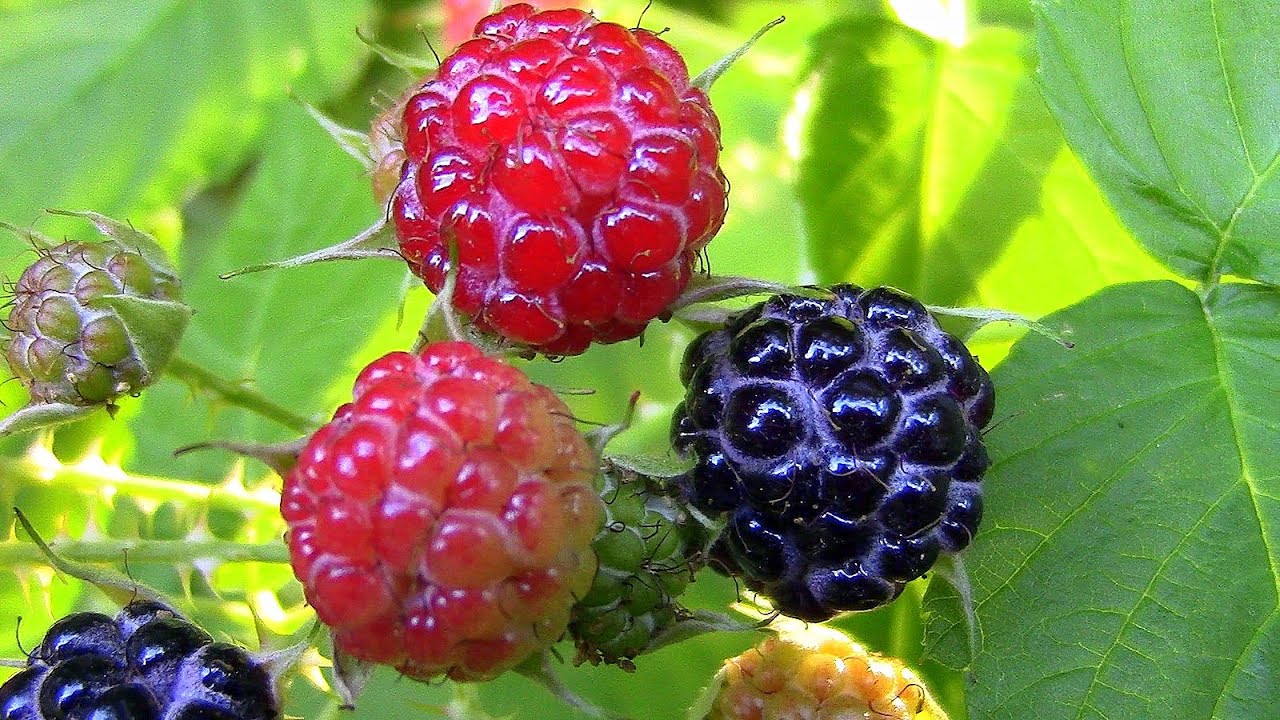
Used as a component of purgative and "blood purifying" teas and in fruit tea mixtures.
Infusion: scald 1.5gm finely cut leaf, steep 5 minutes and then strain (1 teaspoonful = 0.8 gm)