Gallbladder
Return to Digestive System Menu
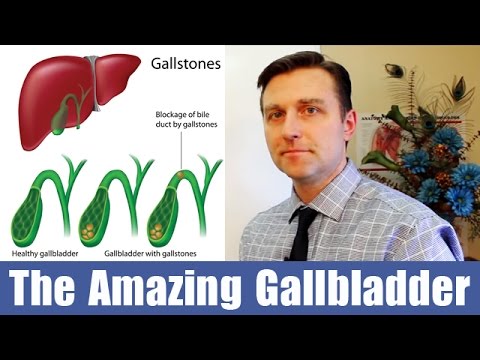

Gallbladder & SIBO Connection
Why Does Intermittent Fasting increase Gallbladder Sludge?
The gallbladder is a small, pear-shaped organ located under the liver on the right side of the abdomen.
The gallbladder stores bile, a thick liquid produced by the liver to help digest fat. When you eat, the gallbladder squeezes bile into the small intestine through the main bile duct. The more fat you eat, the more bile the gallbladder injects into the digestive tract.
Bile is secreted by the liver into small ducts that join to form the common hepatic duct. Between meals, secreted bile is stored in the gallbladder. During a meal, the bile is secreted into the duodenum (part of the small intestine) to rid the body of waste stored in the bile as well as aid in the absorption of dietary fats and oils.
Migraines, temporal on side of head, usually a liver/gallbladder issue, the gallbladder channel runs along side of head.
There's a link between hypochlorhydria and gallbladder problems as well as bacterial overgrowth and resulting problems with slowing down intestinal motility.
Celiac Artery The celiac trunk, also known as the celiac artery or celiac axis, is a major artery in the abdominal cavity. It supplies blood to the major digestive organs, including the gallbladder.
Cholecystokinin - CCK stimulates gallbladder contraction
Secretin : stimulates the liver and gallbladder to release bile salts for the emulsification of fat.
VIP - Vasoactive intestinal peptide stimulates smooth muscle relaxation in the gallbladder (and other organs)
Reverse cholesterol transport (RCT) is a process by which the body removes excess cholesterol from peripheral tissues and delivers it to the liver. The liver can then redistribute the cholesterol to other tissues or remove it from the body through the gallbladder.
Salmonella : The gallbladder is the organ that harbors salmonella.
Giardia : parasite can nest itself up in the gallbladder and create inflammation
Gallbladder in TCM
- Gallbladder Functions:
- Stores bile. The Gallbladder's job of storing and emptying the bile is dependent on the Liver ensuring the smooth flow of Qi. The Gallbladder is easily affected by Dampness deriving from an impairment of the Spleen function of transformation and transportation.
- Etiology/Pathology:
- Diet: excessive consumption of greasy and fatty foods leads to the formation of Dampness which can lodge in the Gallbladder.
- Emotions: Anger, frustration and bottled-up resentment can cause stagnation of Liver Qi which, in turn, can produce Heat which affects the Gallbladder. Pent up anger over a long period of time implodes to give rise Fire in Liver and Gallbladder with symptoms of irritability, bitter taste, thirst, headaches, etc. Gallstones can be seen as the manifestation of "Gall"- Liver Qi stagnation here.
- Climate: Exogenous Dampness and Heat, as found in tropical or subtropical regions, can cause Damp-Heat in the Gallbladder. (Impairs the Spleen's function of transforming and transporting, deficient Spleen Qi creates many Gallbladder problems. Dampness lodges in the Gallbladder and gets stuck.)
Actions on the Gallbladder
- Cholagogues
- Emetics
- Taste: Sour in Western herbalism the sour taste is indicated for actions on the gallbladder
- Estrogen Dominance
- Gallbladder Sludge
Gallbladder & Colon Cancer
There is no direct evidence that the gallbladder itself plays a significant role in colon cancer. However, there are some potential connections between gallbladder pathology and colon cancer:
- Metastasis to gallbladder:
- Colon cancer can metastasize to the gallbladder, although this is relatively rare.
- Metastasis to the gallbladder from colon cancer generally indicates an advanced stage of disease with a poor prognosis.
- Diagnostic challenges:
- In some cases, gallbladder pathology can lead to the incidental discovery of colon cancer.
- The case report mentioned describes a patient whose colon cancer was initially discovered through histopathology of the gallbladder.
- Histopathological markers:
- Specific markers like CK20 and CDX2 can be used to differentiate metastatic colon cancer in the gallbladder from primary gallbladder malignancies.
- The presence of CK7-negative/CK20-positive cells with CDX2 positivity in gallbladder tissue can indicate a colorectal primary origin.
- Treatment considerations:
- In cases of colon cancer metastasis to the gallbladder, treatment may involve cholecystectomy with or without additional hepatic resection, depending on the extent of the disease.
- Indirect connections:
- While not directly related to the gallbladder, the search results mention that proton pump inhibitors (PPIs) can affect fecal pH and serum gastrin levels, which may influence colon cancer progression.
- Changes in gut flora and pH, which could be influenced by gallbladder function, may play a role in colorectal cancer risk.
While the gallbladder itself does not appear to play a direct role in colon cancer development, it can be a site of metastasis from colon cancer. Additionally, gallbladder pathology can sometimes lead to the discovery of colon cancer. The relationship between these organs in the context of cancer is primarily one of potential metastatic spread rather than direct causation.
Gallbladder (Biliary) Sludge in Prolonged Fasting
Can Gluten Cause Liver and Gallbladder Damage?
A Surprising Finding with Fibromyalgia (congested gallbladder)
Turmeric : 16 parts turmeric to 1 part black pepper, increases absorption of turmeric by 2000%. Turmeric increases the contraction of the gallbladder (when its absorbed) by 50%.
Melatonin presence in the gallbladder has many protective properties, such as converting cholesterol to bile, preventing oxidative stress, and increasing the mobility of gallstones from the gallbladder.
Black Cohosh: can go into a gallbladder formula for gallbladder cramping
Blue Flag : gallbladder problems involving a lack of bile flow.
Butterbur / Petasites for gallbladder problems
Cascara Sagrada Bark / Cascara Buckthorn used for gallstones
Common Fumitory Spastic discomfort in the area of the gallbladder and bile ducts, as well as the gastrointestinal tract
Horseradish contains compounds that can stimulate the gallbladder to release bile.
Kidney Bean : Unlike fatty acids, red kidney bean phytohemagglutinin does not increase cholecystokinin levels in the blood, but instead induces potent gallbladder contraction by activating an unidentified cholinergetic pathway.
Lemon Rind / Peel :liver & gallbladder fire; fever, unrest, intense headache, jaundice
- Choleretic effect: Peppermint can stimulate the gallbladder to release bile, a digestive fluid crucial for breaking down fats. This may be helpful for people with sluggish bile flow or mild gallbladder issues.
- Antispasmodic properties: Peppermint has muscle-relaxing properties, which may help alleviate pain and discomfort associated with gallbladder spasms or colic.
- Improved bile consistency: Certain compounds in peppermint might help increase the solubility of cholesterol in bile, potentially reducing the risk of gallstone formation.
Potential drawbacks:
- Inhibition of gallbladder emptying: In some studies, peppermint oil was found to inhibit gallbladder emptying, which could worsen symptoms if you already have gallstones or biliary obstruction.
- Irritant potential: High doses of peppermint or concentrated peppermint oil can irritate the digestive system, potentially worsening existing gallbladder inflammation or discomfort.
Extra Virgin Olive Oil: Contraction of the gallbladder was observed with the increase of cholecystokinin in the plasma. It is not uncommon for a fatty meal to provoke a gallbladder crisis and a trip to the hospital. Large amounts of olive oil might do the same.
Gentian : Gentian is the leading bitter-cold gastrointestinal stimulant and cholagogue for the general syndrome gallbladder and stomach Qi stagnation.
- Less familiar to us is Gentian's use as a draining remedy. We know from traditional vitalistic pharmacology, including traditional Greek energetics, that Gentian may also be used in heat and damp heat conditions of the liver and gallbladder. One of its names, "Felwort," is clearly relevant here (felmeans gallbladder in Latin). The bitter taste ultimately has a cooling effect on the whole organism. Not only the Oriental Gentiana Long Dan Cao, but also the Western Gentian demonstrates excellent antipyretic, antiseptic and detoxicant actions on the digestive organs. In short, Gentian root is an important remedy for hot conditions of both the simple congestive and the infectious type.
Khella / Toothpick Weed may be helpful in passing gallbladder stones.
Mannitol : Found in Kelp and occurs naturally as the main constituent of “manna” an edible exudate from some species of Ash (Fraxinus) Its sometimes used in phytotherapy to treat constipation and to simulate the gallbladder.
Lead: Lead's effects on the gallbladder are complex and still unfolding in research. While significant data exists on lead's harmful effects on the liver and bile ducts, the specific impact on the gallbladder itself is nuanced and dependent on several factors. Here's what we know so far:
- Inflammation: Lead exposure can trigger inflammatory responses in the biliary system, including the gallbladder. This inflammation can irritate the gallbladder wall and contribute to various issues like pain, tenderness, and even cholecystitis (gallbladder inflammation).
- Cell damage: Lead can damage cells throughout the body, including those in the gallbladder. This can disrupt normal gallbladder function and potentially increase the risk of infections or other complications.
- Direct lead accumulation: While lead does accumulate in the liver and bile, research on its specific levels in the gallbladder is limited. This makes it harder to understand the direct impact of lead on gallbladder tissue.
- Long-term effects: The long-term consequences of lead exposure on the gallbladder are still unclear. More research is needed to understand the potential for chronic or delayed effects.
Oats : Oats are a good source of both soluble and insoluble fiber. Soluble fiber, like beta-glucan found in oats, helps bind cholesterol in the digestive tract, preventing its absorption and reducing its concentration in bile. This can lower the risk of gallstone formation, particularly cholesterol gallstones, the most common type.
Ox Knee (Huai Niu Xi) : it has an extraordinary healing power that can guide the stones formed in the gallbladder, kidney, bladder, and urethra downward and thus discharge them out of the body.
Rhubarb Root : gallbladder heat syndromes.
Rose : liver and gallbladder Qi stagnations: depression, moodiness, mid-back and side pain, indigestion, constipation
- gallbladder heat: nausea, headache, sour belching, vomiting, right subcostal pain, irritability
Rosemary: Animal tests have demonstrated spasmolytic effects on the gallbladder ducts and on the upper intestine.
Southern Bayberry / Wax Myrtle : liver/gallbladder Yang deficiency: frontal or occipital headache worse mornings, flank and midback pain, jaundice, alternating soft and hard stools
Spearmint: for gallbladder Qi stagnation; indigestion, epigastric pain and distension, nausea, headache
Tamarind Pulp & Seeds used in gallbladder heat and damp heat
Wild Yam Used for gallbladder colic.
Wormwood: Its bitter stimulation extends to conditions of stagnant heat and damp, effectively dredging the liver, gallbladder and intestines of accumulated waste