Animal Rights 1
---
i never connect to endangered species to 420 covid pandemic; guess i thought of this as domestic agric and pet animals
may be interesting battleground in terms of corp rights, as science shows increasingly what we thought was distinctly human is not; cf op-ed in which idea of corp personhood is made fun of in terms on a chimp impersonation? suit?
420 aha ish interesting that this turned out to be a fringe issue, thus attackable as eco terror, but pandemics come from animal trade/deforest etc
https://www.alternet.org/elon-musk-neuralink-animal-welfare/
an 10 22
Fork 1 Bush 41 Sabotage Climate Conference
Fork 2 Exxon Knew, abandons clean energy
Fork 3: Bush 43 abandons Kyoto
Fork 4: Trump abandons Paris
no lnx
Acquittal of activists who saved dying piglets from Smithfield Foods sets 'right to rescue' precedent
Kenny Stancil and Common Dreams October 09, 2022
Opponents of factory farms and animal cruelty celebrated Saturday night when jurors acquitted two activists who were each facing up to five-and-a-half years in prison on felony burglary and theft charges stemming from the2017 removal of a pair of sick piglets from a Smithfield Foods factory farm in Utah.
The not-guilty verdict—a landmark decision establishing the legal "right to rescue" distressed animals in need of care—is "the culmination of a more than five-year pursuit that multiple agencies, including the FBI and the Utah attorney general's office,"The Intercept's Marina Bolotnikova reported.
:{
}:
As Bolotnikova noted, the case "began after the activists published undercover footage revealing gruesome conditions at Smithfield, the nation's largest pork producer," in violation of Utah's 2012 ag-gag law criminalizing the collection of evidence of animal abuse and other illegal activities on factory farms.
Wayne Hsiung and Paul Picklesimer, members of theanimal rights group Direct Action Everywhere (DxE), rescued two dangerously underweight piglets, whom they named Lily and Lizzie, from Circle Four Farms in Beaver County in March 2017. The men took the piglets to receive emergency veterinary care and then transported them to an animal sanctuary in Colorado.
Cheers erupted in the courtroom on Saturday when Judge Jeffrey Wilcox announced the jury's unanimous decision to acquit both defendants following more than seven hours of deliberation.The trial had to be moved from Beaver County to neighboring Washington County after activists endured threats of violence and intimidation from local authorities, prompting a civil rights lawsuit.
"They just let a guy who walked into a factory farm and took two piglets out without the consent of Smithfield walk out of the courtroom free," Hsiung, who co-founded DxE in 2013, told reporters outside the courthouse in St. George, Utah. "If it can happen in southern Utah, it can happen anywhere."
During his closing remarks to jurors, Hsiung, a former Northwestern Law visiting professor who represented himself at trial, said: "I don't actually want you to acquit us on a legal technicality. I want you to acquit us as a matter of conscience. There's a big difference between stealing and rescue."
:{
}:
If you help establish the "right to rescue," Hsiung told the jury, "companies will be a little more compassionate to creatures under their stewardship. Governments will be a little more open to animal cruelty complaints. And maybe just maybe, a baby pig like Lily won't have to starve to death on the floor of a factory farm."
"We all have a duty to be kind," said Hsiung. "And your decision today, if you make a good one, will make the world a little bit of a kinder place, even for a baby pig of a factory farm."
As DxE pointed out in a statement:
A most unlikely character witness, Rick Pitman, testified in support of the defendants Friday. Pitman is the owner of Norbest, a turkey farming company in Utah, which Hsiung and Picklesimer previously investigated and were charged for, before striking up a friendship and annual Thanksgiving turkey rescue tradition.
During cross-examination, Assistant Utah Attorney General Janise Macanas asked Pitman if Hsiung's actions had caused him financial harm. Pitman replied, 'There's a difference between stealing a turkey and rescuing a turkey who is suffering.'
The case had been criticized by legal scholars as unconstitutional and politically motivated, given Utah Attorney General Sean Reyes' possible financial ties to Smithfield.
"State and federal authorities have consistently shielded factory farms from transparency and accountability," said Matthew Strugar, an attorney who has been involved in every successful effort to overturn "ag-gag" statutes in the United States. "In nearly two decades of legal work, this case is one of the most egregious I've seen, in terms of denying defendants' constitutional right to a rigorous defense."
Although Hsiung and Picklesimer "documented dead and dying piglets in piles of feces and blood and claim the two piglets they removed were injured, sick, and starving," DxE noted, Wilcox ruled in February that "video of the rescue—and any evidence of the condition of the animals—is barred because it might arouse 'horror' in the jury."
As Bolotnikova explained Saturday, citing previous reporting by The Intercept, the FBI in August 2017 "chased the piglets across state lines and raided the sanctuary where they were living, bringing with them veterinarians who sliced off a piece of Lizzie's ear to perform a DNA test and confirm that she was the property of Smithfield Foods. (The animals were not removed from the sanctuary, and still live there to this day.)"
"Prosecutors alleged that the baby pigs, who were barely a week old when the activists removed them, were worth $42.20 each, or $84.40 in total, to Smithfield," Bolotnikova reported. "The U.S.-based pork producer is a wholly-owned subsidiary of the Hong Kong-based pork company WH Group, which reported $24 billion of revenue in 2019."
Hadar Aviram, a professor at UC Hastings Law who testified in favor of the activists, told The Intercept that "Smithfield has an enormous amount of financial interests that are wrapped up in this."
"They have an enormous amount to lose if this trial becomes public, and they cannot afford, or maybe they think they cannot afford, to give an inch to these people," said Aviram.
The pig rescue occurred during a DxE investigation to uncover whether Smithfield had followed through on its pledge to stop using two-foot by seven-foot gestation crates that make it impossible for pregnant pigs to turn around.
Hsiung, Picklesimer, and three others who pleaded out of the case discovered rows of pregnant pigs confined to such cages despite the company's promise to swear off of them. Evidence from the probe has been used in a lawsuit against Smithfield for misleading consumers, and it sparked nationwide protests against Costco,one of Smithfield's major buyers.
The animal rights activists also found "a facility packed with farrowing crates—similar to gestation crates, but with just enough additional room to fit nursing piglets—where female pigs are moved when they're ready to give birth," The Intercept noted. "The group found dead and rotting piglets inside the facility, as well as visibly ill and injured ones like Lily and Lizzie."
"A key part of the defense's case was that the piglets were on the verge of death when Hsiung and Picklesimer took them, and Smithfield routinely throws sick or dead animals away," the news outlet noted. "Had the animals remained in the company's possession, the defense argued, they would have been worthless."
:{
}:
By setting a "right to rescue" precedent, the activists' major victory against a multi-billion dollar industry could have far-reaching implications.
:{
}:
"This is huge. On many levels," Bolotnikova tweeted. "And it shows a hell of a lot about how out-of-touch red-state prosecutors and politicians are from the people they represent."
_{
}_
The U.S. Supreme Court, she added, will soon hear arguments over California's ban on gestation crates, which "were on trial in this case even though the judge didn't want them to be."
someone pointed out pandemics come out of ~ ecology, logging etc
https://theconversation.com/the-new-coronavirus-emerged-from-the-global-wildlife-trade-and-may-be-devastating-enough-to-end-it-133333
OVID-19 is one of countless emerging infectious diseases that are zoonotic, meaning they originate in animals. About 75% of emerging infectious diseases are zoonotic, accounting for billions of illnesses and millions of deaths annually across the globe.
When these diseases spill over to humans, the cause frequently is human behaviors, including habitat destruction and the multibillion-dollar international wildlife trade – the latter being the suspected source of the novel coronavirus.
The COVID-19 pandemic has forced governments to impose severe restrictions, such as social distancing, that will have massive economic costs. But there has been less discussion about identifying and changing behaviors that contribute to the emergence of zoonotic diseases. As a conservation biologist, I believe this outbreak demonstrates the urgent need to end the global wildlife trade.
Markets for disease
As many Americans now know, the COVID-19 coronavirus is one of a family of coronaviruses commonly found in bats. It is suspected to have passed through a mammal, perhaps pangolins – the most-trafficked animal on the planet – before jumping to humans.
The virus’s spillover to humans is believed to have occurred in a so-called wet market in China. At these markets, live, wild-caught animals, farm-raised wild species and livestock frequently intermingle in conditions that are unsanitary and highly stressful for the animals. These circumstances are ripe for infection and spillover.
The current outbreak is just the latest example of viruses jumping from animals to humans. HIV is perhaps the most infamous example: It originated from chimps in central Africa and still kills hundreds of thousands of people annually. It likely jumped to humans through consumption of bushmeat, or meat from wildlife, which is also the likely origin of several Ebola oubreaks. PREDICT, a U.S.-funded nonprofit, suggests there are thousands of viral species circulating in birds and mammals that pose a direct risk to humans.
Decimating wildlife and humans
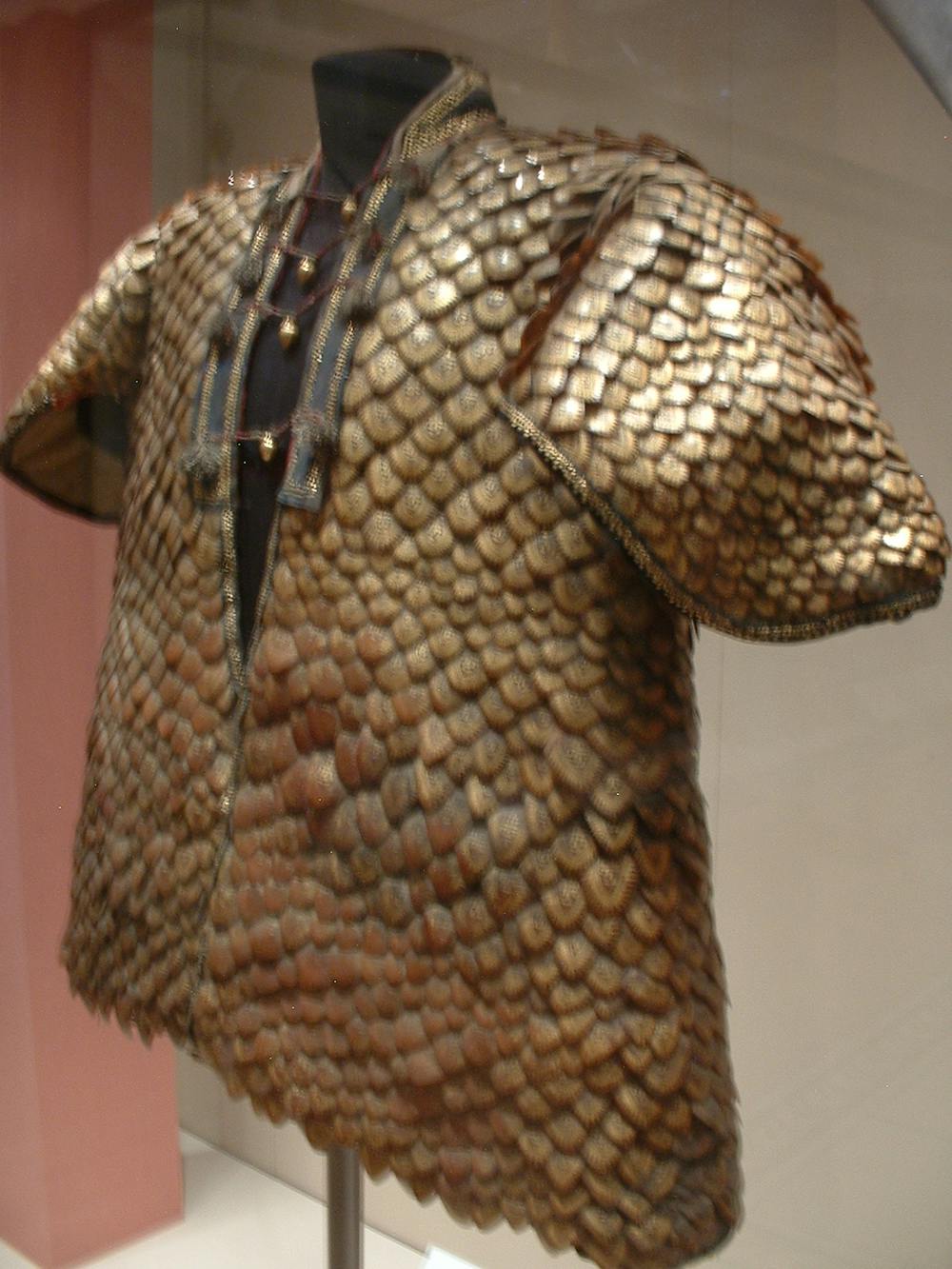
:{Coat made of pangolin scales, on display at the Royal Armouries in Leeds. The coat was given to King George III in 1820, along with a helmet also made with pangolin scales.:(style="margin:0px;padding:0px;border:0px;outline:0px;vertical-align:baseline;background:rgba(0, 0, 0, 0)"):}: :{:(style="margin:0px;padding:0px;border:0px;outline:0px;vertical-align:baseline;background:rgba(0, 0, 0, 0)"):}:Gaius Cornelius/Wikipedia

Trade in wildlife has decimated populations and species for millennia and is one of the five key drivers of wildlife declines. People hunt and deal in animals and animal parts for food, medicine and other uses. This commerce has an estimated value of US$18 billion annually just in China, which is believed to be the largest market globally for such products.
My own work focuses on African and Asian elephants, which are severely threatened by the wildlife trade. Demand for elephant ivory has caused the deaths of more than 100,000 elephants in the last 15 years.
Conservationists have been working for years to end the wildlife trade or enforce strict regulations to ensure that it is conducted in ways that do not threaten species’ survival. Initially, the focus was on stemming the decline of threatened species. But today it is evident that this trade also harms humans.
For example, conservation organizations estimate that more than 100 rangers are killed protecting wildlife every year, often by poachers and armed militias targeting high-value species such as rhinos and elephants. Violence associated with the wildlife trade affects local communities, which typically are poor and rural.
The wildlife trade’s disease implications have received less popular attention over the past decade. This may be because bushmeat trade and consumption targets less-charismatic species, provides a key protein source in some communities and is a driver of economic activity in some remote rural areas.
Will China follow through?
In China, wild animal sales and consumption are deeply embedded culturally and represent an influential economic sector. Chinese authorities see them as a key revenue generator for impoverished rural communities, and have promoted national policies that encourage the trade despite its risks.
In 2002-2003, severe acute respiratory syndrome, or SARS – a disease caused by a zoonotic coronavirus transmitted through live wildlife markets – emerged in China and spread to 26 countries. Then as now, bats were a likely source.
In response, the Chinese government enacted strict regulations designed to end wildlife trade and its associated risks. But policies later were weakened under cultural and economic pressure.
Now repercussions from the COVID-19 pandemic are driving faster, stronger reforms. China has announced a temporary ban on all wildlife trade and a permanent ban on wildlife trade for food. Vietnam’s prime minister has proposed a similar ban, and other neighboring countries are under pressure to follow this lead.
[poster friends not food china]

Conservation scientists are hearing rumors that wildlife markets on China’s borders – which often sell endangered species whose sale is banned within China – are collapsing as the spread of coronavirus cuts into tourism and related commerce. Similarly, there are reports that in Africa, trade in pangolin and other wildlife products is shrinking in response to coronavirus fears.
However, I worry that these changes won’t last. The Chinese government has already stated that its initial bans on medicinal wildlife products and wildlife products for non-consumption are temporary and will be relaxed in the future.
This is not sufficient. In my view, terminating the damaging and dangerous trade in wildlife will require concerted global pressure on the governments that allow it, plus internal campaigns to help end the demand that drives such trade. Without cultural change, the likely outcomes will be relaxed bans or an expansion of illegal wildlife trafficking
.[vid yao ming]
Africa has borne the greatest costs from the illegal wildlife trade, which has ravaged its natural resources and fueled insecurity. A pandemic-driven global recession and cessation of tourism will drastically reduce income in wildlife-related industries. Poaching will likely increase, potentially for international trade, but also for local bushmeat markets. And falling tourism revenues will undercut local support for protecting wild animals.
On top of this, if COVID-19 spreads across the continent, Africa could also suffer major losses of human life from a pandemic that could have started in an illegally traded African pangolin.
Like other disasters, the COVID-19 pandemic offers an opportunity to implement solutions that will ultimately benefit humans and the planet. I hope one result is that nations join together to end the costly trade and consumption of wildlife.
https://en.wikipedia.org/wiki/Animal_Enterprise_Terrorism_Act
Animal Enterprise Terrorism Act (AETA) of 2006 is a United States federal law (Pub.L. 109–374; 18 U.S.C. § 43) that prohibits any person from engaging in certain conduct "for the purpose of damaging or interfering with the operations of an animal enterprise."[1] The statute covers any act that either "damages or causes the loss of any real or personal property" or "places a person in reasonable fear" of injury....
The law amends the Animal Enterprise Protection Act of 1992(Pub.L. 102–346) and gives the U.S. Department of Justice greater authority to target animal rights activists. The AETA does so by broadening the definition of "animal enterprise" to include academic and commercial enterprises that use or sell animals or animal products. It also increases the existing penalties, includes penalties based on the amount of economic damage caused, and allows animal enterprises to seek restitution.
The law was originally introduced in the 109th Congress by Thomas Petri (R-WI) and SenatorsDianne Feinstein (D-CA) and James Inhofe(R-OK). The final version of the bill, S. 3880.,[2] was passed in the United States Senate on September 29, 2006, by unanimous consent, a Senate procedure that is used to expedite the passage of non-controversial bills without an actual vote. On November 13, 2006, the House passed the bill under**suspension of the rules**, a procedure generally used to quickly pass non-controversial bills.The lone dissenting statement was made by Representative Dennis Kucinich, who said that the bill was "written in such a way as to have a chilling effect on the exercise of the constitutional rights of protest."[3] Neither Rep. Kucinich nor any other members of the House of Representatives called for a recorded vote; the bill passed with a voice vote.[4] The bill was signed by President George W. Bush on November 27, 2006. Earlier versions of the bill were known as S. 1926 and H.R. 4239.[5] The bill is described by the author as being intended to "provide the Department of Justice the necessary authority to apprehend, prosecute, and convict individuals committing animal enterprise terror."[2]
intercept 120
factory Farm Industry Quietly Lobbies California Officials to Criminalize Animal Rescue Activism
Lee Fang
Records show that the California Farm Bureau has been working behind closed doors to limit legal exemptions for Direct Action Everywhere’s open rescues.
==
1219 intercept
Bad Chemistry
EPA Move to Phase Out Animal Experiments Could Mean the End of Toxics Regulations
Sharon Lerner — Jul. 3
The chemical industry’s and the Trump EPA’s eagerness to phase out experimental testing on lab animals appears to be a sneak attack on chemical regulation.
==
‘Largest Undercover Dairy Investigation in History’ Uncovers Shocking Abuse at ‘Disneyland’ of Farms
==
basel decl BS?
https://www.basel-declaration.org/useful-links/
Basler Deklaration on Wikipedia
http://de.wikipedia.org/ (German)
Speaking of Research (SR)
Article of the BDS Conference in San Francisco
Americans for Medical Progress (AMP)
https://www.amprogress.org/
National Association for Biomedical Research (NABR)
http://www.nabr.org/about/
European Animal Research Association (EARA)
http://eara.eu/en/
Foundation for Biomedical Research (FBR)
https://fbresearch.org/
Forschung für Leben (FfL)
http://www.forschung-leben.ch/ (German)
http://www.recherche-vie.ch/ (French)
Tierversuche verstehen (TVV)
https://www.tierversuche-verstehen.de/
International Society for Transgenic Technologies (ISTT)
http://www.transtechsociety.org/
Senatskommission für Tierexperimentelle Forschung der Deutschen Forschungsgemeinschaft (DFG)
==
aha also domestic battery?
Predictor of Future Violence, So Why Are Perpetrators Merely Slapped on the Wrist?
We need stronger animal cruelty laws to protect both animals and people.
By Stephen Wells / AlterNet
https://www.alternet.org/animal-rights/animal-cruelty-clear-predictor-future-violence-so-why-are-perpetrators-merely-slapped
...
Gallagher was picked up later that evening at a 7-Eleven. He was charged with one felony count of animal cruelty, and three misdemeanors—and faced up to two years in jail.
In a statement, the prosecutor's office emphasized the seriousness of the crime. “This defendant is accused of truly despicable cruelty that fatally wounded his innocent and helpless11-year-old dog, Bella," Nassau County District Attorney Madeline Singas said. “We know from studies and experience that those who commit crimes against animals are more likely to perpetrate violence against people, and my office is committed to prosecuting these heinous offenses aggressively.”
But on Nov. 28, 2017, Gallagher received a distressingly light sentence, amounting to a mere slap on the wrist. After pleading guilty to felony animal cruelty charges, Gallagher was sentenced to just four months in county jail, plus five years probation and a ban on owning animals for two decades.
As District Attorney Singas said in response: “These types of inhumane actions against animals are heinous and unjustifiable, and should serve as a rallying cry for the state to finally enhance penalties for those convicted of felony animal abuse.”
We at the Animal Legal Defense Fund could not agree more. Animal cruelty must be taken more seriously and the penalties should reflect that seriousness. This is both for the sakes of the animal victims and for the safety of our communities more broadly.
There is a clear and well-established link between abuse of animals and abuse of humans. One oft-cited statistic, from a landmark 1997 study by the Massachusetts Society for the Prevention of Cruelty to Animals and Northeastern University: Animal abusers are five times as likely to also harm other humans.
In the last couple of years, the FBI began tracking incidents of animal cruelty in the the National Incident Based Reporting System. The agency made this important change in part to better understand the relationship between animal cruelty and violent crimes against humans. It's expected this data will begin to show important and revealing patterns within the next three years.
“If somebody is harming an animal, there is a good chance they also are hurting a human,” John Thompson, deputy executive director of the National Sheriffs’ Association, said in a statement published on the FBI's website. “If we see patterns of animal abuse, the odds are that something else is going on.”
Animal abuse portends violence toward people. This was made painfully clear by Devin Patrick Kelley, the man who shot and killed 26 people at a Texas church in November. Before Kelley committed what's been called the worst mass shooting in Texas history, he was cited for animal cruelty in Colorado. In fact, nearly every notorious mass murderer had histories of torturing and killing animals.
The witness saw Kelley punch the dog four or five times, before he dragged the dog away. Another witness described seeing Kelley throw the dog on the ground. Coming to Kelley's trailer home, police officers found the dog so skinny and malnourished they could feel every rib.In 2014, Kelley was charged with misdemeanor animal cruelty by the El Paso County Sheriff, for abusing a brown and white husky. A witness said the dog had failed to come when called, so Kelley jumped on the dog and "began punching the dog with a closed fist near the head and neck area," according to a sheriff's report.
Kelley was given a deferred probationary sentence and ordered to pay $368 in restitution, according to court records obtained by local media outlets. The charge was then dismissed in 2016, after Kelley completed his sentence—and a year and a half before he killed 26 people, and injured 20 more, at the First Baptist Church in Sutherland Springs.
There were other acts of violence against animals beyond what Kelley did to his own dog. A former Air Force colleague of Kelley's told CNN he'd said to her that he'd also bought dogs off Craigslist to use as target practice.
Of course, Kelley was also known to have committed brutal acts of domestic violence against his human family members, as well, prior to the church shooting. He was kicked out of the Air Force for beating his first wife and his toddler stepson, cracking the young boy's skull.
This is a tragic illustration of the well-known fact that those who commit acts of violence against animals rarely stop there. It also shows why animal cruelty must be taken more seriously under the law.
The Animal Legal Defense Fund is asking those who agree to sign our petition: It states that "I believe animal cruelty should be taken seriously and the punishment should fit the crime—abuse an animal, go to jail." Find the petition at https://aldf.org/bella.
New York's animal cruelty laws are insufficient. New York does not perform well on the Animal Legal Defense Fund's annual ranking of animal protection laws in all 50 states shows. Last year, New York was number 41 on the list -- the bottom tier. This year's rankings, which have not yet been published, show New York to have dropped further still, to number 42.
No one can think justice was delivered, with Michael Gallagher's four-month sentence for strangling Bella then bashing her in the head with a shovel. Moreover, this cruelty and violence seems like a clear warning sign of a dangerous individual. If someone like Gallagher kills a person next, can anyone say we heeded the warning signs?
Bella deserved better. New Yorkers deserve better. We will work with the state's lawmakers to strengthen the state's animal protection laws.
All 50 states have felony animal cruelty laws on the books. And increasingly, the law is evolving to recognize animals as legal victims -- not mere property. But, as these tragic recent cases show, we aren't doing enough. Stronger animal cruelty laws, and stronger enforcement of those laws, are essential to all our safety.
Not slaps on the wrist, but real accountability. This is the only way to protect animals, and people. This should be Bella's legacy.
Stephen Wells is executive director of the Animal Legal Defense Fund.
==
lucas oil michael lewis vanity fair?
==
animal rights, veggie libel (tossed by ct in idaho and _ on 1st amend gds)
https://kpfa.org/episode/the-ralph-nader-radio-hour-october-16-2017/
==
==
Monday, November 21, 2016
The looming fight on states’ rights and animal welfare
We knew before the election that Donald Trump’s agricultural advisory committeeincluded a long list of extraordinarily strident voices against animal welfare. Now, according to a leaked memo of talking points prepared for that group, we have a window into the possible agriculture policies of the incoming Trump administration. And we know that our movement must rally once again to defeat one of the most sweeping attacks on animal protection and food safety laws we’ve ever faced.
As the memo indicates, “The Trump administration will work with Congress to ensure that the Interstate Commerce Clause is enforced to keep individual states from dictating policy for food growers in the United States.”
That’s a thinly veiled reference to a discredited proposal from Rep. Steve King, R-Iowa, that seeks to negate most state and local laws regarding the production or manufacture of agriculture products. It’s a radical federal overreach that would undermine the longstanding constitutional rights of states to protect the health, safety, and welfare of their citizens and local businesses.
The King amendment takes aim at state laws such as California’s Proposition 2—approved overwhelmingly by voters in 2008—to ban extreme confinement of egg-laying hens, breeding pigs, and veal calves in small crates and cages, as well as a law passed subsequently by a landslide margin in the state legislature, with the support of the egg industry, to require any shell eggs sold in California to comply with the requirements of Prop 2. Its effect would extend to the recently approved Question 3 in Massachusetts, banning the confinement of farm animals and the sale of eggs, pork, and veal from crates and cages, which passed two weeks ago with an astonishing 78 percent of the vote.
In short, the King amendment could nullify dozens of state laws dealing with intensive confinement of farm animals, bans on horse slaughter and the sale of horsemeat, bans on the sale of foie gras produced by force-feeding ducks and geese, bans on tail docking of dairy cows and processing downer livestock, bans on possession and commerce of shark fins and rhino horn, and potentially even bans on the sale of dog and cat meat. It could also preempt a wide range of state laws covering everything from child labor to dangerous pesticides to labeling of farm-raised fish.
Since then, the world has changed, and the idea of extreme confinement is on its way out, with more than 200 food retail companies pledging to cleanse their supply chains of products that come from these sorts of inhumane confinement systems. On the same day that Donald Trump was elected president, the landslide vote on Question 3—which passed in 362 of 365 cities and towns in the Commonwealth—put a closing argument and exclamation point on the changes we’ve seen in society.
But opposition to the King amendment is nothing new. As a Washington Post editorialnoted when it slammed King’s loser of a proposal, “Mr. King’s reactionary amendment would precipitate a disaster. Not only would laws regarding animal cruelty be upended, but so would laws protecting the environment, workers’ rights and public health.” Newspapers ranging from the Des Moines Register to USA Today also criticized the effort.
During consideration of the Farm Bill in 2013, the King amendment was added by voice vote by the House Agriculture Committee and passed the full House. When the House and Senate negotiated the final package, we succeeded in nixing the language from the Farm Bill. A broad and diverse coalition of bipartisan lawmakers, public officials, law professors, and organizations—such as the County Executives of America, National Conference of State Legislatures, National Fraternal Order of Police, and National Sheriffs’ Association—weighed in and helped to stave off this destructive provision.
It’s ironic that politicians like King often say they are for states’ rights when they agree with what the states are doing, but when they don’t like the result, they are perfectly fine with federal mandates telling states what they can and cannot do.
We heard so much talk during this recent election season about reducing the role of big government and keeping Washington off the backs of local communities—yet the King amendment would impose the will of Washington on our states as a legislative fiat and eviscerate local decision making on animal issues and other issues as well.
It’s unclear, of course, whether the King-type proposal that’s referenced in the campaign memo would get a real push from the Trump administration, or whether it’s just a fringe suggestion by some radical element of the transition team that will be rejected by the president-elect and his advisors. But if this threat does emerge when the new Congress convenes in January, or in the run-up to the consideration of next Farm Bill in 2018, it’ll be necessary for our movement to again marshal our forces and fight such a devastatingly harmful policy. We did it before, and we must gear up to defeat a similar measure again.
==
http://www.alternet.org/food/four-out-five-americans-want-factory-farm-abuses-end-heres-how-you-can-help
===
==
coca-Cola and PepsiCo Agree to Curb Animal Tests
By BRENDA GOODMAN
Published: May 31, 2007
ATLANTA, May 30 — Under pressure from animal rights advocates, two soft drink giants, Coca-Cola and PepsiCo, have agreed to stop directly financing research that uses animals to test or develop their products, except where such testing is required by law.
Researchers at People for the Ethical Treatment of Animals sought the assurances after discovering studies financed by the companies that used animals like rats and chimpanzees to test taste perception and, in some cases, to bolster support for promotional health claims.
PepsiCo said that it would stop directly financing animal experiments, including some it had financed through grants given to graduate students through its Gatorade Sports Science Institute.
Elaine Palmer, a spokeswoman for PepsiCo, said that while the company had never supported the idea of animal testing, “We had not been policing it, so that part is new.”
Coca-Cola and PepsiCo are the largest largest manufacturers to agree to the ban.
Coca-Cola also said that it would discontinue a grant given to a researcher at Virginia Commonwealth University who has been studying taste perception in rats, which share certain taste pathways with humans.
Representatives of Coca-Cola and the university declined to say how much financing the company was providing or to elaborate on what the ultimate application of the research might be.
A research associate at PETA, Shalin G. Gala, said, “We see these statements from Coke and Pepsi, massive global conglomerates, as the beginning of the end of all animal tests on food.”
Scientists conducting basic research in animal models have cautioned against PETA’s hard line, saying their work, which may have medical benefits, would not be possible in many cases without help from corporate sponsors.
“It’s very easy to characterize scientific research like this in a bad light,” said Dr. John A. DeSimone, a professor at Virginia Commonwealth University who had been working under the Coca-Cola grant. “To do medical research, you sometimes need an animal model.”
Not everyone agrees with Dr. DeSimone’s thinking, particularly when it involves tests on highly intelligent animals, as did a study involving a Coca-Cola scientist, financed by Nutrasweet, that cut open the faces of chimpanzees to study nerve impulses used in the perception of sweet tastes.
“I have never found chimpanzee work justifiable,” said Dr. Alan Goldberg, director of the Center for Alternatives to Animal Testing at Johns Hopkins University.
Dr. Goldberg said that over the last 30 years, advances in alternatives to animal models, many of which are usually more scientifically precise, have already reduced the number of lab animals in use by 50 percent.
“The bottom line for me is that I’d love to see animal studies disappear entirely,” Dr. Goldberg said. “In vitro models are cleaner.”
The two soft drink giants are the latest companies to respond to scrutiny by PETA, which has mounted a campaign to denounce animal testing practices in the beverage industry, an industry that, unlike cosmetics or pharmaceuticals, had largely been unpublicized in the animal testing arena.
In January, Roll International, the company that makes Pom Wonderful pomegranate juice, agreed to cease tests on animals after PETA disclosed a 2005 study financed by the company that tested the juice to see if it might relieve artificially induced erectile dysfunction in rabbits.
http://www.nytimes.com/2007/05/31/business/31testing.html?_r=0
==
merck stops using chimps 1/14 huffpo
Merck, the world's third-biggest drugmaker, is the largest to make the switch.
Companies that develop medicines and consumer products such as cosmetics have long used animals to test safety and effectiveness. In the case of experimental medicines, drugmakers must test on animals before the Food and Drug Administration will let them do the human testing needed for approval of a new therapy.
Nearly all animal experiments in the U.S. involve mice, rats and guinea pigs, although some are done on dogs and great apes, almost always chimpanzees.
But animal research, particularly on primates and pet species such as dogs and rabbits, has long drawn criticism from animal rights groups, including protests outside laboratories and at annual shareholder meetings. Besides calling the practice inhumane, activists often have alleged — and sometimes proven — that animals were being abused.
Many companies previously said it was necessary to test potential medicines and vaccines on nonhuman primates because they needed an animal in which the anatomy and disease course were very similar to that in humans.
That thinking changed as technology allowed researchers to do initial testing via computer simulations, in bacteria or cells, and in animals as small as fish. Many drugmakers also found ways to do testing on far fewer animals and to limit the discomfort of experiments by using painkillers and tranquilizers. And many of the companies pledging not to use chimps in the future never did so.
British drugmaker GlaxoSmithKline PLC was one of the first to stop research in chimps, back in 2008.
"Research we did on nonhuman primates was kept to a minimum" even before that, said spokeswoman Melinda Stubee.
Because chimpanzees used for commercial medical research generally are confined in the labs of contract testing companies, Conlee said the Humane Society is trying to convince them that there's no longer enough demand to continue warehousing chimpanzees for potential future work. She hopes they'll pay to support those chimpanzees in one of five U.S. accredited sanctuaries for former research chimps.
Online:
http://www.humanesociety.org/issues/chimpanzee_research/
==
opensecrets
Animal welfare groups recently won a major victory when the head of the National Institutes of Health announced the agency would significantly curtail its use of great apes in scientific research.
More than 300 chimpanzees owned by NIH will be sent to sanctuaries to live out their days, although roughly 50 will be kept for possible future research.
But the NIH announcement represents one step in a long fight, some of which has unfolded at the congressional level. Supporters of ending research on great apes sought a legislative remedy in 2011. That year, in both the House and the Senate, lawmakers introduced a bill to prohibit invasive research on great apes, thereby forbidding drug testing or anything that could jeopardize an ape's health.
Titled the Great Ape Protection and Cost Savings Act of 2011, the bill received bipartisan support in both chambers, amassing 176 cosponsors in the House. But neither version made it out of committee and the proposal effectively died at the end of the 112th Congress.
A number of research institutions lobbied on the legislation, including the National Association for Biomedical Research, which has repeatedly argued that much current medical knowledge has resulted from research with animals, and development of future innovations will need to rely upon them too. More than 10 universities also joined in on the lobbying effort. Reports filed by the University of California indicated that its interests lay in "opposition to provisions that restrict research on certain non-human primates."
The pharmaceutical industry alone spent more than $475 million lobbying on all issues in 2011 and 2012, and it has an extensive stable of lobbyists with long-established relationships on Capitol Hill. Most companies in the industry opposed the bill.
Indeed, animal welfare groups were decidedly overmatched; for these organizations, the battle was never going to be won with money. The Humane Society of the U.S. -- which led the lobbying charge for animal welfare groups -- spent just $310,000 lobbying in those two years. It was joined by Physicians Committee for Responsible Medicine, which spent even less -- a total of $268,866.
The same lopsidedness was reflected in campaign contributions -- though a few well-placed contributions can't hurt. In the 2012 cycle, the Humane Society gave $2,000 to Rep. Fred Upton (R-Mich.) and $2,500 to Rep. Henry Waxman (D-Calif.), the top-ranking members of the House Energy and Commerce Committee, which determines the fate of bills concerning animal welfare. Sen. David Vitter (R-La.), ranking member of the similar Senate Environment and Public Works Committee, also received $3,000 from the animal rights group.
During that cycle, the Humane Society's PAC gave a combined $7,500 to four other senators, as well -- Richard Blumenthal (D-Conn.), Sherrod Brown (D-Ohio), Kirsten Gillibrand (D-NY), and Jeff Merkley (D-Ore.) -- all of whom were cosponsors of the failed 2011 bill. And former Rep. Roscoe Bartlett (R-Md.), the sponsor of the House legislation, received $1,000 in both 2010 and 2012.
But organizations on the opposite side of the debate have been targeting the same people. The drug company Sanofi sent $5,000 to Upton and $7,500 to Rep. John Dingell (D-Mich.), the committee's chairman emeritus in the 112th Congress. And the heavy-hittingPfizer Inc., one of the biggest forces in the pharmaceutical industry, spent more than $4 million in the 2012 cycle and has donated to a majority of members on the two committees.
In total, the pharmaceutical industry sent more than $25 million to congressional candidates in the 2011-2012 campaign cycle.
But NIH's decision could create a climate in which dollars aren't decisive. Advocates for the apes are hoping that drug companies may follow the government research institution's lead even without congressional action -- or that legislation could be spurred by NIH's groundbreaking move.
==
http://grist.org/news/ag-gag-bill-chokes-in-tennessee/
ag-gag:
Recently an ag-gag bill died in California, while bills in Arkansas and Tennessee inched closer to approval. No matter, according to Potter and Stepanian — activists still won. In mobilizing to address a common enemy, activists have forged unlikely but powerful alliances....
Last Wednesday, a California state lawmaker withdrew AB 343, the nation's fourteenth proposed Ag-Gag bill in response to overwhelming public disapproval. While representatives in California, New York, and Minnesota repealed the bills shortly after introducing them, Arkansas, Indiana, Nebraska, New Hampshire, North Carolina, Pennsylvania, and Vermont are still considering them. The nation's first Ag-Gag laws were passed in Kansas, Montana, and Missouri in 1990-1, aimed at criminalizing photographers and videographers with intent to defame the facility. In all, seven states have enacted Ag-Gag laws, six have pending laws, and three have withdrawn.
One reason behind the emerging focus on farm-reporting at the state-level is the introduction of the "Animal and Ecological Terrorism Act," a federal terrorism law drafted by the American Legislative Exchange Council, an organization of corporate representatives and an increasing number of state representatives (ALEC). The corporations work with ALEC to draft "model legislation" which are introduced in states across the country. As journalist and author, Will Potter, puts it, ALEC's bill is a "'wish list' of legislative language from which state lawmakers can pick and choose to satisfy their constituents." The 12 Ag-Gag bills introduced in 2012 and 2013 (all but Kansas and Montana) are based on the ALEC model, whose supporters include Monsanto, the Farm Bureau, and associations that represent pork, dairy, cattle, poultry producers and farmers of corn and soybeans.
HUMANE SOCIETY INVESTIGATION: An investigation by the Humane Society of the United States uncovers abuse of downed dairy cows, cows too sick or too injured to stand, at a California slaughterhouse. What’s more, the meat is being served to children through the National School Lunch Program.
AARON MATÉ: That undercover investigation by the Humane Society resulted in the largest meat recall in U.S. history. In the last two years, activists have also caught on camera employees of a Tyson Foods supplier in Wyoming flinging piglets into the air, workers at Bettencourt Dairies in Idaho shocking cows, and the searing of beaks off of young chicks at Sparboe Farms in Iowa. In the case of Tyson and Bettencourt, the employees were charged with cruelty to animals. In the case of Sparboe Farms, the company lost one of its biggest customers: the fast food giant McDonald’s.
AMY GOODMAN: But the videos have also sparked a reaction in the oppose direction: criminalizing those who blow the whistle. A front-page article in The New York Times this weekend noted that a dozen or so state legislatures have introduced bills that target people who covertly expose farm animal abuse. These so-called "ag-gag" bills, as they’re known, make it illegal to covertly videotape livestock farms or apply for a job at one without disclosing affiliations with animal rights groups. They also require activists to hand over undercover videos immediately, preventing them from publicizing findings and sparking public outcry or documenting trends...http://www.democracynow.org/2013/4/9/undercover_activist_details_secret_filming_of
==
NC Legislators Sneak in "Ag Gag" Bill as Butterball Employee Pleads Guilty to Animal Cruelty
by Rebekah Wilce [1] — April 10, 2013 - 7:17am
- Topics: Agriculture [2], Animal Rights [3], Politics [4]
- Projects: ALEC Exposed [5], Food Rights Network [6]
 Share this [7]
A three-week investigation at a Butterball turkey farm in North Carolina by an animal welfare activist with a hidden camera documented workers beating birds with metal bars [8], stomping and kicking them, and throwing them violently into metal cages by their necks (video below). Mercy for Animals, the non-profit organization responsible for the investigation, turned the footage over to prosecutors in December 2011, and the police raided the facility. Five workers were charged with criminal animal cruelty, and a top-level Department of Agriculture official was convicted for obstruction of justice in February 2012.
How did North Carolina state Senators Brent Jackson, Wesley Meredith, and Jim Davis respond to the scandal? On April 2, 2013, the same day that the fifth Butterball employee pled guilty, they introduced a bill called the "Commerce Protection Act [9]." It didn't mention animal agriculture, so it might have flown underneath the radar. But as independent journalist Will Potter pointed out [10], the bill is yet another "ag gag" bill [11], with similar language and provisions to at least ten others moving across the country in 2013.
Specifically, the bill would ban photography at a place of employment, make it a crime for anyone to make false statements on a job application (such as when an animal welfare activist applies for a job at an agribusiness operation for the purposes of an investigation), and make it mandatory to turn any recording over to authorities within 24 hours. Many of the investigations targeted take weeks to document a pattern of abuse, including the North Carolina Butterball investigation -- these investigations would be made illegal.
(Source: Mercy for Animals)As the Center for Media and Democracy (CMD) has reported [12], "ag gag" bills have passed in Iowa, Utah, and Missouri; the first similar bill was introduced in Florida in 2011. Since then, similar bills have been introduced in a handful of states each year since. The larger number of bills introduced just in the first several months of 2013 prompted Grist to ask if 2013 will be "the year of ag-gag bills [13]."
In the last few weeks, the mainstream media have taken note. Two days after CMD's coverage traced the bills back to their "ideological ancestor" -- an American Legislative Exchange Council (ALEC) bill called the "Animal and Ecological Terrorism Act [14]" -- the Associated Press took up the story. The AP article quoted ALEC spokesman Bill Meierling: "At the end of the day it's about personal property rights or the individual right to privacy," he said. "You wouldn't want me coming into your home with a hidden camera." On April 7, ALEC and ag-gag were featured in a rare spot on the front page [15] of the New York Times.
The investigations undertaken over the years by citizen journalists and animal welfare advocates have helped to uncover inhumane farming practices and serious food safety violations. Banning these investigations will likely generate even more serious scandals.
For more information on each of the "ag gag" bills introduced since 2011 -- and their historical predecessors in ALEC and elsewhere -- please see CMD's SourceWatch resource here [11].
Published: April 6, 2013
On one covert video, farm workers illegally burn the ankles of Tennessee walking horses with chemicals. Another captures workers in Wyoming punching and kicking pigs and flinging piglets into the air. And at one of the country’s largest egg suppliers, a video shows hens caged alongside rotting bird corpses, while workers burn and snap off the beaks of young chicks.
Each video — all shot in the last two years by undercover animal rights activists — drew a swift response: Federal prosecutors in Tennessee charged the horse trainer and other workers, who have pleaded guilty, with violating the Horse Protection Act. Local authorities in Wyoming charged nine farm employees with cruelty to animals. And the egg supplier, which operates in Iowa and other states, lost one of its biggest customers, McDonald’s, which said the video played a part in its decision.
But a dozen or so state legislatures have had a different reaction: They proposed or enacted bills that would make it illegal to covertly videotape livestock farms, or apply for a job at one without disclosing ties to animal rights groups. They have also drafted measures to require such videos to be given to the authorities almost immediately, which activists say would thwart any meaningful undercover investigation of large factory farms.
Critics call them “Ag-Gag” bills.
Some of the legislation appears inspired by the American Legislative Exchange Council, a business advocacy group with hundreds of state representatives from farm states as members. The group creates model bills, drafted by lobbyists and lawmakers, that in the past have included such things as “stand your ground” gun laws and tighter voter identification rules.
One of the group’s model bills, “The Animal and Ecological Terrorism Act,” prohibits filming or taking pictures on livestock farms to “defame the facility or its owner.” Violators would be placed on a “terrorist registry.”
Officials from the group did not respond to a request for comment.
Animal rights activists say they have not seen legislation that would require them to register as terrorists, but they say other measures — including laws passed last year in Iowa, Utah and Missouri — make it nearly impossible to produce similar undercover exposés. Some groups say that they have curtailed activism in those states.
“It definitely has had a chilling effect on our ability to conduct undercover investigations,�� said Vandhana Bala, general counsel for Mercy for Animals, which has shot many videos, including the egg-farm investigation in 2011. (McDonald’s said that video showed “disturbing and completely unacceptable” behavior, but that none of the online clips were from the Iowa farm that supplied its eggs. Ms. Bala, though, said that some video showing bird carcasses in cages did come from that facility.)
The American Farm Bureau Federation, which lobbies for the agricultural and meat industries, criticized the mistreatment seen on some videos. But the group cautions that some methods represent best practices endorsed by animal-care experts.
The videos may seem troubling to someone unfamiliar with farming, said Kelli Ludlum, the group’s director of Congressional relations, but they can be like seeing open-heart surgery for the first time.
“They could be performing a perfect procedure, but you would consider it abhorrent that they were cutting a person open,” she said.
In coming weeks, Indiana and Tennessee are expected to vote on similar measures, while states from California to Pennsylvania continue to debate them.
Opponents have scored some recent victories, as a handful of bills have died, including those in New Mexico and New Hampshire. In Wyoming, the legislation stalled after loud opposition from animal rights advocates, including Bob Barker, former host of “The Price is Right.”
In Indiana, an expansive bill became one of the most controversial of the state legislative session, drawing heated opposition from labor groups and the state press association, which said the measure violated the First Amendment.
After numerous constitutional objections, the bill was redrafted and will be unveiled Monday, said Greg Steuerwald, a Republican state representative and chairman of the Judiciary Committee.
The new bill would require job applicants to disclose material information or face criminal penalties, a provision that opponents say would prevent undercover operatives from obtaining employment. And employees who do something beyond the scope of their jobs could be charged with criminal trespass.
An employee who took a video on a livestock farm with his phone and gave it to someone else would ���probably” run afoul of the proposed law, Mr. Steuerwald said. The bill will apply not just to farms, but to all employers, he added.
Nancy J. Guyott, the president of the Indiana chapter of the A.F.L.-C.I.O., said she feared that the legislation would punish whistle-blowers.
Nationally, animal rights advocates fear that they will lose a valuable tool that fills the void of what they say is weak or nonexistent regulation.
Livestock companies say that their businesses have suffered financially from unfair videos that are less about protecting animals than persuading consumers to stop eating meat.
Don Lehe, a Republican state representative from a rural district in Indiana, said online videos can cast farmers in a false light and give them little opportunity to correct the record.
“That property owner is essentially guilty before they had the chance to address the issue,” Mr. Lehe said.
As for whistle-blowers, advocates for the meat industry say that they are protected from prosecution by provisions in some bills that give them 24 to 48 hours to turn over videos to legal authorities.
“If an abuse has occurred and they have evidence of it, why are they holding on to it?” said Dale Moore, executive director of public policy for the American Farm Bureau Federation.
But animal rights groups say investigations take months to complete.
Undercover workers cannot document a pattern of abuse, gather enough evidence to force a government investigation and determine whether managers condone the abuse within one to two days, said Matt Dominguez, who works on farm animal protection at the Humane Society of the United States.
“Instead of working to prevent future abuses, the factory farms want to silence them,” he said. “What they really want is for the whistle to be blown on the whistle-blower.”
The Humane Society was responsible for a number of undercover investigations, including the videos of the Wyoming pig farm and the Tennessee walking horses.
Video shot in 2011 showed workers dripping caustic chemicals onto the horses’ ankles and clasping metal chains onto the injured tissue. This illegal and excruciating technique, known as “soring,” forces the horse to thrust its front legs forward after every painful step to exaggerate the distinctive high-stepping gait favored by breeders. The video also showed a worker hitting a horse in the head with a large piece of wood.
The Humane Society first voluntarily turned over the video to law enforcement. By the time the video was publicly disclosed, federal prosecutors had filed charges. A week later, they announced guilty pleas from the horse trainer and other workers.
Prosecutors later credited the Humane Society with prompting the federal investigation and establishing “evidence instrumental to the case.”
That aid to prosecutors shows the importance of lengthy undercover investigations that would be prevented by laws requiring video to be turned over within one or two days, Mr. Dominguez said.
“At the first sign of animal cruelty, we’d have to pull our investigator out, and we wouldn’t be able to build a case that leads to charges.”
A version of this article appeared in print on April 7, 2013, on page A1 of the New York edition with the headline: Videos Show Cruelty on Farm, And Taping Becomes the Crime.
http://www.nytimes.com/2013/04/07/us/taping-of-farm-cruelty-is-becoming-the-crime.html?_r=0
http://rt.com/usa/news/stratfor-fbi-investigation-peta-093/
potter:
The courts are being used to push conventional boundaries of what constitutes ���terrorism” and to hit non-violent activists with disproportionate sentences.
- SHAC 7.

The SHAC 7 outside the courthouse in New Jersey.
A federal court convicted a group of animal advocates of “animal enterprise terrorism” for running a controversial website that supported both legal and illegal activity against a lab called Huntingdon Life Sciences. The site also listed addresses for corporations and corporate executives. The group, dubbed the SHAC 7, were never charged with breaking windows or releasing animals, but they vocally supported those types of activities. For that, they were convicted of “conspiring” to promote “terrorism.” Here’s a closer look at the SHAC 7.
- Operation Backfire.
That’s the name the FBI gave to the historic roundup of environmental and animal rights activists for a string of Earth Liberation Front and Animal Liberation Front actions, including arson in the name of protecting the environment. Before these defendants ever set foot in the courtroom, they were labeled in the press as “eco-terrorists.” The government successfully pushed for “terrorism enhancement” penalties in many of these cases. As a result, many of these activists are now in prison as “terrorists,����� a label that drastically changes their prison life and will follow them long after release. Another result of the “terrorism enhancement” is that the FBI claims these cases as a victory in the “War on Terrorism.”
- Government Informants and Infiltrators. Although some of the Operation Backfire defendants—Daniel McGowan, Jonathan Paul, Joyanna Zacher and Nathan Block—refused to become government informants, the others “snitched” in exchange for reduced sentences. In fact, the government has said these arrests wouldn’t have been possible if one of the defendants, Jacob Ferguson, hadn’t agreed to wear a wire and entrap his friends. We’ve seen the same thing take place in other “eco-terrorism” cases. And in the case of Eric McDavid, who was sentenced to 20 years in prison for conspiring to destroy cell phone towers and other property, the FBI actually paid a young woman, “Anna,” to pose as an activist: she provided the group with bomb-making recipes; at times financed their transportation, food and housing; strung along McDavid, who had the hopes of a romantic relationship; and poked and prodded the group into action.
- Grand juries. In the name of investigating illegal activity, the government has been hauling lawful activists in front of grand juries where they must testify about their political beliefs and political associations, or face prison time. Activists like Jeff Hogg and independent journalist Josh Wolf have refused to cooperate with these witch hunts, and been punished for it. Elsewhere, noncooperation has derailed grand juries....
http://www.greenisthenewred.com/blog/green-scare/
Power to the Plaintiffs
Holt complained that current libel law "has been a major stumbling block to the progress of a lawsuit brought by the Washington Apple Growers against the National Resources Defense Council, perpetrators of the Alar scare. The growers initially filed suit in Yakima County (WA) Superior Court; but . . . the growers lost their case." (See our related story about the Alar case on page 10.) Fortunately, he added, "agribusiness is now fighting back, shepherding what are known as 'agricultural product disparagement laws' through state legislatures. . . . On the national level, the National Association of State Departments of Agriculture wants similar provisions to be included in the 1995 farm bill."
The drive has been spearheaded by the nonprofit, tax-exempt Animal Industry Foundation (AIF), which calls itself "animal agriculture's collective voice on food animal production, its effect on diet and environment, and its contributions to our quality of life."
AIF's corporate funders include the powerhouse **:{Burson-Marsteller:(style="background-color:#fff200"):}:** and **:{Hill & Knowlton:(style="background-color:#fff200"):}:** PR firms. Its trustees include a who's-who list of meat industry lobby and trade associations: the American Farm Bureau Federation, American Feed Industry Association, American Sheep Industry, American Society of Animal Science, American Veal Association., National Broiler Council, National Cattlemen's Beef Association, National Milk Producers Federation, National Pork Producers Council, National Turkey Federation, Southeastern Poultry & Egg Association and United Egg Producers.
"The model for these statutes was developed by the American Feed Industry Association," boasts an AIF newsletter. "If you'd like a copy of the model state legislation, please contact in writing Steve Kopperud at AFIA." AIF in fact shares the same address, phone and staff as AFIA--the American Feed Industry Association, a "national trade association representing the manufacturers of more than 70 percent of the primary formula livestock and poultry feed sold annually."
In a letter to Consumer Reports, Kopperud has defended the industry's rationale behind food disparagement laws, claiming that they "do not repress free speech, but rather compel a speaker to think twice about opportunistic or false statements and the damage such rhetoric can do. . . . Food disparagement laws, as tools to make more honest our national discussion of food safety, are the ultimate consumer protection."
The AIF speaks more bluntly in literature aimed at farmers: "Animal rights activists . . . threaten the survival of today's farmers and ranchers. . . . It's time to fight back! . . . through advertising, elementary school programs, publications and videos, news media outreach and public opinion research."
Rather than push for legislation at the national level, the food industry has worked quietly state-by-state while avoiding a controversial national debate. So far, thirteen state legislatures have approved product disparagement laws--Alabama, Arizona, Colorado, Florida, Georgia, Idaho, Louisiana, Mississippi, North Dakota, Ohio, Oklahoma, South Dakota, and Texas. Other states are considering similar measures.
Wesley J. Smith is a conservative columnist and a Senior Fellow at the Discovery Institute (D.I.), [1] a think tank and conservative political, policy, economic, religious and industry lobbying organization. It is best known as the driving force behind the Intelligent design movement. Mr. Smith promotes the Discovery Institute's positions through editorials featured on D.I. [2], [3] and other conservative publications.
Mr. Smith's wife, Debra J. Saunders, occasionally writes op-ed columns in the San Francisco Chronicle on issues which overlap with D.I's agenda, though she openly discloses her relationship with Smith and his role with D.I.[4], [5] See also Debra J. Saunders.
Member organizations of D.I. include the Fur Commission. [6]
Contents��[hide] |
Terri Schiavo
Mr. Smith closely followed the Terri Schiavo case in 2005 and wrote frequent editorials on the topic. [7]
Quoting industry reps & targeting activists
Smith has criticized People for the Ethical Treatment of Animals (PETA) and animal rights in D.I. articles [8], [9] as well as other conservative publications. Some of Mr. Smith's editorials and blog reference industry reps such as David Martosko and the front group Center for Consumer Freedom (CCF):
"Doesn't the establishment of legal rights for these animals also debase humanity? At the end of the day, it is probably impossible to guarantee both "rights" for animals and disease cures for humans. I see siding with my own species as the only compassionate option. David Martosko" [10]
CCF does not advocate for "humanity". CCF sponsors have included Phillip Morris, Monsanto, Tyson Foods and Dean Foods. These corporations have a long history of gross animal welfare violations, human rights, health and environmental abuses. See also Richard Berman cares about animals: clients exposed.
According to an editorial in the National Review:
"In 2001, S. L. Davis of the Department of Animal Sciences at Oregon State University, Corvallis, wrote a paper claiming that the diet most likely to result in the deaths of the fewest animals would be beef, lamb, and dairy — not vegan. Davis found a study that measured mouse population density per hectare in grain fields both before and after harvest and estimated a harvest casualty rate of ten mice per hectare. Then, he multiplied that figure by 120 million hectares of farmland in the U.S.; meaning that 1.2 billion mice would die each year in food production if America became a wholly vegan country."[11]
Livestock consumes 47% of the soy and 60% of the corn produced in the US. [12] According the United Nations Food & Agriculture Organization (FAO), livestock use 30 % of the earth’s entire land surface. 70% of former forests in the Amazon have been turned over to grazing. [13] Approximately 10 billion land animals are raised and killed for food every year in the U.S. (over a million an hour).[14]
See also meat & dairy industry, section 5 & animals raised & hunted for food.
Green baiting
According to another NR editorial :
"In the Netherlands, an animal-rights extremist allegedly assassinated a candidate for parliament, perhaps because he defended pig farming in a debate with animal-rights activists. ....You have to be especially dangerous and potentially violent to warrant attention from the Southern Poverty Law Center (SPLC). Cofounded by renowned civil-rights attorney Morris Dees, the group is best known for its successful legal struggle against hate groups such as the Ku Klux Klan and Aryan Nation. One of the center's most useful projects is the respected SPLC Intelligence Report (IR), a quarterly magazine that offers in-depth analysis of political extremism in the United States. The Fall 2002 IR exposes the depth of the threat of ARL terrorism — earning ALF, ELF, and SHAC a level of infamy usually reserved for American extremist groups such as the KKK, Aryan Nation, and the American Nazi party." [15]
However, according to interviews:
"Pim Fortuyn had reasonable views on the bio-industry," Pigs in Need, an animal rights group, said in a statement. 'Fortuyn believed that new agricultural policy needed to be animal friendly.'"
According to a recent book by Pim Fortuyn:
"Animal welfare must be a priority and we need to switch to less industrial production methods." [16]
The assassination was attributed to Fortuyn's views on religion and immigration. [17], [18]
According to an editorial in the Weekly Standard:
"TERRORISM TAKES MANY FORMS. Recently, animal-rights terrorists have unleashed an organized campaign of violence and intimidation against animal industries and their service companies--such as banks, auditing companies, and insurance brokers. ...One of the most active of these groups is Stop Huntingdon Animal Cruelty (SHAC), which is dedicated to driving Huntingdon Life Sciences (HLS) out of business because it tests drugs on animals. ..Law enforcement is on heightened alert to protect against animal-rights terrorism, and legislation (H.R. 4239) is wending its way through the House of Representatives to make such lawlessness more easily prosecuted. These are necessary steps." [19]
The only attempted murder in the history of the U.S. animal rights movement was coordinated by corporate provocateurs.[20]
Between 1977 and January 2007, there were over 13,000 incidents targeting abortion clinics and doctors, including 7 murders. There have been over 2,100 acts of union violence between 1991 and 2001, including bombings, shootings and near fatal injuries. In 2004 alone, there were over 4,500 racially motivated incidents in the U.S. There were 1,480 incidents based on religious bias and another 1,460 based on sexual orientation. Animal and environmental groups have committed far fewer acts, yet are labeled "terrorists", while those who shoot abortion doctors or burn down synagogues are perceived only as felons.[21]
Animal activists who have been injured or killed
However, there have been a number of incidents involving victimized animal activists who have been injured or killed.
AETA (HR 4239)
HR 4239 or the Animal Enterprise Terrorism Act (AETA), became law on November 27, 2006 after receiving President Bush’s signature. [22]Critics have characterized this legislation as being designed to protect the financial interests of corporations, chill dissent and discourage legal activism. [23] AETA terrorism charges cannot be brought against someone whose target is "unaffiliated with an animal enterprise", which violate constitutional rights to equal legal protection. [24]
See also AETA, section 7.
Huntingdon Life Sciences & SHAC campaign
Huntingdon Life Sciences (HLS) is the 3rd largest contract research organization (CRO) in the world and the largest animal testing facility in Europe. Firms hire CRO's to conduct animal toxicity tests for agrochemicals, petrochemicals, household products, pharmaceutical drugs and toxins. HLS has a long history of gross animal welfare violations. They are the only laboratory in the United Kingdom ever to have their license revoked by the government.[25] The Stop Huntingdon Animal Cruelty (SHAC) campaign is an international campaign with groups in the UK, USA, France, Holland, Germany, Italy, Switzerland and many other countries who target HLS and the global corporations which support them. [26]
See also Huntingdon Life Sciences & animal testing, section 3 on product (toxicity) testing.
Articles & sources
SourceWatch articles
- Animal Liberation Front
- Conservatives target the People for the Ethical Treatment of Animals
- Criminalising civil disobedience
- Debra J. Saunders(spouse)
- Humane Movement
- Intimidating democracy
- Intimidating public interest groups
- Propaganda techniques
- Southern Poverty Law Center
- Terri Schiavo
References
- ↑ Bioethics, Discovery Institute, accessed December 2008
- ↑ Wesley J. Smith Liberation Theology The twisted thinking motivating PETA Discovery Institute, August 4, 2005
- ↑ Wesley J. Smith The Most Tasteless PR Campaign Ever: PETA Outdoes Itself, Discovery Institute, March 2003
- ↑ Debra J. Saunders Better Dead than Fed, Discovery Institute, June 2005
- ↑ Debra J. Saunders, American Terrorist, Discovery Institute, June 2007
- ↑ What is Fur Commission USA?, Fur Commission, accessed June 2009
- ↑ Bioethicist Wesley J. Smith Condemn's Judge's Ruling in Schiavo Case, Discovery Institute News, March 2005
- ↑ Wesley J. Smith Liberation Theology The twisted thinking motivating PETA D.I., August 2005
- ↑ Wesley J. Smith The Most Tasteless PR Campaign Ever: PETA Outdoes Itself, D.I., March 2003
- ↑ Wesley J. Smith The Wisdom of David Martosko, Secondhand Smoke, April 2008
- ↑ Wesley J. Smith Veganism is Murder, National Review, July 2008
- ↑ The Issues: Corn and Soy, Sustainable Table, accessed December 2009
- ↑ Livestock a major threat to environment: Remedies urgently needed, United Nations, FAO Newsroom, Rome, November 2006.
- ��� About Farm Animals and Factory Farming, Humane Society of the United States, 2005
- ↑ Wesley J. Smith Terrorists, Too Exposing animal-rights terrorism, National Review, October 2002
- ↑ Environmental Activist Charged in Dutch Politician's Assassination, Associated Press, May 2002
- ↑ Ambrose Evans-Pritchard, Joan Clements Fortuyn killed 'to protect Muslims, Telegraph.co.uk, March 2003
- ↑ Andrew Osborn I shot Fortuyn for Dutch Muslims, says accused, Free Republic, March 2003
- ↑ Wesley J. Smith Animal Planet, Animal-rights terrorism is on the increase and animal-rights activists aren't doing enough to stop it., Weekly Standard, May 2006
- ↑ Will Potter How Corporate Provacateurs Made Fran Trutt an “Animal Rights Terrorist”, Mar 25th, 2009
- ↑ Charlotte Laws, PhD, AETA and the New Green Scare: Are You the Terrorist Next Door?, Counterpunch, January 2007
- ↑ Animal Enterprise Terrorism Act, Govtrack.us 109th Congress, 2005-2006
- ↑ Will Potter House Passes AETA With Little Discussion or Dissent: Notes from the House Floor “Debate”, Greenisthenewred.com, Nov 2006
- ↑ Charlotte Laws, PhD, AETA and the New Green Scare: Are You the Terrorist Next Door?, Counterpunch, January 2007
- ↑ Dr. Jerry Vlasik Testimony of Jerry Vlasik, M.D.: Stop Huntingdon Animal Cruelty (“SHAC”) Eco-terrorism, U.S. Senate Committee on Environment & Public Works, October 2005
- ↑ Introduction to SHAC, SHAC.net, accessed May 2009