Passover
Pascha (Greek)
Pesach (Hebrew)
Passover (English)
YHWH says it occurs on the 14th day of the month of Abib
According to the Dead Sea Scrolls: Passover occurs on Tuesday, Nisan 14 every year.
Take a lamb without blemish, kill it at twilight, take some blood and put on the two doorposts and the lintel of the houses … the blood shall be a sign for you, and when I see the blood, I will pass over you, and no plaque will befall you.
Passover lamb is NOT a sin offering. It is a replacement offering. 
- Colossians 2:13
- Say nothing about the law, used to say the law was “handwriting of requirements that was against us.”
- Deuteronomy 11:26
- Exodus 34:14 - Yah is a jealous God
- Jeremiah 3:14 - Yah is our husband
- Jeremiah 5:11 - the house of Israel and the house of Judah have been utterly unfaithful to Yah
- Numbers 5:11-31
- v 21 woman put under curse of the oath and denounced
- v 21 causes thigh to waste away - abdomen to swell
- v 22 water enters the body so the abdomen swells and thigh wastes away
- Sounds like a pregnant woman?
- v 23 Priest writes curses against the woman on a scroll and then washes them off with bitter water into a cup (Colossians 2:13)
- v 24 woman drinks the bitter water bringing a curse and bitter suffering
- Sounds like a miscarriage?
- v 27 - if the woman was guilty she would have bitter suffering, her abdomen would swell, and her thigh waste away.
- Becoming pregnant?
- Matthew 26:39 - Jesus prays may this cup be taken from me.
- He was a replacement of the adulterous woman
- Jesus suffered, his abdoment swelled, his thighs gave way, the people mocked and cursed him.
- He took the curse of the jealous husband and nailed it to the cause
This day shall be for you a memorial day, and you shall keep it as a feast to the Lord; throughout your generations, as a statute forever, you shall keep it as a feast. On this very day I brought your hosts out of the land of Egypt. You shall observe this day, throughout your generations, as a statute forever.
Some of those who kept the Passover:
- Moses (Numbers 9, 28, 33);
- Joshua (Joshua 5);
- Josiah (2 Kings 23);
- Hezekiah (2 Chronicles 30)
- Joseph and Mary Luke 2
Yehoshua/Jesus was delivered up to be crucified as our Passover Lamb, without blemish (sinless). (Luke 22)
The high priest carries the blood of animals into the Most Holy Place as a sin offering, but the bodies are burned outside the camp.And so Jesus also suffered outside the city gate to make the people holy through His own blood Hebrews 13
For Christ, our Passover lamb, has been sacrificed. Let us therefore celebrate the festival, not with the old leaven, the leaven of malice and evil, but with the unleavened bread of sincerity and truth. 1 Cor 5
Who Kept the Passover? Jesus.
Polycrates of Ephesus, late 2nd century leader presiding over the church of Ephesus wrote a letter saying, he followed the practices according to scripture, as taught by the Apostles John and Philip, and leaders like Polycarp and Melito of Sardis. Ephesus followed the teachings of John.
Easter was established by the Council of Nicaea, in AD 325 at the Council of Nicaea, After that it officially replaced Passover.
Your boasting is not good. Do you not know that a little leaven leavens the whole lump of dough? Clean out the old leaven so that you may be a new lump, just as you are in fact unleavened. For Christ our Passover also has been sacrificed. Therefore let us celebrate the feast, not with old leaven, nor with the leaven of malice and wickedness, but with the unleavened bread of sincerity and truth.
I Corinthians 5
So Jesus said to them, “Truly, truly, I say to you, unless you eat the flesh of the Son of Man and drink His blood, you have no life in yourselves. He who eats My flesh and drinks My blood has eternal life, and I will raise him up on the last day. For my flesh is true food, and My blood is true drink. John 6
“And they overcame him because of the blood of the Lamb and because of the word of their testimony, and they did not love their life even when faced with death.” Revelation 12
Then came the day of Unleavened Bread, on which the Passover lamb had to be sacrificed. So Jesus[a] sent Peter and John, saying, “Go and prepare the Passover for us, that we may eat it.” “This is my body, which is given for you. Do this in remembrance of me.” “This cup that is poured out for you is the new covenant in my blood.” Luke 22
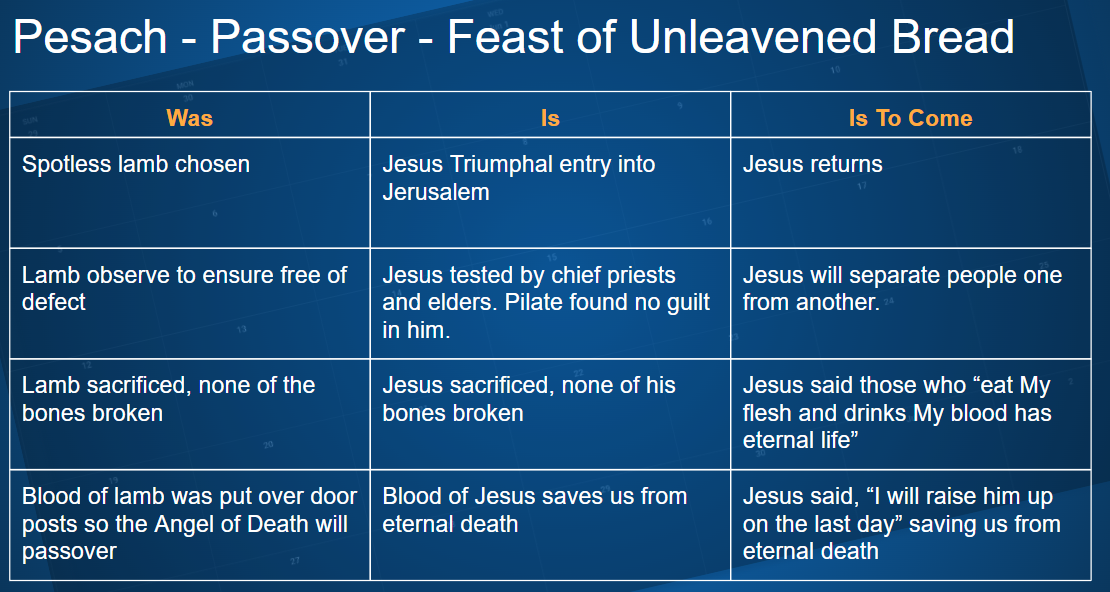
Notes
The primary observances of Passover are related to the Exodus from Egypt after 400 years of slavery. This story is told in Exodus, Ch. 1-15. Many of the Passover observances are instituted in Chs. 12-15.
The name “Passover” refers to the fact that God “passed over” the houses of the Jews when he was slaying the firstborn of Egypt. In Hebrew, it is known as Pesach (that “ch” is pronounced as in the Scottish “loch”), which is based on the Hebrew root meaning “pass over”. The holiday is also referred to as Chag he-Aviv (the Spring Festival), Chag ha-Matzoth (the Festival of Matzahs), and Zeman Herutenu (the Time of Our Freedom) (again, all with those Scottish “ch”s).
Dictionary of Classical Hebrews:
- Pass over, spare (?)
- Limp, leap - usually means this when used
- Protect (?)
- Exodus 12:13: The blood will be a sign for you on the houses where you are, and when I see the blood, I will Pesach you. No destructive plaque will touch you when I strike Egypt.
- Exodus 12:23: YHWH will Pesach the doorway and will not allow the destroyer to enter your house to strike you.
- Exodus 12:27: It is the Pesach sacrifice to the Lord, who Pasach over the houses of the Israwelites in Egypt and spared our homes when he struck down the Egyptians.
- Isaiah 31:5: Like swooping birds, thus will YHWH of hosts Protect Jeruselemn, he will protect and Pesach and rescue.
Exodus 12:43-49 Who can partake of Passover:
It’s along covenant lines, not ethnicity. Circumcision brings you into the covenant.
- No foreigner (uncircumsized)
- Any slave (contracted worker who is a household member) after circumsision
- No temporary resident or a hired worker (someone just passing through)
- No uncircumcised male
- native-born
- foreigner
Women are seen via the man they are connected to, father or husband.
PASSOVER - REDEMPTION FROM BONDAGE IN SIN AND DEATH BY THE PRECIOUS BLOOD OF THE LAMB
Source:
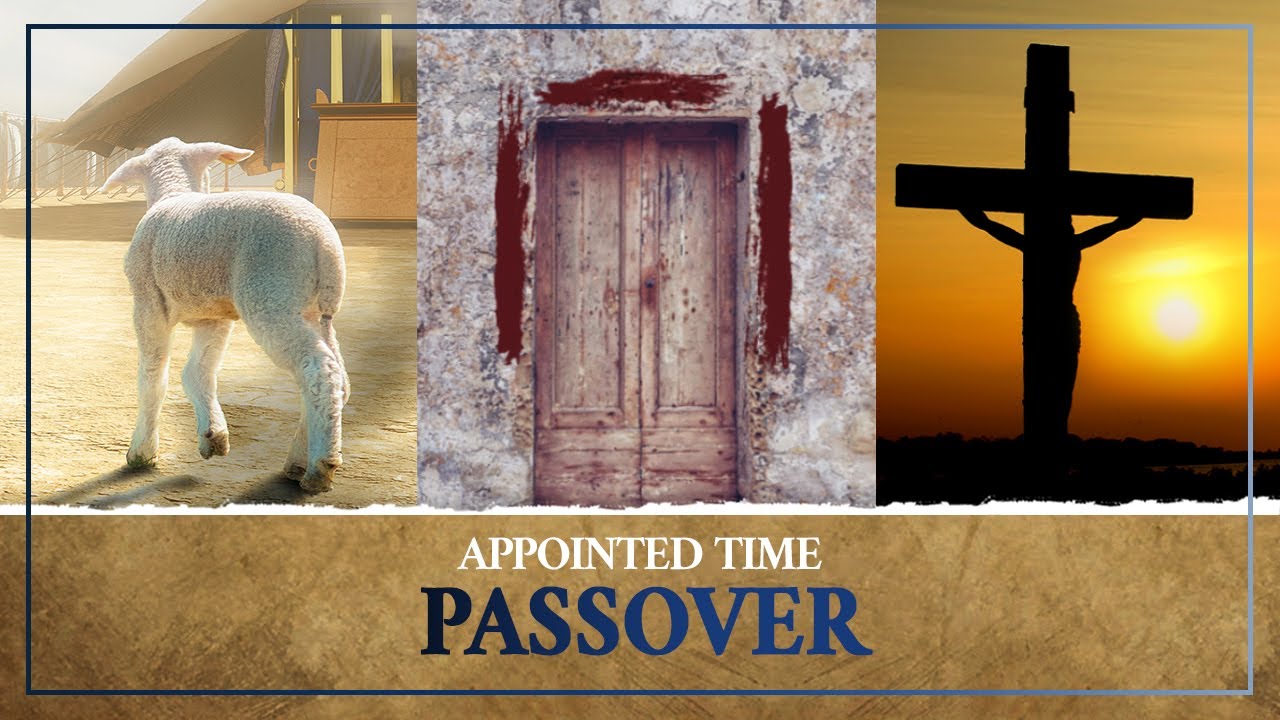
A night of watching, reflecting on the night Jesus was betrayed. As well as a celebration of the great victory of being redeemed. A celebration of our redeemer.
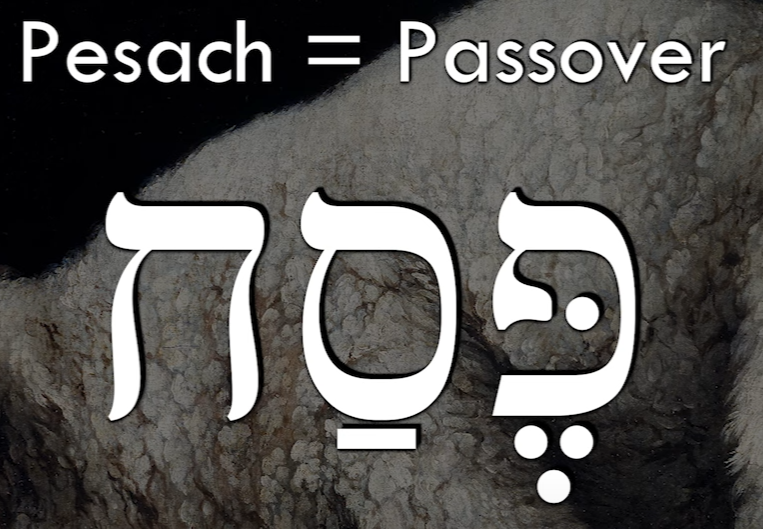
Right to left
Shape of a mouth = speech or someone’s voice
Enclosed letter, a ring = the covenant, supported and protected
Safety and seperation
The voice of the one who holds the covenant, who supports, protects and keeps us safe.
God took the children out of Egypt from a place they were enslaved for centurys
Passover represents more than just the exodus of those in Egypt, it represents an even greater exodus, through one like Moses, Jesus. Of Jesus giving his life on the cross of Calvery. When he became the embodiment of the Lamb, taking away the sin of the world, overcoming the curse of death we were under.
Passover is not just a period in time, an event, it is actually Jesus.
1 Corinthians 5:7-8 - Jesus is our Passover.
We are part of a new exodus now:
- Coming out of our old lives, the chains of bondage to the world (Egypt).
- Passed over through the blood of the Lamb (Jesus).
- Taken through the baptism, into the wilderness for sanctification, where we are sustained by the bread, and drink of the living waters (Jesus)
- Navigating the path by his cloud by day and fire by night (Holy Spirit),
- The light and lamp to our footsteps, (his Torah)
- Leading us into our promised land, (Heaven).
- Becoming slaves to righteousness, participating in his covenant (His Kingdom).
Passover is the blueprint of what is happening in our daily lives. We are in the Lambs book of life. When the lambs blood was applied to the door - he would passover, those without the blood received death. We have to apply that same blood to our doorposts of our hearts and lives.
Exodus 12:13, 1 Corinthians 5:7-8 - therefore let us keep the feasts
Unleavend bread - when we come out of Egypt, we come with no sin attached to us.
1 Thessalonians 1:10, Romans 5:9
The original passover was just a type and a shadow of what was to come. The enteral freedom and life through Jesus.
The final letter of the word Passover - het - is the shape of the blood on the door post, a fence, a partition, seperation, protection.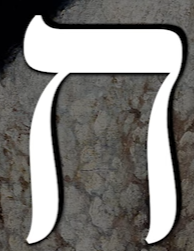
Romans 3:21-26 - God had passed over the sins that were previously committed.
Romans 6:23 - wages of sin is death, but the gift of God is eternal life in Christ Jesus.
Revelation 13:8 - Lamb slaind before the foundations of the world. God set up redemption before creating the world.
1 Peter 1:20 - appointed/mo’ed before the foundation of the world and was manifest at the end of the time.
Luke 9:28-36 - departure = exodos - bringing about the start of a new exodus.
Luke 4:18 - proclaim freedom for the prisoners, free in liberty, opprseed and held captive. Like Moses went before the Phaoroah, Jesus went before the enemy and says let my people go.
The Passover Lamb
- picked out
- 1 year old
- inspected for blemish
- found without spot or blemished
- bound up
- killed at afternoon/twilight
- not a bone boken
- hung by wood outside the camp
- not to remain until morning
Isaiah 53:7 - like a lamb led to slaughter
Have you picked your passover lamb? Have you applied his blood to the doorposts of your heart?
Timeline
- Passover starts at Sunset on the evening on modern day 13th.
- The “last supper” took place the evening of the 13th (14th for Jews)
- Preparation day - for Unleavend Bread was during the day on the 14th - the leaven was being taken out of the homes
119 Ministries
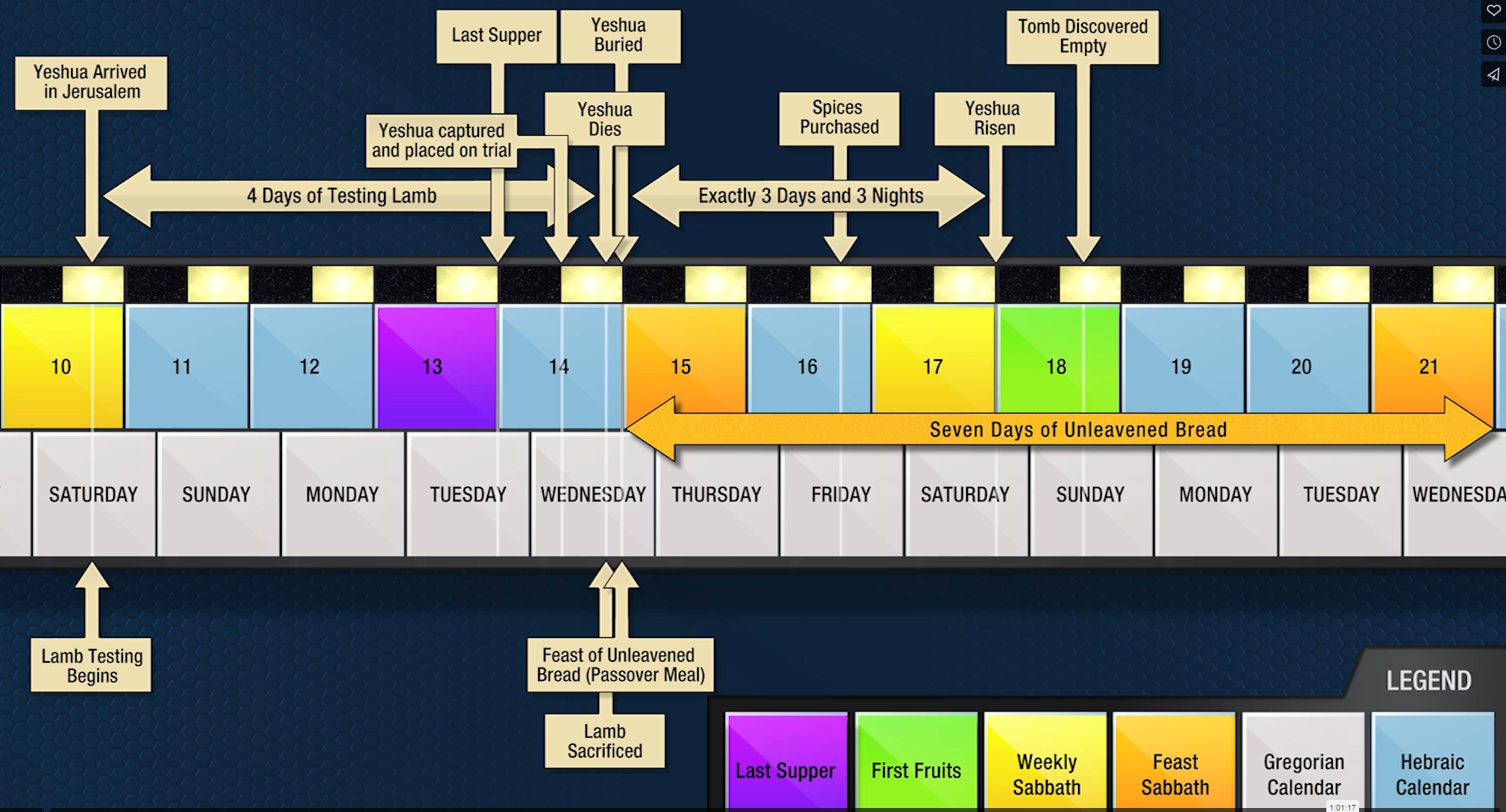
Essene calendar over Almond House Ministries
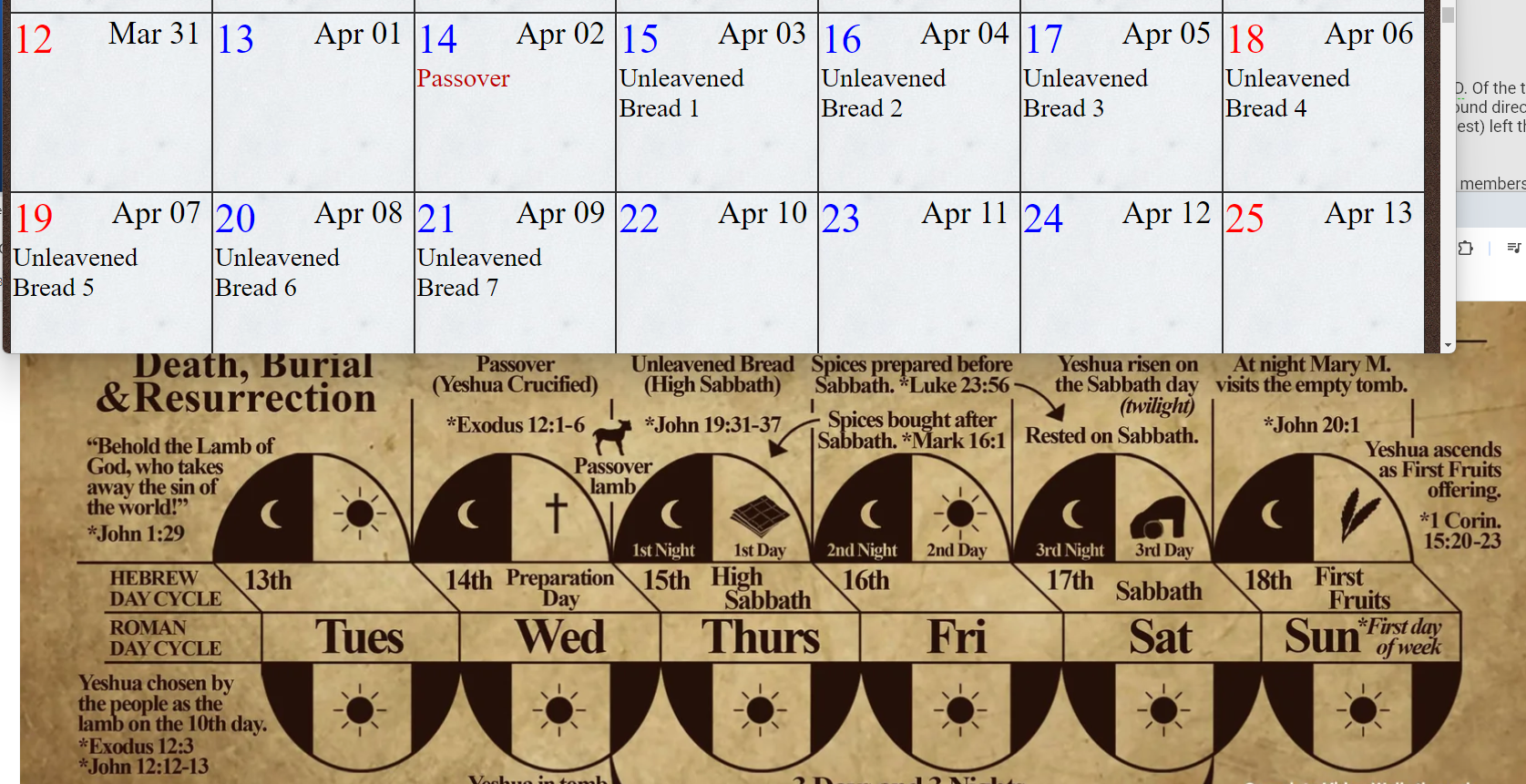
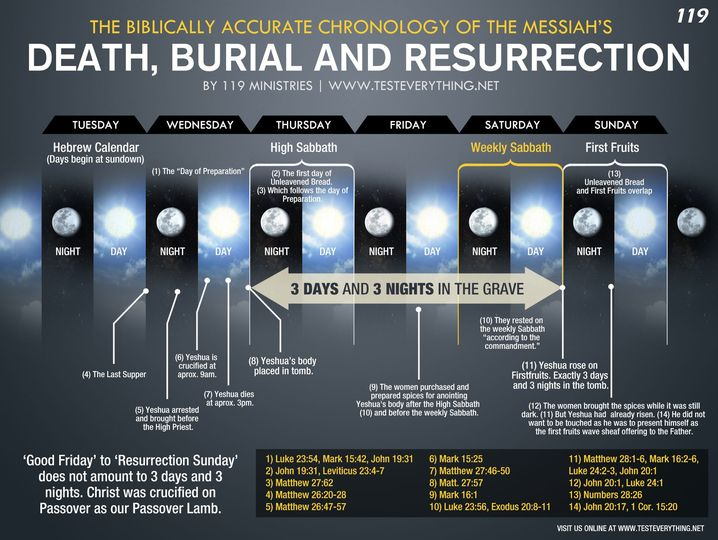
VIDEOS:
A Christian Walk with Easter

Pascha (Greek) transliteration.
Pesach (Hebrew) means “to Pass Over.”
It refers to the time when YHWH/God passed over the Israelite homes who had the blood of a Lamb on their doors. The homes who did not had their firstborn, both human and animal, killed.
It is translated in English to Passover.
Know what is interesting about that? Passover appears in the Christian Bible, all the way back in Exodus, Deuteronomy, and Numbers. It also appears in Matthew and Luke.
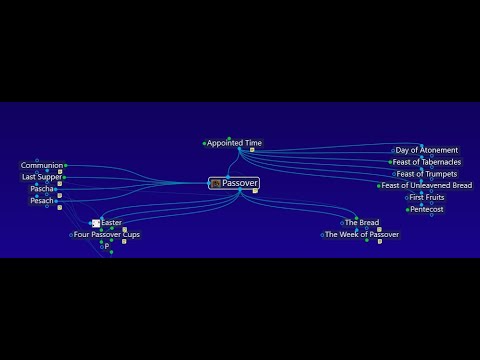
Passover is an “appointed time” or mo’edim.
It was established by YHWH/God to be an annual celebration throughout the generations.
Passover was established in around BC 1447. It was celebrated by Jesus, the disciples, and Paul. The disciples wrote about it well after Jesus had ascended.
This brings me to wonder ... Since they were writing, some 30 years after the ascension ... Why they didn’t mention Easter in their writings? Or why they didn’t mention the Passover wasn’t to be celebrated anymore? We have conversations recorded about circumcisions, and eating, why not the appointed times? We may never truly know.
Let’s take a look at one of the Passovers Jesus and the disciples celebrated and see what we can learn.
We see this setting described in Matthew 26, Luke 22, John 13, and Mark 14, 1 Corinthians 11
We have been taught to refer to this Passover celebration as “The Last Supper” and have used it in our “Communion” services. However, it was actually an appointed time, set in place by YHWH/God almost 1,480 years earlier.
I, personally, have found my self wondering why as Christ Followers we do not follow Christ in His observance of Passover?
In our next study, we will look at the original Passover and how it was actually a foreshadowing of what occurred during the Passover meal we just read about.
Attributes:
Icon: www.freebibleimages.org Sue Bentley 2015
A Christian Walk with Passover Pt 1
Last time we tried to trace Easter through the Bible but instead found out Easter isn’t in there. With some research, we found Easter is a transliteration of a Greek word that is a transliteration of a Hebrew word and the word we use in English is the word Passover.
Easter vs Passover is not a new concept. It is something Christians argued over after the taught ones had passed on.
- Some wanted it to be on Jesus’ actual resurrection DATE.
- Some wanted to be the Sunday following Passover.
- Emperor Constantine ended the argument by completely disconnecting the dates of Easter from the Jewish Passover. Note: He also forced Christians to stop observing Saturday as the Sabbath. Separating them from the Jews even more.
Although we can trace “Easter” to Passover, Easter is more focused on Jesus’s resurrection. But there is so much more to the true “Easter” story. Let’s take a walk through the story.
Let’s start at the very beginning. In Exodus 12, we find the very first Passover celebration recorded.
YHWH/God tells us why to celebrate it in Exodus 13.
In Exodus 23 YHWH/God reminds the people about the Feast of Unleavened Bread and Passover. He again reminds them “Do not mention other gods” and ““Do not bow down to their mighty ones, nor serve them, nor do according to their works, but without fail overthrow them and without fail break down their pillars.”
In Exodus 24 the Testimony or Witness is recounted along with other Right Rulings and the people agree to them.
In Exodus 34 Moses hews out two new tables. YHWH again talks about the gods of other groups of people. Right after talking about getting rid of everything related to the other Gods, he again goes into remembering the appointed times.
Are you seeing the pattern of connection between a covenant with YHWH, worship of other gods, and the appointed times. YHWH reiterates several times not to take any form of worship used toward another god and use it to worship him.
Given the origins of Easter, I hope the irony at this point is not lost on you. I hope you might see how there could be conflict between what YHWH wants in regard to worshiping him, keeping his appointed times, and the contrast of Easter.
YHWH also establishes the keeping of Passover and Unleavened Bread and a relation with our hands and our foreheads. What if I told you, the word translated as signs in the verses we looked at are also translated as token, pledge, and mark? Does that bring a picture to mind at all?
The appointed times are laid out in Leviticus 23, Numbers 9, Deuteronomy 16 including Passover and Unleavened Bread. Passover is also mentioned as being observed in Numbers 33, Joshua 5, 2 Kings 23, 2 Chronicles 30, 2 Chronicles 35, Ezra 6, and Ezekiel 45.
It is also referred to in Matthew 26, Mark 14, Luke 2, Luke 22, John 2, John 6, John 11, John 12, John 13, John 18, Acts 12, 1 Corinthians 5, and Hebrews 11.
Let’s piece some of these scriptures together to get a complete story of both Passover and Jesus’s crucifixion and The Week of Passover that year.
“And it shall be as a sign to you on your hand and as a reminder between your eyes, that the Torah of יהוה is to be in your mouth, for with a strong hand יהוה has brought you out of Mitsrayim. And you shall guard this law at its appointed time from year to year. TS2009