Am PLASTICS Council/ PIA
note this is catchall for industry, see also chemicals ACC
SEE PLASTIC 2 4/18 IN HONOR OF EARTH DAY AND UK
===
https://www.desmog.com/2023/01/19/fossil-fuel-groups-spent-millions-on-social-media-ads-spreading-climate-disinformation-during-cop27/
fossil fuel-linked groups spent around $4 million on Facebook and Instagram ads that spread false climate claims over the COP27 summit, a new report says.
The physical presence of more than 600 fossil fuel lobbyists overshadowed the November conference in Sharm El-Sheikh, Egypt, as world leaders, NGOs and activists gathered in a bid to accelerate global efforts to confront the climate crisis.
Analysis out today shows oil and gas interests were also busy online. Climate Action Against Disinformation (CAAD) – the coalition behind the second “Deny, Deceive, Delay” report – has documented how PR companies, front groups and oil majors were actively spreading disinformation in the weeks leading up to and during the summit.
Researchers with the coalition’s COP27 Intelligence Unit identified over 3,700 ads sharing false claims on Facebook and Instagram, platforms owned by Meta. They also found a rise in content related to outright climate-science denial by ‘anti-woke’ pundits on Twitter, who pushed #ClimateScam and lines such as ‘climate is a hoax’.
Jennie King, head of climate research and response at the non-profit Institute for Strategic Dialogue (ISD) think tank, which led the Intelligence Unit, said the events of 2022 had “turbocharged a global ecosystem of disinformation”.
“Russia’s war in Ukraine and its impact on energy supply chains have renewed anti-climate attacks globally, as vested interests falsely attribute blame for these events to the “cult of Net Zero,” King explained.
“Our report shows Big Oil continues to invest millions in digital advertising to launder their image as ‘climate champions’, while also promoting the necessity of fossil fuels.”
The coalition’s findings come nearly two years after a report by the UN’s climate science body, which found for the first time that “vested interests” were delaying efforts to tackle climate change.
The Intergovernmental Panel on Climate Change (IPCC) found that actors representing “vested economic and political interests” had eroded support for climate policy by generating “rhetoric and misinformation that undermines science and disregards risk and urgency”.
Climate Denial ‘Comeback’
Big Oil companies Shell, Chevron and Exxon all ran ads in the run-up to the summit, but the majority were posted by PR and fossil fuel front groups.
The 850 organisations surveyed spent between $3-4 million on nearly 3,800 adverts on Facebook and Instagram between September 1 and November 23, the report found. Adverts promoted fossil fuels as affordable and reliable, and justified their ongoing use with arguments around energy independence.
Energy Citizens – a PR and lobby group for the largest trade association for the oil and gas industry the American Petroleum Institute – ran more daily ads than all the other pages combined, the analysis found. The ad campaign advocated for U.S. production of fossil gas and oil, citing nationalist arguments around ‘energy security’.
The analysis found that a number of U.S. based pages ended their ad campaigns after mid-term elections on November 8. However, the research found disinformation ramped up with ad campaigns from three industry PR groups: America’s Plastic Makers, funded by the American Chemistry Council, which describes itself as ‘the leading association representing the $553-billion U.S. chemicals industry’, and fossil fuel front groups Affordable Energy for New Jersey and Natural Allies for a Clean Energy Future.
In addition, the Saudi Green Initiative had at least 13 live adverts around the summit, just as Saudi Arabia’s delegation was accused of pursuing a ‘strategy to keep the world hooked on oil.’
The findings come as Sultan Ahmed Jaber was announced as the new President for COP28, making the Dubai summit next year the first to be led by a current oil executive.
Ben Dennes, a researcher at the University of Exeter who specialises in environmental communication online, said the $4 million figure was just the “tip of the iceberg”.
The Meta ad library used in the analysis was a “black box”, with only ads deemed by Meta to relate to ‘social issues, elections or politics’ fully accessible.
There is “unclear and subjective guidance on what this means”, Dennes told DeSmog, adding that researchers were also unable to analyse Google Ads in the study as the service does not permit searches for misinformation and greenwashing content.
It was therefore possible that “certain greenwashing and misinformation content has slipped through the net”, Dennes said.
Culture Warriors Co-opt Climate
Alongside analysis of industry-linked advertising, researchers also documented climate disinformation on Twitter over a four week period from the end of October.
‘Anti-woke’ pundits and conspiracy theorists gained the most traction, the report found, and “often collaborate with a well-funded network of think tanks and pundits.”
Climate denial tropes such as ‘climate actors are alarmist’ and ‘climate change is a hoax’ also featured. Some posts targeted the “loss and damage” fund, established in Sharm-el-Sheikh to provide financial assistance to vulnerable nations most impacted by the climate crisis.
Researchers also found that the hashtag #ClimateScam spiked on Twitter with 362,000 mentions between July and December, raising concerns over a failure to prevent disinformation on the platform. The original content came from a non-verified account, but was then adopted by a number of verified account holders – including U.S. pundit Tom Fitton, a climate denier with two million followers.
The CAAD coalition is advocating for immediate steps to be taken by tech companies to stem the flow of climate delayism and “junk science”. It is also calling on governments and multilateral bodies to implement a “unified definition” of climate mis-and disinformation within UN key institutions.
“This research shows that climate disinformation isn’t going away and, in fact, it’s getting worse.
During COP, Twitter’s search engine pushed #ClimateScam as a top result without any justification for the data behind it,” said Erika Seiber, climate disinformation spokesperson at Friends of the Earth U.S.
“Until governments hold social media and ad companies accountable, and companies hold professional disinformers accountable, crucial conversations around the climate crisis are going to be put in jeopardy.”
Meta and Twitter were contacted for comment.
==
defect ew 719
:{
}:
Beverage behemoths Coca-Cola and Pepsico have taken a stand against a trade association that actively works to restrict plastic bag bans. The two soft drink giants have announced that they will leave thePlastics Industry Association as a response to concerns that their membership in the group contradicted their commitment to reducing plastic waste and packaging, as Newsweek reported.
The exit from the trade group follows pressure from Greenpeace, which has urged all companies to reduce their plastic use. Last year, Greenpeace named Coca-Cola, PepsiCo and Nestle as the world's biggest producers of plastic trash, according to CNBC.
The Plastics Industry Association has spent millions in state legislatures fighting plastic bag bans and working to draft preemptive restrictions on plastic bag bans so local municipalities are not allowed to implement their own bans on plastics, as the Intercept reported.
"We withdrew earlier this year as a result of positions the organization was taking that were not fully consistent with our commitments and goals," said a Coca-Cola spokesperson to CNBC.
...
==
Indonesia Calls in the Army to Fight Plastic Enemy
In March, a diver's video of masses of plastic floating off the Indonesian coast went viral. But that plastic often reaches the ocean through the country's rivers, clogging them to such an extent that Indonesia had to call in the army, the BBC reported Thursday.
The BBC spent time on the ground in Bandung, Indonesia's third largest city, and observed a concentration of bottles, plastic bags and styrofoam packaging so large it looked like an iceberg.
==
history timeline
https://www.ecowatch.com/colorado-sues-exxonmobil-2560966559.html
==
[https://www.ecowatch.com/eu-ban-single-use-plastic-2538546402.html The Last Straw? EU Official Hints Ban on Single-Use Plastic Across Europe] 2/18.
==
https://www.alternet.org/environment/we-are-drowning-plastic-and-fracking-companies-are-profiting
guarduk links?
...less than a decade, tens of billions of dollars have been invested in creating new manufacturing sites around the world to turn fossil fuels into resin pellets used to manufacture plastic products. The companies profiting off this surge in plastics are contributing to a growing climate crisis while generating mountains of plastic garbage.
One company behind this plastics surge is the U.K.-based chemical company Ineos. While not a household name like Shell or Exxon, Ineos is at the center of this growing plastics industry—but the damage caused by the company extends beyond the mounds of discarded waste littering beaches and waterways. The company’s 75 manufacturing facilities across 22 countries are responsible for chemical leaks, fires, explosions, and air and climate pollution. This record includes a 2008 chemical fire in Germany and air pollution in Scotland, where the company’s Grangemouth facilities were the country’s single largest emitter of carbon dioxide in 2016.
And the Ineos business model also relies on polluting communities thousands of miles away in Pennsylvania and Ohio, where the fracking industry is scarring thelandscape, pollutingwater, and threatening publichealth. The company uses the liquid gas found in the shale formations there to feed its chemical plants. To meet this demand, the company recently built a fleet of so-called “dragon ships” to carry volatile gas liquids across the Atlantic.
And Ineos wants to continue ramping up. After the first crossing of one of these liquid gas transport ships from the U.S. to the U.K., the chairman of Ineos called the event a “gamechanger” that could “spark a shale gas revolution,” according to a company news release.
Expanding this business will require new pipelines like the Mariner East 2, now under construction across Pennsylvania. The project belongs to Sunoco, a subsidiary of Energy Transfer Partners, the company behind the Dakota Access Pipeline that generated international opposition. There is a movement to stop the Mariner East, too, in places across the state where residents have lost their land to Sunoco through the companies use of eminent domain and are being told that they must allow the pipeline to be built near their schools, homes, and community centers.
Sunoco’s safety record was a concern before the drilling started; since 2010, the company has had a higher rate of oil pipeline spills than its competitors. And this record of spills continued once construction of the pipeline began. Dozens of drilling spills and accidents and several cases of tainted water supplies eventually forced the state government to shut down the construction at the beginning of this year. Pennsylvania environmental regulators deemed Sunoco’s “egregious and willful violations” of environmental laws serious enough to apply the brakes on a project that had been rushed through the regulatory process by drilling-friendly politicians of both major parties.
On February 8, the Pennsylvania Department of Environmental Protection allowed construction of the pipeline to resume, after issuing a $12.6 million civil penalty against Sunoco.
While plastic junk floating in the oceans gets the headlines, the truth is that the entire business model wreaks havoc on communities and the planet—from the fracking wells in Pennsylvania and the pipelines that carry the materials in the U.S., to the air pollution from petrochemical plants producing plastics in the U.K.
Pennsylvania was right to hit the pause button on this fracking-for-plastics pipeline, but if we’re to create a stable climate and a healthy planet for all, we need state legislators to stop construction altogether. And we need political leaders in Europe willing to stop fracking before it starts.
==
pr shill
https://www.ecowatch.com/plastics-in-the-ocean-2520118637.html
Oil Giants Invest $180B in Plastics, Propelling Oceans Toward 'Near-Permanent' Pollution
By Julia Conley
Scientists and environmental protection advocates are warning that a coming plastics boom could lead to a permanent state of pollution on the planet—and denouncing the fossil fuel industry for driving an increase in plastics production amid all that's known about the material polluting the world's oceans.
"We could be locking in decades of expanded plastics production at precisely the time the world is realizing we should use far less of it," Carroll Muffett, president of the Center for International Environmental Law (CEIL), toldthe Guardian. The CEIL has compiled several reports about the plastics industry since September.
The American Chemistry Council, a trade organization, has acknowledged that fossil fuel companies including Exxon and Shell Chemical have poured more than $180 billion into the creation of plastics facilities that are expected to create a 40 percent rise in production of the material over the next decade.
The rise in shale gas exploration in recent years has caused the price of natural gas liquids, used to make plastic, to drop significantly, causing companies to begin more than 300 plastics production projects since 2010.
"Around 99 percent of the feedstock for plastics is fossil fuels, so we are looking at the same companies ... that have helped create the climate crisis," said Muffett. "There is a deep and pervasive relationship between oil and gas companies and plastics."
The report follows the CEIL's recent study, released earlier this month, which showed that the plastics industry has known its products were polluting the world's oceans since the 1970s and has spent decades fighting regulations that aim to keep the crisis from getting worse.
"We are already producing more disposable plastic than we can deal with, more in the last decade than in the entire twentieth century, and millions of tons of it are ending up in our oceans," Louise Edge, senior oceans campaigner for Greenpeace UK, told the Guardian.
Another study by researchers at the University of California at Santa Barbara, published earlier this year, warned that excessive plastic production could lead to "near-permanent contamination" of the earth since the material is not biodegradable.
The CEIL warns that the rise in plastics will prove that research correct in the coming decades.
"All this buildout, if allowed to proceed, will flood the global market with even more disposable, unmanageable plastic for decades to come," predicted Steven Feit, an attorney with CEIL.
Reposted with permission from our media associate Common Dreams.
RELATED ARTICLES AROUND THE WEB
- Giant 'Dead Whale' Is Haunting Reminder of Massive Plastic ... ›
- 'Zero tolerance' plan eyed for plastic pollution - BBC News ›
==
Coca-Cola Produced More Than 110 Billion Plastic Bottles Last Year10/17.
==
http://www.alternet.org/environment/plastic-bag-lobby
When the tiny, picturesque community of Bisbee, Arizona, decided to ban single-use plastic bags in 2014, leaders in the plastics industry worried Bisbee had sparked a trend. Other Arizona cities—Kingman, Flagstaff, Tempe—were considering similar restrictions; soon, the bag makers feared, the whole state would fall. So they did what corporate lobbyists do in a reliably conservative state: They persuaded legislators and the governor to declare bans like Bisbee’s illegal.
Next door in deep blue California, where more than 150 local jurisdictions have already banned the bags, defending the market sector of the single-use plastic bag has proved altogether more complicated. Sixty percent of polled Californians say they support a plastic bag ban; rescinding the existing bans would be impossible. So instead the industry put its muscle into holding off a statewide ban.
For a while, it succeeded. Assemblymember Julia Brownley authored a billin 2010 that would have outlawed single-use carryout bags of any material; it failed in the Senate after the Virginia-based American Chemistry Council worked hard to defeat it. But in 2014, State Senators Alex Padilla, Kevin de León and Ricardo Lara collaborated on a less restrictive law, one that would ban most plastic bags but allow grocery stores to charge 10 cents for each paper replacement. It earned the support of the California Grocers Association, and eventually the United Food and Commercial Workers union. It allows for the continued use of thicker plastic bags that will last for 125 uses or more and directs $2 million in loans to job creation in the recycled and reusable grocery bag industry. In August of that year, the bill made it all the way to the governor’s desk.
So the bag lobby pursued its last available option. Before 2014 was out, the plastics lobby had collected enough signatures to place the plastic-bag ban, Senate Bill 270, on hold and put it to a referendum on the November 8, 2016 ballot.
“Our contention is that it’s a special-interest giveaway to grocers in the state,” says Jon Berrier, spokesman for the American Progressive Bag Alliance, a consortium of mostly out-of-state plastic-bag manufacturers and an offshoot of the American Chemistry Council.“It bans a 100-percent recyclable product produced in America with American labor, that according to the U.S. Environmental Protection Agency accounts for only 0.3 percent of the waste stream.
“The idea that you’re going to reduce waste or litter banning plastic retail bags,” he says, “is simply false. Sacramento special-interest politics threw data and science out the window.”
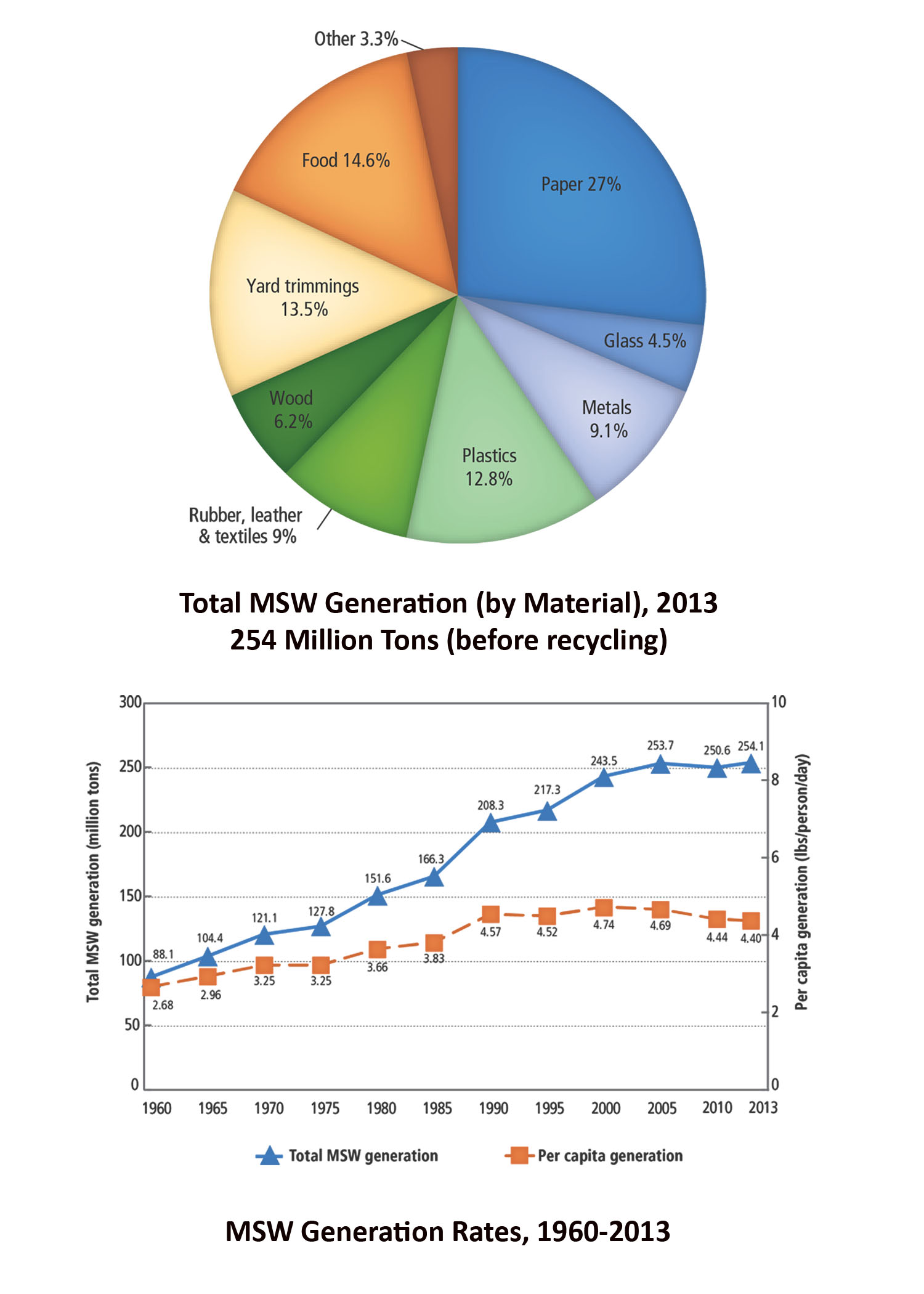
Berrier is right that plastic bags account for only a small percentage of our garbage. (The vast majority of it is paper, yard trimmings and food.) But single-use plastic retail bags are a singularly pernicious kind of trash. Easily airborne, they float away from conscientious neatnik and litterbug alike, to find their way into mountain streams, storm drain culverts, ocean gyres and, eventually, the gullets of marine animals from cetaceans to sea birds. Sea turtles mistake them for jellyfish and suffer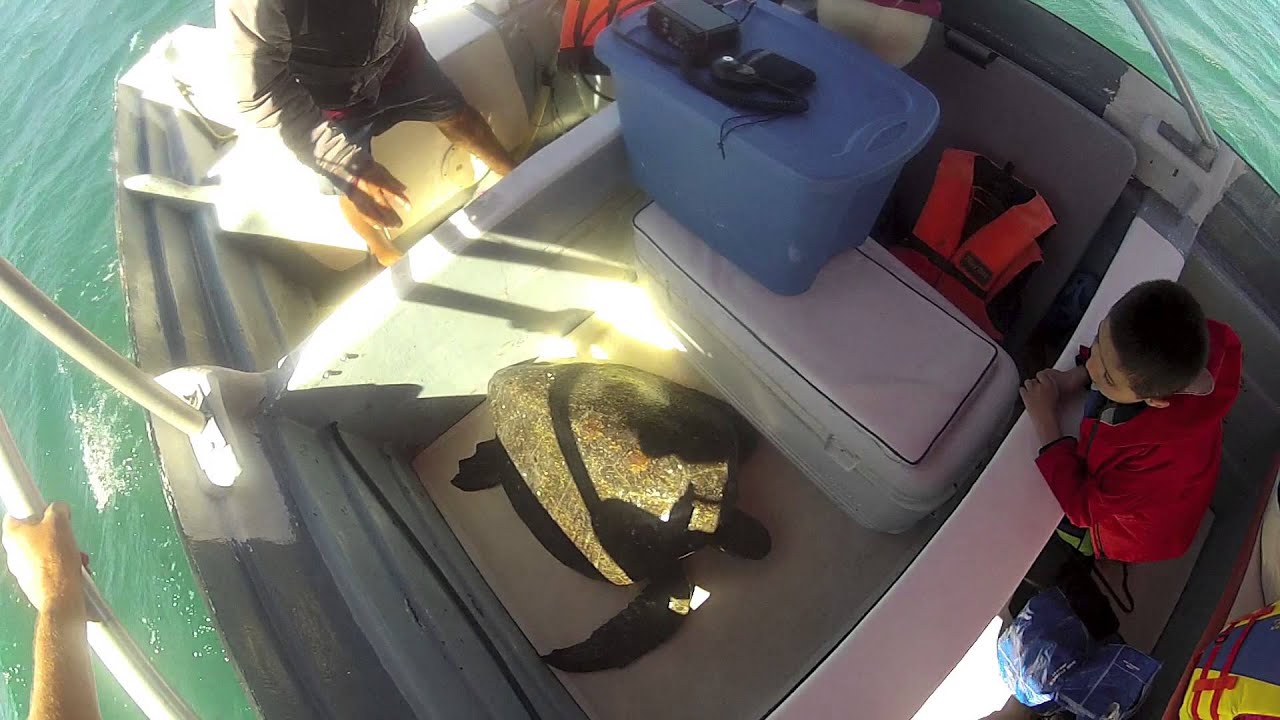 ; pelicans spear through them and strangle. On a recent paddle down the Los Angeles River, I saw white plastic bags clinging to the trees; my fellow kayakers playfully dubbed them “grocery-bag flowers.”
Plastic bags can be recycled at special, dedicated facilities, but you can’t just toss them into a blue bin. Sent to ordinary processing centers, they clog up sorting screens and have to be cut out with hook knives and saws. They don’t degrade, but disintegrate, turning ocean and freshwater into a diluted chemical soup.
But they are also big business, earning their manufacturers $100 million to $150 million every year in California alone. The short list of generous contributors to the No on 67 campaign contains only one in-state individual or company, Durabag of Tustin, California, which contributed a mere $50,000 early on. The rest of the donors list consists of out-of-state companies whose futures depend on the persistence of their industry: Advance Polybag of Sugar Land, Texas ($946,833); Formosa Plastics of Livingston, New Jersey ($1,148,441); Hilex Plastics of Hartsville, South Carolina ($2,783,739); Superbag of Houston, Texas ($1,238,188).
It has already been money well spent, and not just because a victory in the nation’s bellwether state could set a trend, while a loss could spread bag bans like a virus. As the San Francisco Chroniclereported, simply by delaying Padilla’s bill for 18 months, the industry has bagged $15 million in profit.
Steve Maviglio, a spokesperson for the Yes on 67 campaign that supports the ban, says that the plastics lobby’s concern over the predicted job losses rings hollow, considering that almost no single-use plastic bags are made in California. The thicker plastic bags allowed in Padilla’s law will, on the other hand, add to the state’s manufacturing economy, adding several hundred jobs. The plastic industry’s claim of 2,000 jobs lost “is incredible and nonsense,” Maviglio says.
The plastics lobby could, however, win this one—not least because the wording of the referendum on the ballot is confusing. “It’s not intuitive that we need to vote ‘Yes’ for the law to go into effect,” says Diz Swift, a member of the League of Women Voters in Berkeley. “People might say, ‘Oh, no, I don’t want the law vetoed, I want it to go into effect,’ and mistakenly vote ‘No.’” (To be clear, a “No” vote on Proposition 67 will overturn the bag ban; a “Yes” will uphold it.)
Even more confusing is that the plastic bag alliance has put another proposition on the ballot – Proposition 65 – that would direct the 10-cent bag fee toward a special wildlife conservation fund. Berrier says the measure came out of the bag alliance’s research. “Only 25 percent of the people we asked had any idea where that 10 cent bag fee would go,” he says. “A lot of people thought it was going to the environment, or to local government.” When they find out it’s going back to the grocers, he says, “They’re outraged. They want it to go to an environmental purpose.”
To Swift, however, putting Proposition 65 on the ballot above Proposition 67 is a blatant attempt to skew the vote. Only the most sophisticated and well-informed voters will understand what it all means. “The money goes into a fund that sounds really good,” she says. “It’s for drought mitigation, clean drinking water, regional parks, litter removal and habitat restoration. But it requires creating a bureaucracy that doesn’t really help.”
Maviglio is more blunt. “We call 65 the Screw the Grocers Initiative,” he says flatly. “They’re trying to send a message to grocers in other states who would hop aboard a statewide ban.” Single-use bags cost grocers anywhere from six to 16 cents per bag, “and that doesn’t include delivery and stocking,” Maviglio claims. “There’s no windfall there.”
If that’s not persuasive enough, he asks voters to consider the source. Prohibitions against plastic bags have been carried by the most grassroots of efforts—community organizations, moms, local environmental groups. The Arizona ban on plastic-bag bans, he says, comes straight out of the American Legislative Exchange Council, a think tank that assists corporations in state lawmaking, with an emphasis on preempting local control.
“The plastics industry has no regard for the environment,” Maviglio says. “It would be hypocritical of them to put something on the ballot to help wildlife.”
To be fair, Berrier doesn’t argue that helping wildlife is the point: The goal of Prop 65, he says, is only to highlight where the bag-fee money goes after grocers collect it.
“The language is very plain and simple,” he insists, “and it will have its intended effect.”
==
http://www.prwatch.org/comment/36613#comment-36613
ban bag bills state trumps local "preemption"
The pay-to-play model of government advanced by the American Legislative Exchange Council (ALEC) scored another victory this week. On Tuesday, the Wisconsin Senate voted along party lines to approve a bill that would prohibit local communities from issuing their own rules on plastic bags and other containers.
This is part of an emerging national trend.
Preventing local governments from banning, charging a fee for, or otherwise regulating plastic bags is part of a national strategy by corporate interests and groups they fund, like ALEC to override progressive policy gains at the city and county level.
Similar state "preemption," or state intervention, measures have gone after popular city measures to increase the minimum wage, require paid sick leave, ban fracking, and bar discrimination.
The Wisconsin bill, AB 730/SB 601, was introduced by ALEC legislators including Reps. Rob Swearingen, David Craig, Mike Kuglitsch, David Murphy. ALEC legislator co-sponsors include Sens. Frank Lasee, Chris Kapenga, and Devin LeMahieu. (Through ALEC, corporate lobbyists get an equal vote with state legislators on ALEC task forces considering “model” bills that are priorities to the corporate legislative agendas of the special interests that fund ALEC or underwrite trips by ALEC legislators to resort meetings where they are wined and dined.)
In Wisconsin, no city had adopted a plastic bag ban to address the proliferation of the bags used to carry groceries or other goods, even though some such bags can take hundreds of years to degrade if left in the sun (and may never degrade if put in a landfill).
==
http://ecowatch.com/2016/01/20/more-plastic-than-fish-in-ocean/
There will be more plastic than fish in the ocean by 2050, warned the Ellen MacArthur Foundation in a report published Tuesday. The report, The New Plastics Economy: Rethinking the Future of Plastics, was produced by the foundation and the World Economic Forum with analytical support from McKinsey & Company.
==
bs
Phil is the Director of Sustainability and Marketing for NOVOLEX. Day to day he is responsible for sustainability programs; brand management; marketing communications; public relations and community outreach programs. As a director of sustainability he launched the “Gray is the New Green” plastic retail bag, the first branded plastic retail bag to be made from recycled content. Over the past seven years he has helped guide NOVOLEX to move plastic retail bag manufacturing from 10% to 30% recycled content. Phil has helped establish NOVOLEX as a leader in sustainable packaging across paper and plastic substrates with programs focused on developing and launching packaging products that perform in the areas of composting, recyclability, recycled content and low impact lifecycles. Phil is a St. Louis area resident; graduate ofWashington University in St. Louis Olin School of business; retired Air Force Officer with cultural exposure to more than twenty countries and a fluency in Chinese Mandarin.
==
Lauren Kuby, Councilmember from the City of Tempe, Arizona
Much like plastic debris makes its way into the innocent stomachs of our wildlife, I recently found myself in the belly of the proverbial beast—theAmerican Legislative Exchange Council(ALEC). ALEC held its annual meeting in Scottsdale, Arizona, the first week in December. And, as a recently elected Councilmember from Tempe, Arizona, I attended on my own dime.
In a new twist of the ALEC playbook, policymakers and lobbyists have formed a mini-ALEC called "ACCE," the American*City and County*Exchange. Its director, John Russell, has proclaimed that ACCE will do for cities what ALEC has done for states—which he described as serving as a"nonpartisan free market forum" for local elected officials to learn from"industry experts and policy analysts."Translation: while Congress is gridlocked, cities are driving progressive change, so let's use our fossil-fueled cash to put an end to such change.
The ACCE meeting was tiny (25 participants) compared to its behemoth brother (nearly 700 attendees) and—surprise—diversity was lacking. Three women and no minorities in the group of 25 mostly older city and county officials.
I had run for Tempe City Council as a sustainability champion, eager to make a difference in my community. Early in my term, I gained Council approval to study the efficacy of a single-use plastic bag ban (PBB) for our university town. The State of Arizona glanced at our meeting agenda and banned bag bans outright, choking back hypocrisy as they claimed that the State trumps local decision-making on waste management and recycling.
Not happy about state interference in local concerns, I signed on as plaintiff in a lawsuit brought by attorney Tim Hogan of the Arizona Center for Law in the Public Interest. Our case argues that the ban on bag bans takes away local control and thus violates the home-rule provision of the Arizona Constitution.
I was curious to tiptoe into the den of corporate influence and quietly observe the right-wing's righteous anger towards cities who were innovating and saving taxpayer money.
ALEC/ACCE Pay-to-Play Example: the Plastic Bag Industry
First up, Philip Rozenski, director of "sustainability" and marketing for Novolex, the leading manufacturer of grocery bags that went by the name of Helix Poly until recently.
Arguably the most-traveled plastic-bag advocate in the country, Rozenski lives to deride advocates who are taking local action against the environmental, social, and economic impacts of plastic pollution to our waterways, public health, and supply chain.
Rozenski washed the room green with his claim that Novolex bags are good for the environment, as they use 30% recycled content. He failed to mention that, according to the U.S. Environmental Protection Agency, only 13% of plastic bags are recycled properly and that bags improperly recycled pollute marine environments, clog recycling sorters, litter roadways, and saddle cities with cleanup costs.
Another elephant in the room? Novolex was the single largest contributor to a campaign sponsored by the "American Progressive Bag Alliance"—the trade group for plastic bag manufacturers—to sidetrack California's Plastic Bag Ban. The Alliance spent over $3.2 million to repeal California's recently enacted law.
Rozenski warned the room's elected officials of the growing trend of city PBBs, which he described as "feel-good legislation" that serves as "stepping stones to the regulation of all packaging." He argued that, just as environmentalists play on emotion with visuals of bags littering the landscape, his alliance should likewise dramatize the "dangers of E. coli contamination" in reusable bags to win over the public. (Never mind that the study he references found that 99.99% of said bacteria is eliminated simply upon washing reusable bags.) With scant evidence, he also claimed that 5–10% of consumers living in cities with bag bans "flee" their cities' grocery stores to shop elsewhere.
He also was hoisted with his own petard when he argued that bag bans increase a retailer's costs. In reality, a five-fold cost increase for a grocer—from a penny per plastic bag to a nickel per paper bag—actually equates to a six-cent profit given that grocers can charge 10 cents for a paper bag should a consumer forget their reusable bag. Under this business-friendly equation, a penny saved from not buying plastic and a nickel earned from charging for paper equals a six-cent profit!
Under Rozenski's conjuring, cities considering PBBs go to untold lengths to avoid public discussion and offer only a three-day notice for the vote. In another of Rozenski's imagined scenarios, PBB advocates employ "crowd shaming" tactics to twist the arms of councilmembers to force their pro-bag-ban vote. I'm not sure what universe he comes from (where do paid shills originate?) but, in my city of Tempe, staff, business associations, and the public vet every policy proposal thoroughly—a sometimes a long and difficult process.
Fracking: "Preemption" or Bust
The next topic at ACCE's "Trending Regulations in Local Government Hurting Economic Growth" session was the supposed "epidemic" of "draconian" local restrictions against fracking.
The presenter Jacki Pick is the Vice-President of an operation called the "National Center for Policy Analysis," another "free-market" think tank funded by foundations established by right-wing business families and billionaires including—you guessed it—the Koch brothers. She is also a talk show host from Glen Beck's The Blaze Radio Network.
She offered up the case study of a fracking ban passed deep in the heart of Texas and compared the process to a "frog gradually boiling in the pot and not realizing what is going on."
She claimed that in Denton, Texas, like other cities, activists come to town and "attach" themselves to a professor who, in turn, pressures "unemployed college kids with lots of time on their hands" to take on the fracking fight. She suggested that professors were violating the law and that the process "needs to be shut down." She decried the influence of the 6,000 college kids who voted for the fracking ban: "They don't live there, don't pay taxes there. Yet they're deciding these issues."
I barely restrained myself from jumping to the microphone and educating the slack-jawed audience that: 1) the college kids I mentor hold multiple jobs to afford the high cost of tuition; 2) the U.S. Census counts college students where they attend school, not where their parents live, and democracy allows American adults to vote where they live; and 3) the Denton Fracking Ban passed by an overwhelming margin. The students' votes were merely the frosting on the cake.
This Cassandra of the Right continued to warn that "the oil and gas industry will be destroyed unless conservatives act." She complained that anti-fracking activists were turning conservatives' talking points—such as those that argue for decentralizing power and local rule—against them: "Get out in front of these activists who are ginning up discontent. That is how they make money...science is on our side."
While municipal plastic bag and fracking bans are on the rise, so is state interference with our local decision-making and corporate worries over the impacts of local action.
After three hours in the belly of the ALEC/ACCE beast, I felt sullied by their deceitful claims and defeated.
What could be a better antidote than a meeting of councilmembers on the front line of the preemption fight?
I boarded a plane to Washington, DC, to cleanse my spirit and refresh my belief that local actions make a difference and that the progress of cities is unstoppable--despite the efforts of ALEC and ACCE.
- See more at: http://www.prwatch.org/news/2015/12/12998/alec-and-acce-pay-play-meeting-belly-beast-scottsdale#sthash.JGxKMwtV.dpuf
http://www.prwatch.org/news/2015/12/12998/alec-and-acce-pay-play-meeting-belly-beast-scottsdale
==
bs http://www.plasticsindustry.org/APBA/Press/index.cfm?navItemNumber=13443
Califf comes to the APBA with extensive government affairs and corporate experience after 13 years with Alcoa, Inc., most recently as the global aluminum producer’s vice president of U.S. government affairs. At Alcoa, he achieved successful outcomes in the areas of climate change and energy that resulted in substantial political and government support for the company’s business objectives. Prior to his time at Alcoa, Califf served for 13 years as director, government affairs for Reynolds Metals Company. Upon graduation from the University of North Carolina-Chapel Hill with a degree in political science, Califf began his career as a legislative assistant in the office of former Senator John Warner (R-VA).
==
However many of these important measures are in trouble in the U.S. California’s landmark legislation is now officially on hold, with a referendum to repeal the ban added to the ballot for November 2016. Florida and Arizona have both already passed bills making the banning ofplastic bags illegal. Powerful and large special interest lobbying groups are behind these “ban bans” as well as litigation aimed at already existing bans. Outside interests are funding these efforts to dissuade and dismantle local level legislation. Primary among them is the ProgressiveBag Affiliates, funded by the largest plastic bag manufacturers in the country and the American Chemistry Council.
On March 26, the Georgia House defeated Senate Bill 139, legislation prohibiting cities and towns from restricting plastic bags and other single-use items. Right up to the vote, this was a heated issue with both sides trying to garner support. I testified in opposition to the bill because I am passionate about instilling the values of reusing and recycling, as well as supporting legislation that makes good common sense. This bill did not.
==
CA microbead
http://ecowatch.com/2014/08/26/ban-plastic-microbeads-california/
===
http://www.democracynow.org/2014/3/4/are_any_plastics_safe_industry_tries
use tobacco doubt strat
...
AMY GOODMAN: This is Democracy Now!, democracynow.org, The War and Peace Report. I’m Amy Goodman. We are with Mariah Blake, staff reporter for Mother Jones magazine. "The Scary New Evidence on BPA-Free Plastics: And the Big Tobacco-Style Campaign to Bury It" is her new piece. What is the campaign to bury the information, Mariah Blake?
MARIAH BLAKE: Well, there are multiple facets to the campaign, but the primary—the primary objective is to cast doubt on the scientific evidence linking these chemicals to human health problems. So—and there are various ways this is done. In the case of BPA, for example, the industry funded studies, which were biased studies that found that this—that the chemical was not harmful to health. And there’s a sort of network there. They published them in certain journals that, in many cases, had links to the tobacco industry. They relied on scientists that, in many cases, had helped to discredit the science linking smoking and secondhand smoke to disease. So, in many ways, this is—they didn’t only borrow strategies and tactics from Big Tobacco; they are actually relying on the same cadre of experts that Big Tobacco relied on to bury—to bury the truth about smoking.
AMY GOODMAN: I want to turn to a video made by the plastics industry featuring the vice president of Eastman’sspecialty plastics division, Lucian Boldea, speaking in the video made by the company. A pregnant woman is one of the people shown buying plastic products as Boldea speaks.
....
AMY GOODMAN: Tell us about George Bittner.
MARIAH BLAKE: OK. George Bittner is a neuroscientist at the University of Texas, and he has launched an independent lab called CertiChem—it also has a sister company called PlastiPure—and it tests products for estrogenic activity. And he—working with a prominent Georgetown professor, he and his staff tested, I think it was, 455 commercially available plastics that are on the market and published a paper in Environmental Health Perspectives, which is the premier NIH journal, which found that virtually all commercially available plastics have estrogenic activity. And among the plastics he tested were Tritan products, several Tritan products. And this publication, this finding, prompted a pretty big backlash from the industry. So he ended up being targeted by the industry as a result and, in fact, was sued by Eastman, which is—many of the documents that formed the basis of my story were released as a result of that lawsuit.
AMY GOODMAN: I want to read from a memo that Eastman’s senior chemist, Emmett O’Brien, wrote after customers began asking about George Bittner’s tests that showed that Tritan may still be estrogenic. O’Brien describes a meeting with Whole Foods executives who were considering replacing their polycarbonate bulk food bins with ones made from Tritan. He wrote, quote, "We called Bittner a mad scientist. They didn’t know his name actually. They asked twice, by two independent people, what we thought of them. I hemmed and hawed (ducked and dodged) saying I prefer not to comment, but we joked and pushed and flat out said the guy was 'shady' — with this non-stereotypical crowd it was a good term." O’Brien added, "They asked if they could do their own tests — I mentioned the cost is very high and they were quick to chime in that the tests take very long." Can you respond to that, Mariah Blake?
MARIAH BLAKE: I think you chose the most telling possible quote. So this was effective—this was the strategy they used. Firstly, they worked to discredit Bittner, and they did this through a campaign of personal character assassination and by calling his business practices into question. And secondly, they worked to discredit the science. So, one of the things that Eastman did was they claimed that the test that Bittner is using, which relies on a specialized line of breast cancer cells, had been rejected by the EPA, when in fact it hadn’t. The EPA is considering using this very line of breast cancer cells for its own screening program for what they call endocrine-disrupting chemicals. BPA is one of those.
So, the other thing they did was they commissioned their own research, so they paid labs to perform research which found that Tritan was not estrogenic. And—but if you look at—if you look at the research closely, you’ll see that it is—the studies are essentially designed in a way that guarantee that estrogenic activity will not be found. So, for instance, they use a type of rat; it’s called a Charles River Sprague Dawley rat. This rat is known to be insensitive to estrogen, so it can withstand doses, according to one Japanese study, a hundred times higher than a human female can withstand, with—and show absolutely no effect. They also used doses that are below what is known as the no-observable-effect level, so the doses that are known not to cause an effect. And they then published their own study in a scientific journal, which is—has numerous tobacco industry ties, finding that Tritan was in fact not estrogenic. So, that is essentially how they responded to the finding that their product contained these chemicals that are potentially harmful to human health: They attempted to cover it up.
AMY GOODMAN: Your report cites some leaked minutes from a 2009 meeting of the BPA Joint Trade Association, whose members include the American Chemical—the American Chemistry Council, Coca-Cola, Del Monte. During the meeting, they explored messaging strategies that included using what they called, quote, "fear tactics." For example, "Do you want to have access to baby food anymore?" The attendees agreed that the "holy grail" spokesperson was a, quote, "pregnant young mother who would be willing to speak around the country about the benefits ofBPA." Mariah?
MARIAH BLAKE: Yes, and this is one of the most disturbing things I discovered during the course of reporting this, is that in their efforts to portray plastics as safe, they oftentimes target the groups who are most vulnerable to the effects of these chemicals. So, prenatal exposure and exposure during early childhood is potentially the most harmful, and oftentimes the marketing of these products targets pregnant women, targets families with children. And also, Eastman, for example, in their efforts to portray their products as safe, also targeted these specific groups.
===
The American Plastics Council, a trade association representing the plastic industry, merged with the American Chemistry Council in 2002.
===
wiki
The American Plastics Council (APC) is a major trade association for the U.S. plastics industry. Through a variety of outreach efforts, APC works to promote the benefits of plastics and the plastics industry. APC comprises 22 of the leading resin manufacturers, plus one affiliated trade association representing the vinyl industry. APC's membership represents more than 80 percent of the U.S. monomer and polymer production and distribution capacity.
External links:{:(style="margin-left:-0.25em;margin-right:0.25em"):}:[edit source | edit:{beta:(style="vertical-align:top;padding-left:0.5em;display:inline !important;background-image:none !important"):}::{]}:
 | This article about a business, industry, or trade-related organization is a stub. You can help Wikipedia by expanding it. |