PM 2.5 Particulate Holocaust
===
promote primary 1/18
textbak 320
see secret science and SAB
see brain neuro (autism)
8/17 repurpose to particulate in general // Ozone? [rentatom premonition?]
1/18 morphing into sci supp 3; "trench warfare" on sci set off by Soon outing, maybe Happer, ie existential threat to hack and hackademics
[and maybe tied to 3x whammy death match?]
science transparency BS scam
also hit Lisa jackson on email acc't? (proto-hillary, but gop did routinely, Tillerson]
===
===
==
desmog 4 24
fossil fuel interest groups have mobilized quickly to oppose a new rule issued by the Biden administration designed to speed up America’s transition to hybrid and electric vehicles.
The rule, which the U.S. Environmental Protection Agency (EPA) finalized on March 20, limits emissions from tailpipes on new cars, starting in 2027.
Well before the EPA finalized the new standard, powerful corporate lobbies like the American Fuel & Petrochemical Manufacturers (AFPM) had already promised to spend at least a million dollars campaigning against the rule by falsely portraying it as a “ban” on new cars. The group’s
 warn viewers that their freedoms and choices “will soon be taking a back seat to big government.”
The EPA predicts that the change would result in around two-thirds of new vehicle sales being hybrid or electric by 2032 — up from around eight percent today.
Beyond stopping more than 7 billion tons of carbon pollution, the agency predicts that the rule could save drivers more than $60 billion in fuel and maintenance costs, according to an EPA fact sheet that accompanied the final rule. The pollution reduction benefits would particularly benefit Black and brown communities because they are disproportionately likely to suffer from air pollution.
“These strongest-ever pollution standards for cars solidify America’s leadership in building a clean transportation future and creating good-paying American jobs,” EPA administrator Michael S. Regan said in a statement.
Compared to the EPA’s initial proposal, the final rule was scaled back to give car manufacturers more time to comply, but the New York Times still described the new standard as “one of the most significant climate regulations in the nation’s history.”
The heads of AFPM and the American Petroleum Institute (API) — the leading trade group for the oil and gas industry — declared in a joint statement that the rule “will unequivocally eliminate most new gas cars and traditional hybrids from the U.S. market in less than a decade.”
In February, AFPM had already begun portraying the rule as a “car ban” and announced a “seven-figure issue campaign” featuring TV and digital ads, as well as billboards and text messages. Some of the efforts target electoral swing states, including Michigan, Wisconsin, and Pennsylvania. The group also launched a website that warns readers, in all caps, to “keep the government’s hands off our cars!”
Despite the industry’s attempt to misleadingly brand the new standard, “this is not a ban of internal combustion engines,” Margaret Wooldridge, a professor of mechanical engineering at the University of Michigan, said in a statement.
Last year, AFPM spent nearly $7 million lobbying the federal government — more than any year in its history — according to OpenSecrets.
The top two bills the group reported lobbying for are designed to prevent the EPA from finalizing or enforcing vehicle emissions standards. Both bills passed the House last year. (Chevron, API, Koch Industries, and Marathon Petroleum are among the other industry groups and companies that lobbied for these bills last year.)
In addition to lobbying Congress and running million-dollar public influence campaigns, corporate trade groups have increasingly used lawsuits and the threat of costly, time-consuming litigation to stop or delay climate-related regulations.
Earlier this month, for instance, the U.S. Securities and Exchange Commission (SEC) finalized a long-delayed rule that requires public companies to disclose some of their emissions and climate risks that could impact their businesses. While the published rule was substantially weaker than what the SEC originally proposed, the U.S. Chamber of Commerce was among a handful of conservative interest groups that immediately challenged the measure in court.
Another recent EPA rule targeting methane emissions also met with opposition from Republican officials and oil and gas interests, according to Politico.
And on March 6, barely a month after the EPA finalized a separate rule limiting soot pollution, API, the National Association of Manufacturers, and the Chamber were among eight trade groups that sued the agency in the D.C. Circuit court.
‘Prepared to challenge it in court’
In a blog post, AFPM claims that the EPA “does not have authority to overhaul the U.S. economy or transportation system or compel — directly or otherwise — the use of EVs to address vehicle emissions.”
Similar objections to the authority of federal agencies to issue regulations have found a receptive audience among the Supreme Court’s conservative majority.
If the EPA doesn’t undo the tailpipe emissions rule, “our organizations are certainly prepared to challenge it in court,” the AFPM and API CEOs said in the joint statement that followed the announcement.
In attacking the rule, corporate interest groups like AFPM are following a well-trod path of fighting new climate regulations on every playing field they can find.
During the Trump administration, AFPM helped lead a successful effort to weaken previous EPA fuel efficiency standards. The group helped marshal Republican governors to advocate for the rollback, while also supporting Energy4US, a front group that encouraged Americans to flood the EPA with public comments, as DeSmog previously reported.
“One of the big advantages that oil industry lobbyists like AFPM have is money, and AFPM certainly isn’t afraid to use it,” Jesse Coleman, a senior researcher at the investigative outlet Documented, told DeSmog in an email.
“Million dollar ad campaigns are an unfortunately common way for groups like AFPM to pressure legislators and regulators by raising the political temperature on an issue. Litigation slows things further, leading to years of delays in implementation.”
===
===
no lnx twit vid
With Canadian wildfires, Fox News follows its COVID playbook
Fox guest on hazardous smoke: “There's no health risk. … Particulate matter is very fine soot. It's just carbon particles — they're innocuous.”
Special PROGRAMS
CLIMATE & ENERGY
WRITTEN BY MATT GERTZ
PUBLISHED 06/08/23
Fox News hosts and guests and other right-wing media figures are minimizing the public health risk of the cloud of particulate matter from Canadian forest fires that descended on much of the United States this week and mocking people for taking steps to protect themselves.
The coverage is reminiscent of Fox’s disastrous handling of the COVID-19 pandemic, particularly its early days, when the network downplayed the potential danger posed by the virus.
Smoke from wildfires in Ontario and Quebec inundated the Midwest and East Coast on Wednesday. Major metropolises were under hazardous air quality warnings, and a reddish-orange haze choked New York City, which at one point had the lowest air quality of any major city in the world. On Thursday, the smoke-filled air is expected to spread further into the Midwest and South even as conditions improve in the Northeast.
Scientists say such wildfires are becoming larger and more frequent as “forests around the world increasingly dry out amid the warming climate,” a fact calmly observed by Rupert Murdoch’s Wall Street Journal but furiously derided by his Fox employees.
Many major news outlets published reports noting that experts recommend people in affected areas wear high-quality masks to prevent health problems caused by the smoke. Those can include “trouble breathing, burning eyes, dizziness, headache or nausea,” particularly among high-risk populations including children, seniors, and people with respiratory problems including asthma. As Fox medical correspondent Dr. Janette Nesheiwat put it during a Wednesday appearance on Fox News Tonight, “If you do have to go outside, an N-95 can help protect you from that large particulate matter.”
Nesheiwat has a lot of work to do within Fox’s own building if she hopes that message will sink in for its audience. Hosts elsewhere on the network treated the idea of wearing masks in response to the wildfire smoke as a punch line.
On Wednesday afternoon, Jeanine Pirro presented the notion as a left-wing conspiracy, saying, “Democrats are pumping upclimate hysteriaand bringing back, you guessed it, mask insanity.” That night, Sean Hannity mocked “young, healthy people” for putting on masks, Jesse Watters lashed out at government officials for recommending their use, and Laura Ingraham claimed they “seem a little giddy to be back in the masks” and arepromoting “panic porn.”
In fact, Fox’s influential hosts repeatedly downplayed the idea that the wildfire smoke poses any health risk at all.
“I keep reading and hearing reports and people being interviewed — 'I had a hard time breathing' — and I'm like, I'm walking in the same place you're walking in and I don't feel a thing, and I'm trying to understand, and my -- I work out regularly, so I think I'm relatively in tune with my body,” Hannity said. “I think if it was difficult -- if I was having difficulty breathing, I would notice. But these are young people saying this. Are they all snowflakes?”
“Yes,” OutKick host Charly Arnolt replied. “I think people just like to make a big deal out of nothing.”
“Everybody is saying stay inside, but I didn't listen,” Watters said at the top of his show over the chyron “Jesse Braves ‘Hazardous’ Air Quality.”
“Why? Because I love you,” he continued. “I came into the city for you tonight. I braved the smoke so you could watch your favorite show. The air quality is hazardous. ‘Worse than 9/11.’ But, I said, I don't care. The show must go on.”
Ingraham decided that the perspective her viewers needed to hear about the potential health impacts of smoke on the respiratory system was that of Steve Milloy, a notorious climate denier and former cigarette and coal lobbyist who told them they had nothing to fear.
“Steve, no one's denying it is unpleasant. My eyes are pretty itchy and watery, yesterday and a little bit today, and it might go on for a couple more days,” Ingraham said after introducing her guest. “But is this wholly out of the ordinary?”
“No. This happens anytime there's a wildfire in the West. I mean, it's unusual in the East. Look, the air is ugly, it's unpleasant to breathe, and for a lot of people, they getanxietyover it. But the reality is there's no health risk,” Milloy replied. “We have this kind of air in India and China all the time — no public health emergency.” (Both countries reportedly see more than 1 million premature deaths a year from air pollution.)
“This doesn't kill anybody, this doesn't make anybody cough, this is not a health event,” he further explained.
“Particulate matter is very fine soot. It's just carbon particles — they’re innocuous,” Milloy later added. “There's nothing in them. They have no effect.”
Video
CitationFrom the June 7, 2023, edition of Fox News' The Ingraham Angle
Meanwhile, at Fox’s cable news competitor Newsmax, host Greg Kelly highlighted the upside of the hazardous levels of smoke blanketing New York City. “I'll tell you, it actually smells like wood smoke. It's not an unpleasant odor, to be honest,” he said. “It is pretty, it actually is pretty. It's a beautiful, interesting aura the city has right now.”
The modern right-wing media ecosystem is defined less by its ideology than its grievances. Popular figures within that milieu,for reasons financial and partisan, despise Democrats, liberals, experts, and the mainstream press, which they consider one and the same, and reflexively oppose whatever those hated entities support.
That reflexive opposition became lethal when COVID-19 spread across the United States. Fox News hosts initially told their viewers, incorrectly, that the virus was no more deadly than the flu and urged them to treat it as a Democratic hoax to damage President Donald Trump. Later, they endorsed untested and ineffective COVID-19 “cures” while downplaying the effectiveness of masks, social distancing, and vaccines.
This irresponsible coverage assuredly led to the deaths of Fox viewers. But virtually no one at the network was held accountable for their actions during a public health crisis, so now they are following the same playbook.
THE LATEST
With Canadian wildfires, Fox News follows its COVID playbook
06/08/23 12:19 PM EDT
Ben Shapiro says Trump mishandled classified documents “not for any nefarious purpose, but because Trump likes things and so he takes them”
06/08/23 12:05 PM EDT
Fox News continued to provide the worst and least amount of coverage of violence against trans people while platforming figures falsely branding the trans community as violent
06/08/23 11:00 AM EDT
Linda Yaccarino just started as Twitter’s new CEO, but Elon Musk already destroyed the platform for advertisers
06/08/23 9:27 AM EDT
200+ things that Fox News has labeled “woke”
06/08/23
Related
Sean Hannity mocks New Yorkers for wearing masks to protect themselves from wildfire smoke
06/07/23
Fox News host Jeanine Pirro calls it “insanity” to wear a mask to protect yourself from wildfire smoke
06/07/23
Fox News' Jesse Watters attacks government officials for suggesting masking to protect against wildfire smoke
06/07/23
===
===
wheeler on way out the door 12/20 ignores sci
===
https://www.prnewswire.com/news-releases/attack-on-coal-will-not-save-lives-states-the-association-of-american-physicians-and-surgeons-aaps-275119731.html
no lnx
attack on Coal Will Not Save Lives, States the Association of American Physicians and Surgeons (AAPS)
NEWS PROVIDED BY
Association of American Physicians and Surgeons (AAPS)
Sep 15, 2014,
TUCSON, Ariz., Sept. 15, 2014 /PRNewswire-USNewswire/ --The Obama Administration's attack on coal-fired electricity, through draconian "carbon" rules imposed by the Environmental Protection Agency (EPA), makes bogus claims about lives to be saved, states the Association of American Physicians and Surgeons (AAPS).
The Administration is lumping together carbon dioxide—the basic building block of all living things and also a weak greenhouse gas—and soot. So is the American Lung Association, which also lumps "carbon pollution" with arsenic, lead, and mercury.
The American Academy of Pediatrics joins the chorus, echoing the EPA's claim that the new rules will avert 2,700 to 6,600 "premature deaths" and 140,000 to 150,000 asthma attacks in children by 2030. The EPA told Congress that it neither possesses nor can produce the data used in developing the rules.
Claims of such harm from small particulates (dust or soot) are extrapolated from small associations reported in poorly designed and non-replicated epidemiological studies, writesJohn Dale Dunn, M.D., J.D., in the spring 2014 issue of the Journal of American Physicians and Surgeons.
"The adverse health effects of Obama's promised skyrocketing of the costs of electricity, not to mention unemployment, are simply being ignored," states AAPS executive director Jane M. Orient, M.D.
Hillary Clinton, in a September 4 speech, also claimed that the war on coal would address both "climate change" and children's respiratory illness. "This 'two-fer' also depends on conflating two entirely different forms of carbon," stated Orient. "And there is no actual evidence that shutting off all coal-fired electricity (40% of the total) would either make the climate more benign or help asthmatics."
The Association of American Physicians and Surgeons (AAPS) is a national organization representing physicians in all specialties, founded in 1943 to preserve private medicine and the patient-physician relationship.
SOURCE Association of American Physicians and Surgeons (AAPS)
===
==
https://www.alternet.org/2020/05/trumps-gutting-of-environmental-rules-will-lead-to-hundreds-of-thousands-of-deaths
...
nyt 100 rules ~
...this article will focus on just four major attacks on environmental protections initiated by the Trump Administration. Three of the attacks have significantly weakened the standards for soot, mercury and carbon dioxide. I chose these three because EPA staff has actually estimated the number of deaths that will occur due to the roll back of each of these protections.
In addition, I will examine the administration’s unprecedented suspension of all environmental regulations/enforcement under cover of the COVID-19 pandemic. This suspension gives corporations control over major environmental decisions. The administration’s deregulatory offensive reflects a value system that literally prioritizes corporate profits over American lives.
Weakening Mercury & Air Toxic Standards: 110,000 Preventable Deaths over a Ten-Year Period...
==
===
lavelle
As the deadline approached for public comment on a controversial "transparency" rule proposed by the Environmental Protection Agency, 39 top scientific organizations and academic institutions joined together on Monday to warn that if finalized, the regulation would greatly diminish the role of science in decisions affecting the environment and the health of Americans.
In a lettersubmitted to the EPA, the American Association for the Advancement of Science, the world's largest scientific society, and a wide array of other professional groups and universities, strongly opposed the rule, which they said is "not about strengthening science, but about undermining the ability of the EPA to use the best available science in setting policies and regulations."
The groups signing the letter included organizations as diverse as the American Psychological Association and the Crop Science Society of America, and universities from Harvard and the Massachusetts Institute of Technology to the University of California, Los Angeles.
The letter was part of an outpouring of opposition on the last day for public comment on the proposed rule, called "Strengthening Transparency in Regulatory Science." The rule would restrict the EPA's use of scientific studies relying on health data that excludes names or other identifying information to protect patients' confidentiality or that are not "capable of being substantially reproduced."
critics say the regulation will knock out from consideration some of the most important human health research, while giving industry opponents of environmental protection rules a new avenue to challenge the agency's actions, even after President Donald J. Trump leaves the White House.
EPA Administrator Andrew Wheeler, who has vowed to finalize the rule this year, has characterized the plan as a "good government" effort that will increase public confidence in the agency's decisions.
"I fundamentally believe in Community Right to Know and the American public has the right to know what scientific studies underline the Agency's regulatory decisions," Wheeler said in a statement last month, thanking the agency's Science Advisory Board for "their support of the concept of the proposed rule."
In fact, the 44-member board, made up of outside advisers, most of whom were appointed during the Trump administration, has expressed reservations about the proposed "transparency" rule.
"There is minimal justification provided in the Proposed Rule for why existing procedures and norms utilized across the U.S. scientific community, including the federal government, are inadequate," the board wrote in a report to Wheeler last month, referring to practices like peer review that are routinely used by scientific journals and have long been in use at the EPA.
"Moving forward with altered transparency requirements beyond those already in use, in the absence of such a robust analysis, risks serious and perverse outcomes," the advisory board added.
The idea of challenging EPA science as lacking in "transparency" dates back more than 25 years to a strategy developed by tobacco and fossil fuel industry advisers to fight national air quality standards on particulate matter pollution produced by combustion. Industry advisers took an approach of raising doubts about the original scientific studies on the grave health risks of so-called PM 2.5.
The EPA eventually set fine particle pollution standards, but the fight over the science never quieted, in large part because a wide range of regulations affecting the fossil fuel industry, including those seeking to address climate change, have been based on that science. When Republicans were in control of Congress, the House three times passed legislation to rein in the EPA's use of science, but the bills were never taken up by the Senate.
The Trump administration picked up the idea, and received 600,000 comments when the new rule was first proposed in 2018. Wheeler addressed some of the issues on public access to confidential data in a "supplemental" proposal initially released in March with an April 17 public comment deadline.
That deadline was extended to May 18 after health and environmental groups blasted Wheeler for advancing the plan in the midst of the Covid-19 pandemic.
In public comments filed in the last eight weeks, scientific organizations have raised concerns that the changes that Wheeler made last month have substantially broadened the scope of the science that could be subject to challenge. For instance, the Seattle Aquarium, which conducts research on water quality and the impacts of pollution, said the revised plan could restrict the EPA's use of "situationally unique research" that by definition could not be reproduced—for example, science based on one-time events like the 2010 Deepwater Horizon oil spill in the Gulf of Mexico.
"Our lives, ocean and planet depend on maintaining a strong, science-driven EPA," wrote Robert W. Davidson, president and CEO of the aquarium.
But an EPA spokesman said in an email that in the revisions Wheeler made clear that such "situational" research would not be excluded simply because it could not be replicated. "Science transparency does not weaken science, and does not endanger health, quite the contrary," the spokesman said. "By requiring transparency, scientists will be required to publish hypothesis and experimental data for other scientists to review and discuss, requiring the science to withstand skepticism and peer review."
Joel Green, water quality biologist for the Hoh Tribe in Washington State, said that the proposed rule raises concerns for the 20 Treaty Tribes of western Washington, which rely on the harvest of fish from the Pacific Ocean and Washington rivers. Green included a list of 60 human health studies on the dangers of mercury that he said could be excluded from consideration or given less weight in future EPA rulemaking under the new "transparency" regulation.
"The proposed rule does nothing to advance the EPA's mission to protect human health and the environment, but rather would be an invitation to polluting industries to legally challenge regulations protecting human health, and for the EPA to weaken those regulations," Green said.
But other groups supported the proposed rule. The American Council on Science and Health, for example, a nonprofit advocacy group that often opposes EPA protections, submitted comments largely in favor of the transparency proposal.
"External validation, checking someone's work, is a reasonable approach," wrote Chuck Dinerstein, senior fellow at the American Council on Science and Health.
The pesticide industry, represented by CropLife America and including Bayer Crop Science, supports the rule and called for extra time to provide comments. After the Obama administration proposed banning the widely-used insecticide, chlorpyrifos, which has been linked to brain damage in children, CropLife America in 2016 petitioned EPA to halt regulatory decisions that are based on science for which the raw data is not available. The Trump administration announced in 2019 it would not ban chlorpyrifos.
Two members of the EPA's Science Advisory Board submitted comments that dissented from the board's report to Wheeler and supported the EPA's proposal, with some qualifications. John Graham, a former senior official in the George W. Bush administration, wrote, " I believe the public at large (including affected interest groups) are entitled to access the information used by government to support the regulations (or deregulatory actions) that impact them." But he noted that the EPA was likely to need a process for considering case-by-case waivers from the transparency requirements. And he suggested that the EPA set up a standing committee of its Science Advisory Board to assist the agency in addressing such situations.
"Working the kinks out of the process will require that the Agency take some time, meet with scientific organizations, engage in dialogue about key concerns, and do some consensus building," Graham wrote.
The hundreds of comments filed in the last few weeks by scientific organizations overwhelmingly opposed the rule, suggesting that the EPA is a long way from building such consensus.
But Steve Milloy, a former coal industry executive who runs the website junkscience.com and has long called for a ban on the use of what he called "secret science" at the EPA,said in an interview that the effort to enact the transparency rule already has had the kind of impact he and other proponents had hoped to see.
"I think the most important thing about it is this issue has been moved to the forefront of the regulatory science debate," Milloy said. "That's all you can hope for in the end. This has drawn a lot of attention to the problem of secret science, and that's very gratifying."
Georgina Gustin contributed reporting to this article.
==
==
https://www.desmogblog.com/2020/05/05/epa-decides-reject-latest-science-endanger-public-health-and-ignore-law-keeping-outdated-fine-particle-air-pollution
no lnx many
EPA Decides to Reject the Latest Science, Endanger Public Health and Ignore the Law by Keeping an Outdated Fine Particle Air Pollution Standard
By Guest • Tuesday, May 5, 2020
By H. Christopher Frey, North Carolina State University
The COVID-19 pandemic and economic shutdown have temporarily produced clearer skies across the U.S. Meanwhile, however, the U.S. Environmental Protection Agency has been busy finding reasons not to pursue long-lasting air quality gains.
On April 30, 2020, the agency published a proposed new rule that retains current National Ambient Air Quality Standards for Particulate Matter without any revisions. It took this action after a five-year review process, in which scientific evidence showed unequivocally that these standards are not adequate to protect public health.
I have studied air pollution and air quality for over 30 years, and have been directly involved for a decade with EPA’s reviews of scientific findings on air pollution. This includes serving on the agency’s Clean Air Scientific Advisory Committee, or CASAC, and on 10 specialized panels focused on individual pollutants.
As I have written previously, the Trump administration has watered down the role of science in what is supposed to be a science-based process of setting national air quality standards. This new proposal — which I expect will be challenged in court when finalized — is the result.
Recent studies indicate that reducing PM2.5 standards below current levels could avert thousands of premature deaths.
Fine Particle Air Pollution Is Deadly
Fine particles, known as PM2.5 because they measure 2.5 microns or less in diameter, can penetrate deeply into the lungs and bloodstream. EPA staff scientists have reaffirmed that daily and annual exposure to PM2.5 causes premature death and a variety of illnesses.
Scientists have known this for decades, but since the national standard was last revised in 2012, new studies have strengthened these findings. They include an epidemiologic study with the largest ever number of subjects and several that include PM2.5 concentrations well below the current standard.
EPA’s scientific staff estimates, based on multiple epidemiologic studies, that currently an average of 13,500 to 51,300 people die prematurely each year from breathing fine particles. Although these numbers are uncertain, the likelihood of thousands of deaths per year would typically spur regulators to tighten existing standards. However, EPA’s current political leadership disagrees.
EPA Administrator Andrew Wheeler, a former coal industry lobbyist, has asserted that uncertainty around recent studies suggesting that current PM2.5 standards don’t adequately protect public health justifies retaining the current standard. AP Photo/J. Scott Applewhite
What the Law Requires
The Clean Air Act directs the EPA to set air quality standards based on an accurate and thorough review of the latest science. This function is performed by CASAC, which I chaired from 2012 to 2015.
CASAC has seven members, which isn’t enough to provide the breadth, depth and diversity of expertise, experience and perspectives needed for these complex reviews. Recognizing this, for four decades the EPA has augmented the committee by convening expert review panels for each pollutant. They include scientists with extensive knowledge of epidemiology, toxicology, medicine, air quality, exposure, risk, statistics and other fields. I served on the 20-member CASAC PM Review Panel that was appointed in 2015 to help CASAC review the PM2.5 standard.
EPA Administrator Andrew Wheeler disbanded that panel in October 2018. Wheeler also continued a makeover of CASAC, started by his predecessor, Scott Pruitt, that removed leading researchers from the committee. Now CASAC has no epidemiologists — a key discipline for assessing PM2.5 health effects.
What Our Expert Panel Recommended
Realizing that EPA would not otherwise get the science advice it needs, the disbanded PM review panel reconvened itself in October 2019. We found that current fine particle standards are not protective of public health.
The studies published since 2012 demonstrating that exposure to fine particles causes premature death at concentrations below current standards were key to our decision. We advised the EPA that the annual standard should be reduced from its current level of 12 micrograms per cubic meter to a range of between 10 and 8 micrograms per cubic meter.
For the 24-hour standard, which regulates short-term air quality spikes, we recommended reducing the limit from the current level of 35 micrograms per cubic meter to between 30 and 25 micrograms per cubic meter. These scientific findings were based on multiple epidemiologic studies, augmented with evidence from controlled experiments with animals and humans.
Failing to Protect the Public
Administrator Wheeler claims that recent studies since the last time the standards were revised “do not provide a basis for revising the standards.” Wheeler acknowledges that studies based on long-term exposures below the current standards show “associations” between air quality and premature death. However, he argues that this research does not show a causal relationship. Yet, based on the overall body of evidence, he acknowledges that “a causal relationship exists between long-term PM2.5 exposure and total mortality.” In my view, his rationale is illogical and is inconsistent with the evidence.
The Clean Air Act requires regulators to set standards that will provide an “adequate margin of safety.” This means that they should be stringent enough to protect sensitive populations, such as older adults, people with preexisting cardiovascular or respiratory diseases and children with asthma.
The EPA proposal acknowledges that these groups exist, but does not specify how it will protect them from PM2.5 in the air. Wheeler is also silent regarding the role of racial and ethnic differences in exposure and risk, even though a federal court called EPA to task in 2009 for not specifically addressing at-risk groups.
Preliminary evidence suggests that exposure to particles worsens the effects of COVID-19. While this finding needs peer review and additional study, existing evidence of risk for sensitive populations shows the need for a more protective standard.
EPA currently faces lawsuits for multiple instances in which it has either sought to weaken, or failed to strengthen, air pollution regulations. They include rolling back motor vehicle greenhouse gas emission standards, failing to implement stringent rules limiting interstate air pollution and repealing the Obama administration’s Clean Power Plan to limit carbon emissions from power plants. Unless EPA modifies its position on particle air quality to address the law and the science, I expect that this regulation too will end up in court.
H. Christopher Frey is Glenn E. Futrell Distinguished University Professor of Environmental Engineering at North Carolina State University.
This article is republished from The Conversation under a Creative Commons license. Read the original article.
===
amy w
from the Tracker: Don’t Sleep on the EPA’s “Secret Science” Proposal
The EPA has forged ahead with finalizing new rules that will upend how the agency uses science to inform important anti-pollution regulations. Since first announced in 2018, scientists, public health groups, and environmentalists have steadily denounced this Trump administration effort as a ruse to sever environmental regulations from key scientific findings, notably 1993's landmark "Six Cities" study proving that tiny particle pollution (PM2.5) severely harms human health; it's created primarily by burning fossil fuels, The rule changes will also give regulated industries unprecedented power in shaping the agency’s use of science by “allow[ing] stakeholders to reanalyze the data and models and explore the sensitivity of the conclusions to alternative assumptions.” Public comment period closes May 18, 2020.
===
===
https://www.ecowatch.com/air-pollution-cardiac-arrests-2644941669.html
Researchers now say there is "no safe level" of air pollution exposure after a large-scale study found a correlation between exposure to fine particle matter, known as PM2.5, and cardiac arrests, according to the The Sydney Morning Herald.
The researchers found that exposure to PM2.5 that even fell below global standards was hazardous, suggesting that tighter regulations and cleaner energy is required, according to the study, which was published in the journal Lancet Planetary Health.
Scientists from the University of Sydney led the study, which analyzed air quality in Japan against 249,372 cases of out-of-hospital cardiac arrests. They concluded that even low-level exposure was associated with an increased risk of cardiac arrest for people over 65, as The Sydney Morning Herald reported.
The researchers noticed that the risk of cardiac arrest grew by up to 4 percent for every increase of 10 units in the PM2.5 levels.
"Our study supports recent evidence that there is no safe level of air pollution — finding an increased risk of cardiac arrest despite air quality generally meeting the standards,"said report author professor Kazuaki Negishi from the University of Sydney School of Medicine, as The Canberra Times reported.
Negishi pointed out that previous research into air pollution and acute cardiac events had been inconsistent, particularly at PM2.5 levels that met the World Health Organization guidelines. However, the large scale of this study meant that past inconsistencies could be addressed.
"Out-of-hospital cardiac arrest is a major medical emergency – with less than one in 10 people worldwide surviving these events – and there has been increasing evidence of an association with the more acute air pollution, or fine particulate matter such as PM2.5," said Negishi in a University of Sydney statement. "We analyzed almost a quarter of a million cases of out-of-hospital cardiac arrests and found a clear link with acute air pollution levels."
The findings are troubling for Australia, which has seen its usually pristine air plummet in quality due to the recent bushfires.In the study, more than 90 per cent of out-of-hospital cardiac arrests occurred at levels below the Australian standard of 25 micrograms per cubic meter. Put another way, the air quality levels ranked as "fair," "good" or "very good" under Australian standards, as the The Sydney Morning Herald reported. The U.S. and Japanese standard is less strict at 35 micrograms per cubic meter.
Australia had a particularly awful year, with air quality in Canberra ranking as the worst in the world on Dec. 31. Sydney had 81 days of hazardous, very poor or poor air quality in 2019, which was more days of bad air than the last decade combined, according to The Sydney Morning Herald.
The researchers expect the worsening air quality will lead to more heart attack fatalities in Australia, especially among older people.
"Given the fact that there is a tendency towards worsening air pollution – from increasing numbers of cars as well as disasters such as bushfires – the impacts on cardiovascular events, in addition to respiratory diseases and lung cancer – must be taken into account in health care responses," said Negishi in a university statement.
Unfortunately, the researchers did not identify a threshold that is safe for exposure to PM2.5. Instead, Negishi said that existing standards should be reevaluated.
"It might not be a good idea to continue to seek [a new] threshold, but try to continuously improve our air quality. If a threshold exists, it should be very, very close to zero," Negishi said, as The Sydney Morning Herald reported.
==
1119
Rising levels of tiny particle air pollution across the US killed an additional 9,700 people in 2018 than in 2016, say researchers in a newly published study. Their analysis points to three likely reasons why, reports Vox: expanding economic activity, wildfires, and lax enforcement of clean air regulations going back to 2013.
EW 919
https://www.ecowatch.com/air-pollution-childrens-mental-health-2640650546.html
Climate change is making air pollution worse and is exacerbating smog-related health risks such as heart and lung diseases, pregnancy complications and development issues. Now, a study by the Cincinnati Children's Hospital Medical Center has identified another health risk associated with rising air pollution: childhood psychiatric issues.
According to the study, published in the journal *Environmental Health Perspectives*, short-term spikes in ambient air pollution are linked with an increase in hospital visits for childhood psychiatric issues. Also, children in low-income neighborhoods with poor access to healthcare appeared to be more susceptible to the mental health effects of air pollution.
CNN reported that while previous research has shown an association between particulate matter pollution in the air and adult mental health issues, this is the first time researchers have looked into its effect on children.
During the five-year study, researchers focused on a very small type of particulate matter called PM 2.5— fossil fuel-powered vehicles and power plants, cooking, dust and brush fires are all sources — can be easily inhaled and end up in organs and the bloodstream, causing inflammation in the lungs or brain, and, in the long term, may trigger cancer and heart attacks.
The researchers looked at more than 13,000 visits by children to Cincinnati Children's emergency psychiatric unit and compared it with data on the concentrations of PM 2.5 where they live. Results showed that spikes in PM 2.5 concentration were associated with increased childhood psychiatric visits one or two days later for adjustment disorder, anxiety and suicidal thoughts, while same-day visits were usually related to schizophrenia.
All daily exposures to PM 2.5 in the study were below levels set in the U.S. Environmental Protection Agency's National Ambient Air Quality Standards, researchers said.
These spikes in air pollution increased the risk of hospitalization for suicidal thoughts by 44 percent overall, the Daily Mail reported, but the risk for children from disadvantaged areas was almost double that. These children were also 39 percent more likely to need treatment for anxiety.
The researchers noted that the study was observational and more research would be needed to rule out other causes, Newsweek reported.
"More research is needed to confirm these findings, but it could lead to new prevention strategies for children experiencing symptoms related to a psychiatric disorder," lead author Cole Brokamp said in a press release. "The fact that children living in high poverty neighborhoods experienced greater health effects of air pollution could mean that pollutant and neighborhood stressors can have synergistic effects on psychiatric symptom severity and frequency."
While this study only looked at PM 2.5, it builds on other recent research by Cincinnati Children's demonstrating that exposure to air pollution in general during childhood may contribute to a host of mental health issues at an early age.
In May, researchers at the Cincinnati Children's published a study in *Environmental Research* showing a link between increased exposure to high traffic related air pollution (TRAP) and generalized anxiety. Another study published in June found that exposure to TRAP shortly in early childhood was linked with symptoms of anxiety and depression in 12-year-olds.
...
===
==
larry bell forbes
EPA Charged With Lethal Experiments On Hundreds Of ...
https://www.forbes.com › sites › larrybell › 2012/11/13 › epa-charged-wit...
:{ :(style="overflow-wrap:break-word"):}:
:{:(style="overflow-wrap:break-word"):}::{https://www.}::{forbes.com/sites/larrybell/2012/11}::{/13/epa-charged-with-lethal-experiments-on-hundreds-of-unsuspecting-subjects/}:
a suit filed in federal court charges the Environmental Protection Agency with conducting illegal and potentially lethal experiments on hundreds of financially needy people who were paid $12/hour without even informing them of risks. Based upon thousands of documents obtained through the Freedom of Information Act, procedures undertaken since 2004 and continuing through the Obama administration exposed subjects at the University of North Carolina’s School of Medicine to very high levels of toxic air pollutants. Many of these subjects were already health-impaired, suffering from asthma, metabolic syndrome, and aging (up to 75 years old).
One of the pollutants was a fine particulate substance known as PM2.5, a major component of diesel exhaust which EPA had determined to be unsafe for inhalation at any level, particularly for health-impaired and elderly populations. The administration’s own Clean Air Scientific Advisory Council chairman, Jon Samet, stated that in a 2011 commentary published in the New England Journal of Medicine. House Energy and Commerce Chairman Fred Upton (R-Mich.) reiterated EPA’s position on this in a February 2012 letter to EPA air chief, Gina McCarthy.
EPA has strictly regulated PM2.5 under its Clean Air Act since 1997. Those air quality standards costing multi-billions of dollars are being dramatically tightened. Two of the biggest new ones under its recently D.C. District Circuit Appeals Court-rejected Cross-State Air Pollution Rule and the Mercury Air Toxics Standard, are heavily premised upon condemnation of PM2.5 as a killer. As EPA Administrator Jackson testified in Congress in September 2011, “…particulate [PM2.5] matter causes premature death. It doesn’t make you sick. It’s directly causal to dying sooner than you should.” She added, “If we could reduce particulate matter to levels that are healthy we would have an identical impact to finding a cure for cancer.”
Today In: Opinion
So if this is the case, why did EPA fail to warn their test subjects that the substances they would be exposed to in high doses were so dangerous? While the administration has repeatedly told Congress and the public that PM2.5 can kill within hours of exposure, they only told them, for example, that “You may experience some minor degree of airway irritation, cough or shortness of breath or wheezing. These symptoms typically disappear two to four hours after exposure, but may last longer for particularly sensitive people.”
One such “sensitive person” is an obese woman with a history of heart disease. She had to be rushed to a hospital for an overnight stay after suffering a cardiac arrhythmia during an experiment. And although EPA attributed her heart problem to PM2.5 in a published report, no one ever bothered to warn subsequent subjects of cardiac arrhythmia risk.
The American Tradition Institute (ATI) which filed the law suitagainst EPA and its administrator asserts that such practices are not only illegal, but run afoul of virtually every rule of ethical standard established since World War II and the Tuskegee syphilis experiments to protect human study subjects from rogue scientific research. The egregious Tuskegee experiments were influential in prompting Congress to pass the National Research Act of 1974 creating a commission to develop principles for protection of human subjects in scientific experimentation.
ATI believes that EPA has both civil and criminal liability. The litigation was filed on behalf of lead plaintiff Landon Huffman, an ATI member who participated in the EPA’s human experimentation after receiving a consent form that did not explain that he would be exposed to something that the agency claims to be lethal. He was also never informed that such human experimentation was only supposed to be conducted in a manner that would potentially and directly benefit the study subjects.
To the contrary, Mr. Landon maintains that he was led to believe the experiment would help people with asthma, a condition he suffers…not told that the pollution that was forced into his lungs could actually cause an asthma attack. Nor was he ever given anything by EPA that would possibly relieve his asthma.
Since learning that EPA considers that the gases he was exposed to are lethal, Landon reports being distraught and consumed with emotional distress. This includes a fear of dying and future inability to support his wife and family. He is also distressed that other participants may suffer in the same way.
ATI member and plaintiff Steven Milloyrecalls horrific family memories of his uncle, a prisoner at the WWII German Mauthausen concentration camp where grisly pseudoscientific medical experiments were conducted. There, upon threat of death, he was forced to identify fellow prisoners who were too ill to work, knowing they would subsequently be executed. Milloy is a well-known author and publisher of JunkScience.com.
Another ATI plaintiff, David Schnare, formerly served for 33 years as an EPA scientist, policy analyst and enforcement lawyer. He left the agency after realizing that it had abandoned even-handed science-based approaches of earlier times. David is named in honor of family member David Steiner, a prisoner at the Buchenwald concentration camp who died on May 3, 1945, just 21 days after liberation. Some 729 inmates were subjects of barbaric medical experiments. Of those victims, 154 died.
Guided by painful lessons of such tragedies, it is difficult to imagine any possible justification for the EPA’s experiment program on plausible ethical or legal grounds. Section 42 of U.S. Code 3515b addressing prohibition on funding certain experiments involving human participants states that: “…[no]funds appropriated by this Act ….shall be used to pay for any research program, project, or course which is of an experimental nature, or any other activity involving human participants, which is determined by the Secretary or a court of competent jurisdiction to present a danger to the physical, mental, or emotional well-being of a participant or subject of such program, project, or course, without the written, informed consent of each participant or subject.”
Since three of the EPA researchers connected with its human experiments are North Carolina-licensed physicians, thatstate’s medical board is now investigating their participation.The University of North Carolina which provided the EPA with a required institutional review board (IRB) for approving the experiments is also conducting an inquiry. And while the Obama-appointed Presidential Commission for the Study of Bioethical Issues has refused multiple requests to get involved in the issue, Senator Inhofe, the ranking member of the Senate Committee on Environment and Public Works, is now calling for investigatory hearings on the matter.
In a letter to committee chair Senator Barbara Boxer (D-Calif.) Inhofe wrote: “It is extremely disturbing that EPA may have conducted illegal human experiments, exposing people with conditions such as asthma and metabolic syndrome to concentrated high levels of substances like fine particulate matter and diesel exhaust.” He then charged that: “EPA has repeatedly said that these substances can cause cancer and lead to death, so if these allegations of human experiments are true, it just validates the problem that the Obama-EPA’s mission is not about public health.”[ENSTROM WORDS/TALKING PTS? E&E BS?]
So there it is. Either such devastating charges are warranted, or the agency’s assessments of toxic dangers presented by diesel PM2.5 emissions are greatly exaggerated and unsupportable. In the second event, EPA is at least guilty of gross scientific incompetence, public misrepresentation of facts, and costly abuse of regulatory authority. Either way, they must be required to clear the air and clean up their act.
I am a professor and endowed professor at the University of Houston where I founded and direct the Sasakawa International Center for Space Architecture and head the grad...
Read More
==
A Comparative Analysis of the College-Choice Factors of NCAA Football Student-Athletes at a Southeastern University Public Deposited
Downloadable ContentDownload PDF
Last Modified
March 19, 2019
Creator
Huffman, Landon T.
Affiliation: College of Arts and Sciences, Department of Exercise and Sport Science
===
omg
For two years, the Trump administration has been planting seeds of change in the Environmental Protection Agency—installing allies of regulated industries onto its elite panels of science advisers. That effort now has borne fruit in dramatic fashion.
The EPA's new science advisers, sweeping aside decades of research on the grave health risks of fine particle air pollution, have launched a drive to force the agency to give greater weight to a handful of contrarian studies that dispute the harmful effects of soot.
Particulate matter is the pollution caused by combustion, a mixture of solid and liquid droplets that forms in the burning of fossil fuels or wood. The health risks of particulate matter have been an underpinning of the EPA's cost-benefit analysis of a number of air pollution regulations, including those meant to address climate change, like the Obama administration's Clean Air Act.
The science is well-established—the World Health Organizationestimates that there are 4.2 million premature deaths a year due to fine particle pollution, making it one of the leading environmental health risks globally. But allies of the fossil fuel industry have vigorously disputed the validity of fine particle pollution studies since they first emerged in the 1990s.
Significantly, the health damages from particle and other pollution coming from the combustion of fossil fuels have also been used by the EPA to justify controls on carbon dioxide, the main greenhouse gas. Controlling climate change has important co-benefits, the agency has reasoned. The Trump administration and its industry allies oppose this logic.
More Weight for 'Discordant' Claims?
The latest scientific dispute centers around the EPA's draft assessment of the science on particulate matter (PM), a comprehensive review that the agency is required by law to conduct every few years to update the state of the science on several key pollutants. EPA released its draft review last fall.
It affirmed the agency's previous findings that the science points consistently and overwhelmingly to a "causal relationship" between PM pollution and premature deaths. The assessment concludes the greatest risk is due to particles less than 2.5 microns in width, and that PM2.5 is associated with a range of cardiovascular and respiratory effects.
For the first time, the EPA concluded that the evidence was strong enough to show a "likely" causal relationship between long-term PM2.5 exposure and cancer, as well as nervous system effects. The EPA concluded, as it has in the past, that there is evidence of health risks even at extremely low levels of PM exposure.
Now, in a harshly worded draft review, the Trump administration's science advisors are blasting those findings as based on "unverifiable opinions" and lacking in scientific support.
The advisers are members of a seven-member panel called the Clean Air Science Advisory Committee. Although it is clear the members are not unified in their critique—individual members attached separate letters—the document calls for "substantial revisions" to EPA's assessment of PM, including giving more weight to what it called the "discordant" evidence among the 2,800 published studies cited in the EPA's 1,900-page science assessment.
"Substantial discordant and conflicting evidence remains ignored or unresolved," the Trump administration-appointed CASAC wrote, "leading to repeated assertions that the literature shows consistent and coherent positive associations when in fact it shows a mixture of positive and negative results."
When asked for comment on the critique, a spokesperson for the EPA said by email: "We appreciate the work of the CASAC and we will review the report."
Who Are New Committee Members Listening To?
The CASAC, now chaired by Louis Anthony "Tony" Cox, Jr., a Denver-based consultant,offers a few examples of the studies it wants to see the EPA give more weight to. Among them are studies that are authored, in fact, by Cox himself—whose clients have included theAmerican Petroleum Institute, the tobacco industry and the chemical industry.
Other studies mentioned by the CASAC are by S. Stanley Young, a former pharmaceutical industry statistician based in Raleigh, N.C., who is an adviser to the HeartlandInstitute, a conservative think tank that has led a years-long campaign to discredit climate science. Young is now also an EPA science adviser.
The CASAC also pointed to the work of James Enstrom, a Los Angeles epidemiologist who for years has questioned the health risks of particulate matter. A former tobacco industry researcher, Enstrom was a plaintiff in a 2016 lawsuit brought by the fossil fuel industry-funded Energy and Environment Legal Institute that challenged the makeup of the previous CASAC.
Many of the environmental scientists who were appointed to EPA's advisory panels had received funding from EPA at some point in their careers, which the Enstrom suit said was a conflict of interest. In 2017, Trump's first EPA administrator, Scott Pruitt, made the same argument when he replaced scientific experts from the existing science advisory boards with new appointees—including a number of industry allies and consultants, like Cox and Young.
'CASAC Itself Lacks Necessary Expertise'
One scientist who was among those removed from the CASAC last year, H. Christopher Frey, an environmental engineer at the University of North Carolina, said the harsh science critique from the Trump administration-appointed committee comes amid "numerous major changes to the [air quality standards] review process that collectively undermine its quality, integrity and credibility."
"Most astonishing is the arrogant and insulting tone of this letter toward EPA scientific staff," Frey, a former chairman of the CASAC, said in an email to InsideClimate News. Frey dismissed as "patently absurd" the document's assertion that the EPA's approach on particulate matter was unscientific. "The statement is ironic given that the CASAC itself lacks necessary expertise," he said.
In fact, the CASAC recommended that it be given access to additional technical expertise in order to complete its review of EPA science on particulate matter. Two members of the CASAC called for the EPA to reconstitute a 20-member special review panel on particulate matter that EPA Administrator Andrew Wheeler disbanded in October, just prior to the start of the peer review. That panel included experts in the science of particulate matter and health effects—expertise that is now missing on the CASAC. Although much of the science on the health risks of particulate matter is from large human studies, there are no epidemiologists on the current CASAC.
In one striking passage of its draft peer review, the CASAC said it is unable to reach consensus on the link between particulate matter and mortality—the "causality determination of mortality from PM2.5 exposure." Some members "are of the opinion that, although uncertainties remain, the evidence supporting the causal relationship between PM2.5 exposure and mortality is robust, diverse, and convincing," the document said. But other committee members think EPA should provide a better justification for its determination that there is a causal relationship between PM exposure and premature death.
Daniel Greenbaum, president of the Boston-based Health Effects Institute (HEI), a research institute that has conducted major studies on air pollution, said that he was surprised at that passage.
"Given that there is more than a decade worth of work now looking at the epidemiology, the toxicology, and a number of other things to see whether or not PM can contribute to mortality, there's pretty robust literature that says that," said Greenbaum. HEI has offered its own critiques of some aspects of EPA's assessment—for example, it does not agree with EPA's conclusion on nervous system effects. But HEI does not dispute EPA's fundamental conclusion on mortality risk. "By most standards, people would say that the evidence has strengthened over the last 20 years," Greenbaum said.
But Greenbaum noted that the committee's review document is only a draft. The CASAC has set a conference call for March 28 to discuss the document and the next steps before submitting its final recommendations to Wheeler.
===
===
https://thinkprogress.org/experts-warn-trumps-epa-policies-mean-more-cases-of-autism-41360fe83430/
no lnx
Experts warn Trump’s EPA policies mean more cases of autism
Small particles of air pollution can travel directly from the nose to the brain, causing damage.
JOE ROMM
MAR 1, 2019,10:37 AM
Some of the country’s leading experts on healthy brain development have come together to warn the public that President Donald Trump’s efforts to roll back science-based air pollution standards will come at a high cost to our children.
Published in the American Journal of Public Health this week, these scientists and doctors cite “mounting evidence linking air pollution to neurodevelopmental disorders in children, like autism, ADHD, memory deficiencies and reduced IQ.”
The article makes several specific recommendations for how the government can protect children, one of the most important being to “strengthen and enforce federal fuel efficiency standards.” As the article explains, “Increasing evidence links prenatal exposure to traffic-related air pollutants and PM2.5 [tiny particulates] to autism spectrum disorder.”
But that’s in sharp contrast to the work being done by Trump’s Environmental Protection Agency (EPA), which has started the process of weakening existing standards.
The Trump administration released a proposal to roll back Obama-era federal fuel economy standards and revoke California’s ability to set its own fuel mileage and emissions standards. CREDIT: David McNew/Getty Images]
Widespread disapproval greets Trump’s rollback of auto emissions and fuel efficiency standards
Co-author Dr. Irva Hertz-Picciotto, director of the University of California DavisEnvironmental Health Sciences Centerfunded by the National Institutes of Health, told ThinkProgress that starting with the Clean Air Act of 1970 — and for decades after — the EPA used the growing scientific evidence connecting serious health effects to air pollution as the basis for stronger and stronger air pollution rules.
“But under our current administration, many of these rules are being rolled back,” she warned. This is despite the overwhelming evidence, she said, that “energy produced from fossil fuels has really caused a lot of premature death and illness in people for decades.”
She explained that the reason she and her colleagues came together to write this article is that “we now have yet another reason besides the cardiovascular and respiratory impacts” to tighten air pollution standards: the impact on children’s brains.
Hertz-Picciotto, who is also director of the Program in Environmental Epidemiology of Autism at UC Davis, has been researching the environmental causes of autism for many years. She points out that there is increasing evidence that the very small particles (PM2.5) associated with fossil fuel combustion can “travel directly from nasal passages to the brain.”
PM2.5 is particulate matter (PM) smaller than 2.5 micrometers in diameter. In comparison, a strand of human hair is more than 20 times wider than PM2.5.
Scientist have previously noted that the link between PM2.5 exposure andAlzheimer’s may also be due to the fact that tiny air pollution particles can travel from the nose to the brain.
Researchers have found that particulates from coal plants (like this one in Kansas) and vehicles increase the risk of dementia. Credit: AP Photo/Charlie Riedel
Trump’s EPA policies risk more Alzheimer’s cases, doctors warn
Hertz-Picciotto explained that cutting carbon pollution is a double win because not only does it reduce the harmful particles, it also reduces the risk of global warming — which comes with a slew of other impacts that endanger children’s brains.
“Climate change is increasing the frequency and intensity of wildfires, which cause short-term, high-level exposure to combustion-related pollutants,” the study notes. Also, simply exposing pregnant women to higher and higher temperatures “increases risk for premature delivery, itself a risk factor for developmental delay.”
Since even low levels of the smallest particles are dangerous to humans, Trump’s plans to roll back EPA air pollution rules are even more cruel and immoral than they first appeared.
As the authors conclude, if their recommendations to tighten air pollution standards are taken seriously, “fewer children will face the challenge of living with neurodevelopmental disorders and more people will be able to fully participate in society across their life span.”
==
==
https://www.ecowatch.com/epa-science-panel-air-pollution-2611852549.html
no lnx
EPA Cuts Science Panel That Reviewed Deadly Air Pollutants
It seems that every day scientists discover more about the dangers of air pollution. It is well known that it causes heart and lung disease, but studies this year have linked it to dementia and found soot particles in placenta. Most recently, a study published in the Journal of Investigative Medicine found a connection between particulate matter and mouth cancer risk.
But the U.S. Environmental Protection Agency (EPA) doesn't seem to be paying attention. The agency, under the direction of former coal lobbyist Andrew Wheeler, is moving to disband a panel of scientists that advise the agency on setting safe levels of particulate matter pollution, The New York Times reported Wednesday.
An EPA official confirmed to The New York Times that the 20-person Particulate Matter Review Panel, which advises the agency on setting safe levels of the microscopic pollutants, was not listed as continuing to meet next year.
"To me this is part of a pattern," Union of Concerned Scientists (UCS) Research Director Gretchen Goldman told The New York Times. "We're seeing EPA trying to cut science out of the process."
Goldman cited recent agency decisions such as nixing the senior science advisor position and issuing a proposal that would limit the types of scientific studies the EPA can use to make decisions. In the case of particulate matter, this could have deadly consequences, as Goldman explained in a Twitter thread about the decision.
"The end result here could be a weaker particulate standard, not based on science and not protective of public health. PM is responsible for thousands of premature deaths annually in the US. A weaker standard does not help," she wrote.
In a separate blog post, Goldman explained more of the nuances of the EPA's most recent polluter-friendly move.
The U.S. has succeeded in reducing deadly particulate matter pollution because of the National Ambient Air Quality Standards (NAAQS), which are reviewed every five years with the help of scientific experts. The teams working on those reviews include the Clean Air Scientific Advisory Committee (CASAC) and the separate pollution review panels.
Goldman explained why both are essential:
These review panels are comprised of experts on the pollutant under review specifically, allowing the agency to benefit from subject matter expertise. For example, CASAC will include folks with air pollution modeling or monitoring expertise and epidemiologists, but the PM review panel might include experts on the toxicology of particulates or an expert on particulate measurement error. This is especially important because CASAC is small (seven people). No matter how expert, it would not be possible for this group to have working expertise of all elements of the relationship between a pollutant and health AND have that knowledge for all six criteria pollutants under CASAC's purview. As a result, EPA decisions on pollution standards can benefit from scientific expertise on all facets of the science on particulates and health.
But in a Wednesday news release, Wheeler announced that he would add five people to CASAC and task that group with revising particulate matter and ozone standards, with no mention of the separate advisory panels.
Goldman speculated that the Trump administration was attempting to fast-track the air quality standards review process in order to set new standards before the end of its time in office. That would be a boon to polluting industries at the expense of America's lungs.
RELATED ARTICLES AROUND THE WEB
Why Honeycutt Is Such an Alarming Choice for EPA's Science ... ›
Incoming EPA Adviser Thinks Air Is Too Clean ›
Science Panel Says EPA Stiffed Its Request for Air Pollution Data ... ›
===
https://www.ecowatch.com/air-pollution-placentas-pregnancy-2605967194.html
Air Pollution Particles Discovered in Placentas
Researchers have found the first evidence that soot from polluted air can travel from a pregnant woman's lungs and reach the placenta via the bloodstream, according to a press release from Queen Mary University of London.
The study examined the placentas of five women living in London after they gave birth. The women were all non-smokers, had uncomplicated pregnancies and delivered healthy babies.
For the study, the research team examined 3,500 macrophage cells from the five placentas. Macrophages, which are white blood cells that reside all over the human body, protect the immune system as they work to engulf harmful particles, such as bacteria and pollution particles.
Using a high-powered microscope, the researchers detected 72 small, black particles among the placental macrophages, which the scientists believe are tiny carbon particles typically created by burning fossil fuels, the press release noted.
"We can't think of anything else they could be. It is very evident to us they are black sooty particles,"
...
==
https://www.eenews.net/stories/1060095511
zc
When EPA announced yesterday it wasreconsidering a power plant rule with which major utilities already comply, many saw it as a largely fruitless exercise.
But struggling coal-fired power plants saw it as a lifeline.
Whatever damage came from theMercury and Air Toxics Standards, or MATS, is already done in the eyes of big players like Duke Energy Corp. and American Electric Power Co. They've installed the technology to reduce pollution that MATS required. Aging reactors that shut down rather than add the costly kit aren't coming back(*Greenwire*, Aug. 29).
But a clutch of coal-saturated utilities see an avenue for avoiding "Armageddon," according to an industry attorney.
Those utilities want to move regulations for mercury and other pollution out of one section of the Clean Air Act and into another — the one EPA is using to set limits for carbon — to avoid more stringent future regulations that could signal a death knell for the nation's most coal-intensive reactors.
"Legally what he's suggesting is bonkers, but it's fascinating," John Walke, director of the federal clean air, climate and clean energy program with the Natural Resources Defense Council, said of the case being raised by those attorneys.
At issue is what's known as the "Risk and Technology Review" under the Clean Air Act's Section 112, a provision that requires a check-in eight years after developing pollution standards to see whether initial controls have done enough to eliminate or reduce the risks of cancer, heart and lung ailments, and other public health problems. There's no negotiating; that review comes in 2020 for power plants so long as the MATS rule developed in 2012 remains in effect.
What concerns coal-saturated power operators is that environmental groups will use the findings from those reviews to press for stricter standards on a host of pollutants. That would include particulate matter — tiny soot particles — the reduction of which generated a significant amount of benefits for the Obama administration's now-defunct climate rule, the Clean Power Plan.
Officially, those utilities are arguing that re-evaluating MATS and placing it under Section 111(d) — which the Trump and Obama administrations used to impose carbon emissions rules for power plants — would satisfy the "112 exclusion."
That argument claims EPA cannot regulate power plants under Section 111(d) if those facilities also face rules under Section 112. They see EPA's move yesterday to reassess whether the Obama administration's determination to regulate mercury and air toxins was "appropriate and necessary" as the starting point for shifting the program from 112 to 111(d).
"The EPA has an excellent opportunity now to streamline its regulatory approach under Section 111(d), encourage the states to play a meaningful role in the regulatory process, and allow the kind of flexibility and sensitivity to local needs that the Clean Air Act was intended to promote," Andrew Grossman, an attorney with BakerHostetler, said in an email.
Unofficially, the situation is a little different.
"It's about what the environmental groups will use those reviews to do and what D.C. Circuit Court judges would do to EPA," the utility attorney said. "The first war on coal was about [sulfur dioxide]. And the second will be on particulate matter."
In fact, many utilities want EPA to keep the MATS rule. Because most have complied with the rules — chalked up as the costliest in EPA history — there's little upside to ditching it now.
Trade groups Edison Electric Institute and National Rural Electric Cooperative Association, along with labor unions, wrote a July letter urging EPA air chief Bill Wehrum to maintain the rule and to "complete the statutorily mandated Residual Risk and Technology Review (RTR) for power plants as expeditiously as possible" (*Greenwire*, July 11).
The developing strategy from those looking to squash the 112 program exposes a subtle division among utility industry lawyers, Walke said.
Some attorneys who represent utilities that have spent billions of dollars complying worry that undoing and rewriting the MATS rule would take too long. That means it could park the Risk and Technology Review squarely within a Democratic administration rather than a more sympathetic Trump EPA.
"That July letter strongly promotes moving straight to that process, to the residual risk process," Walke said of the letter from utility organizations and labor unions. "They want the Trump EPA to complete it. They wantBill Wehrumto say, 'We don't want you to do any more.'"
But industry attorneys on the other side of that argument worry about the effects the reviews would have on power plants that use only electrostatic precipitators to remove pollutants rather than scrubbers, the latter of which Walke said are more effective. Those are the types of facilities that could come under greater pressure from actions resulting from that review.
"The issue going forward is there is a future round of standards," the utility attorney said.
Proponents of that legal opinion argue that the section the Obama administration used for MATS was always imperfect for power plants. That part of the Clean Air Act was intended for a national program, but power plants use different types of coal for various reasons and compete regionally, not across the whole country.
"This claim is valid. In general, coal plants that burn eastern coal had a much more expensive compliance pathway than coal plants that burn [Powder River Basin] coal," Brian Potts, an environmental and energy attorney and partner at Perkins Coie, said in an email, though he wasn't commenting on the overarching legal play.
Still, doing what those utilities envision — shifting the regulatory program from Section 112 to Section 111(d) — is no easy task, Potts said.
That, essentially, is what EPA tried to do under President George W. Bush, Potts said. Courts struck down the Clean Air MercuryRule because they said the agency lacked authority to simply delist power plants from Section 112 and replace it with a cap-and-trade program.
"Plants are already complying with the current standards now. Certainly if the current standards are made more stringent, that could impact some plants," Potts said. "But it seems a bit odd to me to preemptively revoke standards in order to avoid the possibility of a future administration making them more stringent — especially when the current administration is in its first term."
==
==
http://columbiaclimatelaw.com/silencing-science-tracker/epas-use-of-scientific-studies-restricted/
EPA’s Use of Scientific Studies Restricted
Date: March 19th, 2018
Agency: US EPA
Explanation: Bias and Misrepresentation
Scientist: Other
On March 19, 2018, Environmental Protection Agency(EPA) Administrator Scott Pruitt announced a new “science transparency policy” that restricts the scientific studies used in agency rulemakings. Under the policy, EPA will no longer use studies incorporating non-public scientific data in rulemakings, as has been its longstanding practice.
Administrator Pruitt has argued that the new policy is needed to prevent the use of so-called “secret science” that cannot be tested by third parties. In an interview published in The Daily Caller, Administrator Pruitt said:
“If we use a third party to engage in scientific review or inquiry, and that’s the basis of rulemaking, you and every American citizen across the country deserve to know what’s the data, what’s the methodology that was used to reach that conclusion that was the underpinning of what — rules that were adopted by this agency.”
According to Pruitt, if a study’s data and methodology are not published, “it’s not transparent. It’s not [able to be] objectively measured, and that’s important.” Others, however, point out that the studies undergo peer review. In an op-ed published in The New York Times, former top EPA officials Gina McCarthy and Janet McCabe wrote:
“Peer review ensures that the analytic methodologies underlying studies funded by the agency are sound . . .
[Administrator Pruitt] and some conservative members of Congress are setting up a nonexistent problem in order to prevent the E.P.A. from using the best available science.These studies adhere to all professional standards and meet every expectation of the scientific community in terms of peer review and scientific integrity.”
McCarthy and McCabe also emphasized that the new policy would restrict the studies able to be used in EPA rulemakings. They wrote:
“Some of [the] studies [at issue], particularly those that determine the effects of exposure to chemicals and pollution on health, rely on medical records that by law are confidential because of patient privacy policies. These studies summarize the analysis of raw data and draw conclusions based on that analysis. Other government agencies also use studies like these to develop policy and regulations, and to buttress and defend rules against legal challenges. They are, in fact, essential to making sound public policy . . .
For instance, foundational epidemiological research into the effects of air pollution on health by scientists at Harvard and the American Cancer Society established a clear connection between exposure to fine particles and increased mortality. This research led to further studies that supported the development of air quality standards and rules requiring industry to reduce pollution, improving health and reducing costs for millions of Americans.
Yet, because the personal health data associated with individuals participating in the studies were obtained with guarantees of confidentiality, Mr. Pruitt apparently would have argued for those studies to be tossed out had he been at the helm then.”
Update:On April 24, 2018, Administrator Pruitt signed a proposed rule intended to implement the “science transparency policy.” The rule provides that, “when EPA develops regulations, including regulations for which the public is likely to bear the cost of compliance, with regard to those scientific studies that are pivotal to the action being taken, EPA should ensure that the data underlying those are publicly available in a manner sufficient for independent validation.”}:}: On May 17, 2018, E&E News reported that the science transparency policy “closely resemble[s]” proposals put forward by industry groups, including the National Association of Manufactures and American Petroleum Institute. |
def fund:
The federal government has now tried to restrict science 155 times —about once every four days — since the 2016 U.S. presidential election, according to the Silencing Science Trackerwe maintain with the Sabin Center for Climate Change Law. “It’s a pretty constant drumbeat,” Lauren Kurtz, our executive director, told *Earther*.
More than three-quarters of the Tracker entries involve attempts to silence climate science, with the highest number of attacks occurring at the Environmental Protection Agency (EPA).
One of the most troubling is the "**science transparency" rule** proposed by the EPA, which would prohibit the agency from taking many scientific studies into consideration when making policy decisions. The EPA received nearly half a million comments on this proposal; among them are comments we submitted explaining our opposition to the rule.
While climate scientists often face harassment, for women in climate science there is frequently another layer of hostility. Lauren Kurtz recently spoke with E&E News about how women in this field are attacked based on their gender.
==
===
enstrom
==
...we’re joined in Washington, D.C., by two former EPA officials who have left the agency under Pruitt. Mustafa Ali is the former head of the environmental justice program at the Environmental Protection Agency. And Chris Zarba is a career EPA employee, who retired in February after leading the agency’s Scientific Advisory Boards. Also joining us from Washington, D.C., is Kristin Mink, the mother and teacher in Washington, D.C., who confronted Pruitt earlier this week at a restaurant, calling on him to resign. Also with us, Emily Atkin, staff writer at The New Republic whose latest piece is headlined “Scott Pruitt Is Gone. His Assault on the Environment Continues.”
We welcome you all to Democracy Now! Let’s begin with Mustafa Ali. You were one of the first to quit the EPA when Scott Pruitt became its chief. Talk about your response. What do you think brought him down?
MUSTAFA ALI: Well, I think it was a number of things, Amy, that brought him down. Folks should definitely be focused on the policy and how the choices that were being made were placing our country and our citizens in much greater harm. So I think that that’s the first place that we should always start, because that actually affects public health and the environment. You know, the scandals that he was a part of also were just the extra added incentive for him to need to leave. I think that he actually didn’t understand what the job description was, which was to protect public health and the environment. So, if he couldn’t do that, he should have never accepted the position.
AMY GOODMAN: And what was the spark for you to leave, Mustafa Ali? And when was that? It was almost at the very beginning of his term.
MUSTAFA ALI: Yeah, I left on March the 8th of 2017. And, you know, I took a look at some of the decisions that were being proposed and actions that were being moved forward on. And I knew that the vulnerable communities that I had worked for—communities of color, low-income communities and indigenous populations—would sort of be placed in a much more dangerous situation by the things that they were proposing. So I knew that I could not be a part of that, and I decided to walk away.
AMY GOODMAN: Chris Zarba, you left in February. Talk about the reasons you left. You’re ex-director of the EPA’s Science Advisory Board.
CHRIS ZARBA: Actually, I was planning on retiring a year before I really retired. And I had identified a number of excellent candidates that I would recommend for people to take my position when I retired. After the election, those people who were interested in the position backed down. And I actually decided to stay an additional year, because I truly believed in the agency and the mission of the Science Advisory Board, and I thought if I stayed another year, I could be helpful in helping the organization get through a very difficult time.
AMY GOODMAN: And what was your reaction yesterday when President Trump tweeted that Scott Pruitt was out?
CHRIS ZARBA: Well, my immediate reaction was—I mean, I think there’s 12 or 14 individual investigations on his ethical behavior. And while I think they all should continue, they really are quite trivial compared to some of the other things that Scott Pruitt was pushing for. And that’s why I’m here. And at the top of that list is the bill that he has proposed that’s called transparency in regulatory science. And the implications are huge to the health of the American public. And it’s important that that message get out there and people be aware of what’s happening.
AMY GOODMAN: Talk about the EPA Science Advisory Board and what was happening to it, Chris Zarba.
CHRIS ZARBA: So, the Science Advisory Board—anything that EPA does that is based on science of consequence, it really requires—sometimes it’s by law, and sometimes you just have to do it—an independent science review. So the Science Advisory Board consists of—and the panels and the standing committees underneath it—200 to 300 nationally recognized scientists. They’re all cleared for ethics conflicts of interest. They come from industry, academia, state and local government. They conduct independent reviews, and they write reports that summarize the strengths and limitations of the science that the EPA is going to be using.
What happened in the past year, the rules of governing the Science Advisory Board changed quite substantially as a result of an October 31st directive from Scott Pruitt. And there were a variety of changes, but some of the key ones were that the term limit for SAB members went from six years to three. So each year we went from an 18 percent turnover rate to over a 36 percent turnover rate. The second thing was, is that any SAB member that had an active EPA grant needed to be terminated. So I had to pick up the phone and fire quite a few of these nationally recognized scientists. And at the same time, if these scientists had a grant from industry, there was no issue with that. It was only if you had an EPA grant. And the third and most concerning thing that we had to do is that in considering new members of the SAB, we couldn’t consider anyone that had an active EPA grant, which meant that a huge portion of some of the most qualified scientists in the nation could not even be considered for these positions. And when you put all those three things together, it certainly leads to the perception that the Science Advisory Board could be compromised, and it would make people question the reports that will be coming out in the coming months.
AMY GOODMAN: Can you tell us who Steven Milloyis, the architect of the tobacco industry’s defense of the dangers of cigarette smoke?
CHRIS ZARBA: Yeah. So, in the past several years, Congress has tried to pass a bill called the HONEST Act.And it was an act that would apply just to EPA, and it would limit the kind of data that we could use to set policy. It never passed. But it then was proposed by Scott Pruitt, and it’s called the transparency in—transparency in regulatory science. And what that does is it prevents EPA from using any data where all the information is not made publicly available.
So, much of the data EPA uses is human subject data, where people, let’s say, in a community were accidentally exposed to contaminated drinking water. They were—got sick, had problems with that. It was found out, unfortunately, and then scientists would come in and study what happened and what exposures people had and what the consequences were. Well, while that was a terrible—those things are terrible, they do provide a unique opportunity for scientists to get real data on what’s safe—what the safe level is or dangerous level is for different contaminants. In getting the public to agree to let the scientists use their data, they frequently sign confidentiality agreements, which means that we, the scientists, cannot share the person’s name or phone number or address, so that they have that anonymity. And basically, this act is proposing that if all of that data isn’t made publicly available, scientists and EPA can’t use it to set regulations, which means that the vast majority of science that EPA has to set clean levels for different contaminants and classes of contaminants in the environment goes away, and all of those rules go away.
There was a recent study done by a group called the Environment Protection Network, and they calculated that if this law had passed 20 years ago, approximately 50,000 Americans would have died each year in the past 20 years. So, if you add that up, it comes out to about a million Americans could have died prematurely as the result of that bill. So, when I said earlier that the ethical issues with Scott Pruitt are trivial compared to some of these bigger issues, this is what I’m referring to. A million Americans is important.
AMY GOODMAN: We’re talking with Chris Zarba, ex-director of the EPA’s Science Advisory Board—he left the EPA in February—and Mustafa Ali, one of the first to resign last year after EPA chief Scott Pruitt started. Well, yesterday, it was announced Scott Pruitt is out. When we come back, we’ll speak to the mother who confronted Scott Pruitt this week in a restaurant, demanding he resign.
...
---
==
horner ggl doc:
Particulate Holocaust:
11/2012 Horner sues EPA and Lisa Jackson on particulate matter research (pm 2.5),
Here Horner seems to finally have jumped the shark, accusing UNC of Nazi-style human experimentation:
This seems really bizarre on its face, but is probably more an extension of earlier efforts than a radical departure. The charge is that the University of North Carolina Chapel Hill, under the auspices of the EPA, did not tell the participants that they were being gassed with diesel exhaust and, more worrying, particulate matter, which, to hear them tell it, can kill almost immediately. To support this contention, they brought in**ACSH'**s John Dunn, MD JD, which is not surprising since they have been hired liars for corporations for decades, but what is surprising is that Dunn had been making precisely the opposite argument for decades against air pollution regulations (ozone, CO2, etc.). One person who volunteered to participate claims severe coughing/lung damage, and is asking two million dollars for treatment presumably, but also pain and suffering/trauma (where is tort reform when you need it?). Another plaintiff is listed as a member of ATP?
Even more heartbreaking, the lawyers themselves have been terribly traumatized:
FlackMilloy claims to have an uncle in a concentration camp where medical experiments were done, and thus is traumatized by the EPA: “16. Mr. Milloy has dedicated a majority of his current work effort to expose and stop the EPA's improper, unethical and illegal human experimentation. Mr. Milloy is deeply aggrieved by the kind of human experimentation being conducted by the U.S. Environmental Protection Agency and will not be relieved until it stops.”...
He’s not alone:
“19. Dr. Schnare’s parents selected his name, David, to honor the last male relative to
die before his birth. That man’s name was David Steiner, a Jew who died in Buchenwald
concentration camp on May 3, 1945, 21 days after the camp was liberated.”
horner on case? Trauma?
Schnare? States he was married near the campus where the experiments were done, and can not even walk by EPA building (and enjoy the aesthetics of the building?) in DC without anguish.
They make many demands to ease their trauma, but here their true aim becomes clear: “"Fourth, Plaintiffs seek injunctive relief requiring EPA to withdraw anddestroy or excise any publications in any formthat are based, even in part, on results of illegal human experimentation.” [emphasis mine;also a bit hypocritical in light on his 2015 testimony to House Science Comm on preservation of EPA records]
…
or to regulate based on the study:
G. Seventh Claim for Relief
“To repair ethical lapses and as a matter of equitable relief, Plaintiffs ask the Court
to stay implementation of any rules authorized under the Clean Air Act to control fine particulate matter until such time as the Agency can review the regulatory basis it used in their promulgation, amend its support documents and otherwise reevaluate the risks from fine
particulate matter to ensure EPA does not rely in any fashion upon illegal human
experimentation. “ (emphasis added)
http://eelegal.org/wp-content/uploads/2013/10/2012-09-21-Complaint-as-Filed.pdf}:
end ggl
===
ref
AUSTIN— In 2007, Texas regulators quietly relaxed the state’s long-term air pollution guideline for benzene, one of the world’s most toxic and thoroughly studied chemicals. The number they came up with, still in effect, was 40 percent weaker, or less health-protective, than the old one.
The decision by the Texas Commission on Environmental Quality (TCEQ) was a boon for oil refineries, petrochemical plants and other benzene-emitting facilities, because it allowed them to release more benzene into the air without triggering regulatory scrutiny. But it defied the trend of scientific research, which shows that even small amounts of benzene can cause leukemia. The American Petroleum Institute, lobbyist for some of the nation’s largest benzene producers, privately acknowledged as early as 1948 that the only "absolutely safe" dose was zero.
It’s "the most irresponsible action I've heard of in my life," said Jim Tarr, an air-quality consultant who worked for the TCEQ’s predecessor agency in the 1970s. "I certainly can't find another regulatory agency in the U.S. that's done that."
The benzene decision was part of Texas’ sweeping overhaul of its air pollution guidelines. An analysis by InsideClimate News shows that the TCEQ has loosened two-thirds of the protections for the 45 chemicals it has re-assessed since 2007, even though the state’s guidelines at the time were already among the nation’s weakest.
The changes are being supervised by TCEQ toxicologist Michael Honeycutt, who began updating the way Texas develops its guidelines in 2003, when he was promoted to division chief. A genial, bespectacled man who takes great pride in his work, Honeycutt is a trusted advisor to top TCEQ officials and often acts as the agency’s scientific spokesman. He is also a frequent critic of federal efforts to reduce air pollution.
Honeycutt's actions reflect Texas’s pro-industry approach to air quality, which InsideClimate News and the Center for Public Integrity have been examiningfor the past year and a half. Most of the air-quality guidelines the state’s oil and gas producers are supposed to meet are not legally enforceable regulations. That means violators are rarely punished, and residents who complain about foul air near drilling sites have few places to turn for help.
Texas has made its anti-regulatory stance known on the national front. Attorney General Greg Abbott, the state’s governor-elect, has taken legal action against the U.S. Environmental Protection Agency 19 times since 2010, arguing that overly restrictive regulations stifle business growth, cost jobs and threaten the state’s economy. The EPA is “a runaway federal agency that must be reined in,” Abbott said last year when he challenged greenhouse gas regulations.
Honeycutt has publicly criticized the EPA for being overzealous in its regulation of ozone, which exacerbates asthma; particulate matter, a known respiratory hazard; and hexavalent chromium, the cancer-causing chemical that launched the Erin Brockovich case. In testimony before a congressional committee in 2011, hesaid the EPA had been overly cautious in evaluating the toxicity of mercury, a powerful neurotoxin known to lower IQ. Mercury is particularly harmful to developing fetuses.
"EPA ignores the fact that Japanese eat 10 times more fish than Americans do and have higher levels of mercury in their blood, but have lower rates of coronary heart disease and high scores on their IQ tests," Honeycutt said in a letter responding to written questions from one of the committee members after the hearing.
State Rep. Lon Burnam, a Fort Worth Democrat who has tried for years to strengthen Texas public health regulations, said Honeycutt's role as chief toxicologist is more political than scientific.
"I consider him an apologist for the polluters," Burnam said. "I think he doesn't give a tinker's dam about public health."
Honeycutt said the toxicologists on his staff are good scientists who take their jobs seriously.
...
===
ref PM holocaust "secret science"
https://www.nrdc.org/experts/john-walke/political-vendetta-against-health-safeguards-founded-shocking-falsehoods
Political Vendetta Against Health Safeguards Founded on Shocking Falsehoods
August 01, 2013 John Walke
Some Congressional Republicans have mounted a feverish campaign against long-established science showing a clear causal association between fine soot pollution (PM2.5) and premature death. Their all-too-transparent agenda is to attack clean air health safeguards that are projected to save tens of thousands of lives and avoid hundreds of thousands of asthma attacks and heart attacks annually, while delivering health benefits to Americans that outweigh costs to polluters by tens of billions of dollars. Republicans have failed in numerous prior attempts to eliminate these safeguards legislatively.
So now they have revived and ramped up a political tactic from the late 1990's that already has been discredited, when Republicans and industry lobbyists unsuccessfully challenged EPA's 1997 smog and soot standards. (Query: where were Republican members of Congress with their indignation and assaults when the George W. Bush administration relied upon these same studies and science for 8 years?)
Congressman Lamar Smith (R-TX ) has vowed to subpoena EPA to seize confidential patient data underlying a subset of the medical studies showing this soot-death linkage. Smith took to the pages of the Wall Street Journalthis week to level a fusillade of charges against EPA that was as notable for its cascade of misrepresentations and omitted facts, as it was for its vehemence.
In this post I will examine some of the facts you would never know from hearing just the politicized Republican view of soot pollution, as well as crucial information that these politicians are misrepresenting, selectively misquoting and ignoring.
Misrepresenting the Full Body of Scientific Evidence: Republican lawmakers pretend that the massive body of scientific evidence showing a causal association between soot pollution and mortality comes down to “secret” data from just two studies. This pretense is flat out false. The most basic investigation of public resources reveals a much broader body of scientific studies examining and reaffirming the causal association between fine soot pollution and mortality. These studies post-date the so-called "Harvard Six Cities" and "American Cancer Society" studies, some of them independently re-analyze the studies, and they consistently find the same causal soot-mortality relationship.
- In revising and updating National Ambient Air Quality Standards (NAAQS) for fine particulate matter, EPA devotes an entire chapter of its Regulatory Impact Analysis (RIA) to cataloguing and reviewing updated health effects studies, and explaining how they were incorporated into the agency's 2012 standards review. See, e.g., here (at pp. 5-7 to 5-8 listing 5 updates from the proposed 2012 RIA; fig 5-4 at p. 5-73; pp. 5-31 to 5-35).
- In 2009, Dr. C. Arden Pope published “Fine-Particulate Air Pollution and Life Expectancy in the United States,”reaffirming past studies and finding “improvements in life expectancyduring the 1980s and 1990s were associated with reductions in fine-particulate pollution across the study areas, even after adjustment for various socioeconomic, demographic, and proxy variables.”
- In 2013, Dr. Andrew W. Correiapublished “Effect of Air Pollution Control on Life Expectancy in the United States: An Analysis of 545 U.S. Counties for the Period from 2000 to 2007.” This study found increases in mean life expectancy with decreases in PM2.5 concentrations, with stronger associations “in more urban and densely populated counties.” The study concludes that “[r]eductions in PM2.5 were associated with improvements in life expectancy for the period from 2000 to 2007. Air pollution control in the last decade has continued to have a positive impact on public health.”
I could go on and on listing individual studies. But the first bullet above contains some of those studies for readers wishing to dive deeper than Congressman Smith has.
Misrepresenting Independent Scientific Reanalysis: Congressman Smith charges in his Wall Street Journal op-ed that the data in the Harvard and American Cancer Society studies “have not been subjected to scrutiny and analysis by independent scientists.” This is an especially outrageous falsehood.
In December 2012, a seminal report [pdf] entitled the 2010 Global Burden of Disease "estimate[d] over 2.1 million premature deaths and 52 million years of healthy life lost in 2010 due to ambient fine particle air pollution, fully 2/3 of the burden worldwide." Drawing upon a broad body of data and studies from around the world, the report examined the risks of premature mortality linked to soot pollution and independently affirmed the results of the Harvard Six Cities study. The Global Burden of Disease researchers found significant mortality impacts from fine particulate pollution. They concluded that “[t]he magnitude of disease burden from particulate matter is substantially higher than estimated in previous comparative risk assessment analyses.”
As explained in a release by theesteemed Health Effects Institute, a contributor to the report, "[t]he 2010 [Global Burden of Disease report] was produced by a rigorous scientific process involving over450 global expertsand led by the Institute of Health Metrics and Evaluation (IHME) at the University of Washington along with its partner institutions: the World Health Organization, the University of Queensland, Australia, Johns Hopkins University, and Harvard University."
Similarly, in July 2000, the Health Effects Institute issued a special report entitled “Reanalysis of the Harvard Six Cities Study and the American Cancer Society Study of Particulate Air Pollution and Mortality.” The explicit goal of that study was “to conduct a rigorous and independent assessment of the findings of the Six Cities and ACS Studies of air pollution and mortality.” (p.ii) To accomplish this goal, the team of researchers had “access to the original data” once they entered into contractual agreements and a Memorandum of Understanding to ensure that confidentiality was protected. (p.4). The report concluded that “reanalyses assured the quality of the original data, replicated the original results, and tested those results against alternative risk models and analytic approaches” (pp.iii-iv).
(For those unfamiliar with HEI, it is "a nonprofit corporation chartered in 1980 as an independent research organization to provide high-quality, impartial, and relevant science on the health effects of air pollution." Funded jointly by the federal government and industry, it is an honest broker that has garnered widespread respect for its scientific expertise, integrity and research excellence.)
EPA's Integrated Science Assessment for the PM2.5 standards explained (p. 7-95) that the Harvard and ACS studies have "undergone extensive independent reanalysis," and "were based on cohorts that were broadly representative of the U.S. population." Reviewing this assessment and the broader body of epidemiological and toxicological studies,EPA's official Clean Air Science Advisory Committee (CASAC) recommended “'upgrading' the causal classification for PM2.5 and total mortality to 'causal' for both the short-term and long-term time frames." CASAC further found "[t]here are epidemiological studies showing a positive association of all-cause mortality with PM2.5.”
A 2010 American Heart Associationstudy, entitled "Particulate Matter Air Pollution and Cardiovascular Disease: An Update to the Scientific Statement From the American Heart Association," concluded that "intensive independent reanalyses corroborated the original findings of both [the Harvard and ACS] studies and resulted in innovative methodological contributions that demonstrated the robustness of the results to alternative modeling approaches." "Since 2004, there have been further reanalysis of both studies."
So even if the entire body of soot-mortality causation evidence did rest on the solid foundation of the Harvard and American Cancer Society studies—a cramped view that is demonstrably false—those studies have been independently and repeatedly reanalyzed and reaffirmed by other peer-reviewed scientific studies and initiatives.
Misrepresenting Views of the National Academy of Sciences: Congressman Smith's op-ed took further aim at the scientific data EPA has relied upon for its clean air health standards with this oblique, abbreviated claim: "The National Academy of Sciences declared in 2004 that the data EPA is using is of 'little use for decison-making.'"
This claim is immediately puzzling,since a more recent 2010 report from EPA's Science Advisory Board, which includes members of the Academy, concludes that the soot-related mortality "benefit estimates that EPA derives for [particulate matter] are based on two well-researched and highly respected cohort studies of air pollution health effects, the Harvard Six Cities Study and the American Cancer Study (ACS) Cancer Prevention Study. These are good foundations for the health benefits estimates for PM and these studies are supported by other recent studies and expert evidence gathered by the EPA project team."
The puzzle is cleared up by a must-read, devastating letterto Chairman Smith from Congresswoman Eddie Bernice Johnson (D-TX)that I will simply quote in relevant part:
This is a gross mis-characterization of what the National Academy of Sciences (NAS) report says. What is most remarkable about this mischaracterization is that you actually provided the original NAS document in one of your previous letters which you attached to the July 22 letter. The relevant sentence you purport to paraphrase reads in full:
"Although these cohorts have provided critical evidence for long-term effects, evidence from further follow-up of these two U.S. cohorts alone will have little use for decisionmaking." (emphasis added)
I assume that the mis-characterization in your July 22 letter is due to a misunderstanding between a research finding and a cohort. However, if this is a case of misunderstanding then it gives me great pause in considering the prospect of you and your staff receiving the underlying data being sought.
An especially intemperate July 22 letter from Congressman Smith to EPA Administrator Gina McCarthy repeats the selectively misquoted snippet above while continuing to ignore the broader body of supportive scientific studies. Then Congressman Smith's letter actually has the gall to accuse EPA of "practice[s] border[ing] on scientific misonduct" in his own missive that commits serial violations of scientific misconduct.
One could also add, as amply demonstrated above, that EPA is not relying upon these two cohorts or the Harvard and ACS studies alonein the agency's decionmaking or rulemakings.
Misrepresenting With Salacious “Secrecy” Charges: The Republican political campaign against clean air health standards has settled on a "secret data" talking point that owes more to an overarching,conspiratorial political narrativeto characterize the current administration (think IRS, NSA) than it does to any truth. EPA has flat out rejected this secrecy charge:
The EPA is transparent with regard to the scientific bases of agency decision making and disagrees with assessments and your assertion that the agency relies on "secret" data in regulatory actions and of health benefits. In setting the National Ambient Air Quality Standards (NAAQS) in assessing health benefits anticipated from air pollution regulations, the EPA relies on the scientific studies that are published in the peer-reviewed literature. The EPA provides the information used in regulatory decisions, including the epidemiological studies, in the publicly available docket accompanying each rulemaking.
As EPA already has explained to Senator David Vitter (R-LA) in April and July, 2013 letters that Congressman Smith's office either is unaware of or ignores:
- "The complete, linked set of data underlying these studies is held by the scientific researchers that conducted the relevant research, not the EPA."
- "With regard to your request for the underlying raw data from the relevant studies, the EPA has requested from the relevant researchers the research data required to be provided under the Shelby Amendment, consistent with applicable protections for private medical and similar information. As indicated in the enclosed letters, this request has been made for the two remaining studies that are the subject of your request that are subject to the Shelby Amendment."
So why is Congressman Smith preparing to subpoena data from EPA that the agency does not have; that EPA has told Congress it does not have; and that the agency has requested from the researchers that do have the data? Who knows, but it's hard not to conclude that the House GOP subpoena enterprise is politically motivated and publicity-driven.
The truth is there is a basic difference between secrecy and confidential patient data subject to confidentiality agreements. The researchers and reanalysis initiatives that committed to the confidentiality policies of therelevant research institutions, as HEI and the GBD teams did, were able to access the data.
Congresswoman Johnson's letter offered a searing commentary with one possible, indeed obvious, motivation behind the Republican subpoena:
Others may suggest that these are efforts to supply outside parties with data that they otherwise could not obtain. I would also strongly object to obtaining this data for outside parties, who would not otherwise be given access to this sensitive data. That is not our job. ....
I am forced to question the scientific legitimacy of groups which cannot already obtain this data. They must not be legitimate scientists or must be untrustworthy with human research subject data, or they could simply apply to the American Cancer Society directly. I certainly don't think Congress should be obtaining confidential human research data to supply to outside groups that can't pass ethical muster, and I sincerely hope that is not the goal of this endeavor.
The Congresswoman's letter asks the simple question: "And for what purpose?"
It is noteworthy that industry attorneys challenging EPA’s various ambient air quality standards have not even bothered or deigned to waste words in their legal briefs on the salacious “secret data” charge because it is demonstrably false and lacks any legal weight. [hmmn, not e&e?] These highly capable industry attorneys know that EPA has more than enough studies, data and support in the publicly available rulemaking records to justify stronger clean air standards. And they are right, with federal courts upholding every one of EPA’s air quality standards in the face of industry lawsuits.
Some Congressional Republicans have chosen to manufacture a false political controversy over the clear scientific evidence, precisely because there is no serious legal or scientific dispute about the validity of the evidence.
Misrepresenting White House Statements: Congressman Smith’s op-ed also asserts that “President Obama's Office of Management and Budget recently acknowledged that ‘significant uncertainty remains’ about the EPA's claims based on its data sets, saying that the claims ‘may be misleading’ and should be treated with caution.” This misrepresentationrivals the outrageous falseness of the independent reanalysis claim.
The OMB report snippets quoted in the congressman’s op-ed were not directedat the causal association between fine soot pollution and mortality found in the Harvard and American Cancer Society studies. The passage from the OMB report (p.15) makes abundantly clear that the Congressman's selectively (mis)quoted characterizations of the report concerned entirely different issues: (1) “the ranges of benefits and costs” that OMB believed should be “treated with some caution”; and (2) “aggregating high and low-estimates” of benefits and costs that could “result in totals that may be misleading.”
I suspect EPA would readily admit the uncertainties associated with the ranges, high-end and low-end estimates of avoided premature deaths, along with other health endpoints and cost projections. But this is wildly different from charging that OMB agrees with contentions that the causal association between soot and death is itself uncertain or EPA’s findings are misleading. What is shockingly misleading, instead, is the way that Congressman Smith’s op-end misrepresents the OMB report.
And what of uncertainty? Scientists would be the first to acknowledge that uncertainty is a perennial feature of scientific inquiry and research. A 2002 National Research Council report, aptly entitled “Estimating the Public Health Benefits of Proposed Air Pollution Regulations,” makes the following sensible points that some politicians willfully ignore:
"Even great uncertainty does not imply that action to promote or protect public health should be delayed. Decisions about whether to act, when to act, and how aggressively to act can only be made with some understanding of the likelihood and consequences of alternative courses of action. The potential for improving decisions through research must be balanced against the public health costs incurred because of a delay in the implementation of controls. Complete certainty is an unattainable ideal. (pp.126-127)
There is a common misperception that a high degree of certainty is required for regulatory actions to take place to protect public health. As a result, primary health benefits analyses that more fully and accurately portray the uncertainties might not be considered useful. It is unrealistic for EPA to defer decisions until it can make them on the basis of perfect science. A careful and deliberate balancing of the benefits and costs is required, and this balancing must be informed by a fair assessment of the current levels of uncertainty and a realistic evaluation of the likely reductions in uncertainty attainable through further research. (p.148)"
So even the OMB report’s statements about uncertainty in benefit-cost totals and ranges must be understood in light of the NRC’s sensible commitment to public health.
Misrepresenting EPA’s Responsiveness to Congress: While this is more political theatrics than scientific insult, Congressman Smith’s recent letter to EPA attempts to paint the agency as unresponsive to legitimate congressional inquiries, by cataloguing a series of correspondence to which EPA allegedly has failed to respond. The problem with this, as Congresswoman Johnson’s letter points out, is that “EPA has responded on at least two occasions with detailed information pertaining to the studies you requested.” And EPA has responded separately to similar inquiries by Senator Vitter leading up to EPA Administrator Gina McCarthy’s confirmation. It’s one thing if those responses have not satisfied Congressman Smith; but it just seems petty and sensationalist to imply wrongly that the agency has not responded to earlier inquiries.
This is not new,this politicized campaign against clean air health safeguards founded on attacking and misrepresenting established science. As I wrote in a June 2012 blog post following a House committee hearing where I testified:
Rep. Joe Barton (R-TX), while noting helpfully that he was not a “medical doctor,” nonetheless asserted at a congressional hearing that there was no “medical negative” to mercury and soot pollution. He went on to claim that EPA’s numbers on premature deaths that the mercury and air toxics standards helped avoid were “pulled out of the thin air.” Unsurprisingly, real doctors at the American Lung Association, American Public Health Association and American Academy of Pediatrics wrote Barton expressing that they “were shocked at such statements.” [pdf]. These actual doctors responded to Barton’s outrageous statements as “professionals that treat patients who are impacted by lung, cardiovascular and neurological impairments” linked to air pollution. These doctors “see in the patients we treat what [] the scientific literature lets us know to expect: that air pollution makes people sick and cuts lives short.”
The doctors’ letter included an attachment listing dozens of studies showing the “medical negatives” from soot pollution, including premature death. To my knowledge, Congressman Barton never did respond to the doctors’ letter.
If Congress establishes the practice through legislation or subpoenas or political gamesmanship in which any American can expect their most private medical information to fall into the hands of lawyers and lobbyists and corporations or even the Internet, more thoughtful elected leaders will have to ask themselves how we are going to conduct these health studies in the future. Why would anyone sensibly participate in studies knowing that confidential patient data could become the play thing of politicians and industry?
As Congresswoman Johnson put it in her letter to Chairman Smith: "The truth is that there is no reason to warrant violating the trust of hundreds of thousands of American citizens who volunteered their personal information to make everybody's lives better."
}:
TAGS:
- cleanairact
- congress
- epa
- ozone
- ozonestandard
- pm25
- protectionnotpollution
- soot
- ===
==
MUCH OF THE COUNTRY has been watching in horror as Donald Trump has made good on his promises to eviscerate the Environmental Protection Agency — delaying 30 regulations, severely limiting the information staffers can release, and installing Scott Pruitt as the agency’s administrator to destroy the agency from within. But even those keeping their eyes on the EPA may have missed a quieter attack on environmental protections now being launched in Congress.
On Tuesday, the House Committee on Science, Space, and Technology is expected to hold a hearing on a bill to undermine health regulations that is based on a strategy cooked up by tobacco industry strategists more than two decades ago. At what Republicans on the committee have dubbed the “Making EPA Great Again” hearing,lawmakers are likely to discuss the Secret Science Reform Act, a bill that would limit the EPA to using only data that can be replicated or made available for “independent analysis.”
The proposal may sound reasonable enough at first. But because health research often contains confidential personal information that is illegal to share, the bill would prevent the EPA from using many of the best scientific studies. It would also prohibit using studies of one-time events, such as the Gulf oil spill or the effect of a partial ban of chlorpyrifos on children, which fueled the EPA’s decision to eliminate all agricultural uses of the pesticide, because these events — and thus the studies of them — can’t be repeated. Although it is nominally about transparency, the bill leaves intact protections that allow industry to keep much of its own inner workings and skewed research secret from the public, while delegitimizing studies done by researchers with no vested interest in their outcome.
The top-billed witness scheduled to provide testimony at the House hearing on Tuesday is a lawyer named Jeffrey Holmstead, who has has worked to block the EPA’s efforts to limit mercury pollution while representing coal companies including Duke Energy, Progress Energy, and Southern Company. Meanwhile,Lamar Smith, the Texas Republican chair of the House Science Committee who has been zealously promoting the“secret science” bill, is also in the pocket of the energy companies. Though he’s also received funding from Koch Industries and iHeartMedia (formerly Clear Channel Communications), Smith’s biggest contributors are oil and gas companies, according to the Center for Responsive Politics. Also testifying on Tuesday will be Kimberly White of the American Chemistry Council, the chemical industry trade group.
This bald industry bid to subvert public health-based regulations that can cut into profit isn’t new. What’s new is that this upside-down environmental attack, in which those who benefit directly from polluting industries are policing the independent scientists who can show the harms of their products, could now succeed. Although the House passed the secret science bill in 2014 and 2015, it never made it to the Senate floor.After it passed the House in 2015, Barbara Boxer called the bill “insane,” Bernie Sanders called it “laughable,” and President Obama promised to veto it. This time, it’s not a joke. With a Republican majority in both houses and Trump in the White House, the secret science act could easily become law.
[epa wrecking crew]
no links
The small group of lawyers and PR strategists orchestrating the secret science effort are closely tied to those attacking the EPA from within. All have connections to either big tobacco, oil, or both — and almost all have been affiliated with a small, right-wing group called the Energy & Environment Legal Institute. It’s interesting that E&E should fixate on transparency since the group has gone to great lengths to conceal its donors. Nevertheless, public records document some of the group’s ties to big coal companies, including the now bankrupt Alpha Natural Resources, Peabody Coal, and Arch Coal.
E&E senior policy fellow Steve Milloy, a former tobacco industry attorney, has perhaps written the most — at least publicly — about the secret science strategy, both in an ebook and for Steve Bannon’s Breitbart News. Milloy calls Myron Ebell, who oversaw Trump’s EPA transition team, his “friend and hero.” In the late 1990s, Milloy and Ebell were both members of the American Petroleum Institute’s Global Climate Science Communications Team, which laid out the oil industry’s strategy to undermine the science of global warming. SMOKING GUN Meanwhile, three of Milloy’s colleagues from E&E are also members of the EPA landing team. Among them are David Schnare, E&E’s general counsel, who is perhaps best known for harassing Michael Mann and other environmental scientists with FOIA requests, and Amy Oliver Cooke, an energy industry think tanker who created MILF, Mothers In Love with Fracking.
Amy Oliver Cooke describes her love for fracking.
Two other E&E associates have been wrapped up in the secret science strategy for years. The first is Christopher Horner, a senior fellow at both E&E and the Competitive Enterprise Institute, who is also a member of Trump’s EPA landing team. Back in the 1990s, Horner worked for Bracewell LLP, the law firm (formerly known asBracewell & Giuliani) supplying the top witness at Tuesday’s hearing.The dawning awareness of the dangers of second-hand smoke was putting tobacco companies on the defensive, including Horner’s client, the R.J. Reynolds Tobacco Company.In a 1996 memo, which seems to be the earliest known reference to the secret science strategy, Horner laid out a plan to fight back.
Horner to RJR Reynolds 1996 Bracewell Giuliani
6 pages
“We propose creating, beginning with congressional oversight and a goal of enacting legislation, required review procedures which EPA and other federal agencies must follow,” Horner wrote in his memo. “This is important to your organization because, at some point in the near future, EPA will most likely be ordered to re-examine ETS [environmental tobacco smoke].” Horner’s plan? “To construct explicit procedural hurdles the agency must follow in issuing scientific reports. Because there is virtually no chance of affecting change on this issue if the focus is ETS.”
Horner already saw that the secret science approach could subvert far more than the imminent regulations based on the science about second-hand smoke.“Our approach is one of addressing process as opposed to scientific substance, and global applicability to industryrather than focusing on any single industrial sector,” he wrote, going on to explain how the strategy could be used to interfere with the EPA’s efforts to address mercury emissions, hazardous waste, and dioxins as well as restrictions on air pollution.
The Attack on Air Pollution Protections
By 1998, Powell Tate, a lobbying firm that represented R.J. Reynolds, had helped organize a secret science working group to look at questions of “data access,” according to one internal memo. The memo clarified that its intention was to “focus public opinion on the importance of requiring the disclosure of tax-payer funded analytical data.”
Though it was the brainchild of tobacco strategists, the energy industry soon followed Horner’s advice and adopted the secret science approach as a way to hamper air quality improvement efforts.In the 1990s, the EPA began efforts to reduce the amount of tiny particles in the air, a kind of pollution known as PM 2.5, that are produced by combustion from power plants, cars, and manufacturing. The clearest evidence of the need to limit such particles came from the “Six Cities” study, in which a team of Harvard researchers clearly tied higher levels of PM 2.5 particles to increased mortality, as well as lung cancer, asthma, and sudden infant death syndrome.
While the new limits were designed to save lives — preventing 15,000 premature deaths annually, according to EPA projections — the rules would also increase costs in some sectors by, for instance, making energy companies install pollution equipment. In response, a group funded by theKochbrothers rose up to challenge the EPA and the scientists on the grounds that scientists were hiding their data from the public. Citizens for a Sound Economy, a forerunner of the Koch brothers’ current Freedom Works, demanded that the Harvard researchers provide their original data so an “independent” scientist could analyze it.
At first the researchers refused to share the data, which they had collected from individuals with the promise that their health information would remain confidential. Eventually, after an elaborate and expensive pressure campaign, the Six Cities researchers agreed to allow their data to be reanalyzed by two separate teams of researchers. Both confirmed the group’s findings that rates of PM 2.5 were correlated with increased mortality.
The EPA went on to institute the changes.And scientists throughout the world have since come to recognize the dangers posed by small particle air pollution, which accounted for “over 2.1 million premature deaths and 52 million years of healthy life lost in 2010,” according to the2010 Global Burden of Disease report.The report drew on research by more than 450 experts from around the world and was led by the Institute of Health Metrics and Evaluation at the University of Washington; the World Health Organization; the University of Queensland, Australia; Johns Hopkins University; and Harvard University.
Despite the scientific consensus, a small group of extremists has continued to fixate on the idea that the science on the dangers of air pollution is somehow a sham. Even more disturbingly, this small extreme group now holds sway in key parts of the U.S. government. Not least among them is Rep. Lamar Smith, who in 2013 subpoenaed the EPA in yet another effort to obtain the data from the Six Cities study.
In an op-ed that ran in the Wall Street Journal shortly afterward, Smith noted that “the data in question have notbeen subjected to scrutiny and analysis by independent scientists.” Smith pressed his point in a House Science Committee hearing a few days later, insisting that independent scientists were being denied access to the air pollution data. When Democrat Donna Edwards pressed Smith about who these scientists were, he mentioned the name Jim Enstrom.
Enstrom, you may not be surprised to learn, has been a research fellow at E&E and has received money from the Council for Tobacco Research, the Tobacco Institute, Philip Morris, and R.J. Reynolds. In part because he didn’t disclose his tobacco industry ties in a study he did on the connection between second-hand smoke and mortality (which he found to be inconclusive), he was widely criticized by the scientific community, including the American Cancer Society, and was subsequently dismissed from UCLA.
Correction: Feb. 7, 2017
An earlier version of this article gave the incorrect name of a representative of the American Chemistry Council who testified today before the House Committee on Science, Space, and Technology. Her name is Kimberly White, not Kimberly Smith ...
... that the CASAC PM Panel be independent and unbiased,”& ...>
===
oops 2x
MUCH OF THE COUNTRY has been watching in horror as Donald Trump has made good on his promises to eviscerate the Environmental Protection Agency — delaying 30 regulations, severely limiting the information staffers can release, and installing Scott Pruitt as the agency’s administrator to destroy the agency from within. But even those keeping their eyes on the EPA may have missed a quieter attack on environmental protections now being launched in Congress.
On Tuesday, the House Committee on Science, Space, and Technology is expected to hold a hearing on a bill to undermine health regulations that is based on a strategy cooked up by tobacco industry strategists more than two decades ago. At what Republicans on the committee have dubbed the “Making EPA Great Again” hearing, lawmakers are likely to discuss the Secret Science Reform Act, a bill that would limit the EPA to using only data that can be replicated or made available for “independent analysis.”
The proposal may sound reasonable enough at first. But because health research often contains confidential personal information that is illegal to share, the bill would prevent the EPA from using many of the best scientific studies. It would also prohibit using studies of one-time events, such as the Gulf oil spill or the effect of a partial ban of chlorpyrifos on children, which fueled the EPA’s decision to eliminate all agricultural uses of the pesticide, because these events — and thus the studies of them — can’t be repeated. Although it is nominally about transparency, the bill leaves intact protections that allow industry to keep much of its own inner workings and skewed research secret from the public, while delegitimizing studies done by researchers with no vested interest in their outcome.
The top-billed witness scheduled to provide testimony at the House hearing on Tuesday is a lawyer named Jeffrey Holmstead, who has has worked to block the EPA’s efforts to limit mercury pollution while representing coal companies including Duke Energy, Progress Energy, and Southern Company. Meanwhile,Lamar Smith, the Texas Republican chair of the House Science Committee who has been zealously promoting the“secret science” bill, is also in the pocket of the energy companies. Though he’s also received funding from Koch Industries and iHeartMedia (formerly Clear Channel Communications), Smith’s biggest contributors are oil and gas companies, according to the Center for Responsive Politics. Also testifying on Tuesday will be Kimberly White of the American Chemistry Council, the chemical industry trade group.
This bald industry bid to subvert public health-based regulations that can cut into profit isn’t new. What’s new is that this upside-down environmental attack, in which those who benefit directly from polluting industries are policing the independent scientists who can show the harms of their products, could now succeed. Although the House passed the secret science bill in 2014 and 2015, it never made it to the Senate floor. After it passed the House in 2015, Barbara Boxer called the bill “insane,” Bernie Sanders called it “laughable,” and President Obama promised to veto it. This time, it’s not a joke. With a Republican majority in both houses and Trump in the White House, the secret science act could easily become law
The small group of lawyers and PR strategists orchestrating the secret science effort are closely tied to those attacking the EPA from within. All have connections to either big tobacco, oil, or both — and almost all have been affiliated with a small, right-wing group called the **Energy & Environment Legal Institute**. It’s interesting that E&E should fixate on transparency since the group has gone to great lengths to conceal its donors. Nevertheless, public records document some of the group’s ties to big coal companies, including the now bankrupt Alpha Natural Resources, Peabody Coal, and Arch Coal.
:{E&E senior policy fellow Steve Milloy, a former tobacco industry attorney, has perhaps written the most — at least publicly — about the secret science strategy, both in an ebook and for Steve Bannon’s Breitbart News. Milloy calls Myron Ebell, who oversaw Trump’s EPA transition team, his “friend and hero.” In the late 1990s, Milloy and Ebell were both members of the American Petroleum Institute’s Global Climate Science Communications Team, which laid out the oil industry’s strategy to undermine the science of global warming. Meanwhile, three of Milloy’s colleagues from E&E are also members of the EPA landing team. Among them are David Schnare, E&E’s general counsel, who is perhaps best known for harassing Michael Mann and other environmental scientists with FOIA requests, and Amy Oliver Cooke, an energy industry think tanker who created MILF,[
[vid]:amy Oliver Cooke describes her love for fracking.
Two other E&E associates have been wrapped up in the secret science strategy for years. The first is Christopher Horner,a senior fellow at both E&E and the Competitive Enterprise Institute, who is also a member of Trump’s EPA landing team. Back in the 1990s, Horner worked for Bracewell LLP, the law firm (formerly known as Bracewell & Giuliani)supplying the top witness at Tuesday’s hearing. The dawning awareness of the dangers of second-hand smoke was putting tobacco companies on the defensive, including Horner’s client, the R.J. Reynolds Tobacco Company. In a 1996 memo, which seems to be the earliest known reference to the secret science strategy, Horner laid out a plan to fight back.
[ ]
:{The Attack on Air Pollution Protections:(style="background-color:#ffff66;"):}:
:{By 1998, Powell Tate, a lobbying firm that represented R.J. Reynolds, had helped organize a secret science working group to look at questions of “data access,” according to :(style="background-color:#ffff66;"):}:one internal memo. The memo clarified that its intention was to “focus public opinion on the importance of requiring the disclosure of tax-payer funded analytical data.”
Though it was the brainchild of tobacco strategists, the energy industry soon followed Horner’s advice and adopted the secret science approach as a way to hamper air quality improvement efforts. In the 1990s, the EPA began efforts to reduce the amount of tiny particles in the air, a kind of pollution known as PM 2.5, that are produced by combustion from power plants, cars, and manufacturing. The clearest evidence of the need to limit such particles came from the “Six Cities” study, in which a team ofHarvard researchers clearly tied higher levels of PM 2.5 particles to increased mortality, as well as lung cancer, asthma, and sudden infant death syndrome.
While the new limits were designed to save lives — preventing 15,000 premature deaths annually, according to EPA projections — the rules would also increase costs in some sectors by, for instance, making energy companies install pollution equipment. In response, a group funded by the Koch brothers rose up to challenge the EPA and the scientists on the grounds that scientists were hiding their data from the public. Citizens for a Sound Economy, a forerunner of the Koch brothers’ current Freedom Works, demanded that the Harvard researchers provide their original data so an “independent” scientist could analyze it.
At first the researchers refused to share the data, which they had collected from individuals with the promise that their health information would remain confidential. Eventually, after an elaborate and expensive pressure campaign, the Six Cities researchers agreed to allow their data to be reanalyzed by two separate teams of researchers. Both confirmed the group’s findings that rates of PM 2.5 were correlated with increased mortality.
The EPA went on to institute the changes. And scientists throughout the world have since come to recognize the dangers posed by small particle air pollution, which accounted for “over 2.1 million premature deaths and 52 million years of healthy life lost in 2010,” according to the 2010 Global Burden of Disease report. The report drew on research by more than 450 experts from around the world and was led by the Institute of Health Metrics and Evaluation at the University of Washington; the World Health Organization; the University of Queensland, Australia; Johns Hopkins University; and Harvard University.
Despite the scientific consensus, a small group of extremists has continued to fixate on the idea that the science on the dangers of air pollution is somehow a sham. Even more disturbingly, this small extreme group now holds sway in key parts of the U.S. government. Not least among them is Rep. Lamar Smith, who in 2013 subpoenaed the EPA in yet another effort to obtain the data from the Six Cities study.
In an op-ed that ran in the Wall Street Journal shortly afterward, Smith noted that “the data in question have not been subjected to scrutiny and analysis by independent scientists.” Smith pressed his point in a House Science Committee hearing a few days later, insisting that independent scientists were being denied access to the air pollution data. When Democrat Donna Edwards pressed Smith about who these scientists were, he mentioned the name Jim Enstrom.
Enstrom, you may not be surprised to learn, has been a research fellow at E&E and has received money from the Council for Tobacco Research, the Tobacco Institute, Philip Morris, and R.J. Reynolds. In part because he didn’t disclose his tobacco industry ties in a study he did on the connection between second-hand smoke and mortality (which he found to be inconclusive), he was widely criticized by the scientific community, including the American Cancer Society, and was subsequently dismissed from UCLA.
==
May 26th, 2016|CASAC, Conflict of Interest, E&E Legal Letters, Milloy
bs
https://eelegal.org/ee-legal-letters-xi-ee-legal-sues-epa%E2%80%88for-stacking-independent-science-panel/
by Steve Milloy, Senior Policy Fellow
On May 13, The Energy & Environment Legal Institute (E&E Legal) sued the U.S. Environmental Protection Agency (EPA) for illegal formation of a key science advisory committee. The committee at issue is the EPA’s Clean Air Scientific Advisory Committee Particulate Matter Review Panel for 2015-2018 (CASAC PM Panel). E&E Legal filed the lawsuit in the U.S. District Court for the District of Columbia on behalf of its members who include the Western States Trucking Associationand Dr. James Enstrom, a Research Fellow and epidemiologist retired from the University of California, Los Angeles.
EPA has stacked the panel, which is required by law to be independent and unbiased, with researchers who have received over $190 million in discretionary EPA grants. This clearly violates the law and makes a mockery of the notion of ‘independent’ scientific review.
We are asking the court to prevent the EPA from convening the panel until the panel can be formed in a balanced manner in compliance with applicable laws,” said Dr. David Schnare, E&E Legal’s General Counsel and a33-year veteran of the EPA.
The EPA’s regulation of ambient airborne fine particulate matter, soot or dust in outdoor air also called “PM2.5” (pronounced Pee-Em-Two-Point-Five”), has been scientifically controversial since the EPA began the process of regulating it in the early 1990s. The EPA claims that any inhalation of PM2.5 can cause death within hours and that PM2.5 in outdoor air kills hundreds of thousands of Americans every year. Not only has the EPA hidden from public scrutiny for over 20 years key scientific data that its PM2.5 regulation relies on, but also the agency stacks the legally required CASAC panel with EPA-paid researchers.
EPA’s claims about the lethality of PM2.5 have been a primary basis for the agency’s justification of its air quality standards for particulate matter and ozone, as well as regulations key to the Obama administration’s so-called “war on coal”, including the: Cross-State Air Pollution Rule, Mercury Air Transport Standard and Clean Power Plan. State implementation of EPA’s PM2.5 standards is also quite costly as evidenced by E&E Legal member Western States Trucking Association, whose own members are forced to spend tens of thousands of dollars retrofitting truck engines to comply with California state PM2.5 emissions requirements as mandated by the EPA.
Not only does the EPA pay researchers to produce controversial research that advances its PM2.5 regulatory agenda, but the agency pays the very same researchers to review their own controversial work. Of the 26 members the EPA selected to be on the CASAC PM Panel, 24 of them have been paid or are currently being paid by the EPA a total sum in excess of $190 million. The EPA’s supposedly ‘independent’ review process is entirely rigged to advance EPA’s agenda.
“Both the Clean Air Act and the Federal Advisory Committee Act require that the CASAC PM Panel be independent and unbiased,” Schnare said. “We are asking the court to determine that an EPA advisory panel that operates on a consensus basis but that is 90 percent comprised of highly-paid EPA cronies does not meet the requirements of the law,” Schnare added.
The EPA process for commissioning and evaluating PM2.5 research has been so rigged and so biased for so long that many scientists don’t even try to get nominated for CASAC panels any more. They’ve simply given up. A case study of this is E&E Legal member and PM2.5 researcher Jim Enstrom who, in questioning EPA’s PM2.5 science, has lost professional opportunities because of the extreme biases of the EPA, CASAC and current and former CASAC panel members. CASAC is a cabal, not an independent committee.
“As the EPA is at the very beginning a new round of review of PM2.5 regulation, as required by the Clean Air Act, our lawsuit is intended to make sure that process is conducted in an independent and unbiased manner as required by the law and expected by the public and Congress,” Schnare said.
Joe Rajkovacz, with the Western States Trucking Association, noted in a Truck.com article, that it’s important to have an impartial committee review the EPA’s findings because of the negative financial impact the agency’s rulings could have on small-business truckers. “Federal law requires the EPA to run all of its rule-makings through an advisory committee, who is supposed to be an independent committee that weighs the science they are basing their rule-makings on,” he said. “What kind of science do you think we will get if most of the independent researchers’ financial well-being is dependent on grant money from the EPA?”
Also according to Truck.com, “James E. Enstrom, a retired UCLA epidemiologist, also is a plaintiff in the lawsuit. He published a critical analysis in the peer-reviewed medical journal Inhalation Toxicology that failed to support a relationship between PM2.5 and premature deaths in California.” [BMJ?]
Subsequently, E&E Legal has filed a petition for a temporary restraining order to prevent any action by the panel until the suit is heard.
==
ozone particulate PM 2.5 6 cities milloy api, blk coc alford
why wd DC caller batasch out funding?! b/c thinks look legit?
http://dailycaller.com/2017/06/14/debunked-study-exposes-the-huge-flaws-in-epa-science/
===
===
nb this is E&E publishing, legit vs horner lower case
http://www.eenews.net/stories/1060013033
no link img
EPA:
Scientists defend human testing program as critics lay siege
Robin Bravender and Amanda Peterka, E&E reporters
Greenwire: Friday, February 6, 2015
Wanted: Nonsmoking, active adults to inhale nitrogen dioxide and ozone during a workout.
Those people will help U.S. EPA study the physiological changes caused by the exposure to dirty air. Participants would breathe clean air laced with pollution; exercise on and off during exposures; and have their breathing, blood pressure and heart rates monitored. If subjects participate in all four three-day sessions, they'll get $2,216.
It's one of several studies of human subjects currently being advertised by EPA.
The testing program is controversial. Critics have blasted EPA for exposing people to harmful pollutants,with one conservative group going as far as likening the tests to experiments conducted by Nazi doctors who intentionally poisoned, maimed and killed prisoners during World War II (Greenwire, Sept. 24, 2012).[find orig?]
But EPA researchers say the studies provide valuable data that help the agency set limits on harmful air emissions.
Recruits of various ages and demographics are brought into "study chambers" at EPA's Human Studies Facility at the University of North Carolina, Chapel Hill, where they're exposed to air pollutants like diesel exhaust, ozone or concentrated air particles from car exhaust. They can get paid from $50 to more than $1,000 for completing a study.
For another test, EPA is recruiting asthmatic African-American teenagers from Raleigh, N.C., to determine how airborne chemicals and dust affectasthma control. They'd get paid $594 for six weekly visits where they'd answer questions about their health and have their breathing, blood, temperature and heart rate tested. An adult who takes them to appointments would get a $35 gift card each week.
Some EPA tests might involve doctors removing cell samples from participants' lungs by inserting a thin tube through their noses and throats, or subjects being asked to cough lung-coating mucus into a cup to help researchers understand the effects of pollutants.
The human testing program has a relatively small staff and budget within a big agency. Between 2009 and 2013, EPA spent about $3.5 million a year on human subjects research, according to a report released last year by the EPA inspector general. The program had about 20 full-time employees during that time.
Contractors hired by EPA enlist subjects in a variety of ways -- recruiting websites, university newspapers and social media.
In addition to getting cash, participants are told they'll be helping humanity.
"Thanks to people like you who have participated in studies at the Human Studies Facility, the EPA has set air pollutant regulations that help improve the health of millions of individuals every year,"the recruitment website says. "Your participation will help make the world a better and healthier place for us all."
EPA scientists say the program has been given a bad rap.
Bob Kavlock
EPA's deputy science chief, Bob Kavlock, said the effects of the tests can be compared to smoking. “If you smoked one cigarette in your lifetime, you would not have an elevated risk of lung cancer.”
"We do an extremely diligent job when we undertake this research," said Bob Kavlock, the deputy science chief in EPA's Office of Research and Development. "We really do take safety of the subjects with the utmost seriousness."
Would-be participants are screened before testing to make sure they're healthy enough to participate, according to EPA officials. They get detailed, written descriptions of the studies and orientations ahead of time to show them what the tests will involve. And there's a doctor on hand to monitor volunteers throughout the studies.
"There are a series of ... safety protocols that one has to get through before one becomes even a candidate to participate in one of these research studies," said Toby Schonfeld, EPA's human subjects research review official. "Any condition or any situation that an individual might be in that the scientists are concerned might -- even in a small way -- endanger their health, they would not be invited to participate."
Kavlock noted that the short-term exposures are equivalent to what people would experience if they lived in a city like Los Angeles for a day or two. "You can compare this a little bit to smoking," he said. "Smoking is bad, we know smoking is bad, we know smoking causes lung cancer. But if you smoked one cigarette in your lifetime, you would not have an elevated risk of lung cancer."
'Extremely disturbing'
But EPA's assurances haven't quelled criticism.
Landon Huffman was a University of North Carolina undergraduate studying sports administration in 2006 when he signed up for an air pollution test on campus. He saw an ad for the study in the college newspaper, and he was eager for the extra cash.
"I was 18 years old and just interested in making a little extra money. It seemed like a relatively easy and safe thing to do," Huffman told Raleigh, N.C.-based news station WNCN a few years ago. He made $3,000 over a year for participating in the studies, he said.
[EPA test chamber treadmills
Some human studies involve exposing subjects to air pollution during exercise to test the effects. Photo]
But in 2012, he sued over the testing, arguing that he hadn't properly been informed about the potential health risks. Huffman was a party to a 2012 lawsuit filed by the American Tradition Institute, a free-market advocacy group. A federal court dismissed that lawsuit in 2013, saying those disputing the program lacked standing, meaningthey did not prove they were harmed by the agency's decision (Greenwire, Feb. 1, 2013).
Critics also seized on the case of a 58-year-old woman who was sent to the hospital with heart arrhythmia after a test of the effects of inhaling particle pollution, although the symptoms went away after she left the chamber.
Researchers from EPA and the University of North Carolina published a paper on that test in the journal Environmental Health Perspectives, saying it was the first-ever case report to show the long-suspected link between air pollution exposure and heart problems (Greenwire, May 15, 2012).
As the controversy heated up in 2012, Sen. JamesInhofe (R-Okla.), now chairman of the Environment and Public Works Committee, called the reports of EPA's tests "extremely disturbing" and urged further investigation into the claims made by critics(E&ENews PM, Oct. 1, 2012).
And this year, critics lodged another protest. A pair of conservative organizations released 176 pages of documents obtained through the Freedom of Information Actthat they said showed EPA had funded illegal experiments at independent institutions that subjected children to diesel exhaustin the name of science.
The Committee for a Constructive Tomorrow and the Energy and Environment Legal Institute said that the documents showed that the scientists had failed to adequately represent cancer risks to participants and their parents.
As part of a project conducted by scientists at the University of California, Los Angeles, and the University of Southern California between 2003 and 2010 through their Center for Children's Health, researchers sprayed diesel exhaust in the noses of 20 children between 10 and 15 years old.
"EPA and its researchers have perverted science and morality in using children as guinea pigs in what amount to pseudoscientific experiments," CFACT Executive Director Craig Rucker said in a statement.
The lead researcher of the diesel research,David Diaz Sanchez, is now chief of the clinical research branch at EPA.
Research 'carefully reviewed and approved'
Frank Gilliland, a professor of preventive medicine at the University of Southern California, called the groups' accusations about the project unfounded.
Gilliland was a recipient of the Center for Children's Health grant and conducted epidemiological studies of children in their communities across Southern California; he was not directly involved in the diesel part of the grant but is knowledgeable about the project.
EPA test chamber
[pix? EPA exposes volunteers to air pollution concentrations in specialized chambers at its research center in North Carolina. Photo courtesy of EPA’s Office of Inspector General.]
Both parents and children had informed consent about the exposures to diesel and the potential for some small increase in cancer, Gilliland said, but that the risk was approximately equal to two days of exposure that children experience in polluted Los Angeles. All the research was "carefully reviewed and approved" by relevant committees tasked with reviewing human subjects research, he said.
The attacks by conservative groups on EPA's human studies research program are part of a broader attempt to discredit the agency's science, Gilliland said.
"I think that their arguments are not science-based and that they're largely made to try to sway public opinion against the regulatory science that EPA needs to do and has done to be able to protect people's health," he said.
EPA's human studies research hasn't been immune to criticism from environmental groups. In the late 1990s and early 2000s, environmental groups raised the alarm about EPA's use of industry-funded studies that exposed humans to pesticides. The agency, however, issued new regulations on the use of third-party pesticide studies in 2006 and an update in 2013 that's mostly quelled criticism in the area of pesticides research.
In its report released in March 2014, EPA's Office of the Inspector General examined the treatment of 81 human test subjects who were exposed to airborne particles and diesel exhaust in five experiments conducted between 2010 and 2011 and found that the agency had "followed applicable regulations."
But the IG also said there were improvements that could be made "to enhance protection of study subjects."
Although EPA obtained informed consent for all the experiments, the agency was inconsistent in the way it represented risk and did not include information on long-term cancer risks linked to diesel exhaust.The agency did not have well-established policies for following up with test subjects after the studies were over.
The IG's recommendations have since been carried out, according to the report.
BPA cookies
Despite the criticism against EPA for exposing humans to pollutants, using humans as test subjects is actually a common practice in medical and public health research.
"The idea that this is somehow unusual in medical research is not the case," Gilliland of the University of Southern California said. "Studies are routinely reviewed by the relevant human subjects protection groups, and people are informed of risk in terms that they can understand."
That's because it's difficult to tease out all the potential effects on the human body by doing tests of how animals react to environmental pollutants and other stressors, researchers say. And epidemiological experiments involving the observation of large samples of people can illuminate average effects and trends in human populations but do not provide information at the individual level.
"Those experiments are not well-controlled, and they're sometimes hard to interpret," said David Resnik, a bioethicist and chairman of the institutional review board at the National Institute of Environmental Health Sciences. "For instance, we had epidemiological data on smoking and lung cancer for years, but it still took a long time to tease out all the effects of cigarette smoke on the lungs just from doing epidemiology. It was still hard to pin that down."
EPA is not the only federal agency to participate in this type of research. According to Resnik, the National Institute of Environmental Health Sciences in recent years has increased its human testing for environmental pollutants.
The institute, for example, has recently been studying how bisphenol A enters and circulates through the human body, Resnik said. In one controlled lab study, NIEHS researchers gave subjects cookies spread with a concentrated BPA solution. In another study, researchers put BPA on the subjects' skin. In both cases, the researchers measured how much BPA was excreted in the participants' urine.
NIEHS also has exposed humans to ozone-laden air and then run a variety of tests to determine how ozone pollution affects lung function, Resnik said.
The institute actually used to conduct human subjects studies at EPA's laboratory in North Carolina before it had the proper facilities for performing bronchoscopies, or tests that involve sticking a tube down a person's nose and into the nasal cavity and trachea to get samples of lung tissue.
Resnik said that NIEHS has not been subjected to the same type of backlash that EPA has received.
"We haven't had that criticism that I'm aware of," he said about the public reception of the institute's studies. "But we're definitely aware that people may have this feeling, and that's why we want to make sure that the study is reviewed carefully for the science and the ethics to make sure that people are being treated well."
Twitter: @apeterka | Email: apeterka@eenews.net
==
==
holocaust BS :
http://eelegal.org/wp-content/uploads/2013/10/2012-09-21-Complaint-as-Filed.pdf
sept 2012?]
[https://www.linkedin.com/in/landon-t-huffman-ph-d-a8883251](https://www.linkedin.com/in/landon-t-huffman-ph-d-a8883251
cv%20xian:%20https://landonhuffman.files.wordpress.com/2014/01/landon-huffman-cv-website.pdf)
[cv xian: https://landonhuffman.files.wordpress.com/2014/01/landon-huffman-cv-website.pdf](https://www.linkedin.com/in/landon-t-huffman-ph-d-a8883251
cv%20xian:%20https://landonhuffman.files.wordpress.com/2014/01/landon-huffman-cv-website.pdf)
IN THE UNITED STATES DISTRICT COURT
FOR THE EASTERN DISTRICT OF VIRGINIA
ALEXANDRIA DIVISION
THE AMERICAN TRADITION INSTITUTE
ENVIRONMENTAL LAW CENTER
0033 Brook Ford Rd.
Burke, VA 22015
Plaintiffs,
v.
UNITED STATES ENVIRONMENTAL
PROTECTION AGENCY, and
LISA P. JACKSON, ADMINISTRATOR
1200 Pennsylvania Ave., N.W.
Washington, DC 20460,
Defendants.
Civil Action No. ___
VERIFIED COMPLAINT FOR DECLARATORY AND INJUNCTIVE RELIEF
I. Nature of the Action
- On behalf of its members, the American Tradition Institute (ATI), by and through
counsel, brings this action pursuant to 28 U.S.C. § 2201and the Administrative Procedure Act
(“APA”), 5 U.S.C. Part I, Chapter 7, et seq, seeking declaratory and injunctive relief against the
United States Environmental Protection Agency (EPA or the Agency). Pursuant to 5 U.S.C.
§ 702, ATI also files against EPA AdministratorLisa P. Jackson.
- Plaintiffs ask the Court to find EPA failed to comply with laws controlling human
experimentation and to order the Agency to fully comply. Specifically, through a companion
filing Plaintiffs will seek a Temporary Restraining Order and through this filing seeks a
Preliminary Injunction to immediately halt EPA’s human experimentation which intentionally
[Verified Complaint 2p]
exposes human subjects, including some “more susceptible to the effects of air pollutants” to
“fine particles” such as those “produced by car and coal-fired power plants”, that EPA and its
Administrator have described as “lethal” and for which EPA has concluded there is no exposure
level “below which there is no risk at all.”
Second, Plaintiffs seek declaratory relief finding EPA
has failed to adequately inform project participantsthat the pollution they will inhale imposes a
risk to their health and that there is no benefit whatever to the participants of the study, as well as
other violations of controlling laws, regulations and policies as described below. Third,
Plaintiffs seek injunctive relief barring any human experimentation by EPA absent an
independent determination that the Agency is in full compliance with human experimentation
laws, regulations and policies.
Fourth, Plaintiffs seek injunctive relief requiring EPA to
withdraw and destroy or excise any publications in any form that are based, even in part, on
results of illegal human experimentation.
Lastly, Plaintiffs seek a stay in implementation of any
rules authorized under the Clean Air Act to control fine particulate matter until such time as the
Agency can review the regulatory basis it used in their promulgation, amend its support
documents and otherwise reevaluate the risks from fine particulate matter to ensure EPA does
not rely in any fashion upon illegal human experimentation.
II. Parties
A. Plaintiffs
3. The American Tradition Instituteis a 501(c) (3) organization dedicated to the
advancement of rational, free-market solutions to America's land, energy, and environmental
challenges. It has members throughout the nation, including in Virginia. The Institute and its
Law Center were formed to find and challenge at law governmental actions that violate the core
principles of good science, honest government and the rights of citizens and man. See, Schnare ...
===
milloy junk sci guest posts/ john1282
- Documents contradict EPA claim that it stopped diesel fume tests on kids January 29
- US Environmental Protection Agency tested diesel fumes on children January 23
- EPA experiments on children, hides dangers of inhaling diesel fumes January 22
- Report: EPA Tested Deadly Air Pollutants On Children January 20
- EPA Used 10-Year Old Children in Illegal Diesel Exhaust Experiments January 20
- 2014
- The Obama EPA’s Heinous Human Experiments (**FrontPageMag)** April 4
- This is how EPA finds people for its pollution exposure experiments**(Breitbart**) April 4
- Report: EPA fails to disclose risks in human tests (WNCN-TV) April 3
- EPA Conducted Air Pollution Experiments on Children (Breitbart.com) April 2
- :{Report: EPA did not properly disclose pollutant risks to study participants (:(style="background-color:#ffffff;"):}::{The Hill}::{)}: April 2
- Senate EPW: New IG Report on Human Testing Highlights Further Need for Transparency at EPA April 2
- House Science Committee: EPA Conducted Experiments on Humans with Cancer-Causing and Lethal Pollutants April 2
- :{Report: EPA tested deadly pollutants on humans to push Obama admin’s agenda (:(style="font-weight:inherit;background-color:#ffffff;"):}::{:{Daily }:**Caller)**}: April 2
- Inspector General Report on Illegal EPA Human ExperimentsMarch 31
- Bill Prohibits EPA from Using Secret Science February 6
- Study: ‘No Statistical Correlation’ Between Fine Airborne Particles, Premature Death January 8
- 2013
- EPA air pollution scare debunked by best data set ever assembled on particulate matter and deaths December 26
-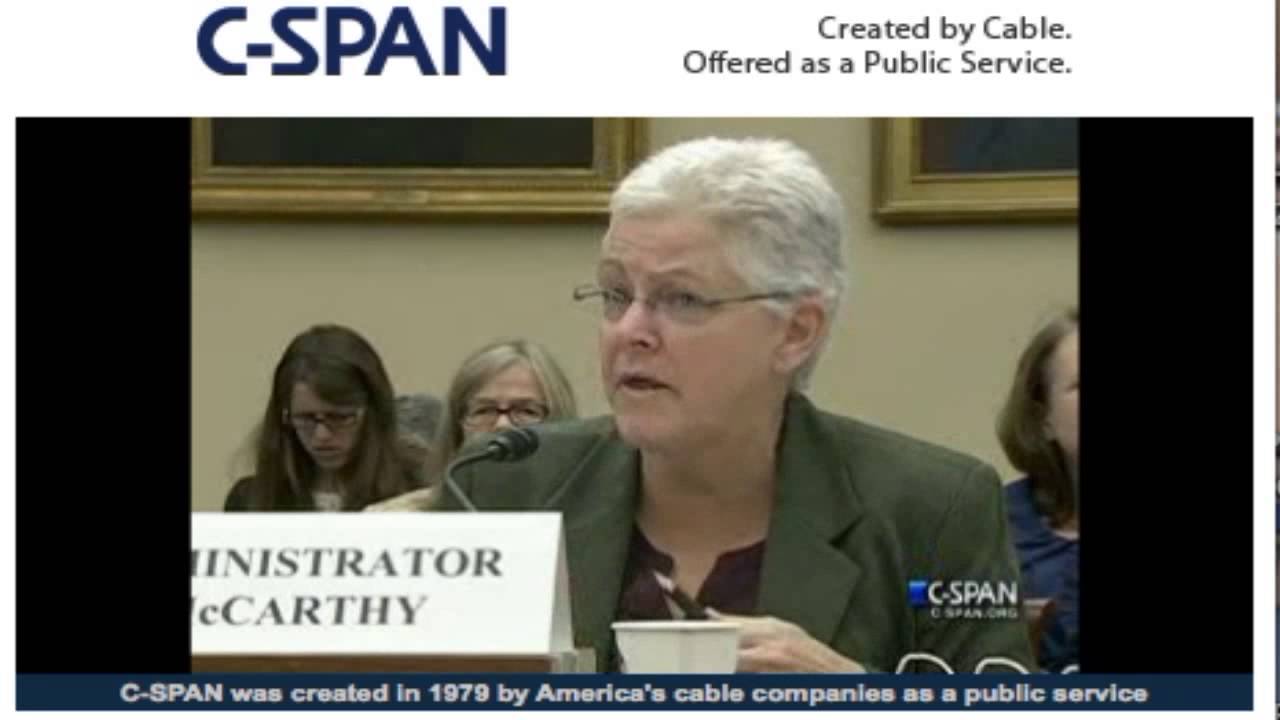 November 14
- Michigan medical board refuses to investigate doc who admits to unsafe EPA human experiments October 14
==
bb bs
This Is How the EPA Finds People for Pollution Exposure Experiments
This Is How the EPA Finds People for Pollution Exposure Experiments
by KERRY PICKET 3 Apr 2014215
“Are you over weight and out of shape?” asked one ad.
“The U.S. Environmental Protection Agency is seeking Older Adults With Asthma,” said another.
The federal government wasn’t selling diet pills, and it wasn’t seeking victims for a class action suit – it was soliciting human subjects for experiments that would expose them to air pollution.
The EPA is under fire this week after an Inspector General investigation found the agency exposed people to harmful chemicals without adequately disclosing the risks involved.
Rep. Henry Waxman (D-CA), ranking member of the House Energy and Commerce Committee, told Breitbart News on Thursday he found the IG’s report “disturbing.”
Finding volunteers to participate in Environmental Protection Agency experiments is often tasked to contractors like FEFA LLC who place ads in Newspapers, around communities, and online. These ads use money lures to find individuals within specific demographics to partake in EPA studies.
Flyers calling for adult volunteers between the ages of 35 and 55 to engage in a pollution study who have metabolic syndrome. The research takes place at the Human Studies Division at theUniversity of North Carolina in Chapel Hill, the same facility the EPA Inspector General released a critical report on.
The paper advertiser for the EPA study asks that male volunteers should have waist sizes greater than 40? and waist sizes for females should be more than 35? or at least a Body Mass Index greater than 30.
Another flyer for the same experiment asks, “Are you over weight and out of shape?” This particular study involves 25 hours of 3 screening visits and 4 study visits. Volunteers are told they will be compensated for their time.
Another flyer asking for adult participants between the ages of 50 and 75 at the University of North Carolina in Chapel Hill, advertises an EPA study about genetics, diet supplementation and exposure to air pollution. This particular advertisement states the total commitment to the experiment is 15 hours over a 6 to 7 week period and volunteers will be paid.
A similar ad at UNC-CH asks for non-smoking adults between 45 and 65 but with mild asthma. This pollution experiment is said to examine genetics and “requires screening and two exposures with follow up bronchoscopy.” The EPA studies website describes a bronchoscopy as a way to get a lung cell sample:
During the procedure, a doctor passes a thin tube through your nose and throat into the airways. Cells are removed either by a squirt of salt water or a gentle brushing. Before inserting the tube, the doctor will give you anesthetic to numb your nose and throat. You will get an intravenous (IV) line placed in your vein in case you need medications or fluids. After the procedure, nurses will monitor your heart rate and blood pressure. The bronchoscopy itself usually lasts about 30 minutes. But the entire procedure, including preparation and recovery time, takes about 4 hours.
The EPA also broadcasts their pitches for volunteers on the radio. The pitch goes like this:
“Are your triglycerides, cholesterol, blood sugar or blood pressure a little too high? Is your waist bigger than 40 inches for men and 35 inches for women? If you can answer yes to any of those, you could be one of 40 million Americans who might be especially sensitive to air pollutants. The U.S. Environmental Protection Agency is seeking volunteers like you, ages 19 to 55, to participate in research about air pollution. Those who complete the entire study may be paid as much as $1200. To find out more, call…”
The flyers and radio ads direct those who are interested to a phone number and web site: epastudies.org. The website has information where individuals can sign up or “refer a friend.”
==
http://www.breitbart.com/big-government/2014/04/02/epa-conducted-pollution-experiments-on-children/
Environmental Protection Agency is under fire for exposing children to pollution as part of an experiment at the University of Southern California.
This information is coming to light from the websitejunkscience.com after an investigation from the EPA’s Office of the Inspector General stated in a recent report that the EPA’s pollution experiments on older people, done at the University of North Carolina at Chapel Hill, were more harmful to the subjects than what the EPA presented.
The IG also said that while the experiment’s subjects did consent to exposure, the “risks were not always consistently represented.”
“Further, the EPA did not include information on long-term cancer risks in its diesel exhaust studies’ consent forms. An EPA manager considered these long-term risks minimal for short-term study exposures,” the IG report said.
In February of 2013, JunkScience.comreported that the EPA gave USC money in the mid 2000’s to find out whether diesel exhaust could “induce reproducible gene expression” in children. From a USC grant in the EPA extramural research grants database, the original December 14, 2012 document showed diesel exposures to children. What now sits on that database is a strongly edited description of the diesel tests on the children. Part of the the experiment’s goal was to examine how particulate matter affects “Asthma in Susceptible Children.”
Junk Science made a Freedom of Information Act request to the EPA to explain the deletion and alteration of its database of the documentation regarding diesel experiments on children. The EPA’s response to JunkScience was that the deletion was due to a technical mishap.
==