Clymer, George
George Clymer (March 16, 1739 – January 23, 1813) was an American politician, abolitionist and Founding Father of the United States, one of only six founders who signed both the Declaration of Independence and U.S. Constitution.[1][2] Clymer was among the earliest patriots to advocate for complete independence from Britain.[3] He attended the Continental Congress and served in political office until the end of his life. He was a Framer of the Constitution where he attempted unsuccessfully to regulate the importation of slaves. Clymer was himself a minor slave owner, at least briefly when seven years old through inheritance.
Early life and family
Clymer was born in Philadelphia in the Province of Pennsylvania on March 16, 1739. Orphaned when only a year old, he was apprenticed to his maternal aunt and uncle,[4] Hannah and William Coleman, to prepare to become a merchant. He married Elizabeth Meredith on March 22, 1765. In a letter written by Clymer to the rector of Christ Church, the Reverend Richard Peters, Clymer states that he had previously fathered a child; neither the child's nor mother's name is mentioned.[5] Clymer and his wife had nine children, four of whom died in infancy. His oldest surviving son, Henry (born 1767), married the Philadelphia socialite Mary Willing in 1794. John Meredith, Margaret, George, and Ann also survived to adulthood, though John Meredith was killed in the Whiskey Rebellion in 1787 at age 18.
Career
Clymer was a patriot and leader in the demonstrations in Philadelphia resulting from the Tea Act and the Stamp Act. Clymer accepted the command as a leader of a volunteer corps belonging to General John Cadwalader's brigade.[6] In 1759, he was inducted as a member of the original American Philosophical Society.[7] He became a member of the Philadelphia Committee of Safety in 1773 and was elected to the Continental Congress 1776–1780. Clymer shared the responsibility of being treasurer of the Continental Congress with Michael Hillegas.
He served on several committees during his first congressional term and was sent with Sampson Mathews to inspect the northern army at Fort Ticonderoga on behalf of Congress in the fall of 1776.[8] When Congress fled Philadelphia in the face of Sir Henry Clinton's threatened occupation, Clymer stayed behind with George Walton and Robert Morris. Clymer's business ventures during and after war served to increase his wealth. In 1779 and 1780, Clymer and his son Meredith engaged in a lucrative trade with Sint Eustatius. Although not partial to the merchant business, Clymer continued in business with his father-in-law and brother-in-law until 1782.[6]
He resigned from Congress in 1777 and in 1780 was elected to a seat in the Pennsylvania Legislature. In 1782, he was sent on a tour of the southern states in a vain attempt to get the legislatures to pay up on subscriptions due to the central government. He was re-elected to the Pennsylvania legislature in 1784 and represented his state at the Constitutional Convention in 1787. He was elected to the first U.S. Congress in 1789.
He was the first president of The Philadelphia Bank and the Pennsylvania Academy of the Fine Arts and vice-president of the Philadelphia Agricultural Society. When Congress passed a bill imposing a duty on spirits distilled in the United States in 1791, Clymer was placed as head of the excise department in the state of Pennsylvania. He was also one of the commissioners to negotiate a treaty with the Creek Indian confederacy at Colerain, Georgia on June 29, 1796. He is considered the benefactor of Indiana Borough, as it was he who donated the property for a county seat in Indiana County, Pennsylvania.
Clymer died on January 23, 1813. He was buried at the Friends Burying Ground in Trenton, New Jersey.
Slavery
Clymer is known to have been a slave owner to what degree is uncertain, although it is known his father, grandfather and brother were minor slave owners.[9] When his father Christopher died, George, then seven years old, inherited "a negro man named Ned", who died soon after. Ned was probably the only remains of an inheritance given to Christoper from his father, Richard, George's grandfather, who owned four slaves.[9]
Clymer, as a member of the Pennsylvania delegation during the framing of the Constitution, unsuccessfully opposed the slave trade. The question of the slave trade ie. the import of new slaves into the United States, was one of the most contentious issues for the framers. Clymer was on the committee to draft a Slave Trade Compromise to postpone the slave trade decision until 1808. Clymer supported an "export tax" (tariff), which was a way to indirectly tax slavery, and which like the slave trade question was opposed by southern states. Nevertheless, the tariff was included as part of the compromise.[10]
Legacy
USS *George Clymer* (APA-27) was named in his honor.[11] Clymer, Indiana County, Pennsylvania, was named in his honor as was Clymer, New York.[12] There is a George Clymer Elementary School in the School District of Philadelphia. Clymer's home in Morrisville, Pennsylvania, known as Summerseat, still stands, as does a house he owned in Philadelphia's Fairmount Park known as Ridgeland Mansion. One of the streets running alongside Summerseat in Morrisville is Clymer Avenue.
In Reading, Pennsylvania, Clymer Street is named in his honor. In the Leedom Estates section of Ridley Township, Pennsylvania, Clymer Lane is named after him.
Clymer Avenue in Indiana, Pennsylvania, is named after George Clymer.
See also

American Connections
GEORGE CLYMER (PA) was thirty-seven. Tax returns
show he was one of the richest men in Philadelphia. Throughout the war
he sat on innumerable committees. Clymer was obsessed with points of
order and such bureaucratic noodling, so after things settled down he
got the job of persuading late-paying states to ante up their share of
the war debt. Served him right.
In 1791 Clymer was just the man to be tapped as collector of revenues in
Pennsylvania.
Clymer only increased tensions with a clumsy attempt at traveling in disguise and attempting to intimidate local officials. His somewhat exaggerated report greatly influenced the decisions made by the Washington administration.[38]^ Washington and Hamilton viewed resistance to federal laws in Pennsylvania as particularly embarrassing, since the national capital was then located in the same state.
Where everything hit the fan. After fighting an
international war over unfair taxation, farmers all along the western
frontier were less than amused when Congress authorized a tax on whiskey
and sent in a corps of excise inspectors to find farmers' stills and
take farmers' money.
In western Pennsylvania the local response was to burn down the
inspector's house and threaten to shoot him.
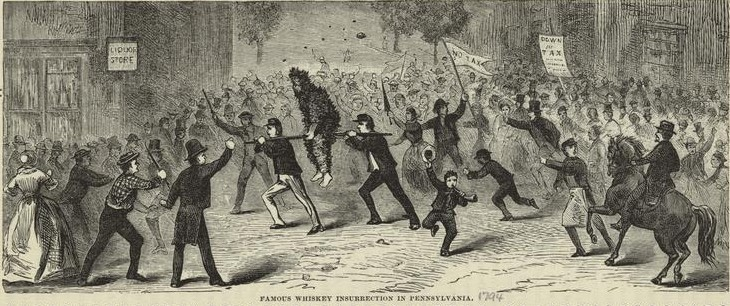
"Famous Whiskey Insurrection in Pennsylvania", an 1880 artist's impression of a crowd forcing a tarred and feathered tax collector to "ride the rail".
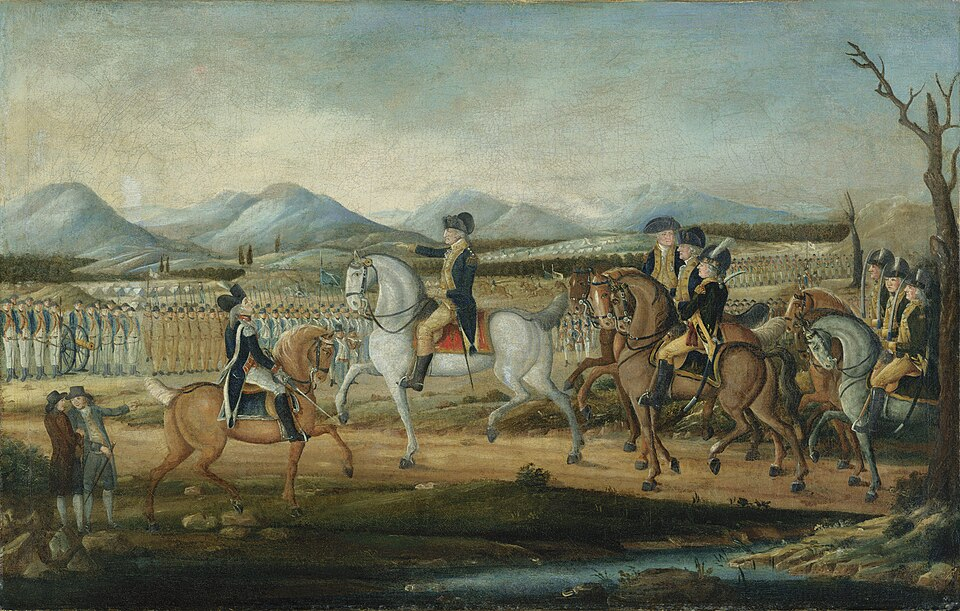
Government warnings didn't work, so in 1794 George Washington issued the relevant proclamation, collected nearly thirteen thousand troops from Virginia, Maryland, New
Jersey, and Pennsylvania, and headed west into whiskey country.
Washington's almost royal progress had a salutary effect on the rebels,
who melted away ahead of the army. Those few caught were amnestied. The
new Republic's first major crisis was over. Phew.
Some said that farmer, ex--land speculator, and ex--French teacher
was a Whiskey Rebellion ringleader. Others claimed that
he had helped calm things down.
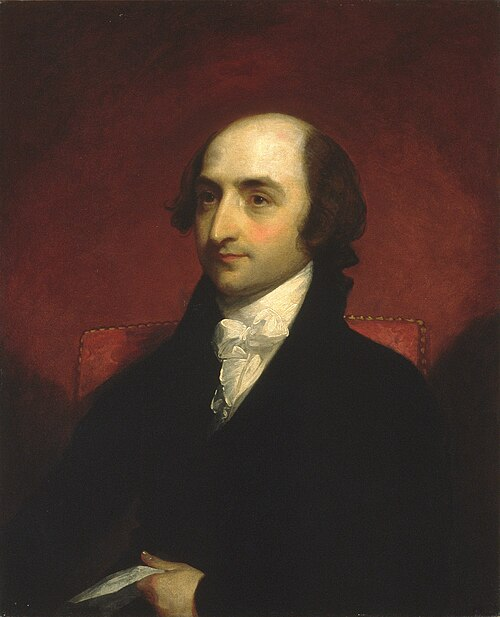
Portrait by Gilbert Stuart, c. 1803
Either way his involvement on behalf of
the locals won him six years in Congress, where in 1801 Gallatin's Swiss
financial acumen persuaded Jefferson to make him secretary of the
Treasury. Gallatin used cost-cutting techniques to pay off the war debt
and then turned his attention to getting the economy on its feet.
His 1803 proposal for a federally funded National Road raised cheers.
Farmers donated land for the sixty-six-foot-wide strip that started in
1811 and eventually went from Cumberland, Maryland, to Vandalia,
Illinois. Gallatin knew it would be jammed night and day with traffic,
mostly Conestoga wagons that would ruin a gravel road. So he opted for a
road surface designed by a Scot who had once turned up in America just
in time to be a loyalist and go home again.
John McAdam's Kaims Colliery supplied coal to the British Tar Company, of Archibald Cochrane, 9th Earl of Dundonald, and partners in the coal tar trade.
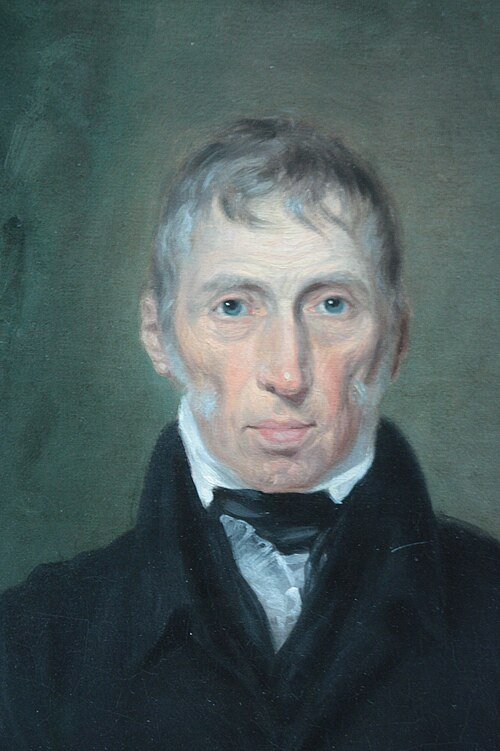
John McAdam's road was easy to make: a foot-deep base of seven-inch
stones carrying an upper layer of three-inch stones carrying a top layer
of crushed stone. Plus drainage ditches.
This construction method, the greatest advance in road construction since Roman times, became known as "macadamisation", or, more simply, "macadam".
By 1820 McAdam's company was building and maintaining roads all over Britain. That year he was approached by the administrator of the Royal Military Hospital at
Greenwich to McAdamize lots of Northumberland (northeast England) where
the hospital owned big estates with coal mines that needed access roads.
The contract came from Edward Locker, running Greenwich Hospital after a
navy career much of which had been spent as secretary to the
commander-in-chief, Mediterranean fleet. Which is why in May 1814 Locker
had found himself on the Italian island of Elba showing paperwork for
the upcoming peace treaty to uninterested ex-emperor Napoleon.
By now Napoleon had been "Emperor of Elba" since his abdication a month
earlier and was already getting used to being a tourist target for the
Brits who turned up by the dozen to gawp. And in some cases sketch. Back
in the glory days, Napoleon had been impressed by young London artist
Henry Barker, (who married the eldest daighter of Capt William Bligh).
Barker had visited him with a great plan for a great panorama
depicting Napoleon's greatness. So the great man ordered seven great
circular buildings to be built in the Champs Elysées to show more
panoramas of great French victories. Alas, neither victories nor
panoramas nor buildings happened.

Panorama of Constantinople (1813, aquatint)
So in 1814 on Elba Henry Barker was having another go, doing preliminary sketches of Napoleon and his island. Back home Barker's giant pix were making him a fortune.
Standing-room crowds queued for hours to look for hours at all-round
giant paintings of all-round giant events. Including Barker's most
successful show of all, the battle of Waterloo. Another box-office smash
was his view of the departure (for Spitzbergen and points north) of a
four-ship fleet commanded by Captain David Buchan.
This was yet another of the never-ending attempts to find the Northwest
Passage (from Atlantic to Pacific over northern Canada). Of course they
didn't find it. After doing meteorology, magnetic everything, and sea
temperatures (and any other measurements they could think of), Buchan's
fleet ended up like everybody else: hitting ice, ice, and more ice. Then
going home.
One of their number wasn't giving up that easily, though. In
1819 John Franklin headed off again to spend three more years in
northwest Canada, mapping, starving, freezing, and "eating his own
boots" (and, it was rumored, any of the team who died). Then back to a
hero's welcome.
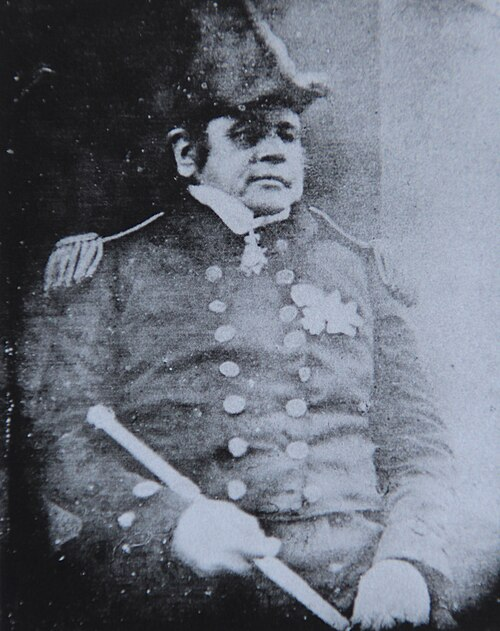
In 1825 crazy Franklin was off yet again. Three more
years of raw meat and frozen toes. Then back to a hero's welcome. After
which, a brief and disastrous interval (1837-43) proving great explorers
didn't make good governors of Tasmania. Back in the United Kingdom, the
obsessive Franklin headed out yet again for you-know-where. This time he
didn't come back. His wife, Jane, financed five expeditions to find him.
All they found were skeletons. (As a young woman, Jane was attracted to a London physician and scientist, Peter Mark Roget,[3]^ best known for publishing Roget's Thesaurus. She once said he was the only man who made her swoon, but nothing ever came of the relationship).
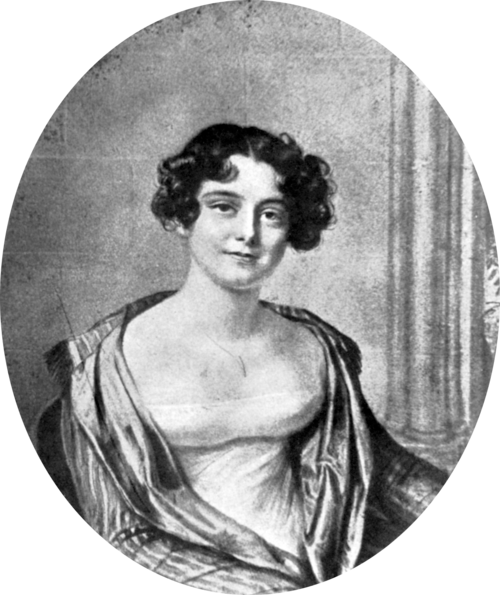
Jane then headed off round the world to meet people: Hawaii (Queen
Emma, who befriended Queen Victoria), Japan (emperor), Brazil (emperor), Salt Lake City (Brigham Young), and Rome (Pope).
Her purpose was to wave the flag of "enlightened" colonialism. Which was partly why she had earlier ruined her husband's tour as governor in Tasmania, when her too-liberal intentions took her on a fact-finding mission into the women convicts'
prison. She'd got the idea from her friend (Quaker) Elizabeth Fry. Whose own
epiphany had been in Newgate Prison, London. Where back in 1813 Fry'd
been persuaded to take a look at conditions for female prisoners. And
had staggered out, shocked to the core at the filth and degradation in
which lady inmates were forced to live.
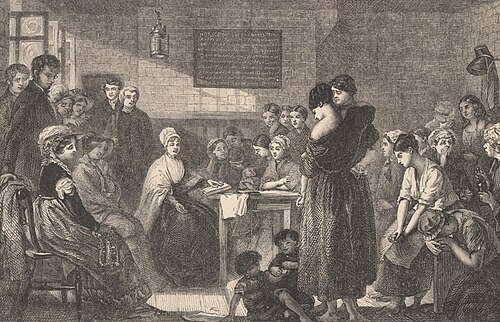
Fry reading to inmates in Newgate prison.
Fry became a nationally known power for reform: education for inmates, fresh straw bedding, clothing, and above all the separation of male and female prisoners. In no time
Fry was an international figure, meeting such worthies as the pope, the
tsar, and the kings of Prussia and Italy. She was admired by Queen Victoria and PM Peel.
The man who had originally sent her into the cells was a French exiled
aristo who claimed to be the last living person able to identify the
Lost Dauphin (crown prince) of France. Etienne de Grellet had run away
from the French revolutionaries because of his royal connections, then
arrived in the United States, turned Quaker, and finally ended up in
London (hence the connection with Quaker Elizabeth Fry's family). The
Lost Dauphin mystery gripped everybody. Once the Dauphin's mom and pop
(Louis XVI and Marie Antoinette) had been guillotined, the lad should
have become Louis XVII but for the minor inconvenience of the French
Revolution. During which he disappeared. There were rumors he was being
kept in a secret prison, masked and unrecognizable to would-be
supporters. Others said he was dead. Eleaser Williams, missionary in
Wisconsin, claimed to be him.
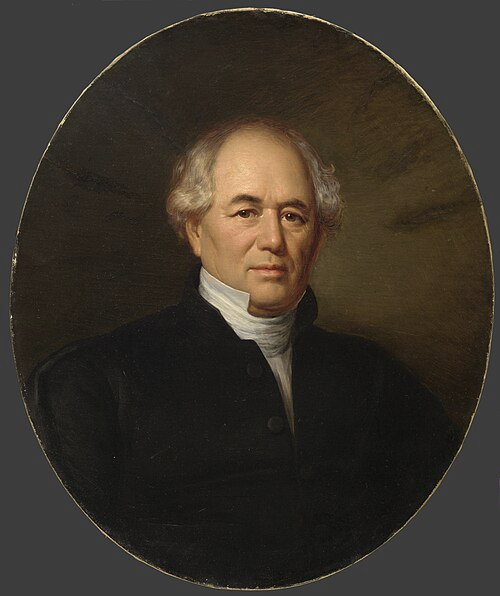
Williams was checked out (and flunked) in 1841 by visiting Prince
Joinville, youngest son of King Louis Philippe of France. Joinville then
returned to Europe and (in his other role as French admiral) scared the
Brits with an article saying that if France had a couple of
paddle-steamer warships the United Kingdom would be a pushover.
Panic reigned in London. In 1859 a Defense Commission was set up under Sir
William Jervois, who soon became Mr. Fortifications.
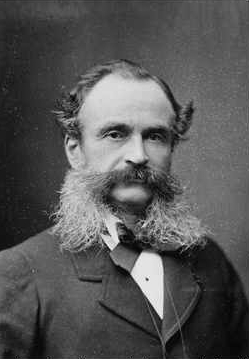
His plan: build forts in the sea off the main English ports. Some were built. None with
guns. Meanwhile Jervois was off all over the world checking out other
people's defenses. Which was why in 1863, after a period studying such
stuff in Canada, he was to be seen risking life and limb in a rowing
boat pretending to be an artist sketching the harbor walls in Portland,
Maine. And in fact sketching them.
This was a dangerous occupation, because the Civil War was still going
on and the place had just witnessed the capture of daring Confederate
raider Charles Read after he had crept up and stolen a U.S. Revenue
cutter.
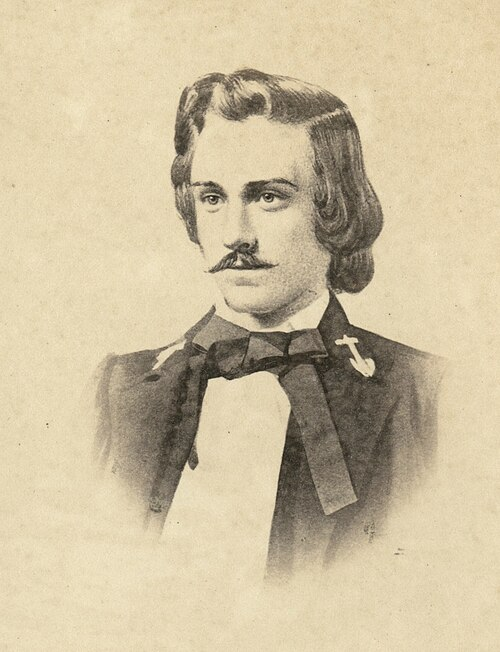
In the previous months Read had nobbled twenty-two Union
commercial ships and generally created mayhem in the shipping lanes. So
after Read's capture off Portland he was interned. A year later he was
prisoner-exchanged and was soon back at his old tricks until captured
for the last time in 1865. When he was interrogated (possibly because he
knew Confederate president Jefferson Davis) by no less than Allan
Who went on to immortality with the first U.S. detective agency,
employed mostly as strike breakers and infiltrators of terrorist groups
such as the Molly Maguires, active in the Pennsylvania coalfields. By
the time Allan Pinkerton died in 1884 the "Pinkerton man" was a national
figure chasing bandits and train robbers like the Jesse James brothers. And
spying on cash-register clerks who might have their hand in the till.
Such sneaky behavior was an after-sales service provided by National
Cash Register Company founder and president John Patterson.
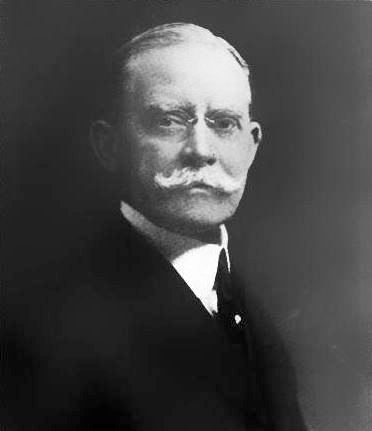
Who also invented everything that makes modern U.S. business tick: annual sales
conferences, employee-training programs, company ethics, a
two-hundred-page manual on "How to Sell" (complete with memorizable
script), sales quotas, and above all the concept of "creating demand."
Patterson was famous for firing Thomas Watson Sr,[4]^ who went on to become General Manager, then President, of CTR, later renamed IBM. So many prominent businessmen were trained and fired by Patterson that some business historians regarded experience at NCR as the rough equivalent of an MBA degree. Patterson was also famous for firing many people on rather trivial grounds, for example, if they could not tell him why the flags happened to be flying that day.[4][5]^ Charles F. Kettering was hired and fired at NCR multiple times;[6]^ once for failing at an equestrian event. Reportedly, Patterson fired him with the remark: "Anybody who can't handle a horse can't handle men."[7]^
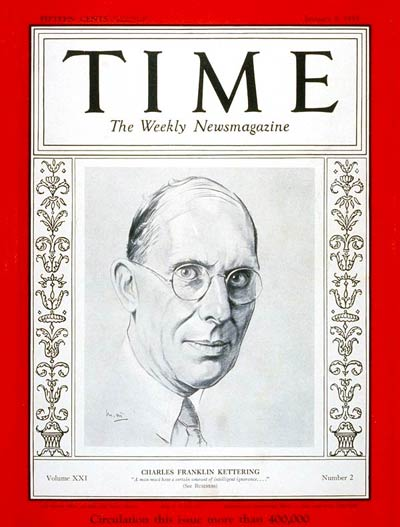
In 1906 Patterson hired young engineer Charles Kettering, the
propeller-head's role model, whose inventions included premature baby
incubator, automatic transmission, safety glass, electric railroad
gates, shock absorbers, aeriel torpedo, leaded gas (with his assistent Midgley, who also destroyed the ozone layer), and a version of Patterson's cash register that
could be opened by an electric motor at the press of a button. This last
gave Kettering the idea for his greatest gizmo: the electric automobile
starter motor. Did away with hand-cranking in 1911 when the first one
appeared in a Cadillac.
Kettering had his starter-motor manufactured by fan-makers Robbins &
Myers of Springfield, Ohio. In World War II their precision-engineering
techniques were employed making the Norden bombsight.
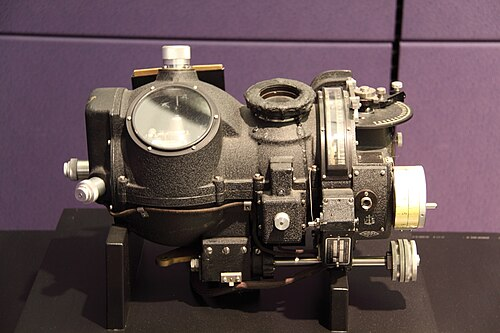
The Norden was a small gyro-controlled computer and was so cosmic secret it was loaded on the plane before a mission by armed guard and unloaded the same way
afterward. When linked with the autopilot, the Norden used input on the
plane's direction, airspeed, altitude, and angle of drift to fly the
aircraft through the bombing run to the target point and then release
the bombs. The data required for all this to happen was punched into the
Norden computer by the aircraft's bombardier.
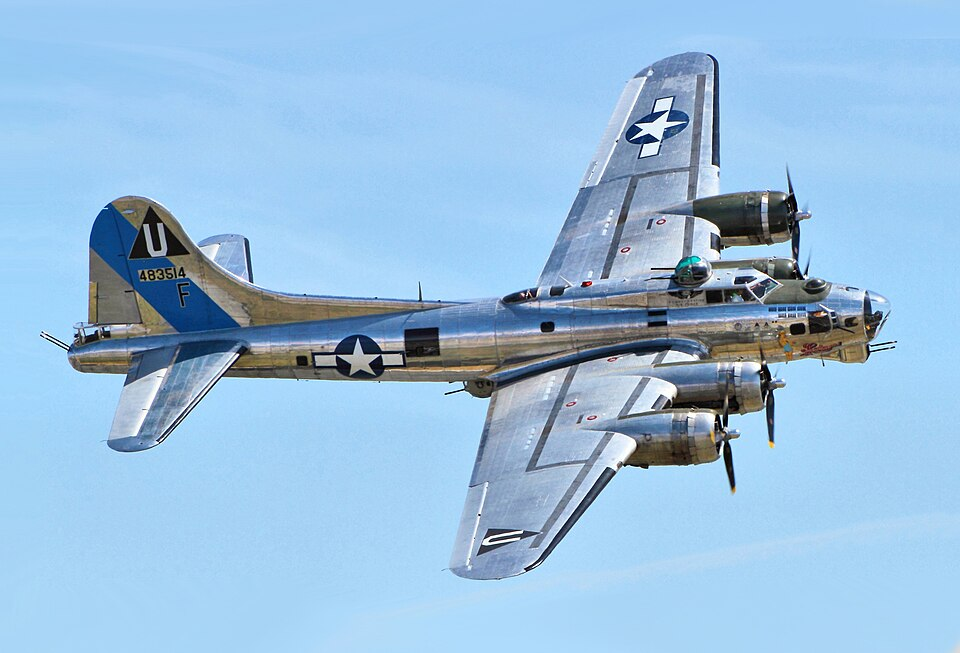
During the War forty-five thousand men and women were initially to do
this work, starting on the B-17 Flying Fortress.
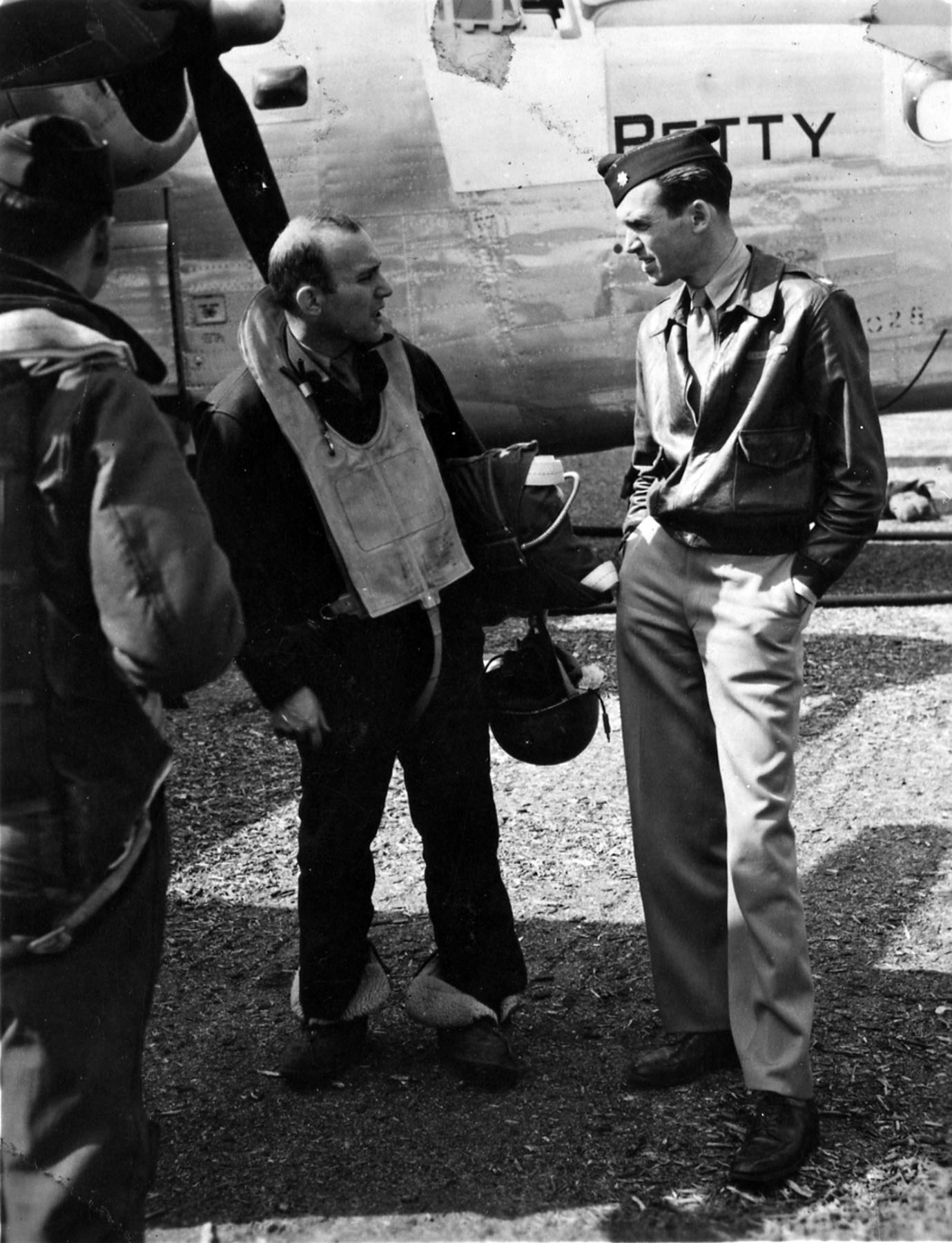
In 1942 one of the bombardier training staff applied for combat operations and went on to twenty missions, six battle stars, a Distinguished Flying Cross, an Air
Medal, and the rank of brigadier general. This war hero was film star
Jimmy Stewart. Born in the small Pennsylvania town of Indiana.
Where in 1805 land for the county seat was donated by GEORGE CLYMER.